Artwork
Lucretia Standing at a Column
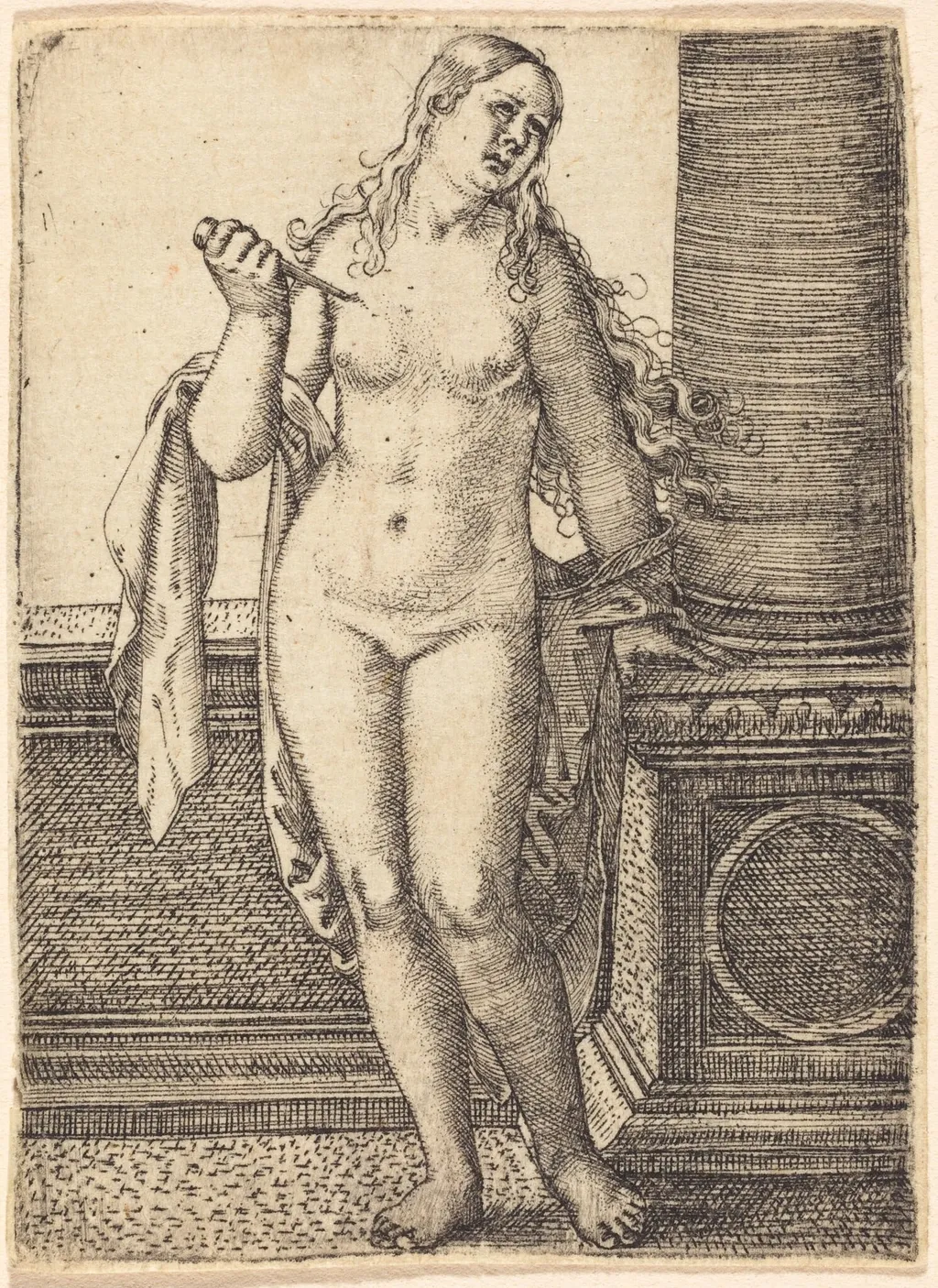
Lucretia Standing at a Column is an ink print by the Renaissance artist Barthel Beham. It dates from 1524 and is held in the collection of the National Gallery of Art.
About this work
Overview
Created around 1524, this engraving by Barthel Beham depicts a solitary female figure beside a vertical column. Rendered in fine linear detail on laid paper, the work belongs to the Northern Renaissance tradition of small-scale prints. Its quiet composition and restrained background emphasize the figure’s internal state, distinguishing it from more narrative or ornate contemporary works.
Subject & Meaning
The draped cloth and exposed hair convey vulnerability, while the column implies both structural support and moral weight.
The figure is Lucretia, the Roman noblewoman who took her own life after being violated, as recounted in ancient sources. Her downward gaze and clenched dagger suggest a moment of resolve before death. The draped cloth and exposed hair convey vulnerability, while the column implies both structural support and moral weight. The scene invites reflection on honor, agency, and sacrifice rather than dramatizing violence.
Technique & Style
Beham employed precise engraving lines to model form and texture, using fine hatching to suggest the fall of hair and the weight of fabric. The background is left largely unadorned, with only subtle tonal variations to imply space. The figure’s anatomy is rendered with restrained naturalism, avoiding excess detail in favor of emotional clarity—a hallmark of Beham’s intimate, psychologically focused prints.
History & Provenance
The print was produced during Beham’s early career in Nuremberg, a center for printmaking alongside Albrecht Dürer. Though no early ownership records survive, its survival in multiple institutional collections suggests it was circulated among collectors of humanist-themed engravings. It reflects the period’s interest in classical morality tales adapted for private contemplation.
Context
In early 16th-century Germany, classical stories like Lucretia’s were frequently reinterpreted through a Christian moral lens. Artists used such subjects to explore themes of virtue, chastity, and personal integrity. Beham’s version aligns with a trend toward introspective portraiture in print, where emotional depth replaced overt spectacle, resonating with humanist audiences seeking ethical reflection.
Legacy
Beham’s Lucretia contributed to a broader Northern European tradition of depicting female moral figures with psychological nuance. While less widely known than Dürer’s equivalents, this engraving exemplifies how smaller-scale prints could convey complex narratives through minimal means. Its influence is seen in later works that prioritized inner turmoil over external drama.
Own this work as a print
Artist & collection

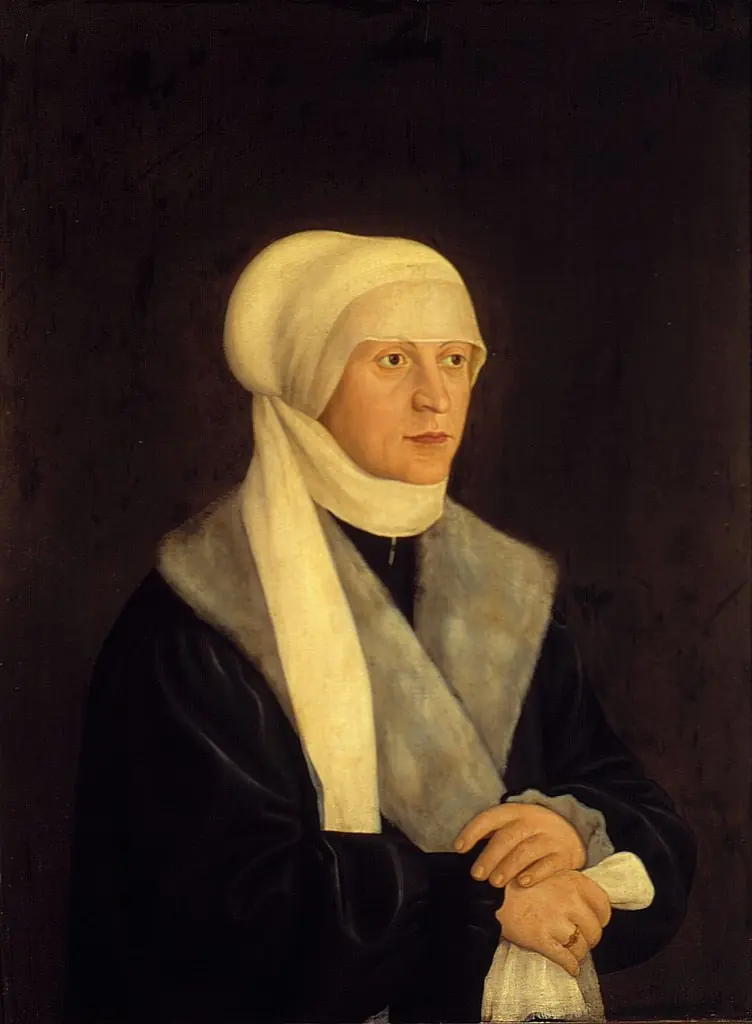
 Portrait of Marie of Baden
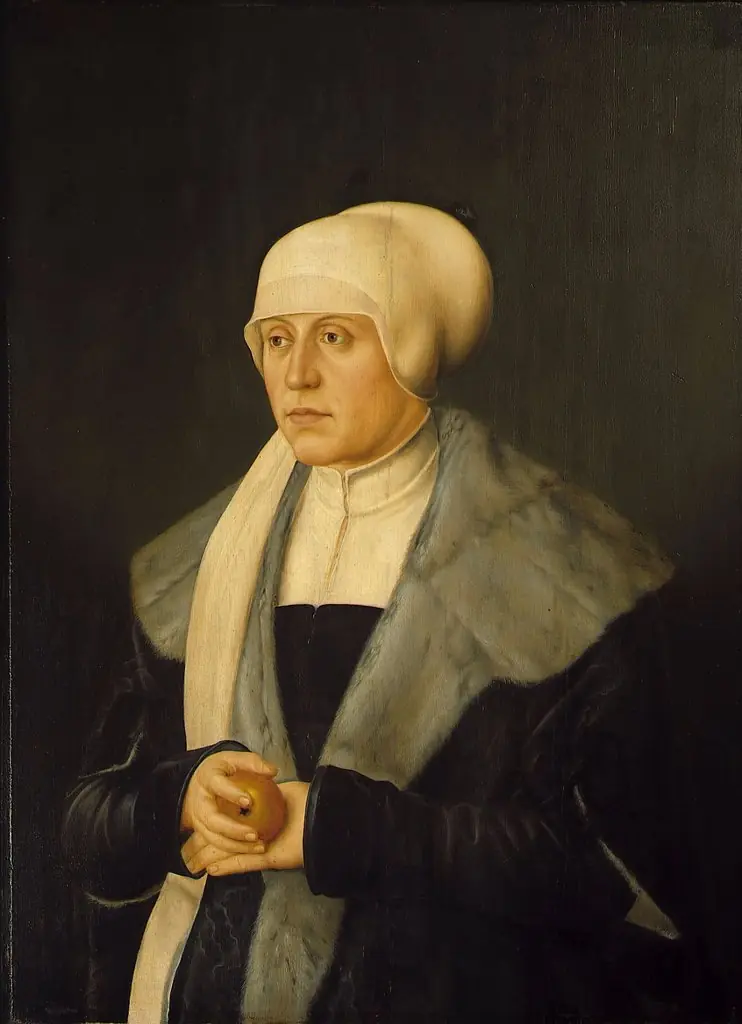
 Portrait of Sabina of Bavaria
 Kunigunde of Austria, wife of Duke Albrecht IV of Bavaria
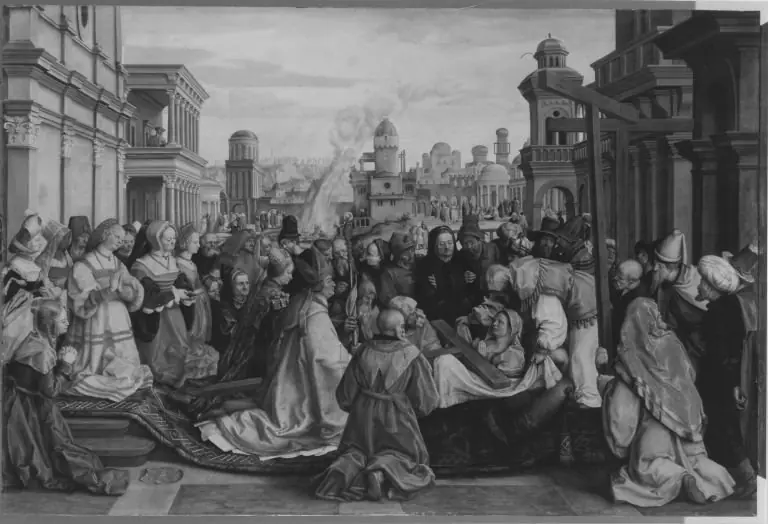 Historienzyklus: Kreuzauffindung der hl. Helena
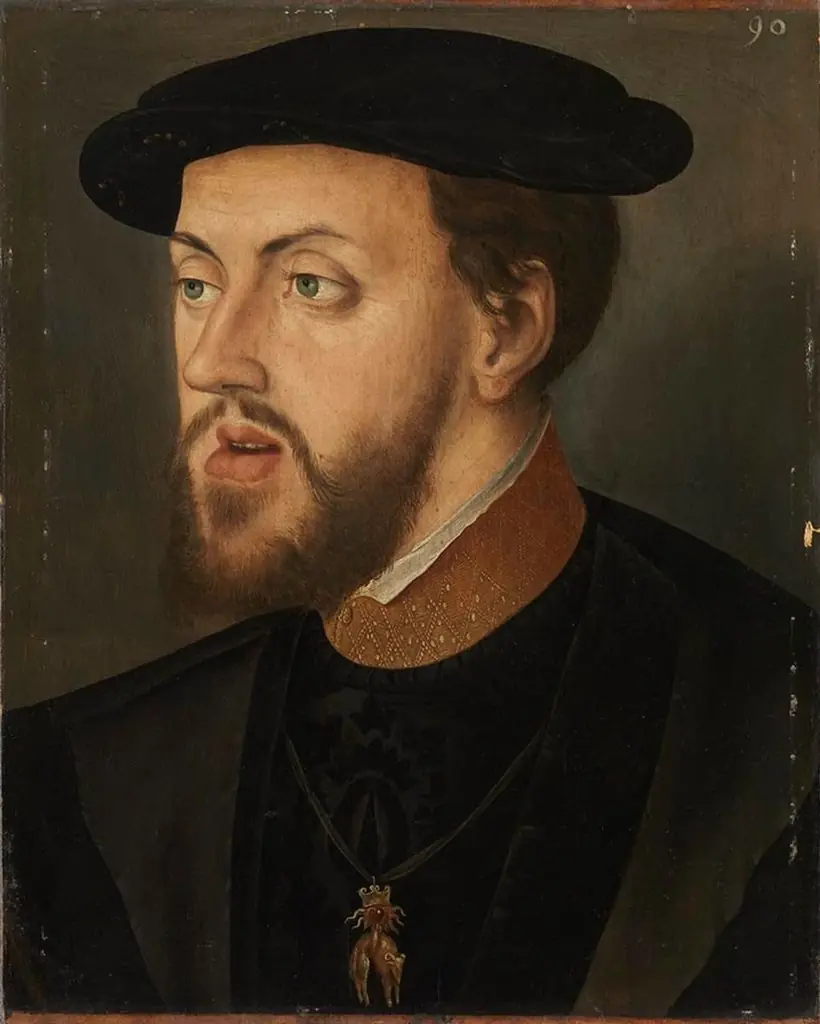 Emperor Charles V
 Portrait of a Man
 Susanna von Brandenburg, Gemahlin Ottheinrichs (Seitenverkehrte Kopie nach Inv.-Nr. 2450) (Kopie nach)
 Portrait of Herzog Johann III, Paltzgraf bei Rhein (1488-1538)