Artwork
Titus Gracchus

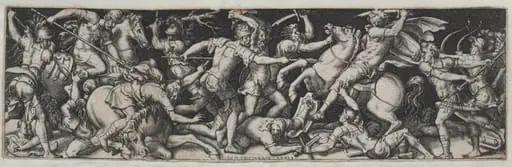
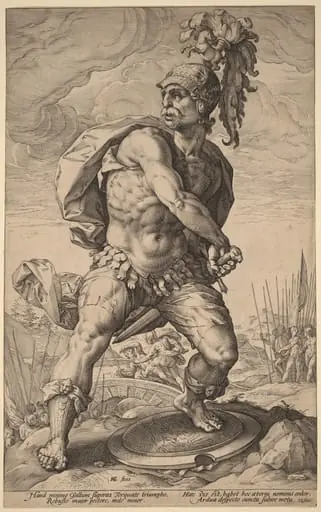
Titus Gracchus is an ink print by the Renaissance artist Barthel Beham. It dates from 1528 and is held in the collection of the National Gallery of Art.
About this work
Overview
The image is rendered in fine, incised lines typical of metal engraving, with high contrast between the dark background and sharply defined figures.
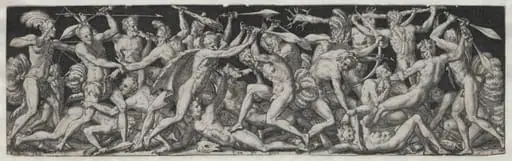
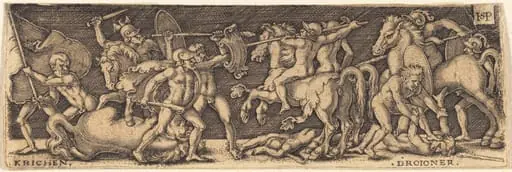
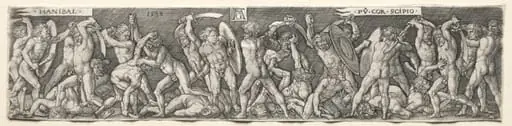
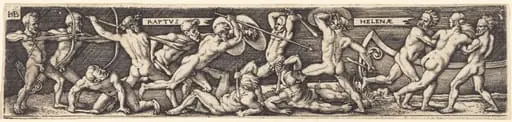
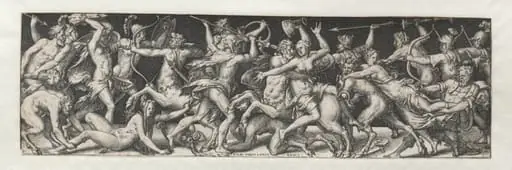
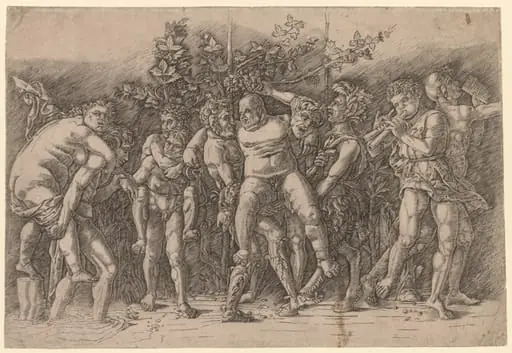
Created in 1528 by Barthel Beham, this engraving on laid paper depicts a violent, densely packed scene centered on the figure of Titus Gracchus. The image is rendered in fine, incised lines typical of metal engraving, with high contrast between the dark background and sharply defined figures. The composition conveys motion and disorder, suggesting a moment of intense conflict rather than a static portrait.
Subject & Meaning
The title references Titus Gracchus, a Roman tribune known for agrarian reforms and political strife. The chaotic melee may allude to the social unrest surrounding his efforts, though no clear narrative is visible. The inclusion of horses and dogs amplifies the sense of uncontrolled violence, possibly symbolizing the collapse of order. The scene functions more as an allegory of turmoil than a literal historical account.
Technique & Style
Beham employed precise engraving tools to carve fine, intersecting lines into a metal plate, creating texture and depth through density rather than shading. The scratchy, linear quality emphasizes movement and tension, with figures emerging starkly from the dark ground. Details like tangled limbs and animal forms are rendered with meticulous economy, showcasing the artist’s control over the medium’s limitations.
History & Provenance
The print was produced in Nuremberg during the early Reformation, a period when engravers often illustrated classical or moralizing themes for a growing market of collectors. While its early ownership is undocumented, similar works by Beham circulated widely in print collections across Germany and the Low Countries, reflecting the appeal of dramatic, narrative-driven engravings.
Context
In early 16th-century Germany, artists like Beham frequently turned to classical antiquity for subject matter, blending historical reference with contemporary anxieties about power and disorder. The chaotic composition mirrors broader cultural preoccupations with civic violence and the fragility of law, themes amplified by the Protestant Reformation’s upheavals and the lingering memory of peasant revolts.
Legacy
This engraving exemplifies the Northern Renaissance tradition of small-scale, highly detailed prints that conveyed complex ideas through visual intensity. Though not widely reproduced in later centuries, it remains a significant example of Beham’s ability to distill narrative chaos into a tightly controlled graphic form, influencing later generations of printmakers interested in psychological and social tension.
Artist & collection
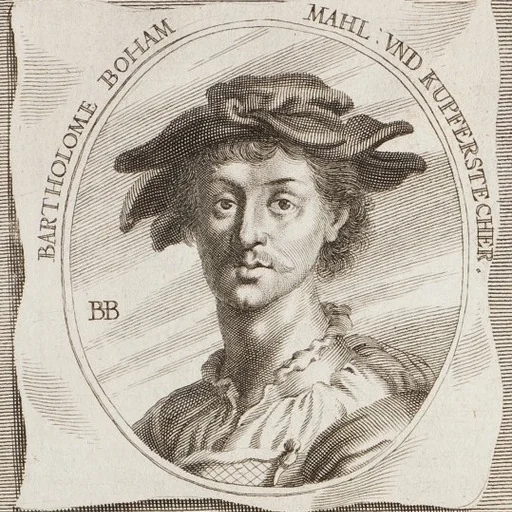

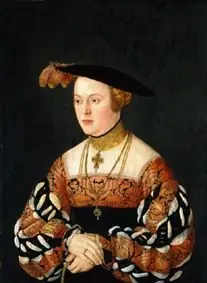 Portrait of Marie of Baden
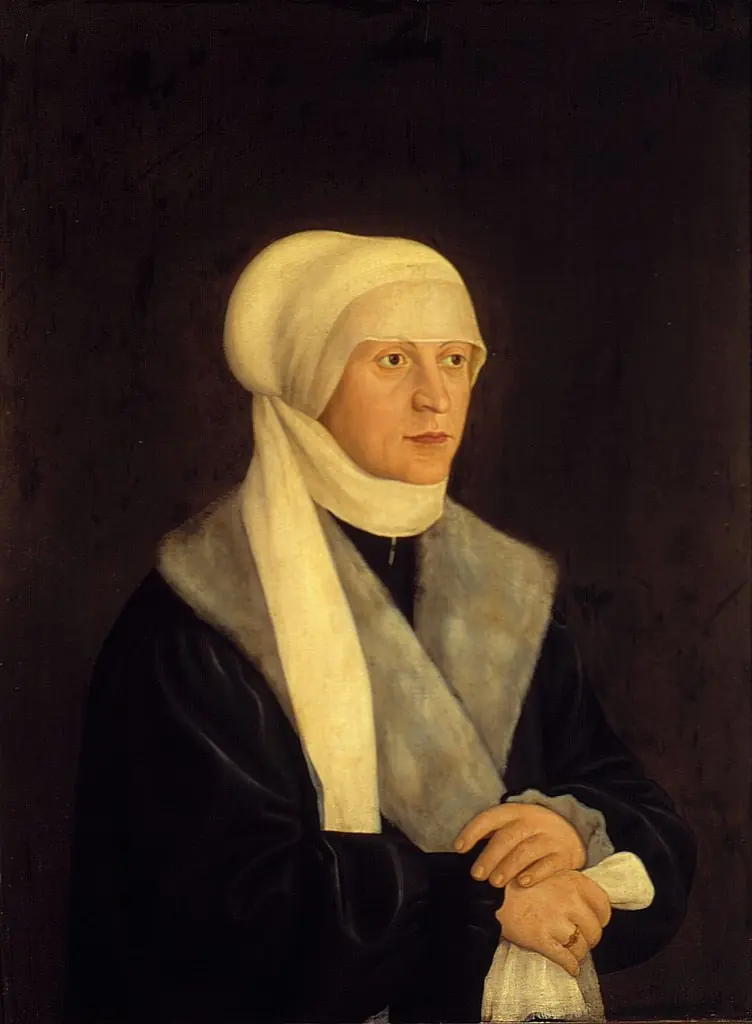 Portrait of Sabina of Bavaria
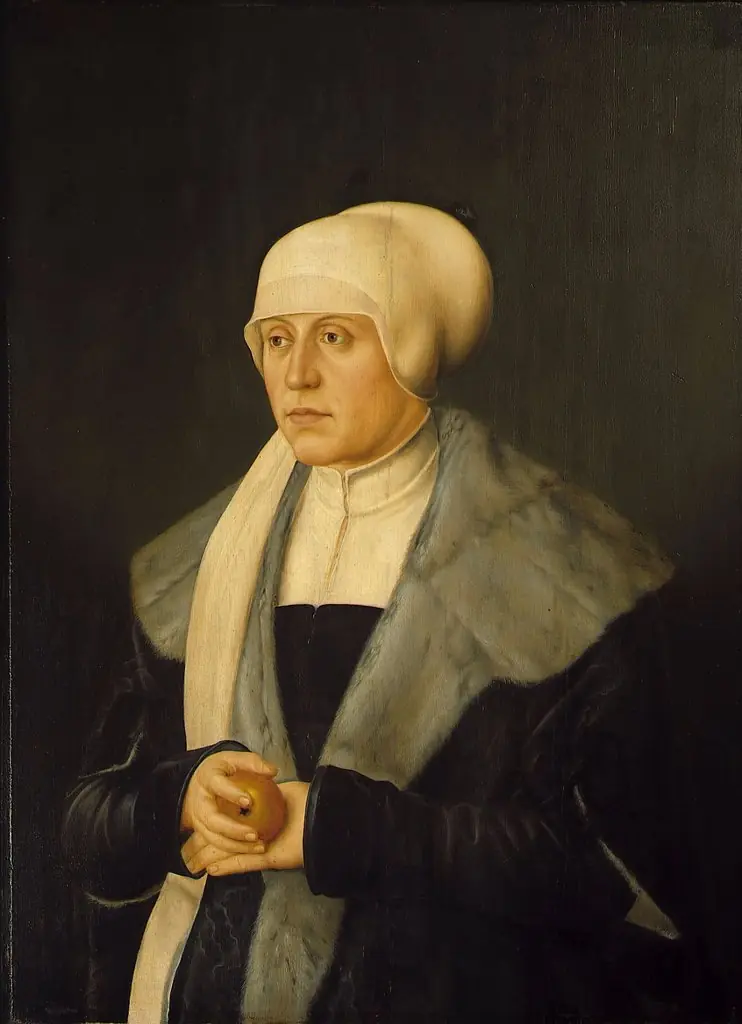 Kunigunde of Austria, wife of Duke Albrecht IV of Bavaria
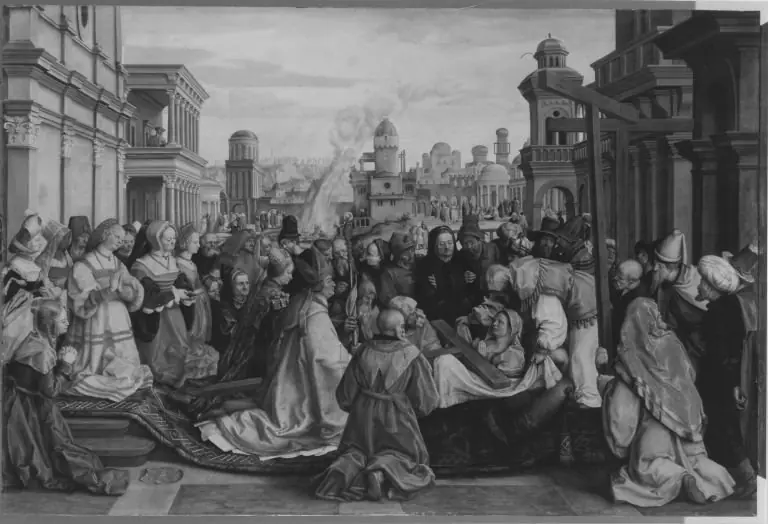 Historienzyklus: Kreuzauffindung der hl. Helena
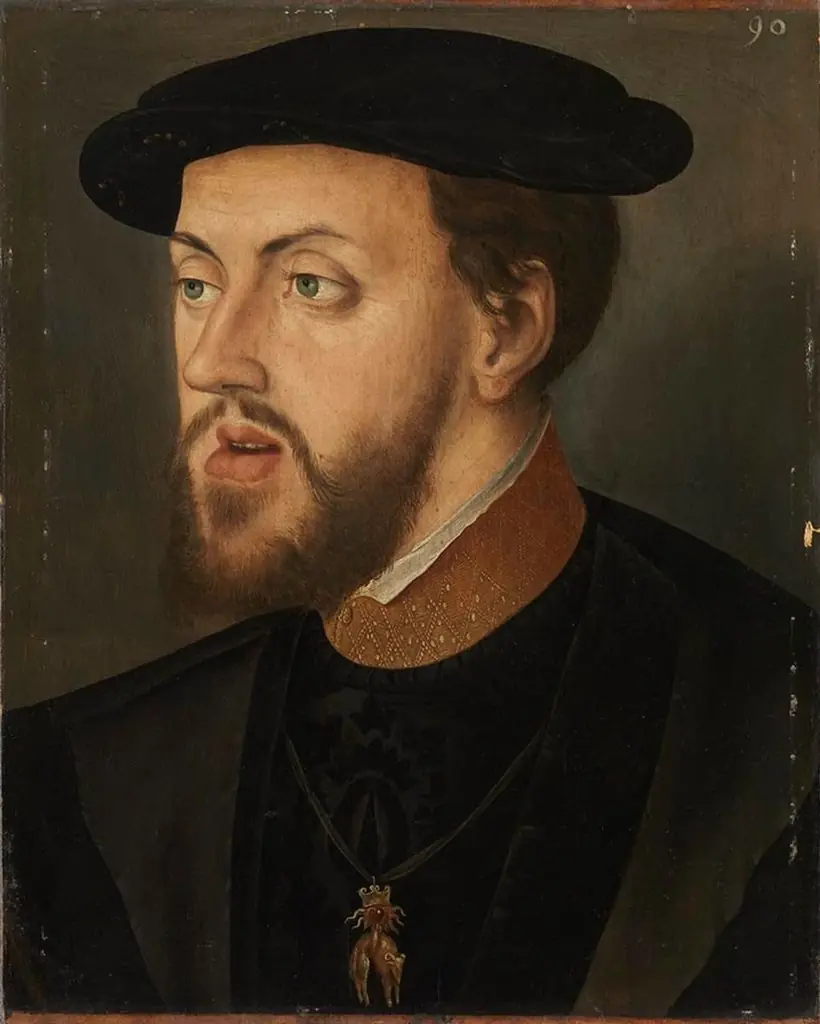 Emperor Charles V
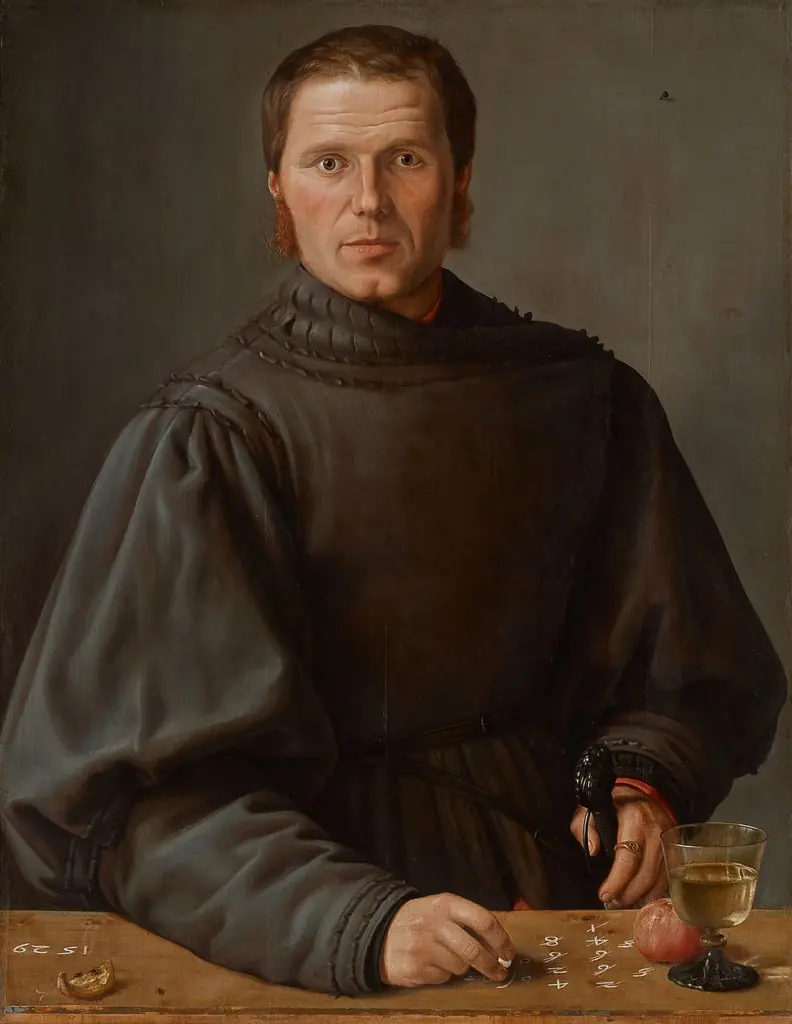 Portrait of a Man
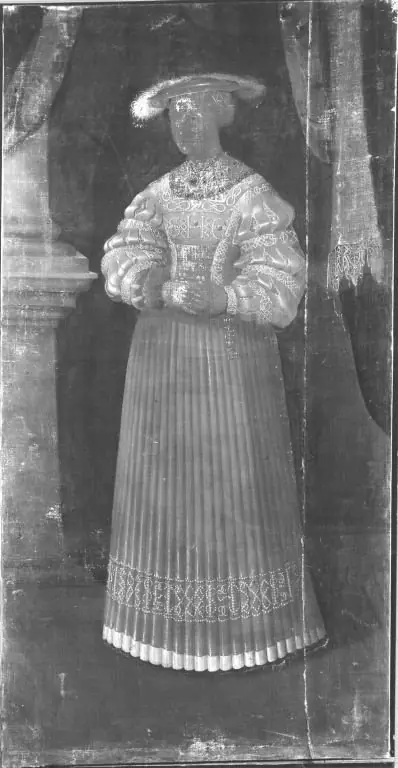 Susanna von Brandenburg, Gemahlin Ottheinrichs (Seitenverkehrte Kopie nach Inv.-Nr. 2450) (Kopie nach)
 Portrait of Herzog Johann III, Paltzgraf bei Rhein (1488-1538)