Artwork
Battle of Naked Men
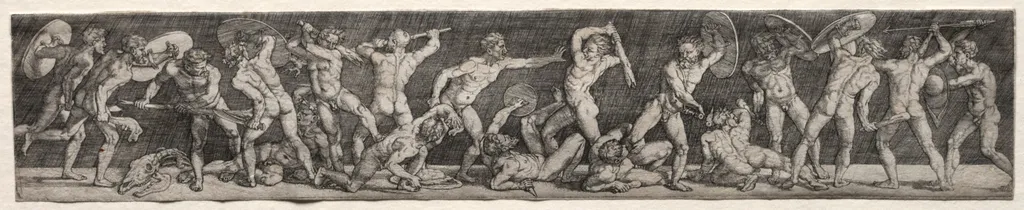
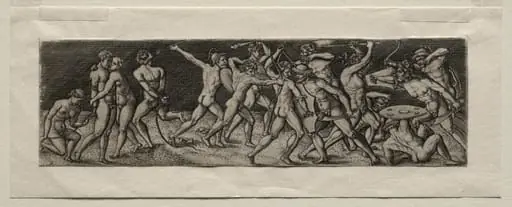
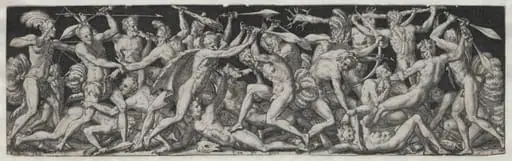
Battle of Naked Men is a print by Barthel Beham. It dates from 1531 and is held in the collection of the Cleveland Museum of Art.
About this work
Overview
Unlike traditional historical narratives, it avoids clear heroes or narrative context, focusing instead on raw physicality and chaos.
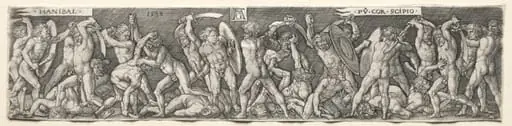
Created around 1531 by Barthel Beham, this print presents a violent, unstructured melee of nude male figures. Unlike traditional historical narratives, it avoids clear heroes or narrative context, focusing instead on raw physicality and chaos. Rendered in fine line and tonal contrast, the composition emphasizes the human body under duress, with no landscape or architectural setting to anchor the scene.
Subject & Meaning
The scene depicts no identifiable historical or mythological event. The absence of clothing, armor, or insignia strips the combatants of identity, reducing conflict to its elemental form. The bodies, locked in struggle, suggest a universal meditation on violence, perhaps reflecting Renaissance anxieties about human nature, moral decay, or the futility of war.
Technique & Style
Beham employed fine-line engraving to render muscular tension and anatomical detail with precision. Deep shadows and stark contrasts between light and dark figures enhance the sense of depth and motion. The lack of background detail forces focus onto the interwoven forms, while subtle textures in skin and muscle convey physical strain and immediacy.
History & Provenance
The print entered the collection of The Cleveland Museum of Art in the 20th century. Its origins lie in the German printmaking tradition of the early 1500s, where artists like Beham often explored provocative themes outside religious or royal patronage. No early records of its commission or ownership are known, suggesting it was likely produced for a private, intellectual audience.
Context
Produced during the Reformation, the work aligns with a broader Northern European interest in humanist themes and the nude as a vehicle for philosophical inquiry. While Italian artists idealized the body, Beham’s version is unflinching and visceral, reflecting a more critical, even cynical view of human aggression in an era of religious and political upheaval.
Legacy
The print stands as an outlier in Beham’s oeuvre and in early 16th-century printmaking. Its unadorned depiction of violence without moral or narrative resolution influenced later artists exploring the body in crisis. Though not widely reproduced in its time, it remains a compelling example of how printmaking could confront uncomfortable truths beyond conventional storytelling.
Artist & collection
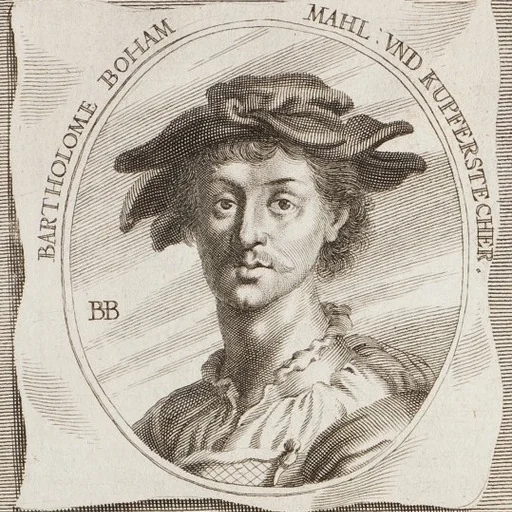

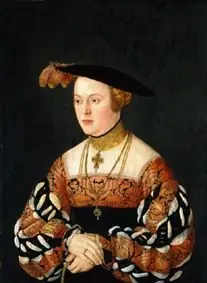 Portrait of Marie of Baden
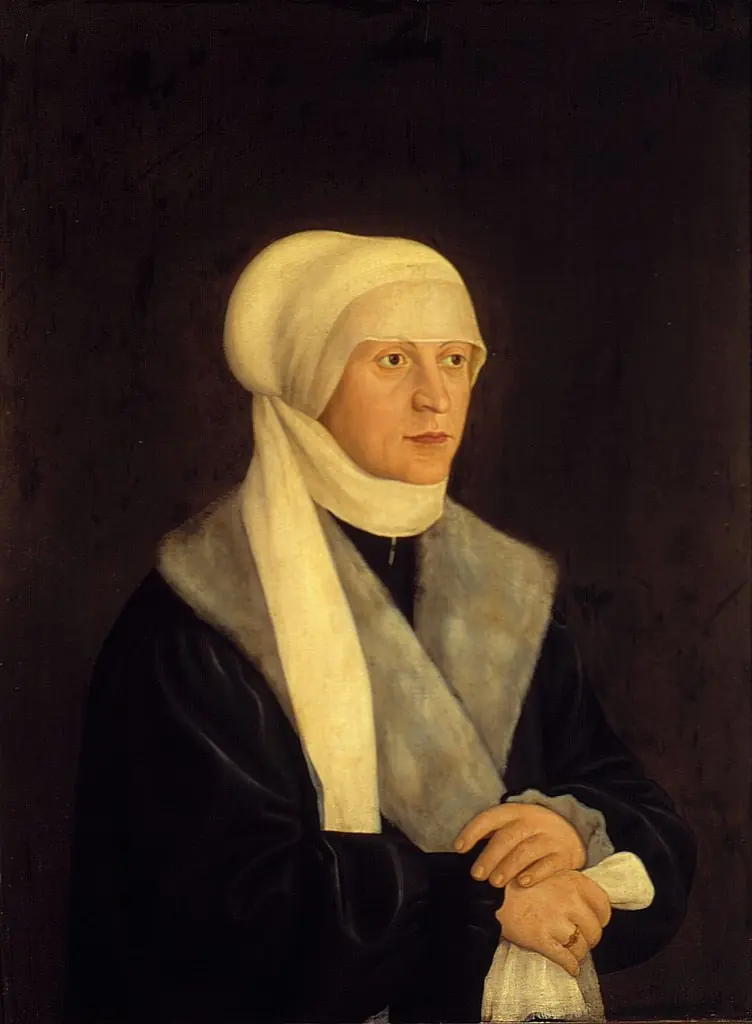 Portrait of Sabina of Bavaria
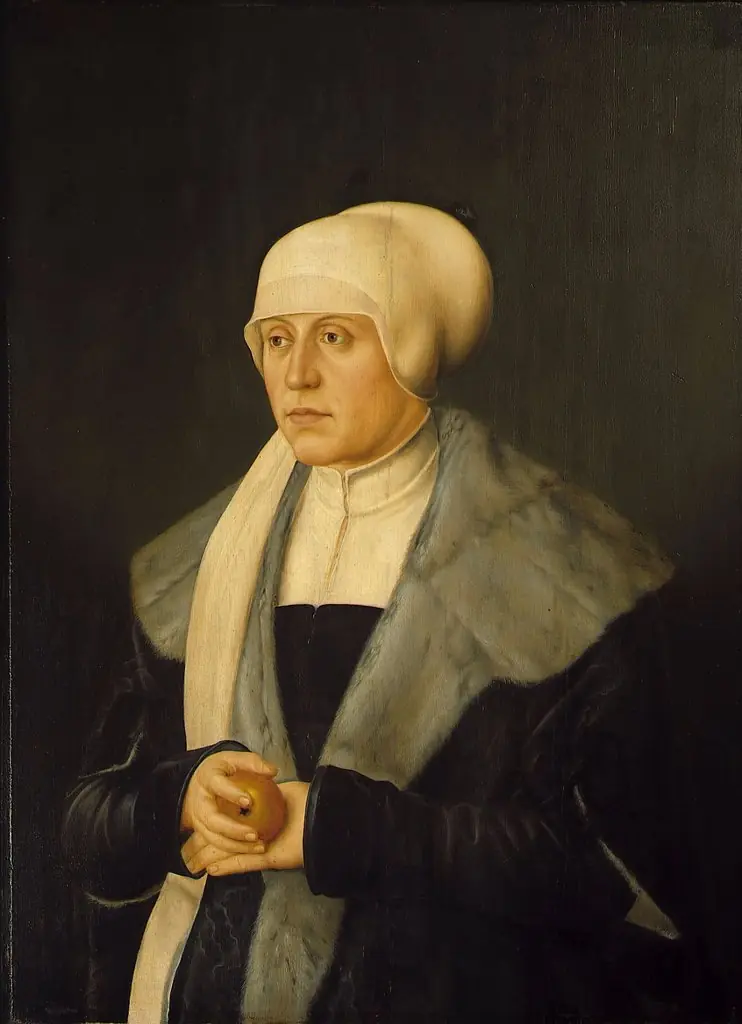 Kunigunde of Austria, wife of Duke Albrecht IV of Bavaria
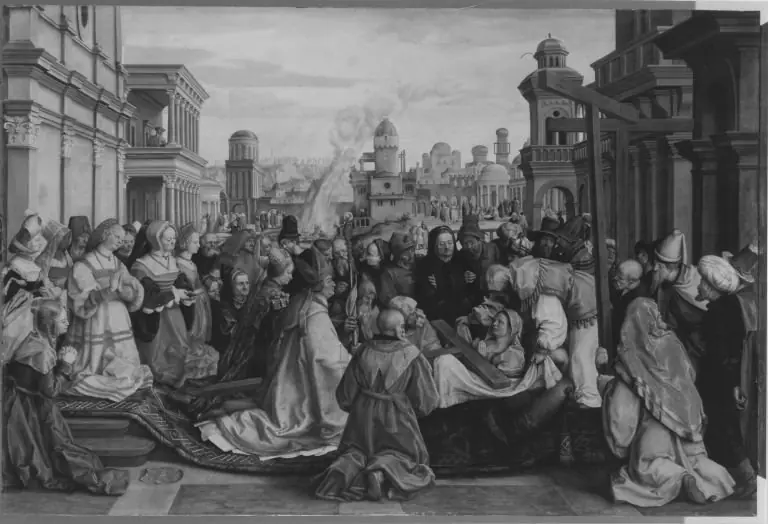 Historienzyklus: Kreuzauffindung der hl. Helena
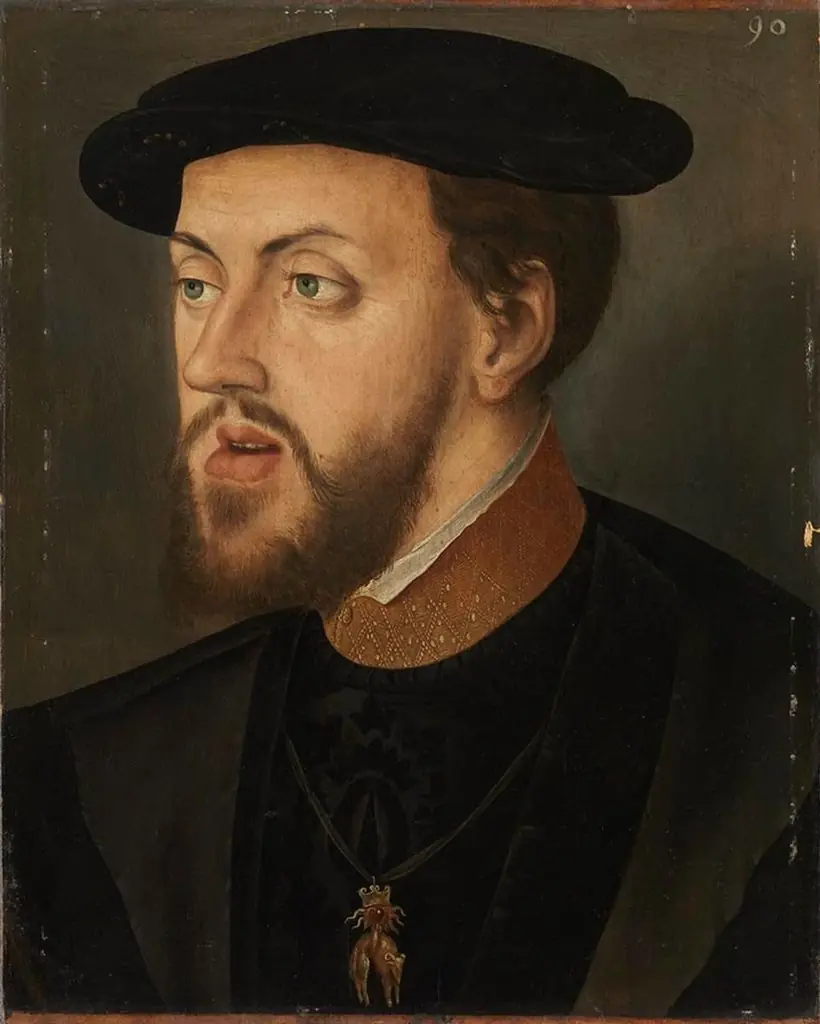 Emperor Charles V
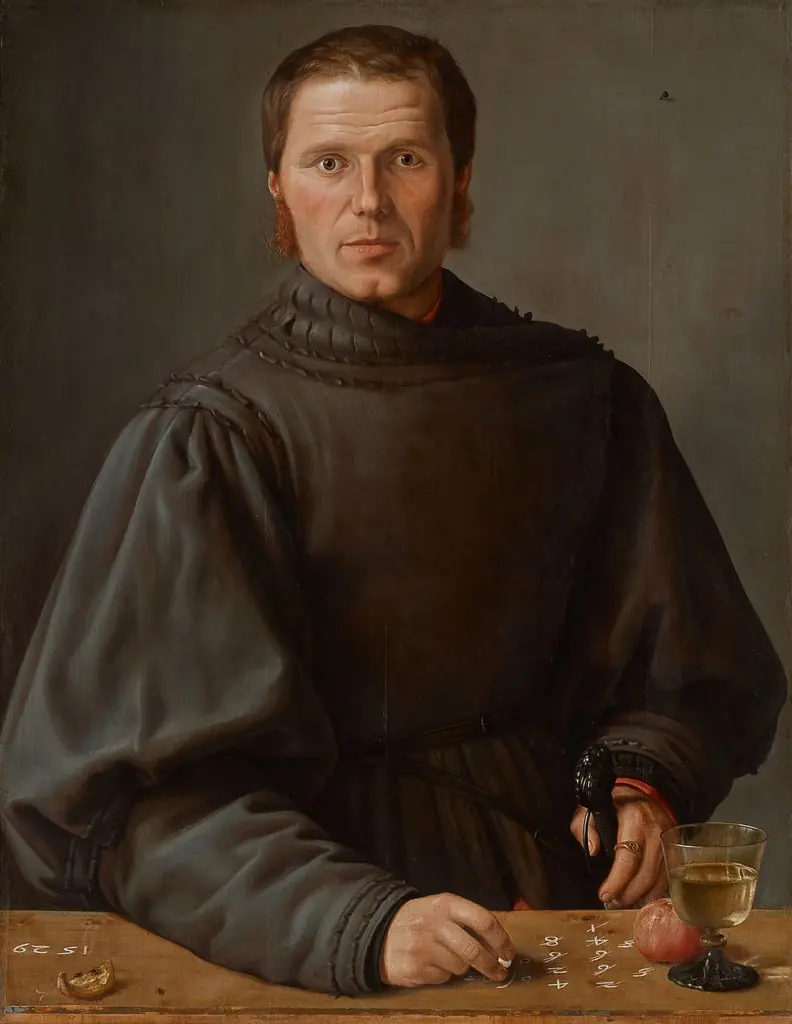 Portrait of a Man
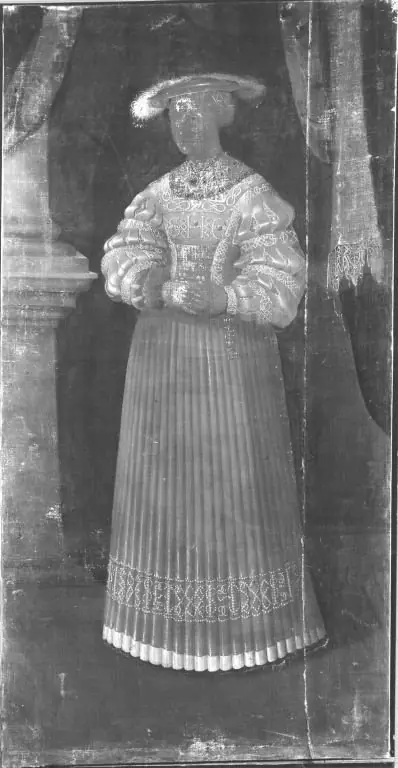 Susanna von Brandenburg, Gemahlin Ottheinrichs (Seitenverkehrte Kopie nach Inv.-Nr. 2450) (Kopie nach)
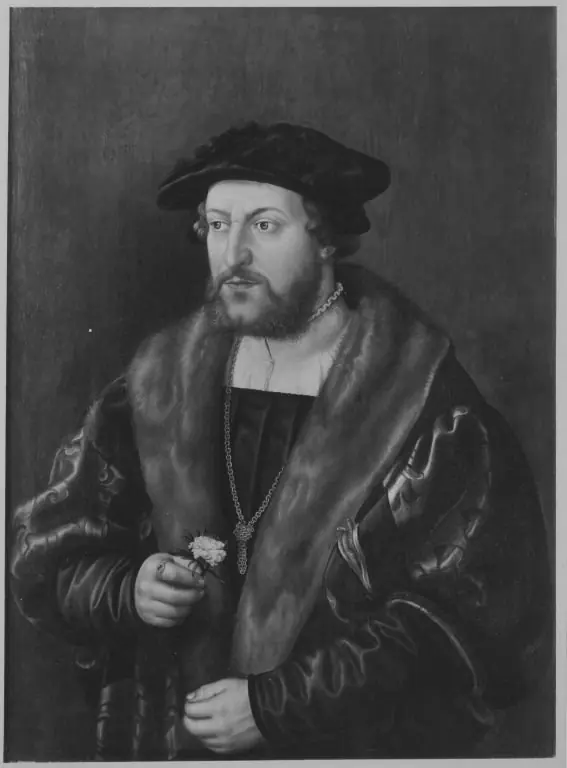 Portrait of Herzog Johann III, Paltzgraf bei Rhein (1488-1538)