Artwork
Mars
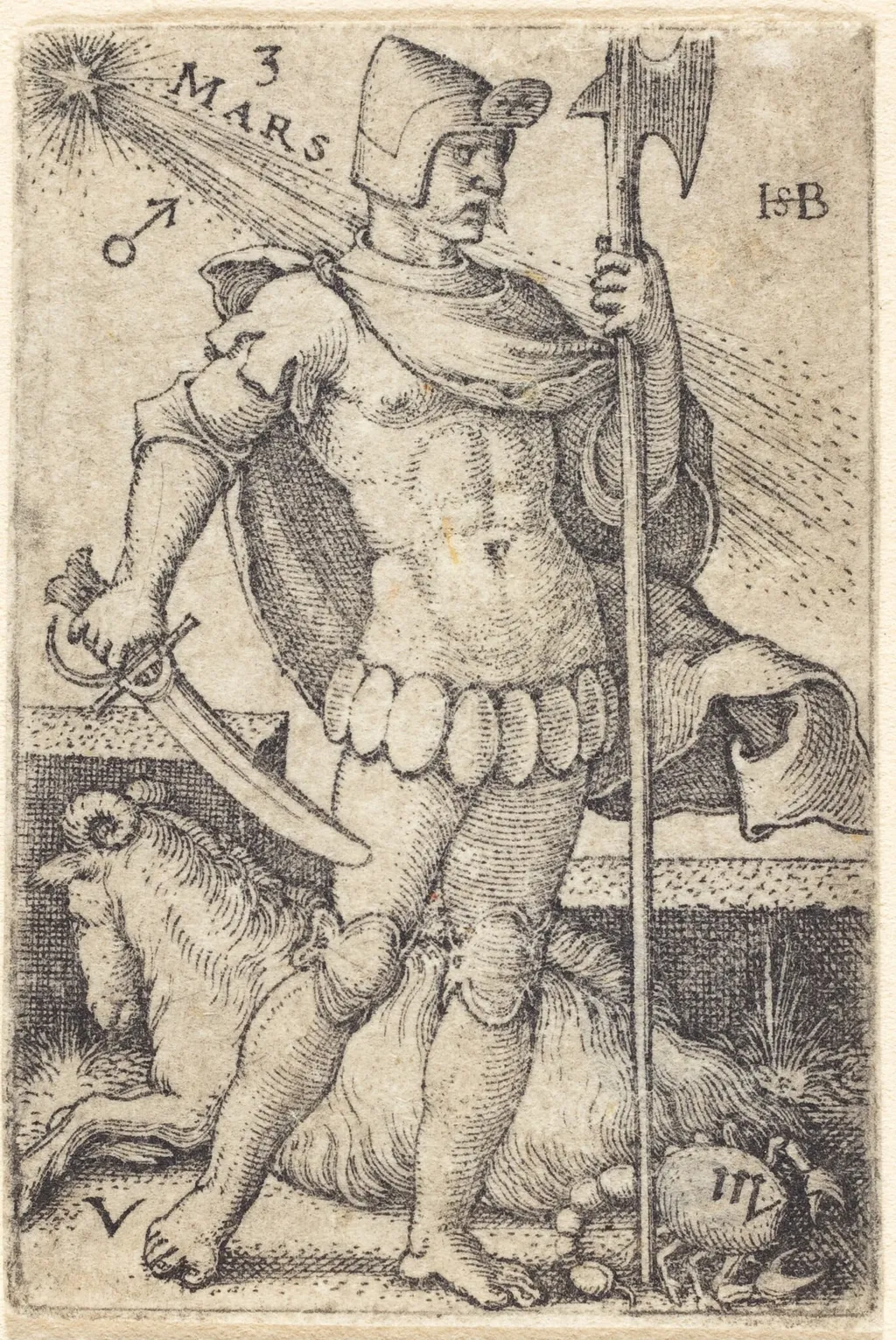
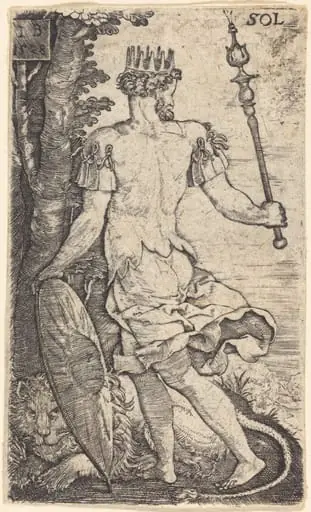
Mars is an ink print by the Renaissance artist Sebald Beham. It dates from 1539 and is held in the collection of the National Gallery of Art.
About this work
Overview
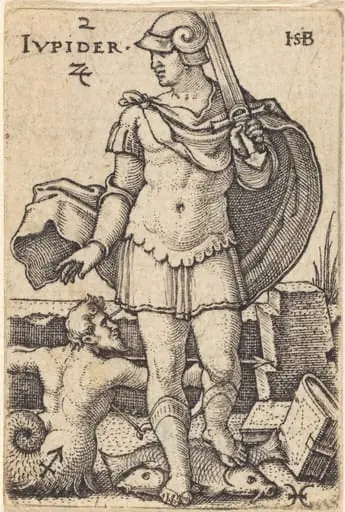
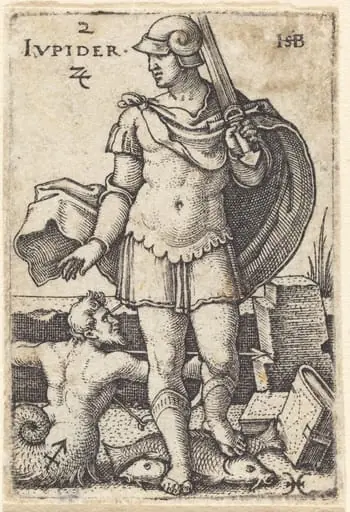
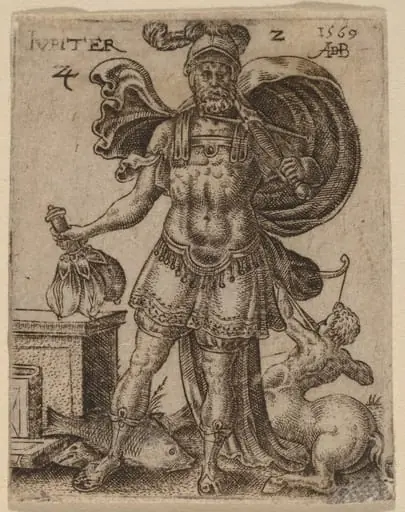
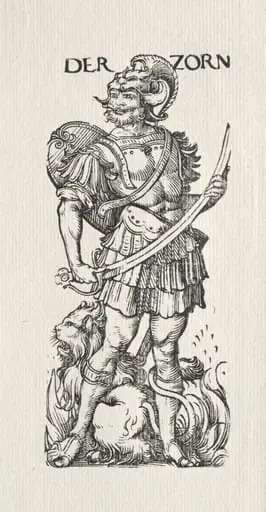
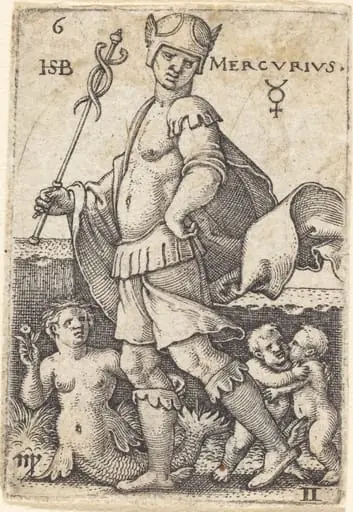
Sebald Beham’s 1539 engraving titled *Mars* presents a compact, meticulously rendered image of the Roman war deity. Executed on a copper plate, the print measures only a few inches across, reflecting the artist’s preference for diminutive compositions that were popular among collectors in the mid‑sixteenth century.
Subject & Meaning
The central figure is a heavily armored, muscular man bearing a spear and shield, identified by the inscription “MARS” and the planetary symbol above his head. He strides over a smaller, prone figure, a visual trope that emphasizes the god’s dominance and the triumph of martial power over defeat.
Technique & Style
Beham employs fine, incisive lines to delineate the intricate details of the armor and musculature, while cross‑hatching creates depth and a sense of solidity. The engraving’s miniature scale and precise rendering align it with the “Little Masters” aesthetic, a Germanic response to Dürer’s larger‑format prints.
History & Provenance
Born in Nuremberg, Beham was a prolific printmaker whose works circulated widely in the German market. The *Mars* plate was likely produced for the burgeoning print‑collecting public of the 1530s, and surviving impressions have appeared in several European collections, attesting to its continued appreciation.
Context
During the Reformation era, allegorical images of classical deities were frequently employed to convey moral or political ideas. Beham’s depiction of Mars, with its victorious stance over a vanquished figure, could be read as a commentary on the prevailing conflicts of his time, blending mythological subject matter with contemporary concerns.
Artist & collection
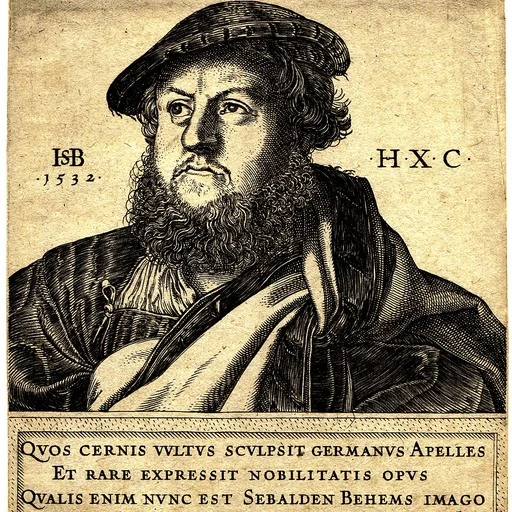
Artist
Sebald Beham (1500–1550) was a German painter and printmaker, mainly known for his very small engravings.