Artwork
Cimon and Pero (Roman Charity)
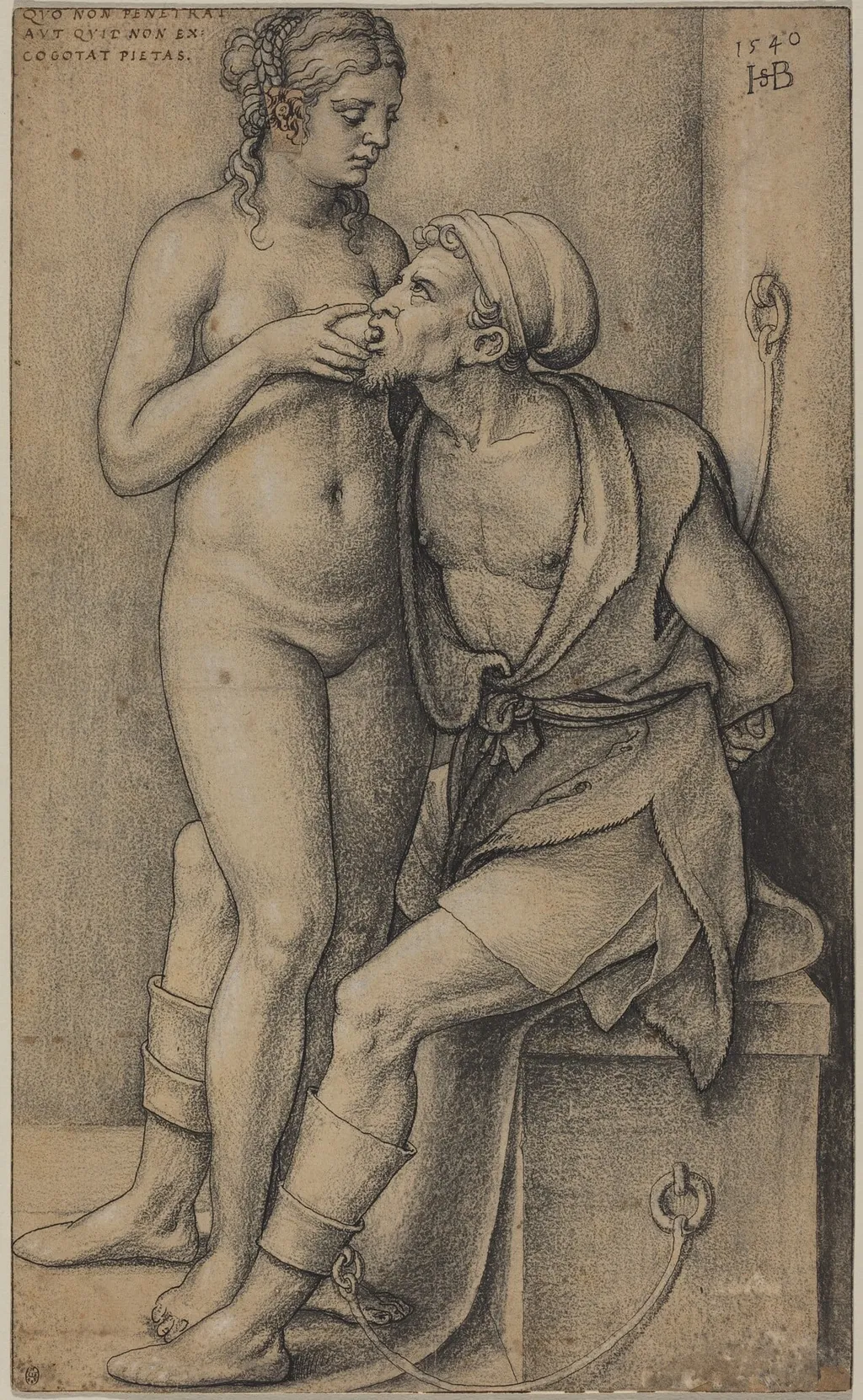
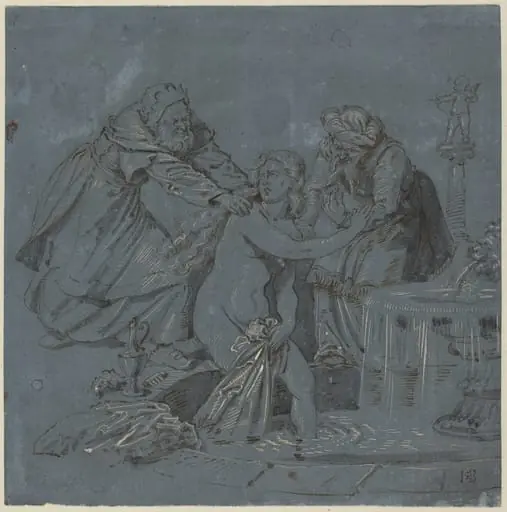
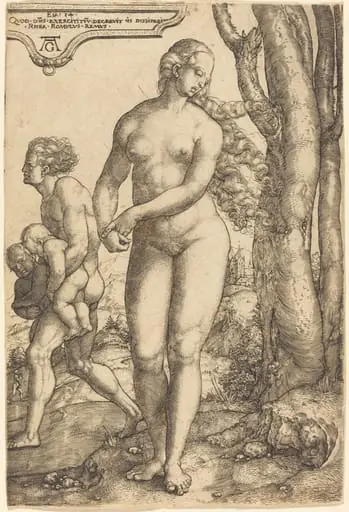
Cimon and Pero (Roman Charity) is an ink drawing by the Renaissance artist Sebald Beham. It dates from 1540 and is held in the collection of the National Gallery of Art.
About this work
Overview
Sebald Beham’s 1540 drawing, titled *Cimon and Pero (Roman Charity)*, is executed in pen and black ink with charcoal accents heightened in white on a sheet of heavy laid paper. The work measures only a few inches, reflecting the miniature scale typical of Beham’s graphic practice. Its subject derives from a classical anecdote of filial piety, rendered here with meticulous line work.
Subject & Meaning
The composition portrays the legendary act of Roman Charity: the young woman Pero, depicted nude‑torso and bent forward, offers sustenance to her imprisoned father Cimon, an elderly bearded figure slumped in a simple robe. Their intertwined hands and Pero’s gentle gesture convey a moment of compassionate care, emphasizing themes of familial duty and self‑sacrifice.
Technique & Style
The drawing’s crisp lines and careful rendering of hands and drapery exemplify the precision associated with the “Little Masters” of the German Renaissance.
Beham employs fine cross‑hatching to build tonal depth, especially in the folds of Cimon’s garment and the shadows on the figures’ bodies. Charcoal adds weight to the darker areas, while selective white heightening accentuates the highlights on skin and fabric. The drawing’s crisp lines and careful rendering of hands and drapery exemplify the precision associated with the “Little Masters” of the German Renaissance.
History & Provenance
Created while Beham was active in Nuremberg, the drawing belongs to a period when he produced numerous small‑scale prints and drawings for a market of collectors. After his relocation to Frankfurt later in his career, the work entered private collections before being acquired by a museum, where it remains part of the institution’s holdings on Renaissance graphic art.
Context
The Roman Charity motif was popular among Northern Renaissance artists, who used it to explore moral exempla and the human body in intimate settings. Beham’s rendition aligns with contemporary interests in classical antiquity and the didactic potential of mythological subjects, while also reflecting the technical virtuosity prized by his patrons.
Artist & collection
Artist
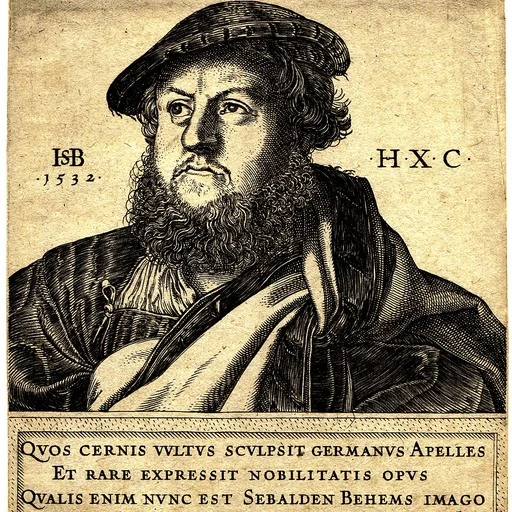
Sebald Beham (1500–1550) was a German painter and printmaker, mainly known for his very small engravings.