Artwork
The Adoration of the Magi
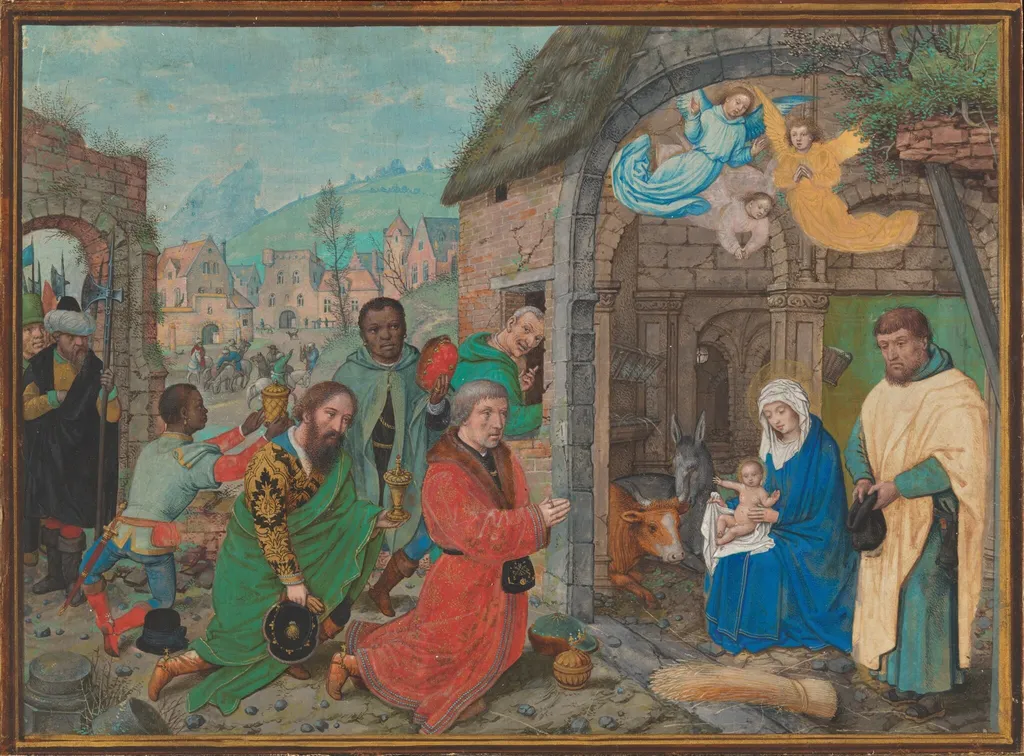
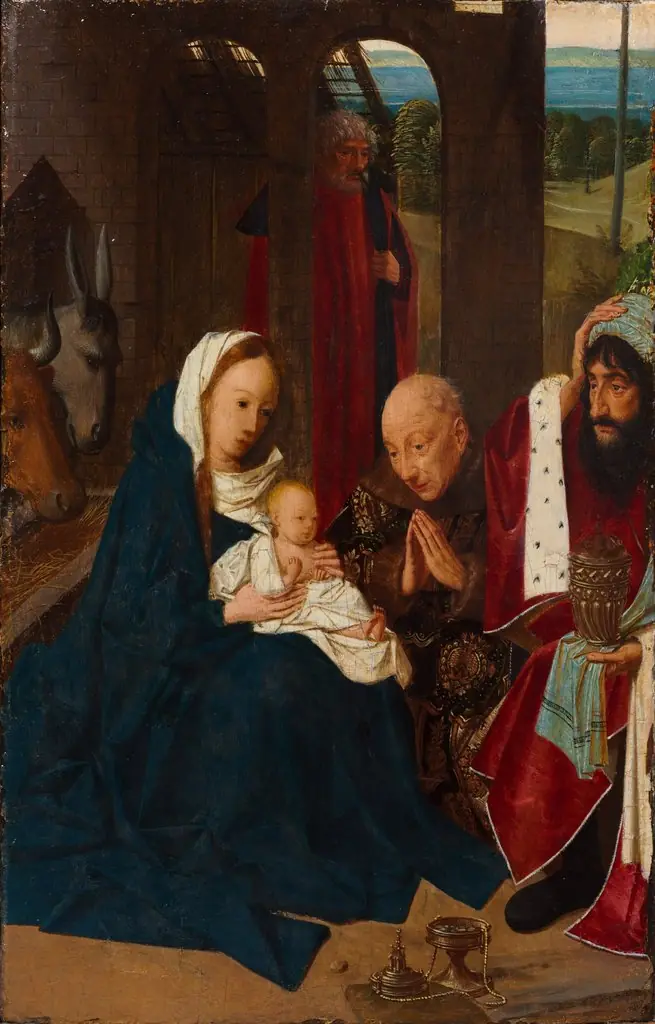
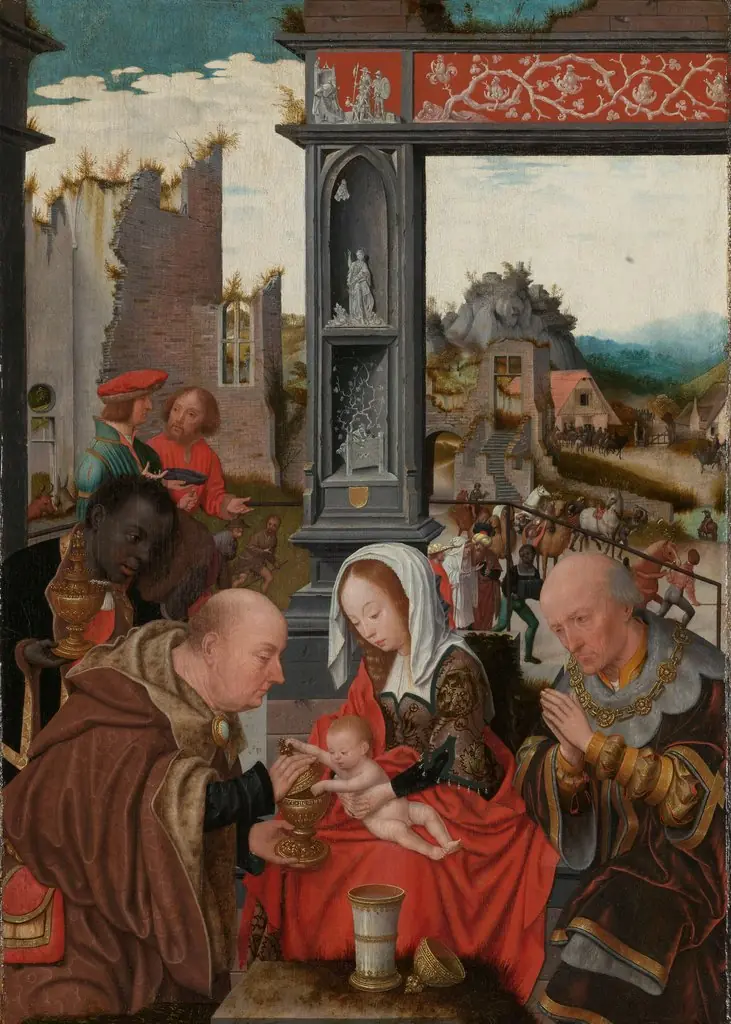
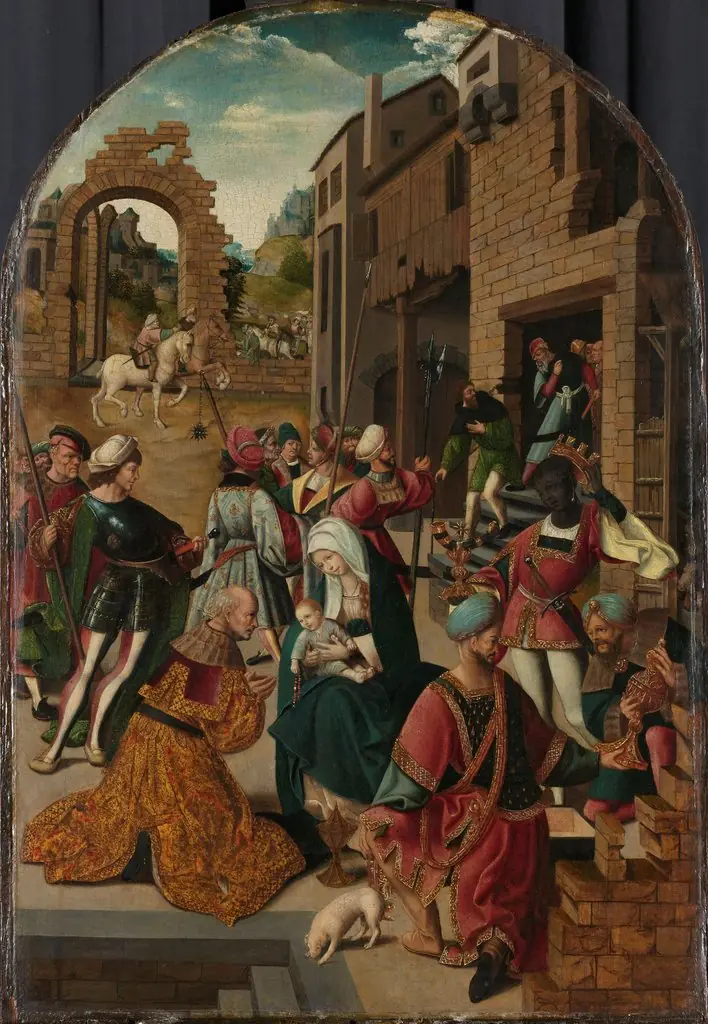
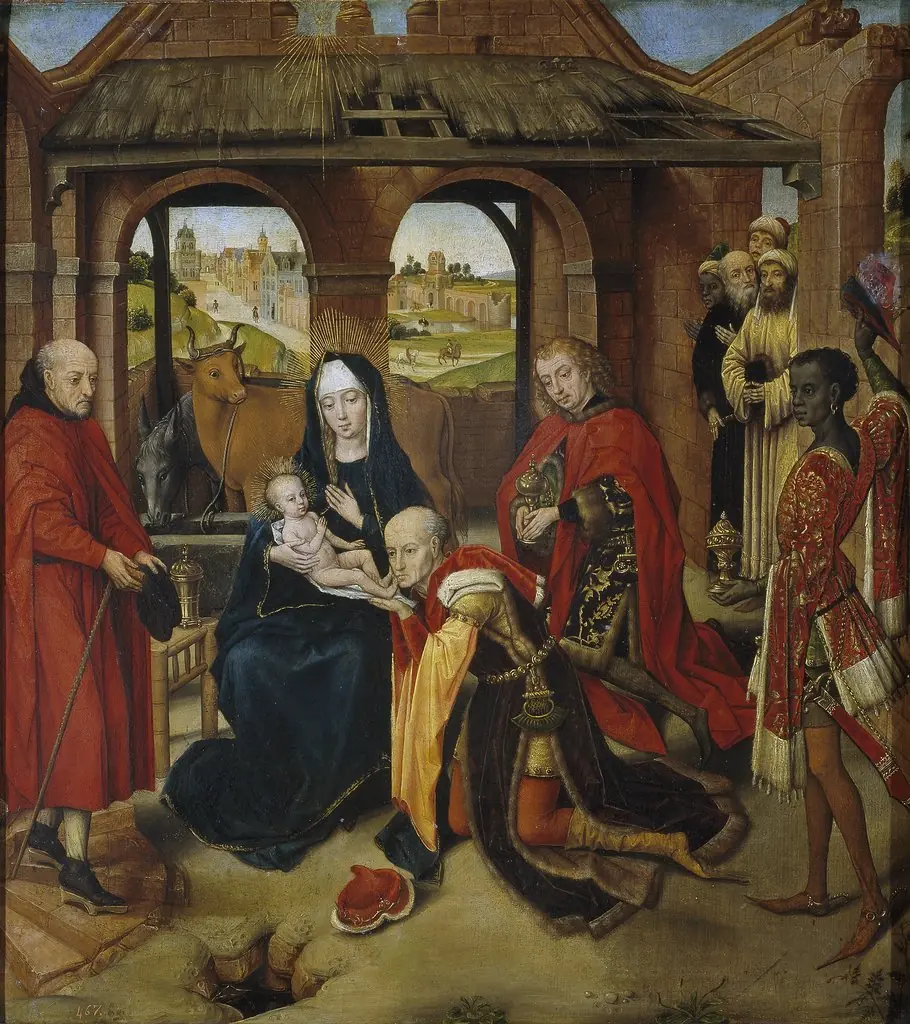
The Adoration of the Magi is a tempera drawing by the Renaissance artist Simon Bening. It dates from 1524 and is held in the collection of the National Gallery of Art.
About this work
Overview
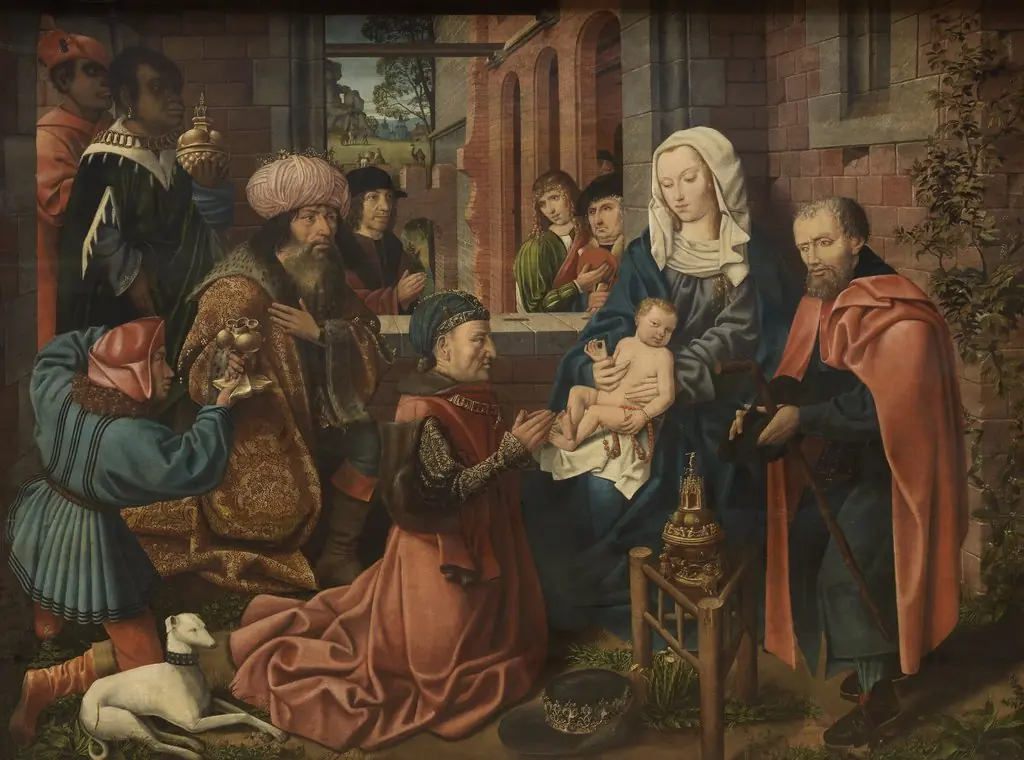
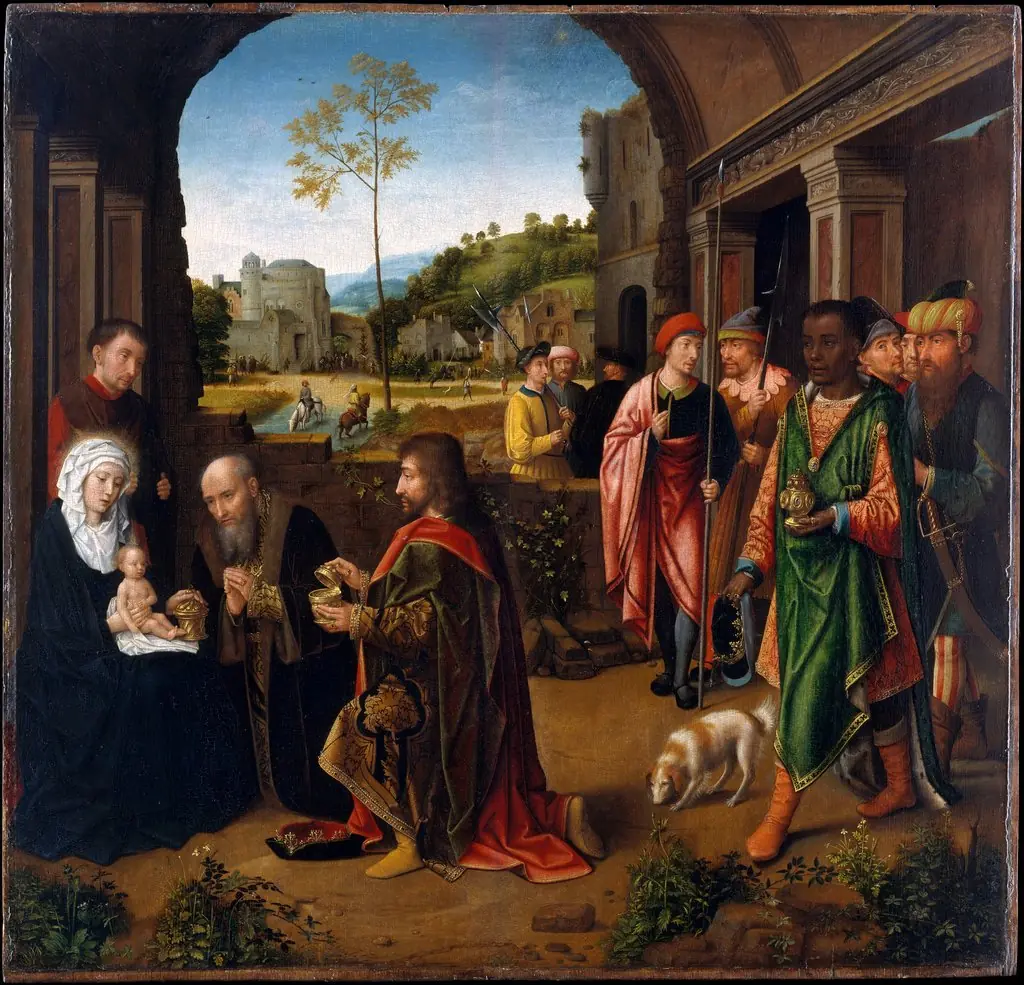
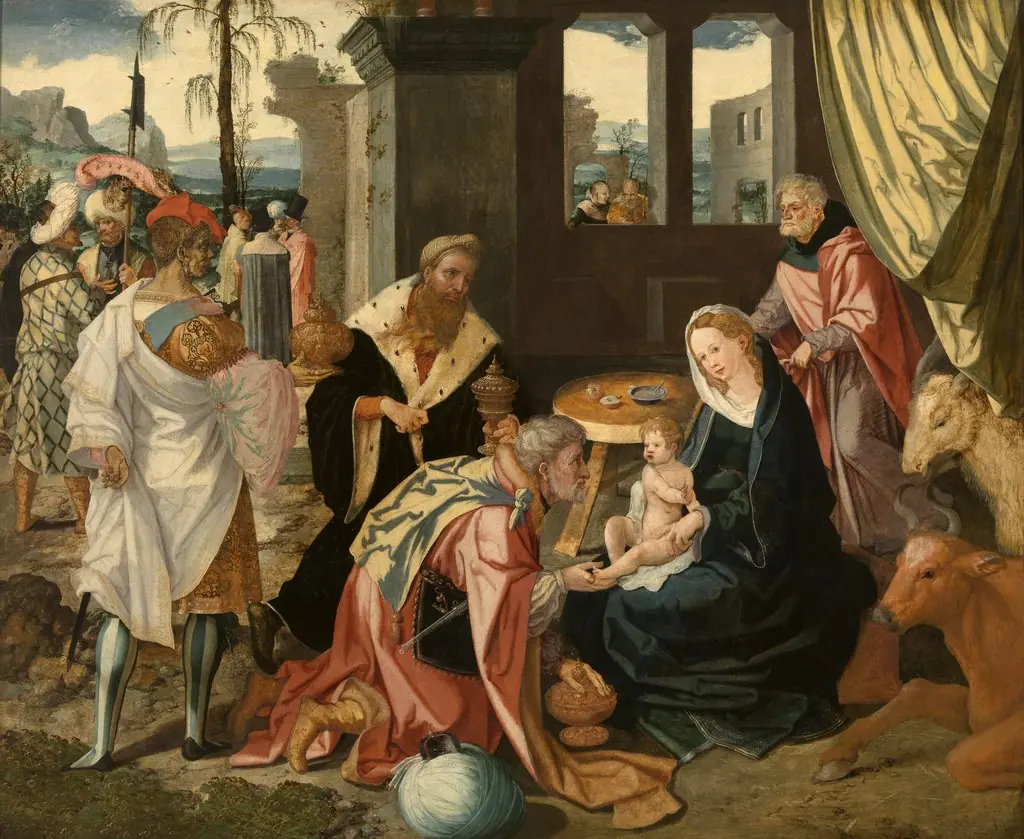
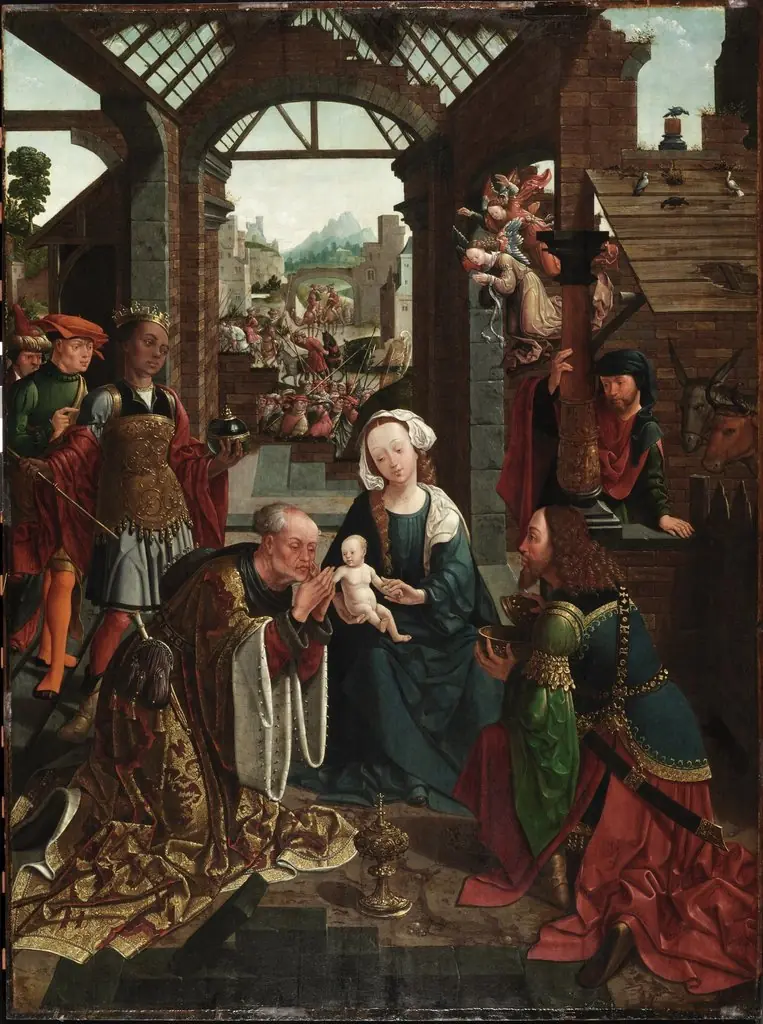
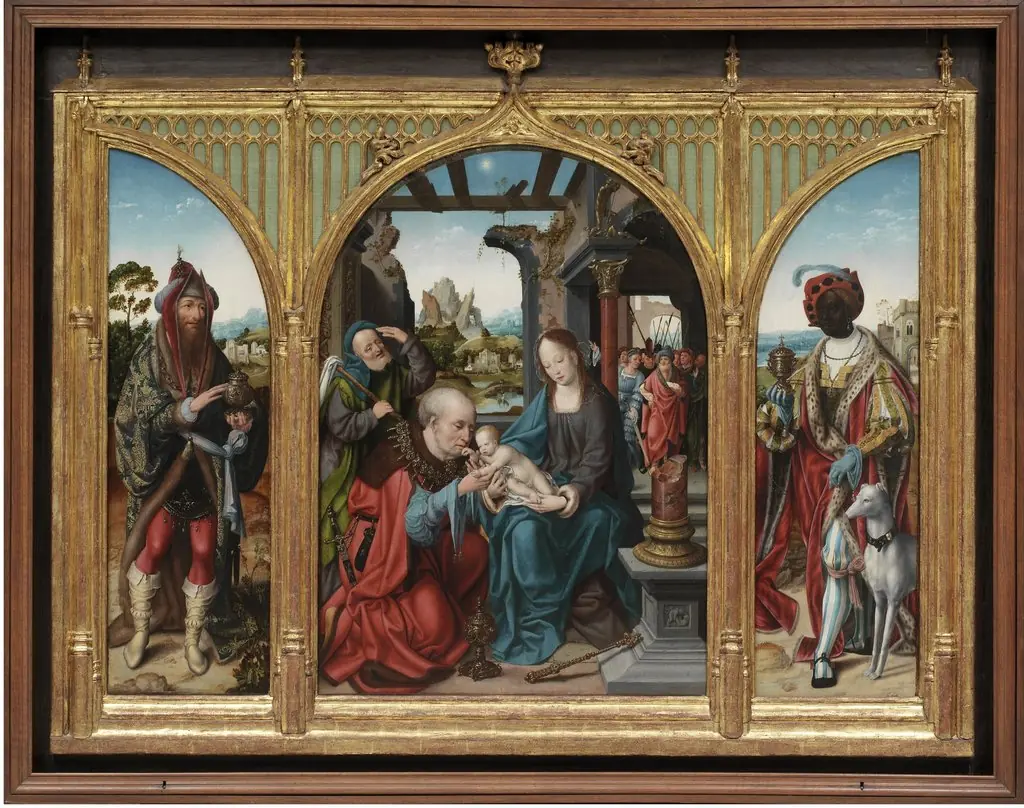
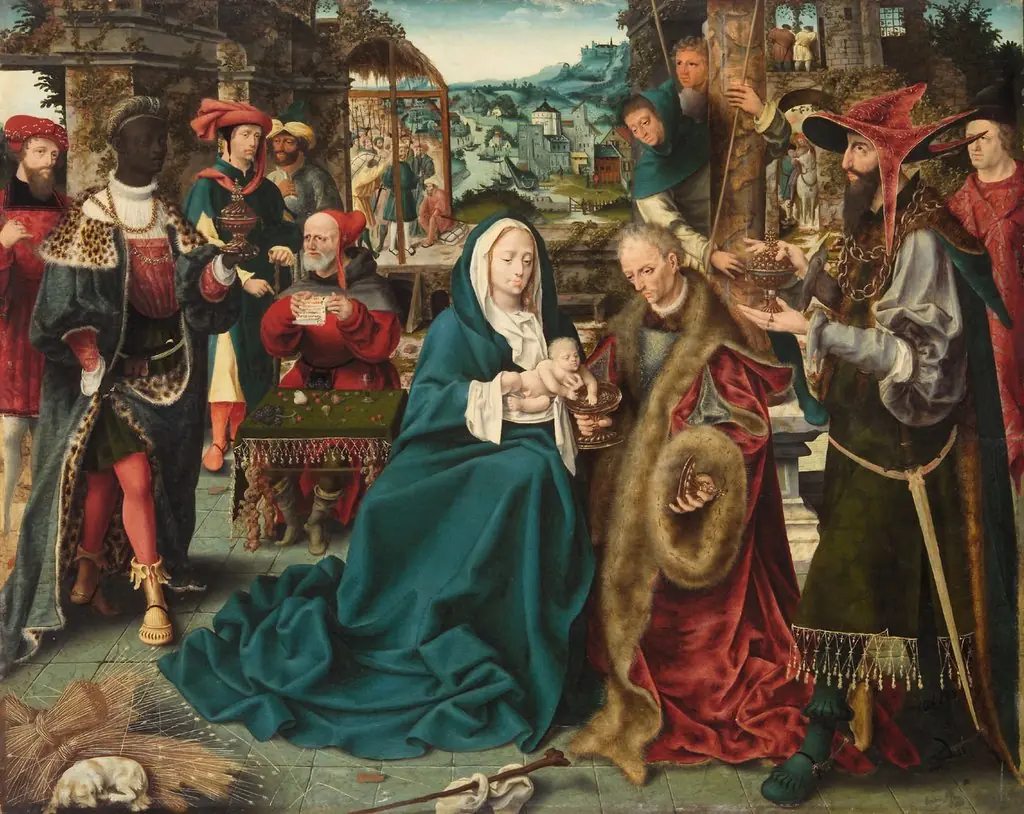
Simon Bening’s *Adoration of the Magi* (c. 1524) is a small-scale work executed in tempera with gold highlights on vellum, later affixed to a wooden panel. The drawing portrays the biblical episode in which the three Magi present their gifts to the infant Christ.
Technique & Style
Bening, a Flemish miniaturist active in the early sixteenth century, employed the delicate illumination methods typical of manuscript art. The use of gold leaf enhances the luminous quality of the scene, while the tempera medium allows for fine detail and rich coloration on the vellum support.
Subject & Meaning
The composition centers on the infant Jesus surrounded by the Magi, each bearing symbolic gifts that signify homage and the recognition of Christ’s divinity. The figures are arranged to emphasize the act of reverence and the theological theme of universal acknowledgment of the newborn savior.
Context
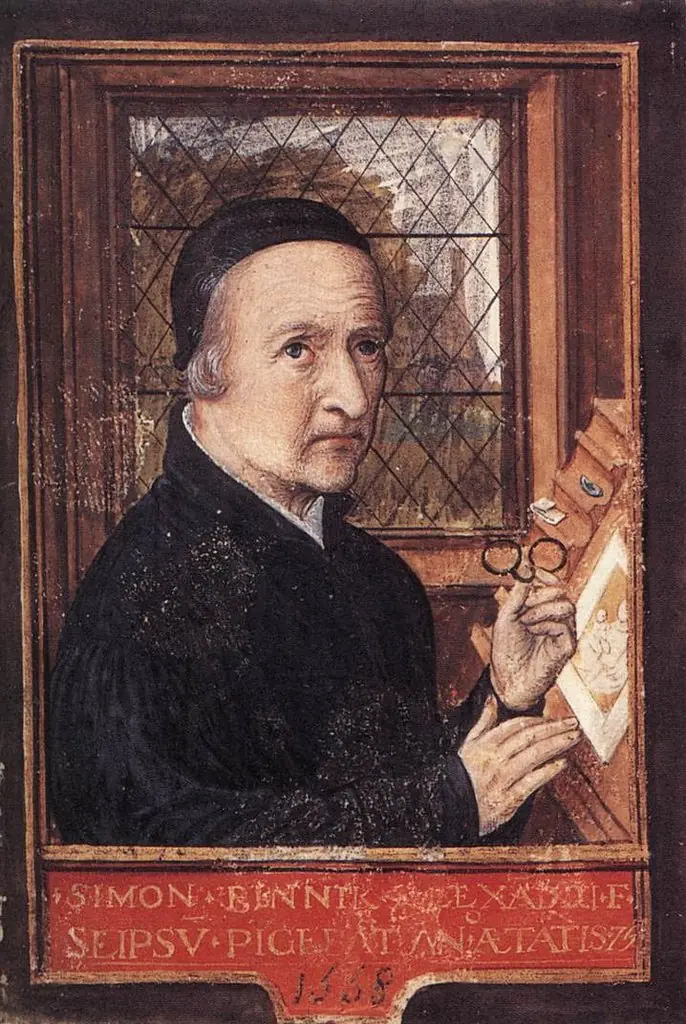
Born around 1483, Bening trained in his father Alexander’s workshop and later established himself in Bruges, joining the guild of Saint John and Saint Luke in 1508. His career reflects the waning period of Netherlandish manuscript illumination, marking him as one of the final prominent artists of that tradition.
History & Provenance
The drawing, originally a standalone illumination, was later mounted on wood for preservation. Its survival in this format provides insight into the practices of early sixteenth‑century Flemish artists who often transferred delicate works to sturdier supports.
Artist & collection
Artist
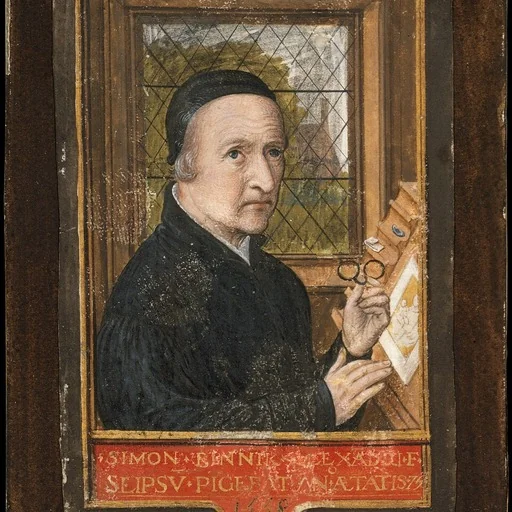
Simon Bening (c. 1483 – 1561) was a Flemish miniaturist, generally regarded as the last major artist of the Netherlandish tradition. Bening, born either in Ghent or Antwerp, was probably trained by his father,…