Artwork
The Adoration of the Magi
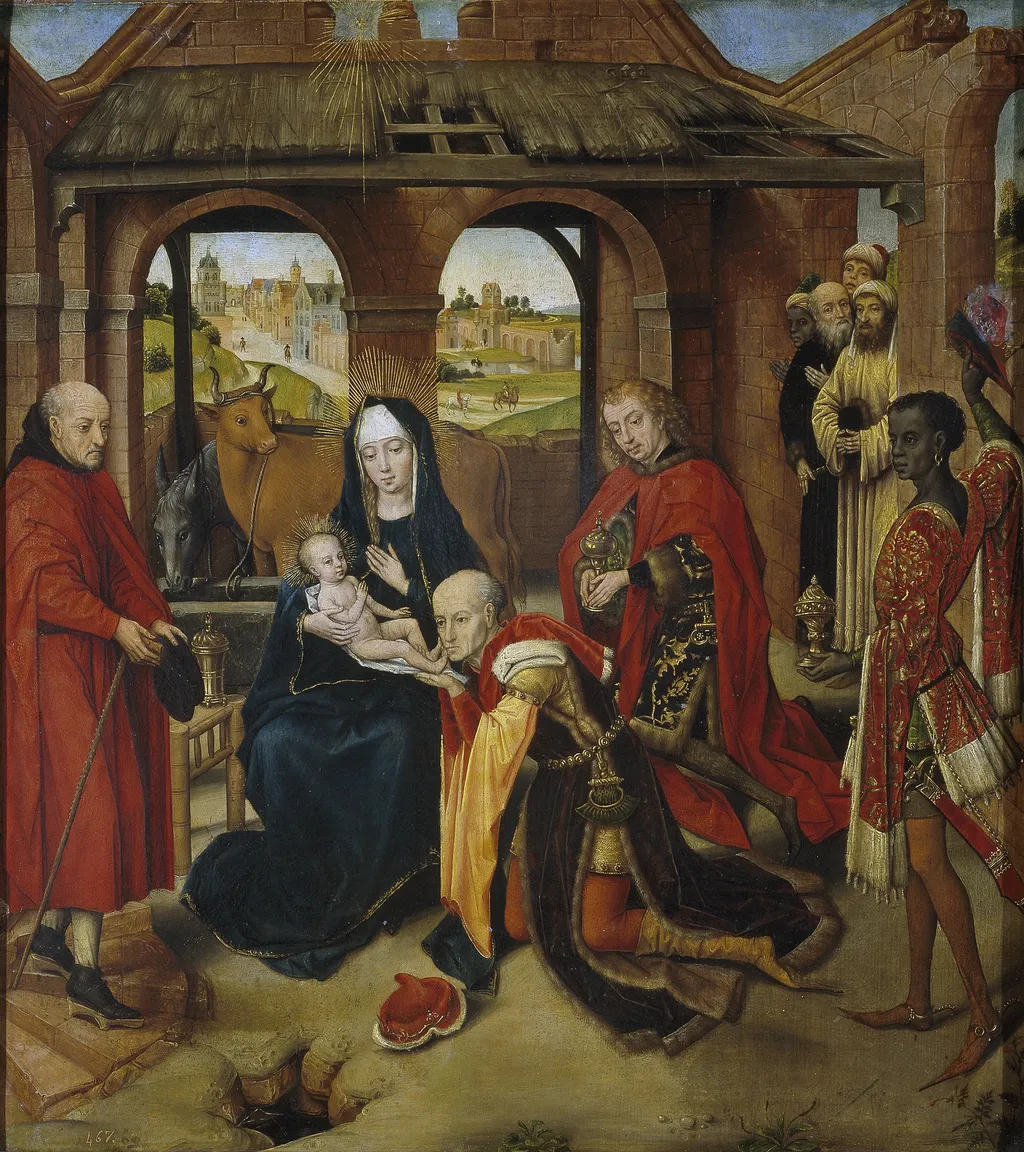
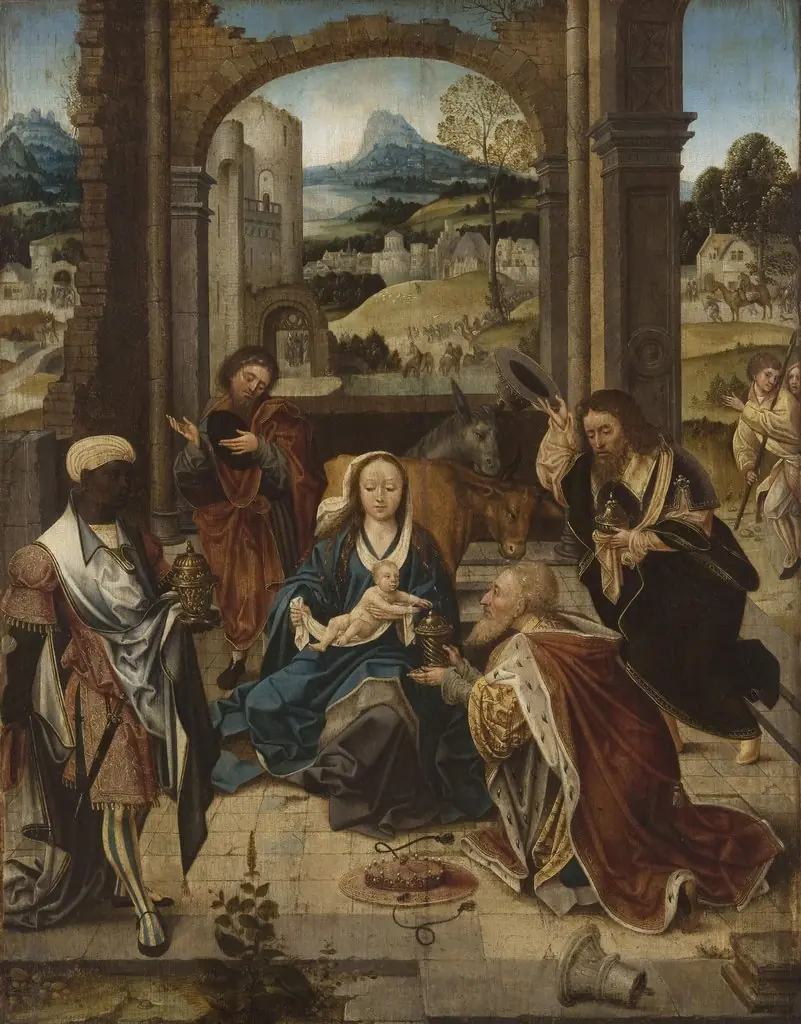
The Adoration of the Magi is an oil painting by the Northern Renaissance artist Master of the Prado "Adoration of the Magi". It dates from 1460 and is held in the collection of the Museo del Prado. Created around 1460, this oil on panel portrays the biblical episode of the Magi’s homage to the infant Jesus.
About this work
Overview
Created around 1460, this oil on panel portrays the biblical episode of the Magi’s homage to the infant Jesus. Executed by the anonymous figure known as the Master of the Prado “Adoration of the Magi,” the work belongs to the Northern Renaissance tradition and is part of the collection of the Museo del Prado in Madrid.
Subject & Meaning
The composition centers on a woman cradling the Christ Child, whose presence is emphasized by a subtle golden halo. Three richly dressed figures in red kneel or stand nearby, offering gifts, while two attendants with staffs flank the group. The inclusion of an ox and a distant castle archway references traditional iconography associated with the nativity narrative.
Technique & Style
The painter employs a luminous palette of deep reds, blues, and golds, creating a bright foreground that recedes into shadowed corners. Fine modeling of fabrics and the delicate handling of light on the infant’s skin reflect the meticulous detail characteristic of Northern Renaissance oil techniques.
History & Provenance
Attributed to the Master of the Prado “Adoration of the Magi,” the work has been documented in the museum’s holdings since the 19th century. Its provenance traces back to private collections in the Iberian Peninsula before entering the national collection of the Prado, where it remains on display.
Context
During the mid‑15th century, the Northern Renaissance saw a heightened interest in naturalistic detail and complex iconography. This painting exemplifies those trends, integrating a richly textured interior space with symbolic elements such as the ox and the distant fortress, which convey both theological and worldly dimensions of the adoration scene.
Own this work as a print
Artist & collection

Artist
Master of the Prado "Adoration of the Magi"
Master of the Prado "Adoration of the Magi" (1470–1480) was an artist.

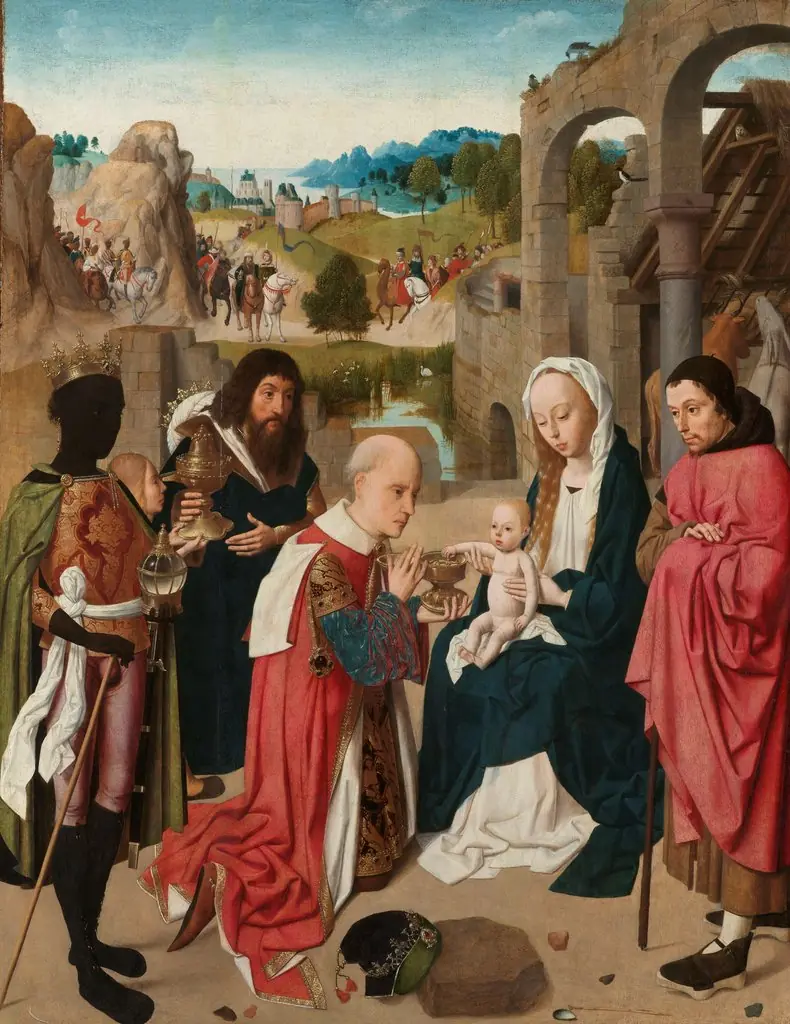 The Adoration of the Magi
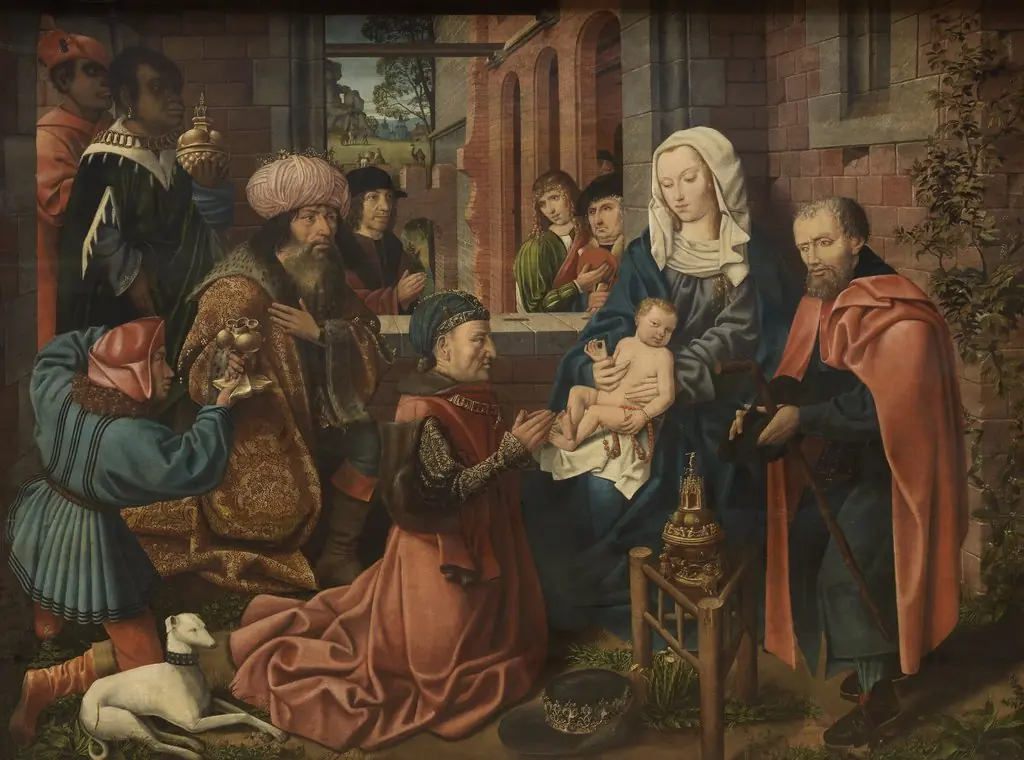 The Adoration of the Magi
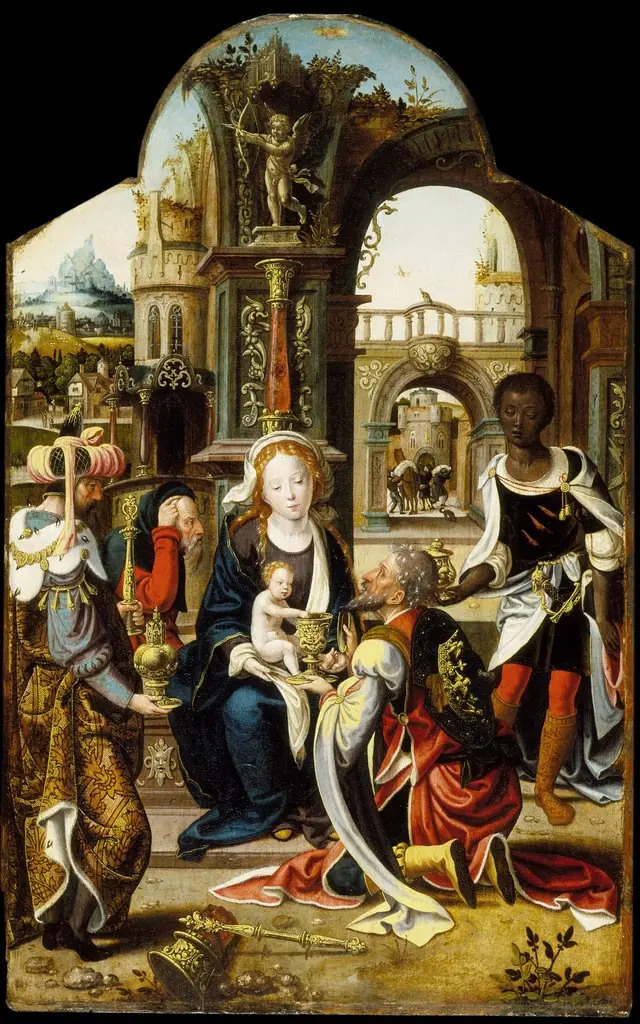 The Adoration of the Magi
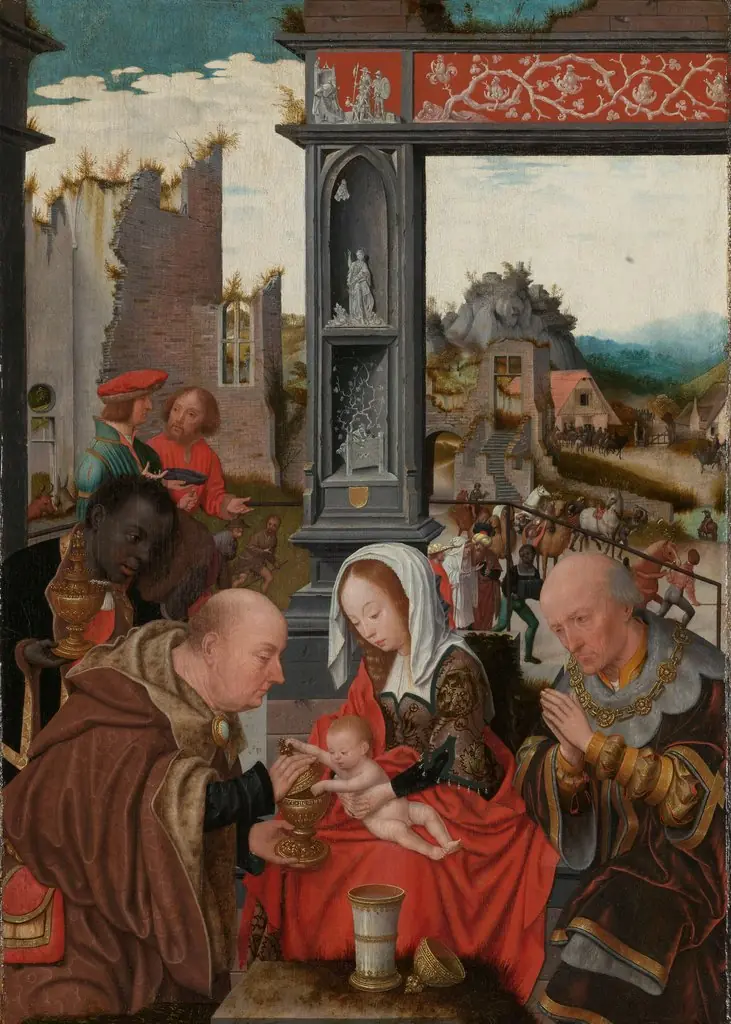 The Adoration of the Magi
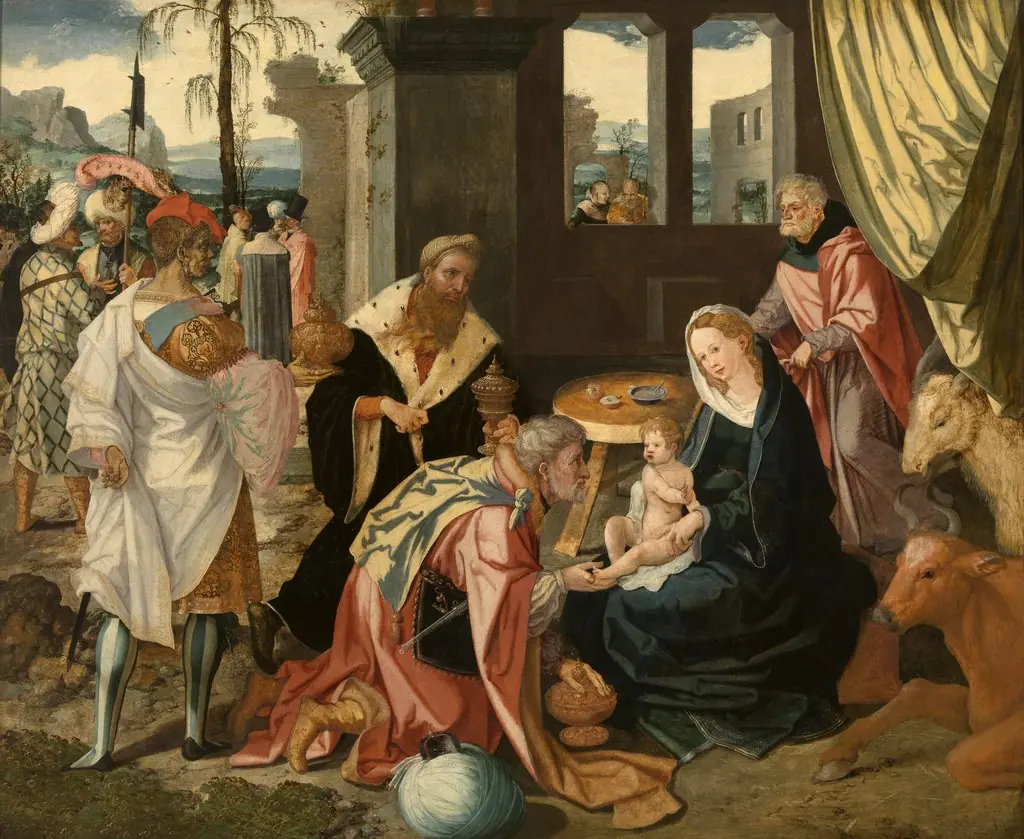 The Adoration of the Magi
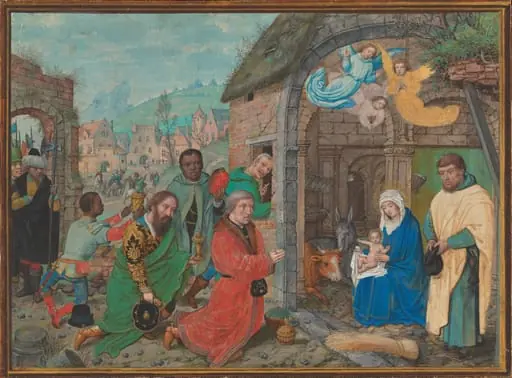 The Adoration of the Magi
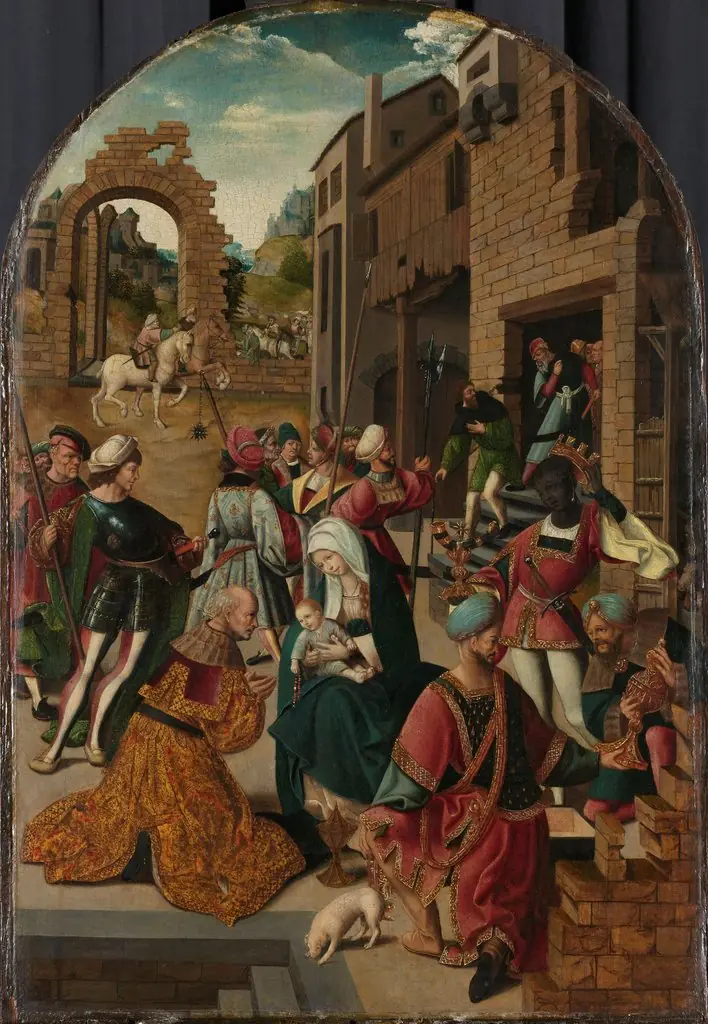 The adoration of the magi
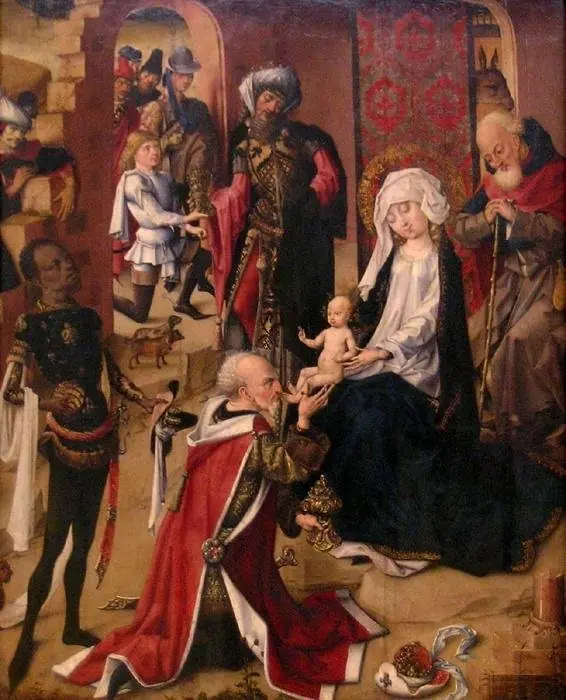 The Adoration of the Magi
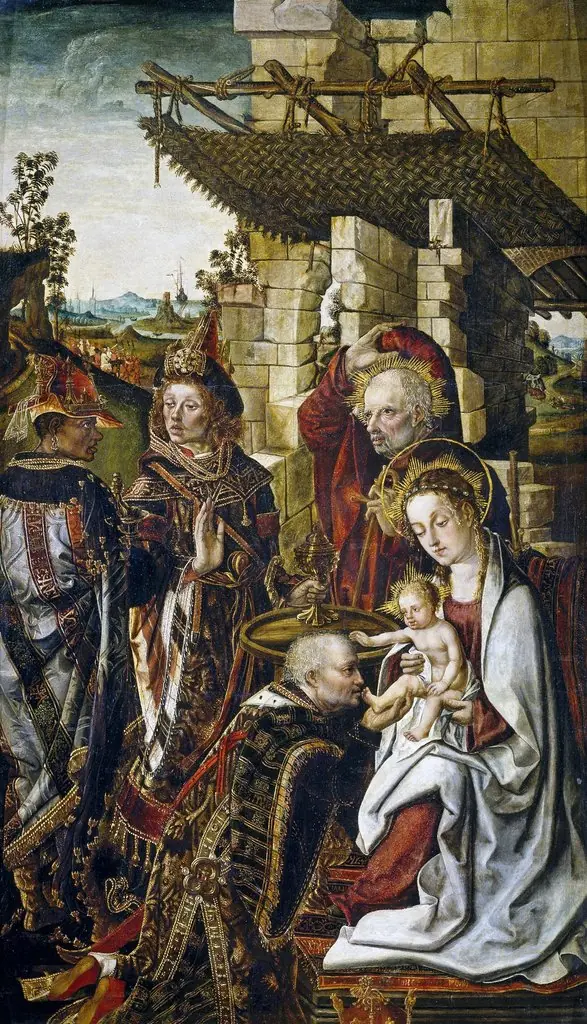 The Adoration of the Magi
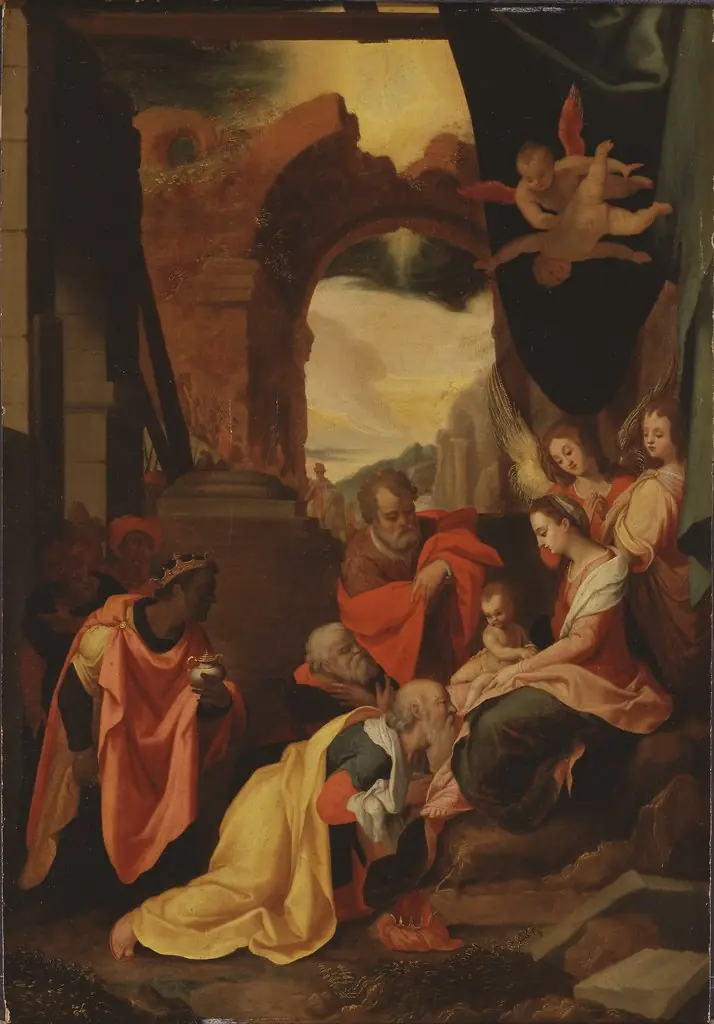 The Adoration of the Magi
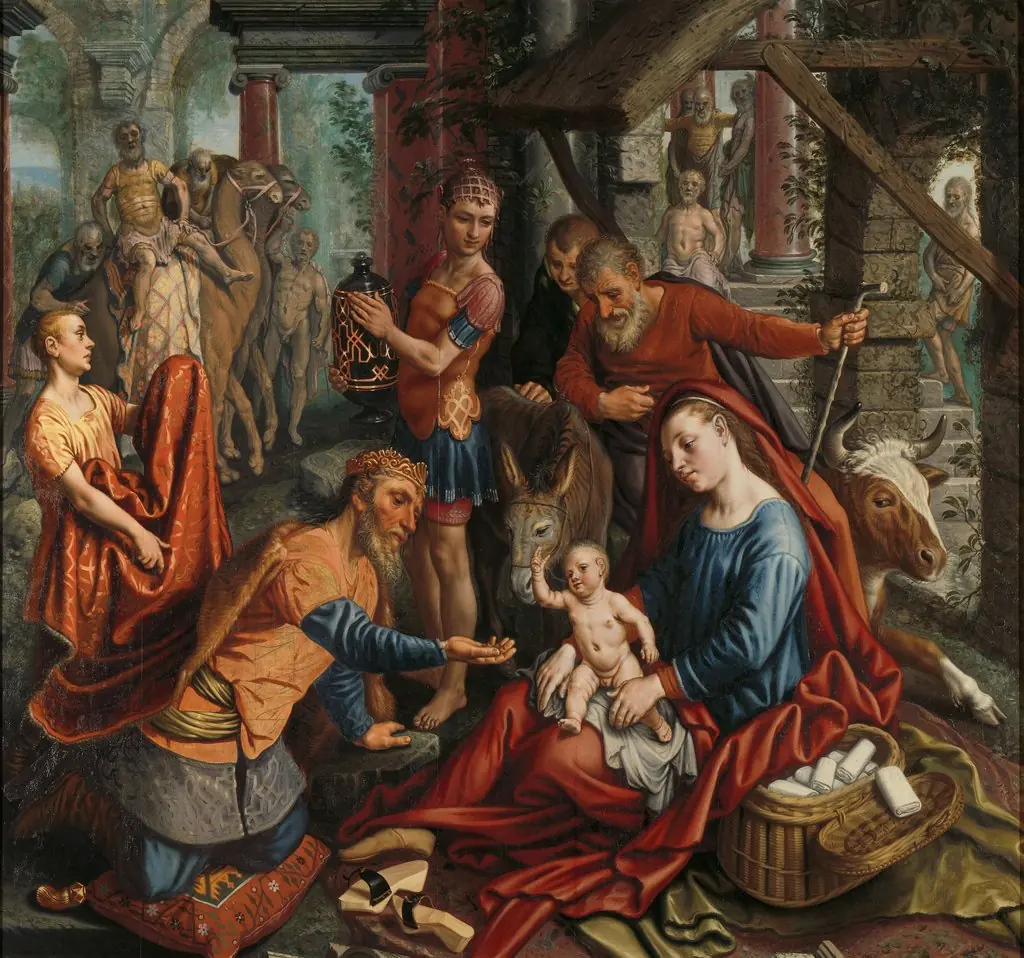 The Adoration of the Magi
 The Adoration of the Magi