Artwork
The sigh of the Moor
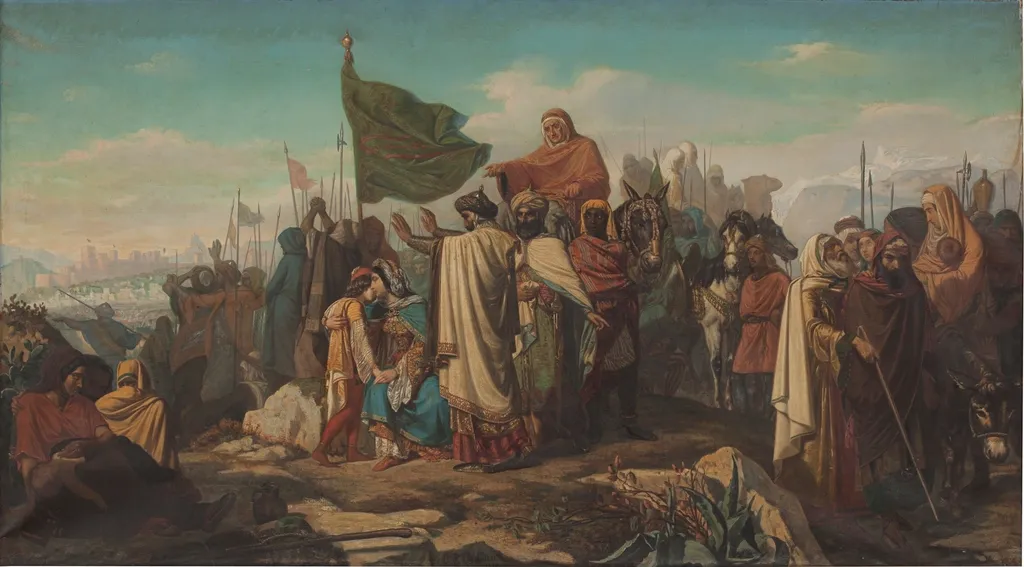
The sigh of the Moor is an oil painting by Benito Soriano Murillo. It dates from 1856 and is held in the collection of the Museo del Prado.
About this work
Overview
Painted in 1856 by Benito Soriano Murillo, this oil on canvas work captures a moment of communal tension among a group of figures in traditional dress.
Painted in 1856 by Benito Soriano Murillo, this oil on canvas work captures a moment of communal tension among a group of figures in traditional dress. It resides in the Museo del Prado in Madrid, where it is noted for its emotional gravity and theatrical composition. The scene unfolds against a backdrop of distant mountains and a clear sky, anchoring the figures in a landscape that suggests both isolation and historical weight.
Subject & Meaning
The painting portrays a gathering centered on a single individual, likely a Moorish figure, surrounded by others in expressive postures. The waving green flag may allude to Islamic symbolism, while the group’s attire and gestures evoke a sense of collective sorrow or protest. The title, 'The Sigh of the Moor,' implies a quiet lament, possibly reflecting 19th-century romanticized views of Muslim Spain’s decline and cultural loss.
Technique & Style
Soriano Murillo employs chiaroscuro to model forms with strong contrasts between light and shadow, emphasizing the folds of fabric and the contours of faces. His brushwork is deliberate, rendering textures in robes and turbans with precision. The composition directs attention toward the central figure through diagonal lines and dynamic positioning, while the palette—earthy tones against a bright sky—enhances the scene’s emotional resonance without overt sentimentality.
History & Provenance
The painting entered the Museo del Prado’s collection shortly after its completion in 1856. It was likely acquired as part of a broader 19th-century interest in historical and orientalist themes. Its provenance remains largely unaltered since acquisition, with no record of public exhibition beyond the museum’s permanent holdings. Documentation from the period confirms its attribution to Soriano Murillo without dispute.
Context
Created during a period of renewed Spanish fascination with its Andalusian past, the work reflects romanticized narratives of Muslim heritage in a post-Reconquista context. While not a historical record, it engages with contemporary literary and artistic trends that idealized the Moorish presence as noble and tragic. The painting’s emotional tone aligns with broader European orientalist currents, though it avoids exoticism through its restrained composition.
Legacy
Though not widely reproduced or studied outside Spain, the painting remains a quiet example of mid-19th-century Spanish historical genre painting. It contributes to the understanding of how Spanish artists engaged with their multicultural past during a time of national identity formation. Its presence in the Prado ensures continued access for scholars examining regional interpretations of orientalism and memory.
Artist & collection

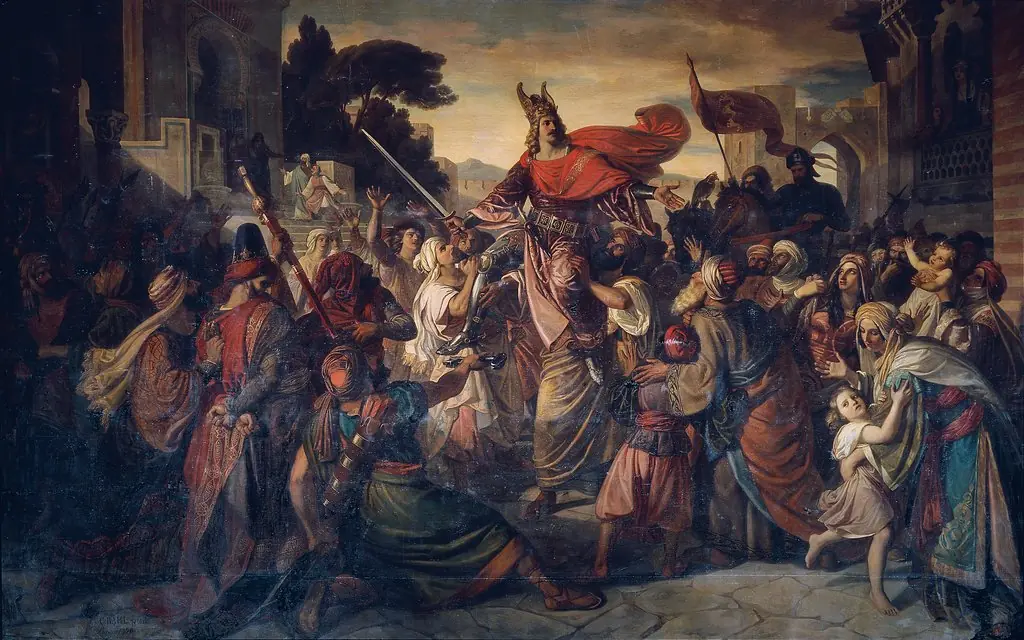 Der Empfang Manfreds (1231–1266) bei den Sarazenen in Luceria im Jahre 1254
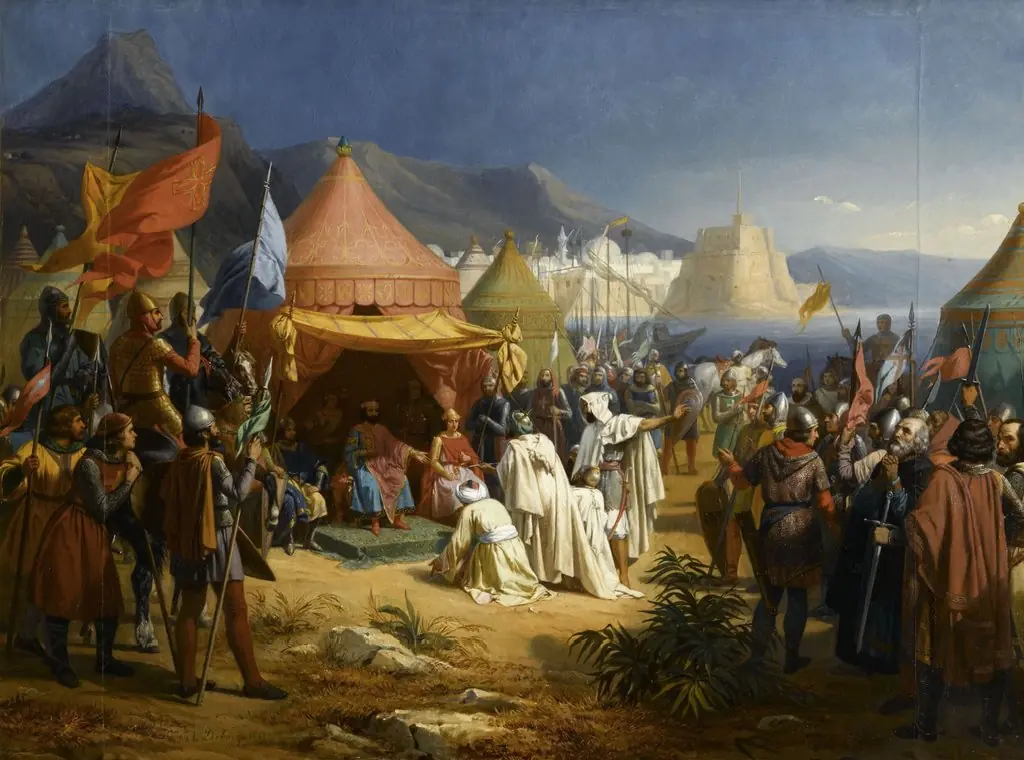 Conquest of Tripoli
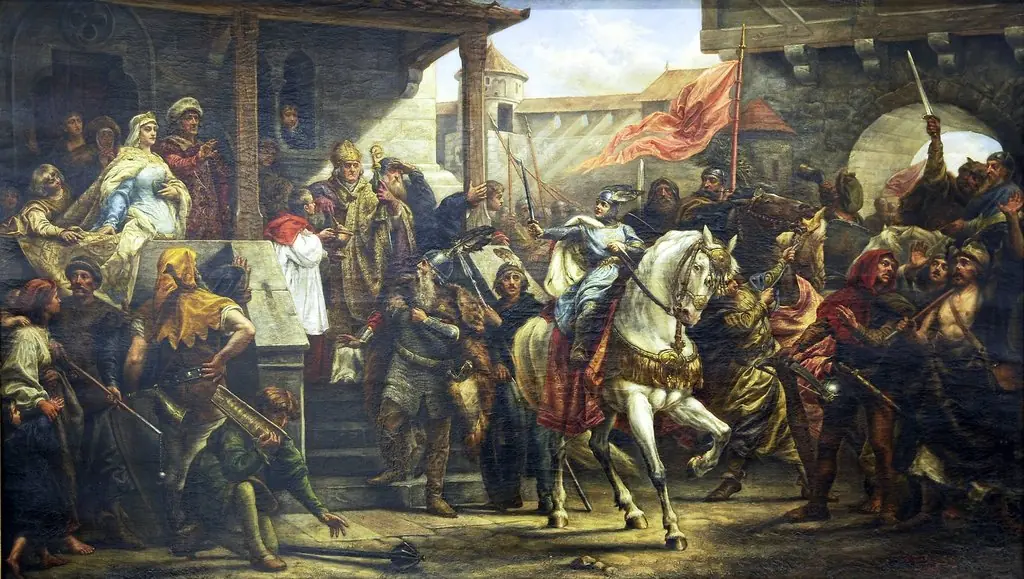 Władysław Herman blesses Bolesław the Wry-Mouthed before a war campaign
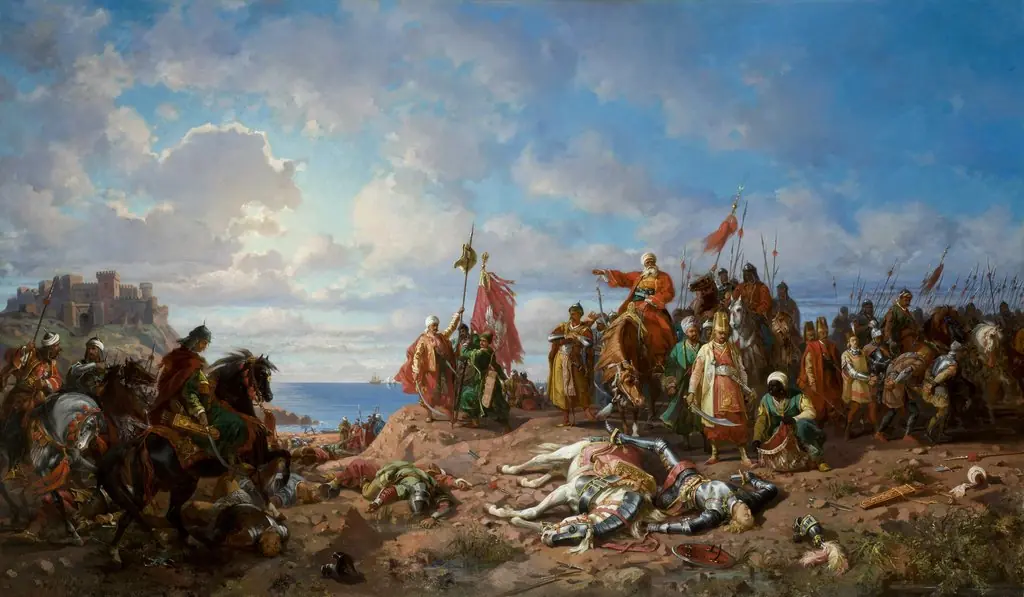 Death of Władysław Jagiellon near Varna
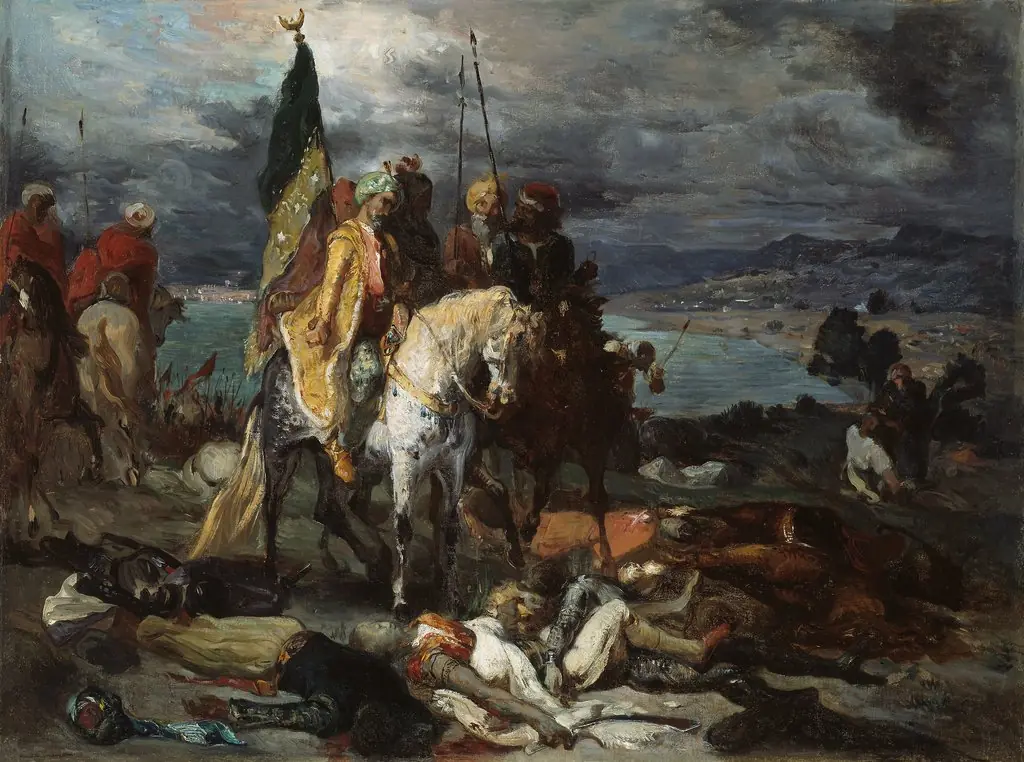 Saracens and Crusaders
 Συνθηκολόγηση Ρώσων και Τουρκών στον Ποταμό Προύθο το 1771
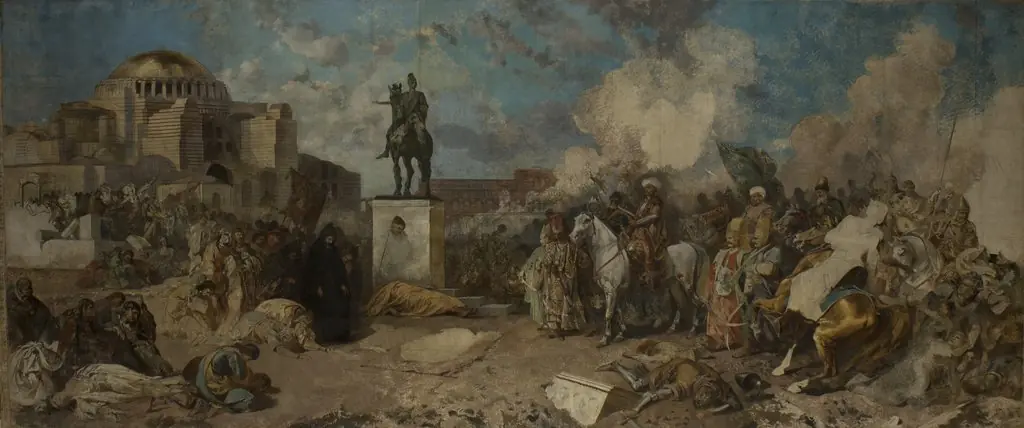 Entry of Sultan Mehmed II in Constantinople
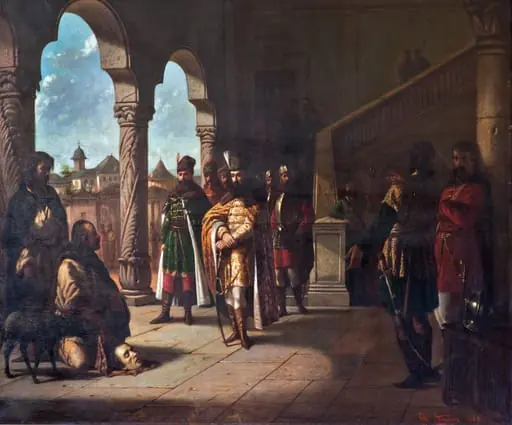 Mihai Viteazul contemplând capul lui Andrei Bathory
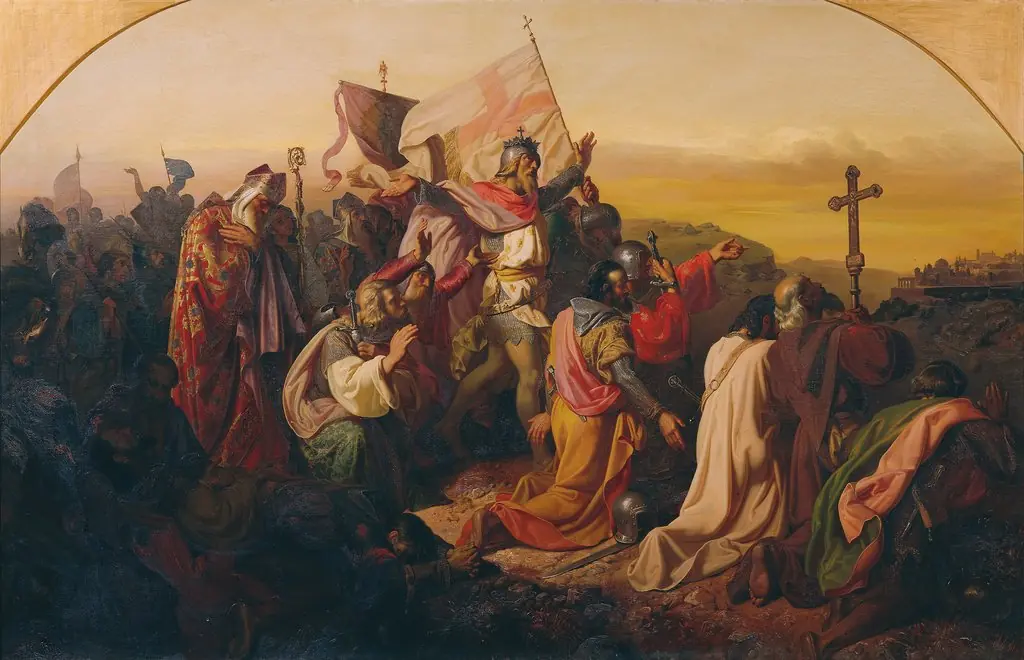 Gottfried von Bouillon und Kreuzfahrer
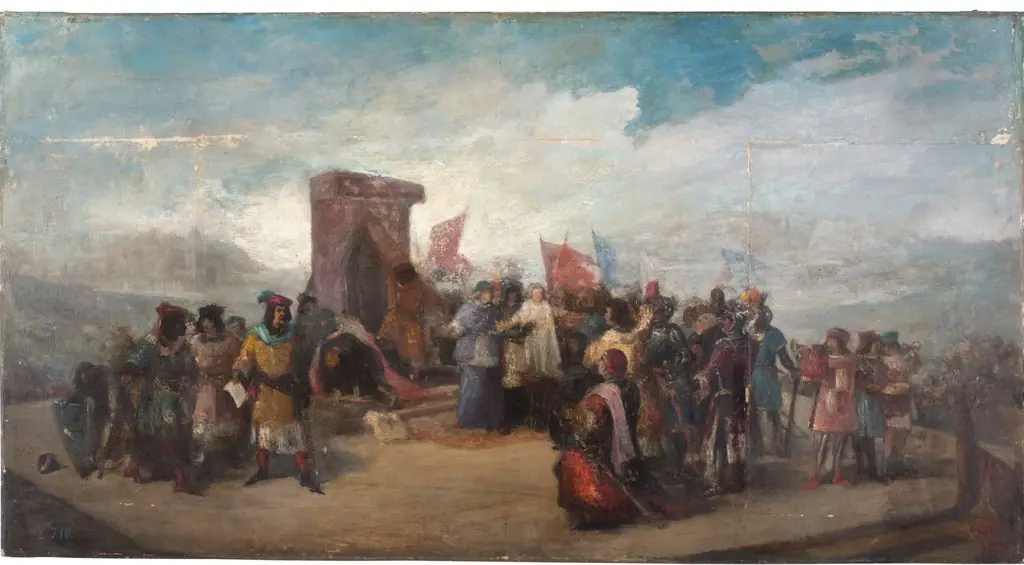 La farsa de Ávila
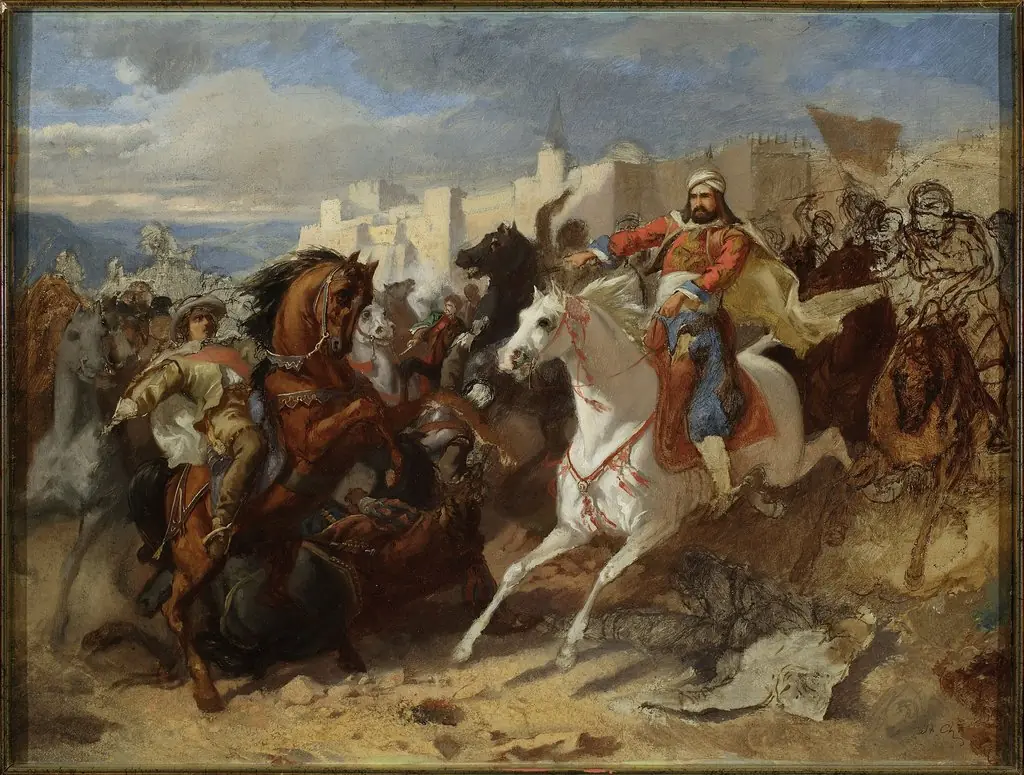 Episode from Austro-Turkish wars, sketch
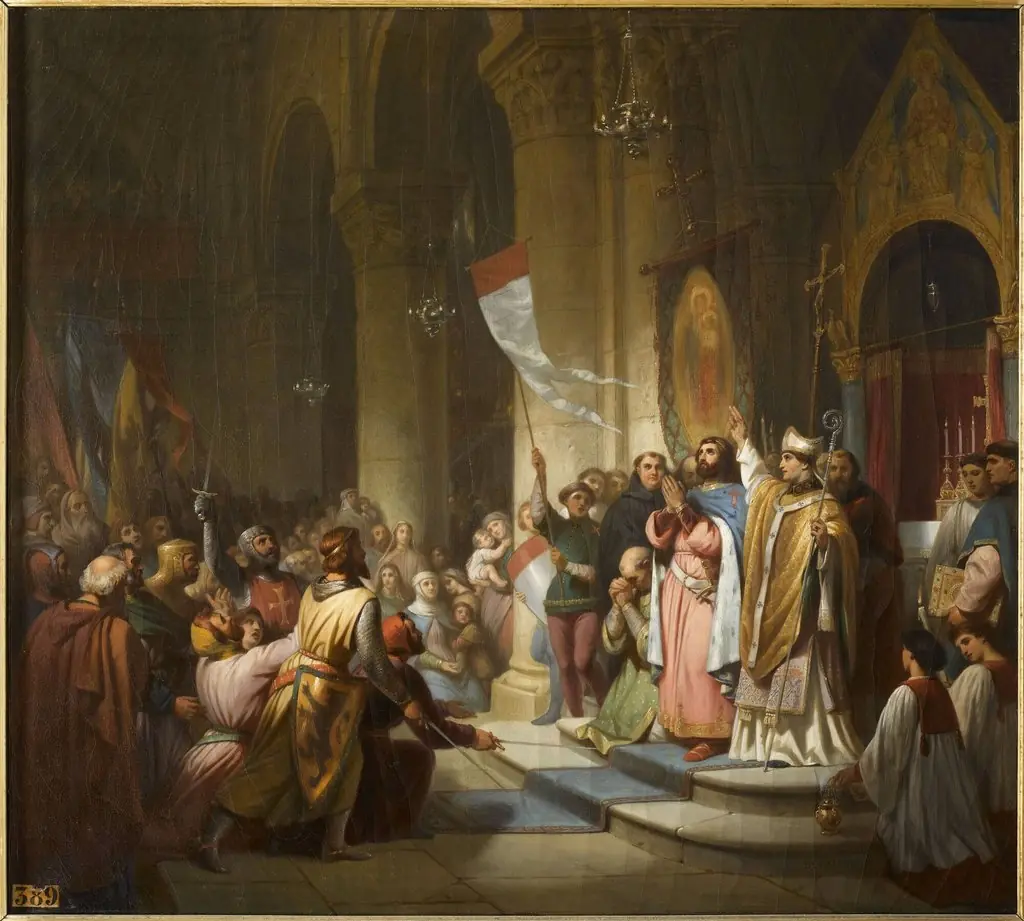 Election of Boniface of Montferrat as leader of the Fourth Crusade.