Artwork
La farsa de Ávila
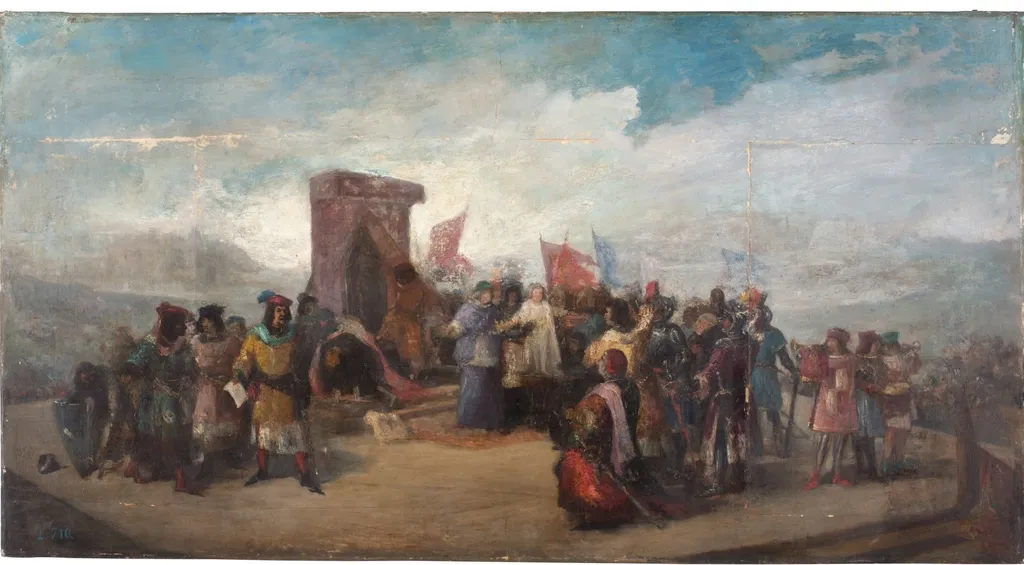
La farsa de Ávila is an oil painting by the Post-Impressionist artist Antonio Pérez Rubio. It is held in the collection of the Museo del Prado.
About this work
Overview
“La farsa de Ávila” is an oil on canvas executed in 1891 by Spanish painter Antonio Pérez Rubio. The work is part of the collection of the Museo del Prado, where it is displayed among the museum’s 19th‑century holdings. The composition presents a crowded assembly on a raised platform, set against a clear blue sky punctuated by white clouds.
Subject & Meaning
At the centre of the scene stands a man dressed in a white robe, drawing the attention of the surrounding figures. The crowd, composed of men and women holding papers, banners and clasped hands, looks toward the central figure, suggesting a public address or ceremony of solemn significance. The title hints at a theatrical or deceptive episode linked to the city of Ávila.
Technique & Style
Rubio employs the rich, layered qualities of oil paint to render the varied textures of fabric, flags and sky. The palette balances muted earth tones of the crowd with the bright white of the focal figure and the luminous blues of the heavens, creating depth through chiaroscuro while maintaining a clear, narrative focus typical of late‑19th‑century Spanish genre painting.
History & Provenance
Created in 1891, the painting entered the Prado’s holdings through acquisition (or donation) in the early 20th century, though precise details of its transfer remain limited in public records. Its presence in the national museum underscores its relevance to Spanish cultural history and to the oeuvre of Antonio Pérez Rubio, a lesser‑known but active painter of the period.
Artist & collection

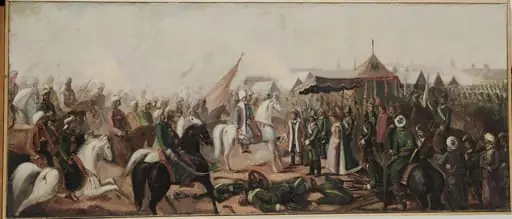 Συνθηκολόγηση Ρώσων και Τουρκών στον Ποταμό Προύθο το 1771
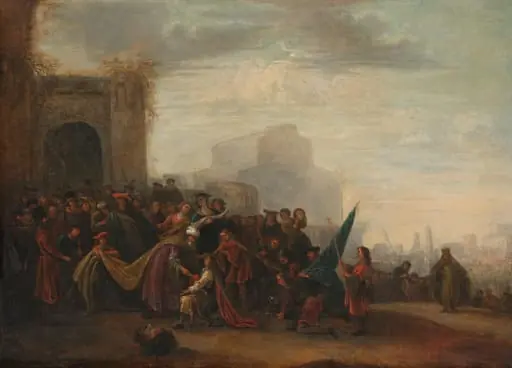 Saul Welcoming David after his Victory over Goliath
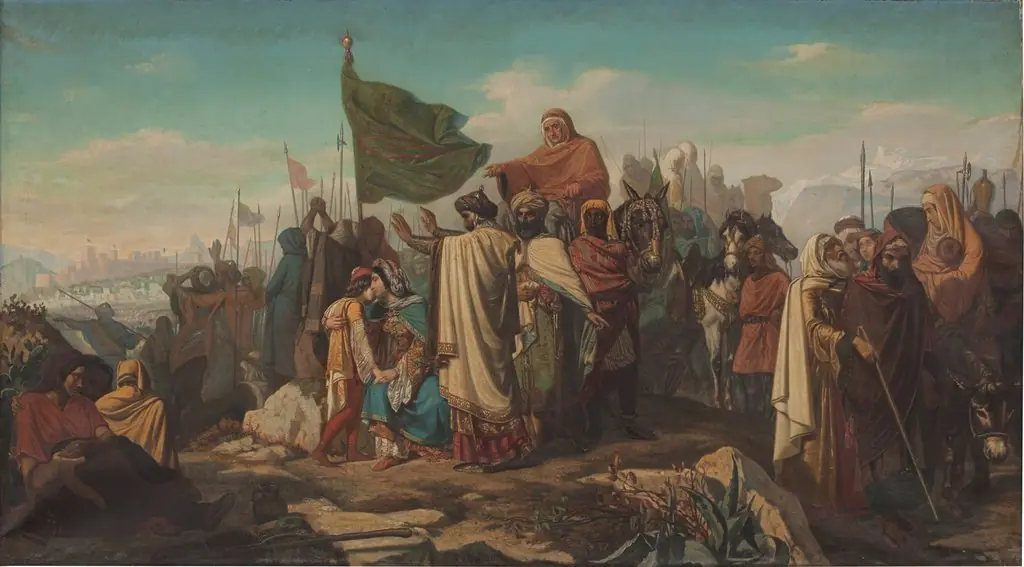 The sigh of the Moor
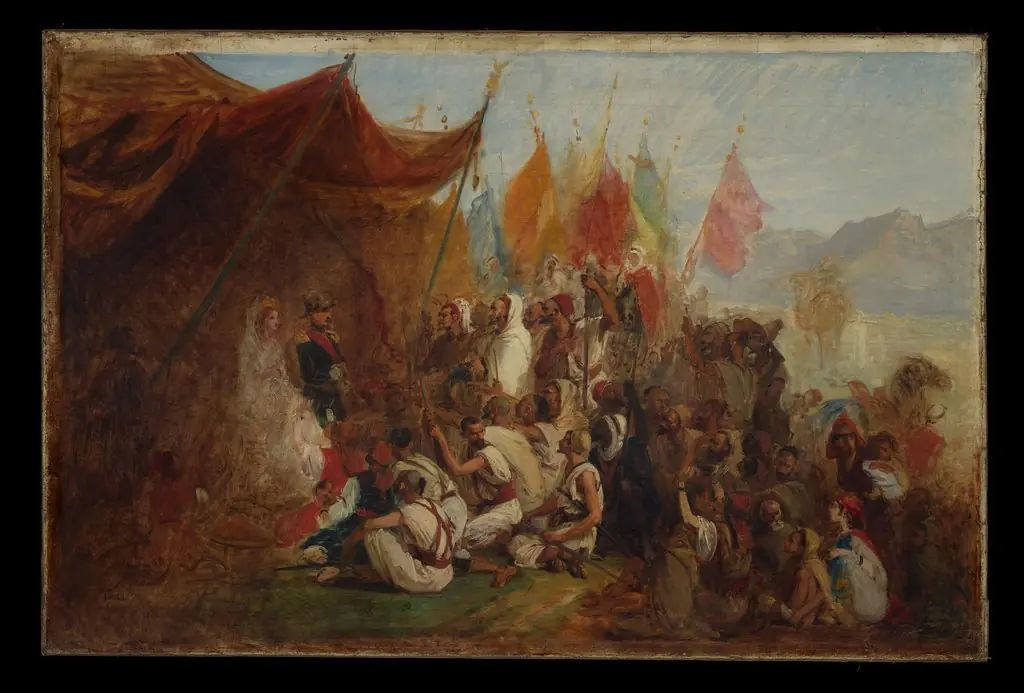 Sketch for "Reception of Emperor Napoleon III and Empress Eugénie by the Kabyle Leaders at Algiers on September 18, 1860"
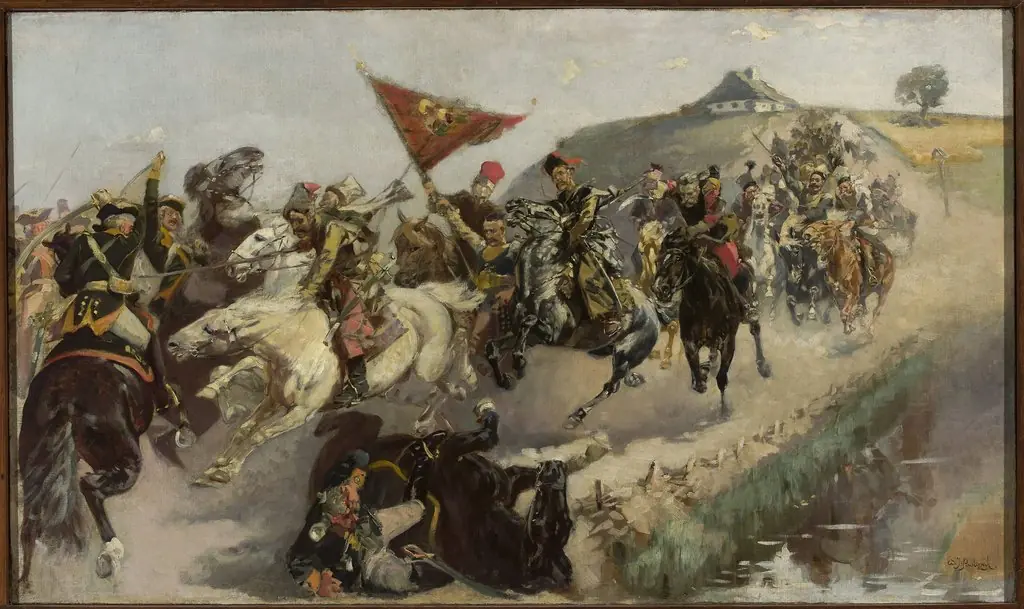 Skirmish on the road
 Battle of Poitiers, 25 October 732
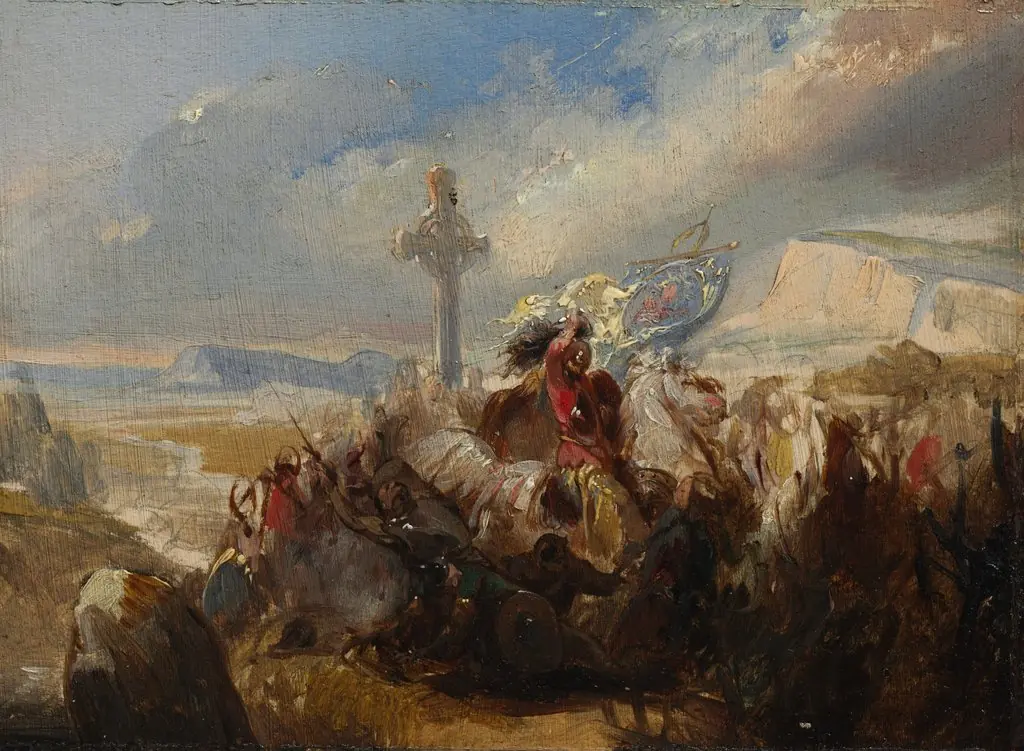 Battle of Poitiers, 25 October 732
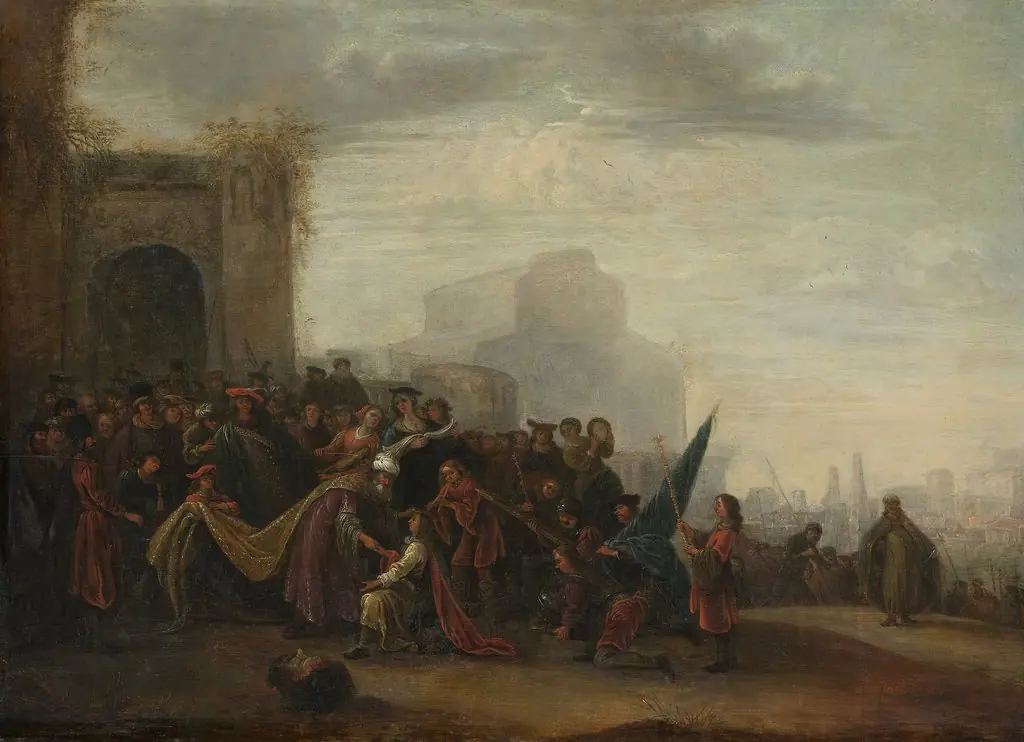 Saul honoring David after his victory over Goliath
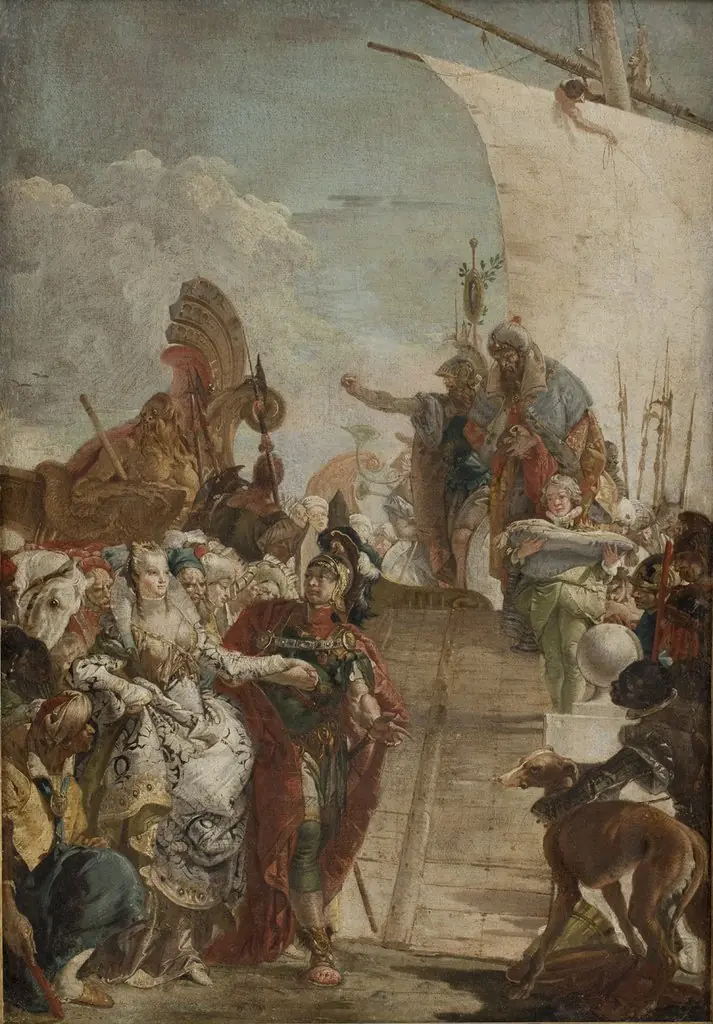 Anthony Leading Cleopatra on board
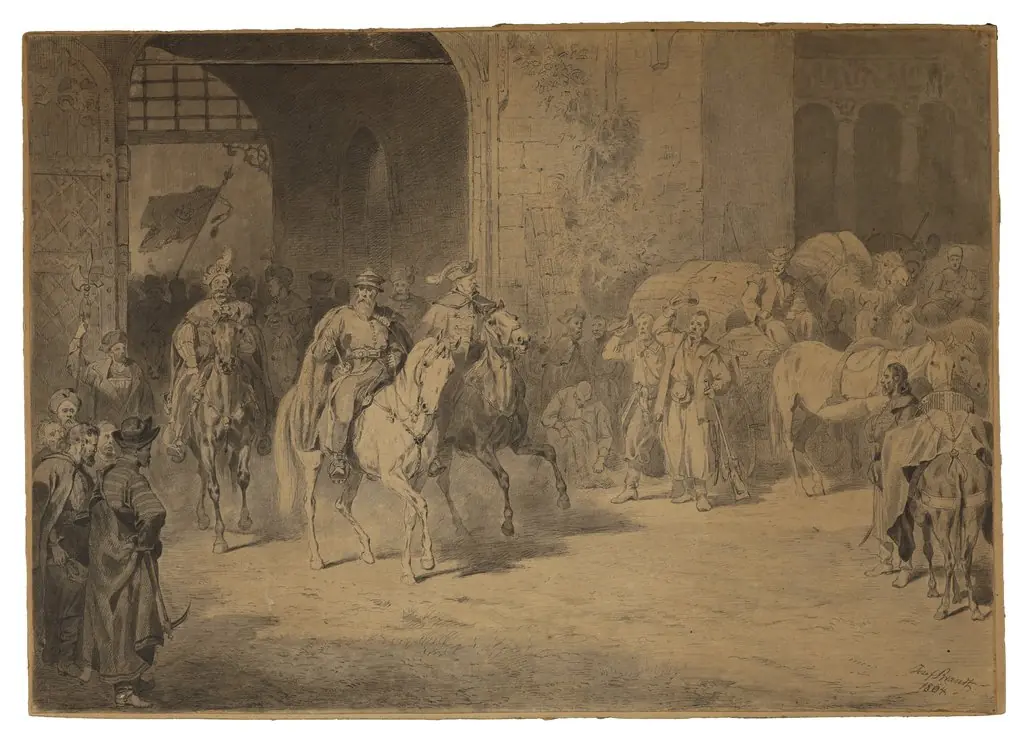 Leaving the castle
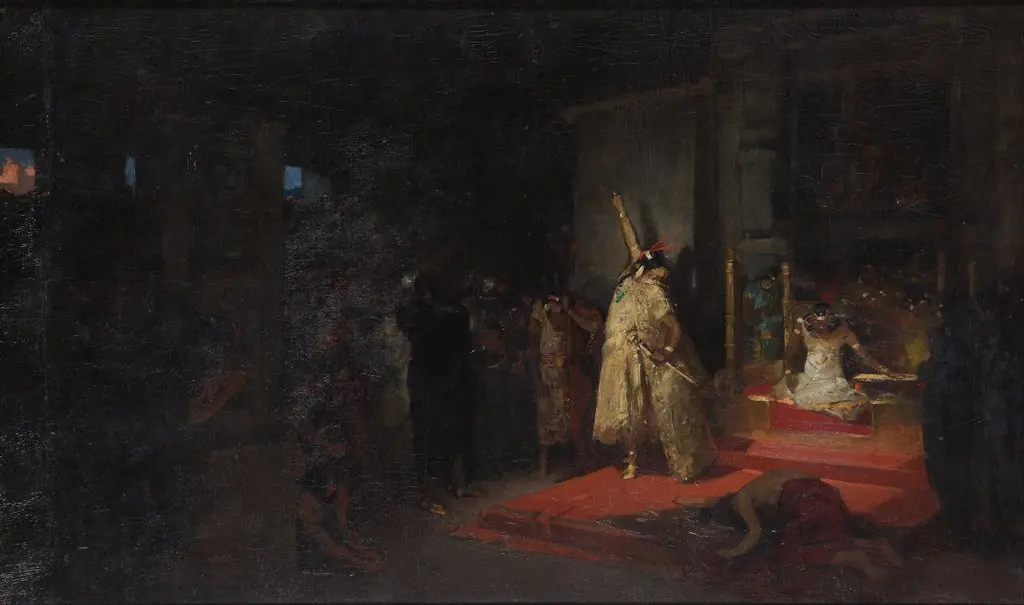 The ransom of Atahualpa
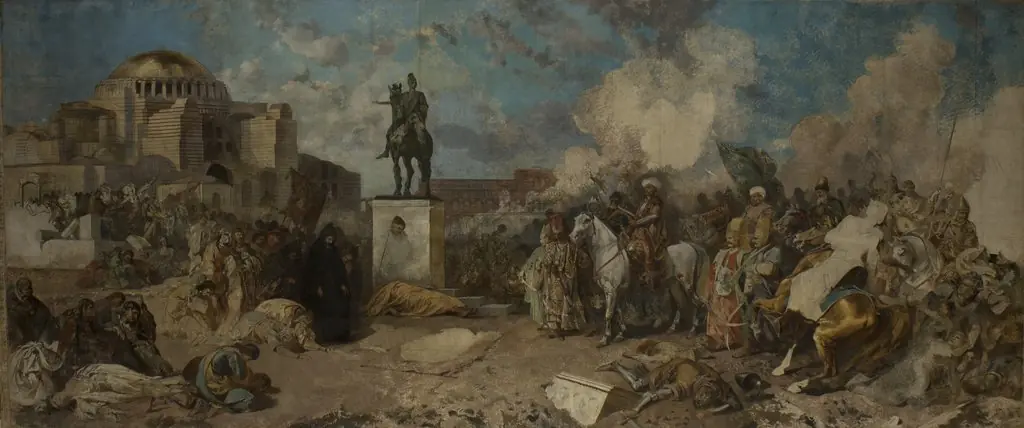 Entry of Sultan Mehmed II in Constantinople