Artwork
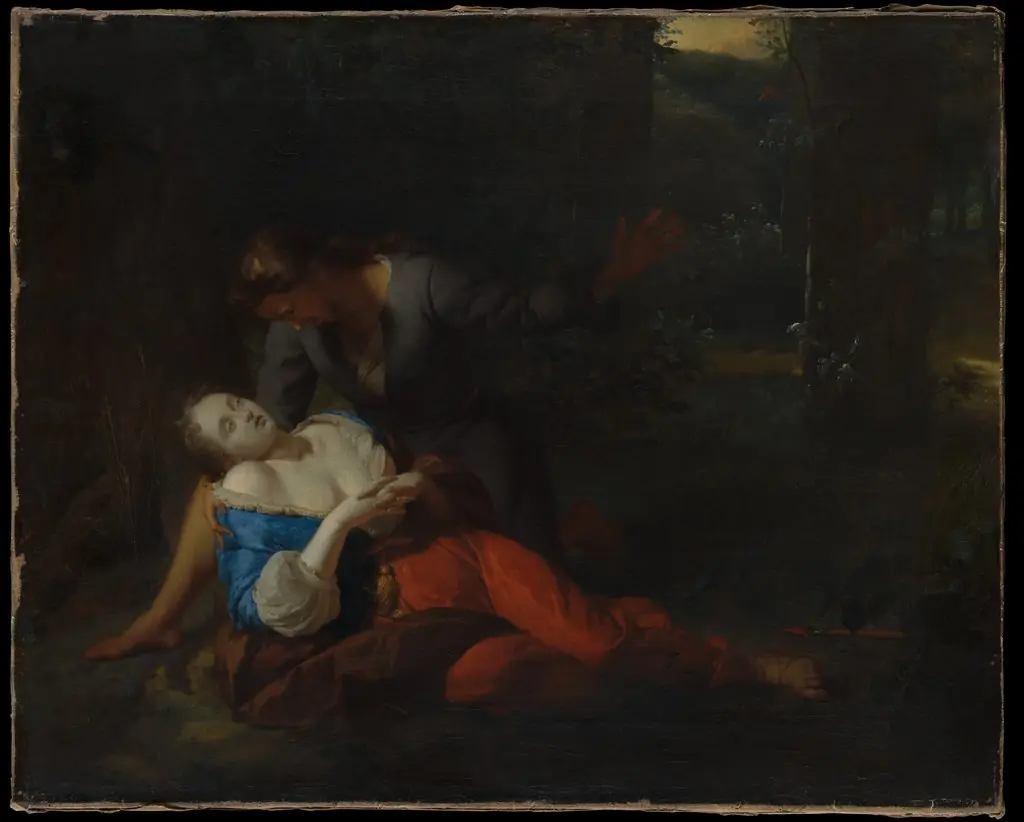
The Death of Procris
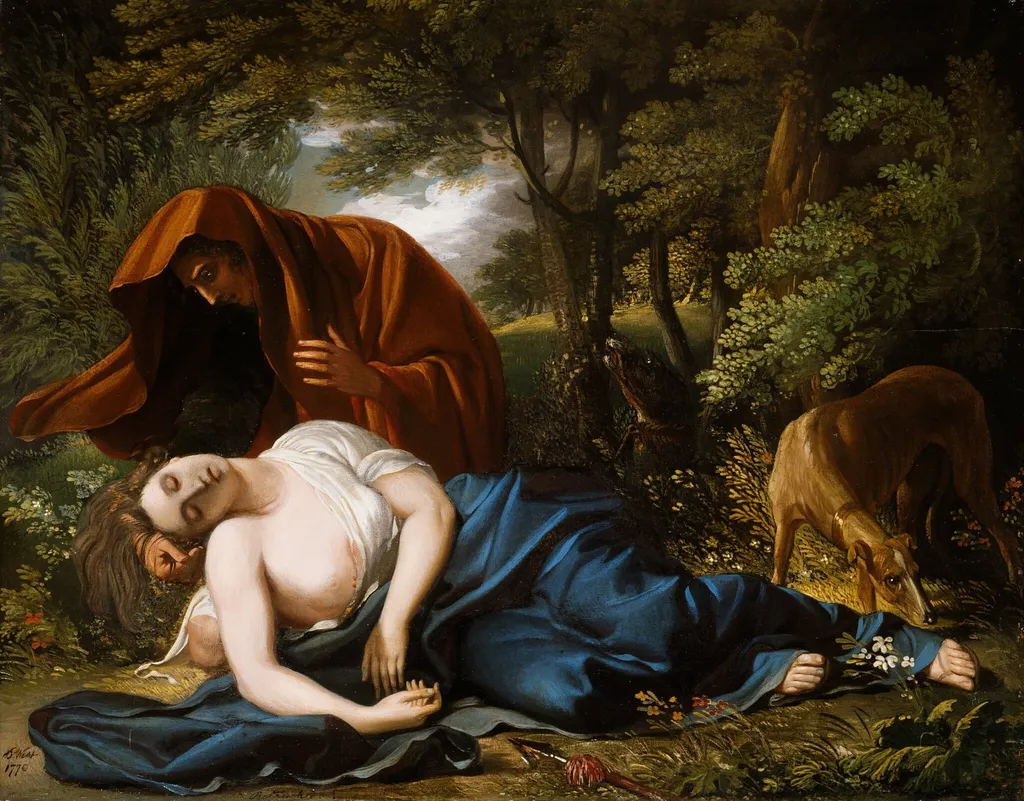
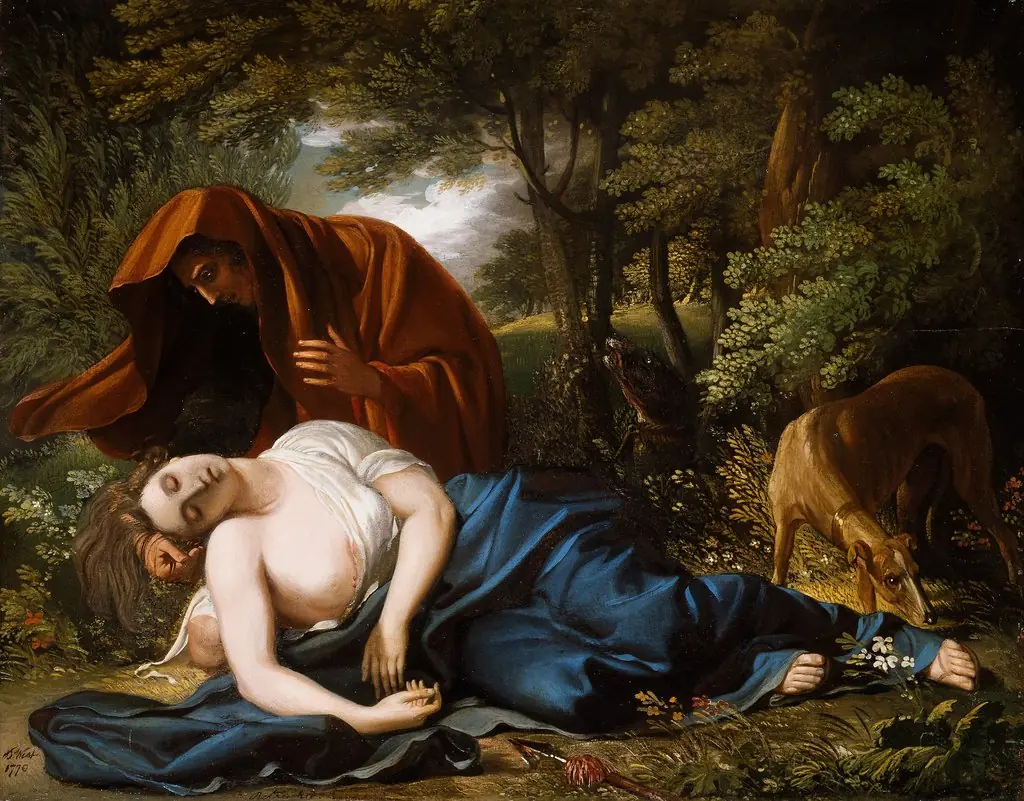
The Death of Procris is an oil painting by the Neoclassicist artist Benjamin West. It dates from 1770 and is held in the collection of the Art Institute of Chicago.
About this work
The painting shows a scene of a woman dying.
She's surrounded by people who seem upset.
The artist added details to the painting over time, which is interesting because it shows how their ideas changed.
The painting was worked on in two different years, 1770 and 1803.
This means the artist had time to think about it and make changes.
Check out the work of artist: Benjamin West.
Overview
Benjamin West’s *The Death of Procris* is an oil painting on panel created initially in 1770 and revisited in 1803. Executed as a history painting, it portrays a tragic moment from classical mythology, rendered in a restrained neoclassical manner. The work is part of the Art Institute of Chicago’s permanent collection.
Subject & Meaning
The composition captures the fatal instant of Procris, a figure from Greek legend, as she lies mortally wounded. Surrounding figures display grief and shock, emphasizing the emotional weight of the mythic narrative and underscoring themes of loss and remorse.
Technique & Style
West employs a muted palette and careful modeling to convey the solemnity of the scene, adhering to neoclassical ideals of clarity and balance. The oil medium on a wooden panel allows for fine detail, while later additions in 1803 reveal the artist’s evolving approach to composition and lighting.
History & Provenance
Born in the American colonies and later based in London, West became the court’s historical painter and a founding member of the Royal Academy. After its completion, the painting entered the collection of the Art Institute of Chicago, where it remains on display.
Context
Created during a period when West was consolidating his reputation as a leading history painter, the work reflects the 18th‑century fascination with classical subjects and moralizing narratives. Its later reworking demonstrates West’s continued engagement with the piece over three decades, aligning with the broader neoclassical revival in British art.
Own this work as a print
Artist & collection
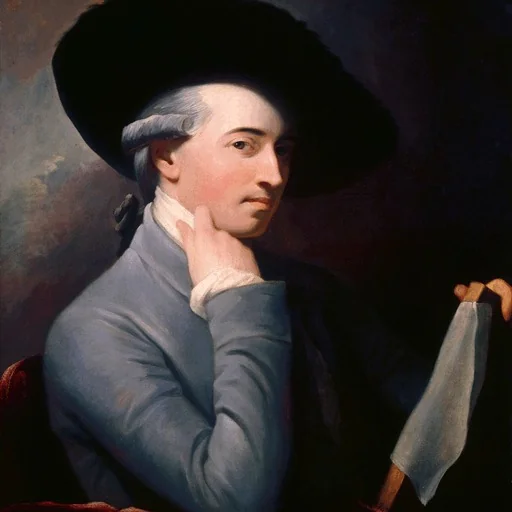

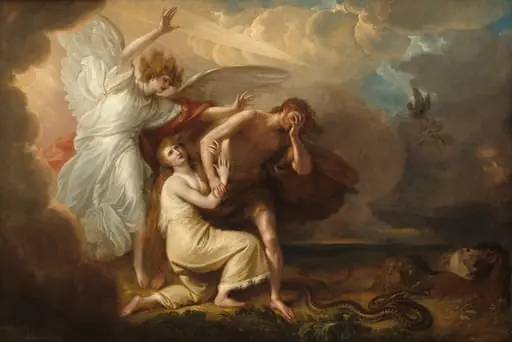 The Expulsion of Adam and Eve from Paradise
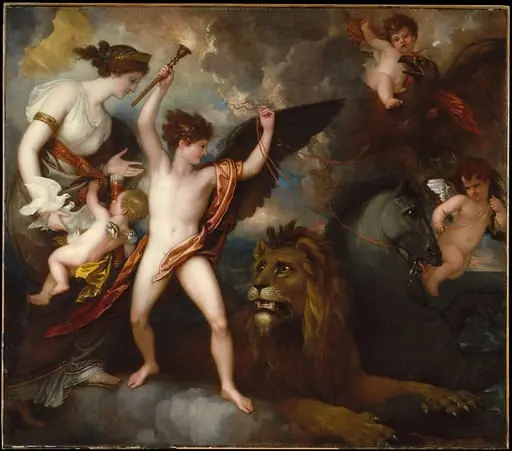 Omnia Vincit Amor, or The Power of Love in the Three Elements
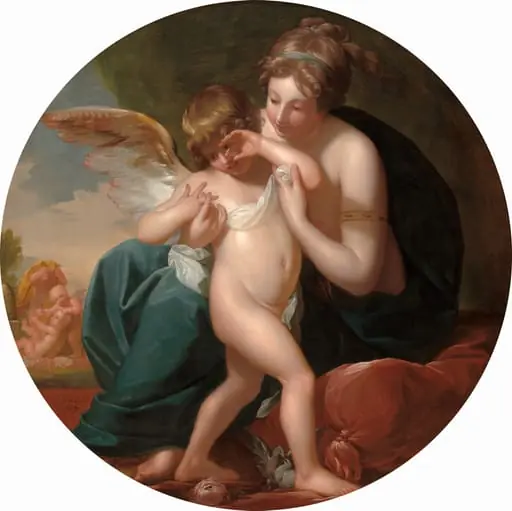 Cupid, Stung by a Bee, Is Cherished by his Mother
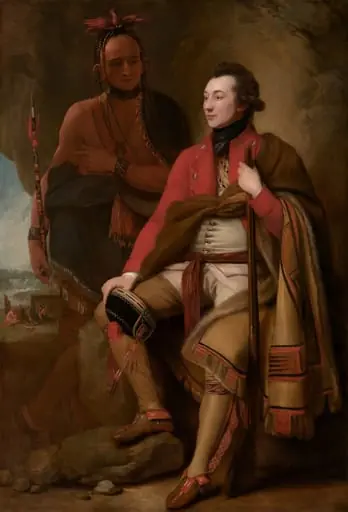 Colonel Guy Johnson and Karonghyontye (Captain David Hill)
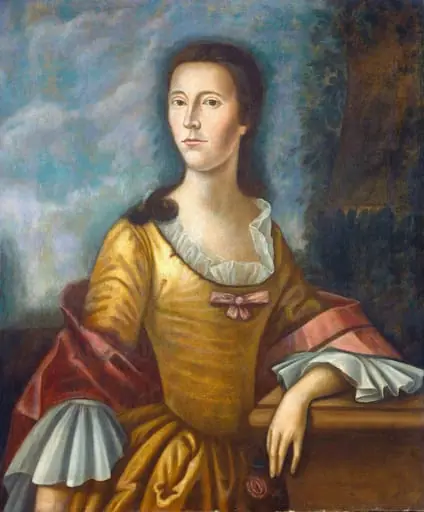 Mary Bethel Boude (Mrs. Samuel Boude)
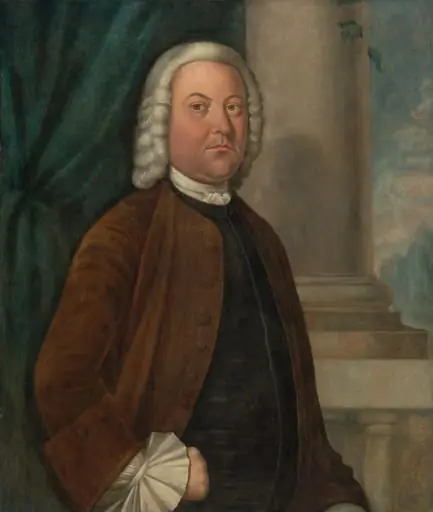 Dr. Samuel Boude
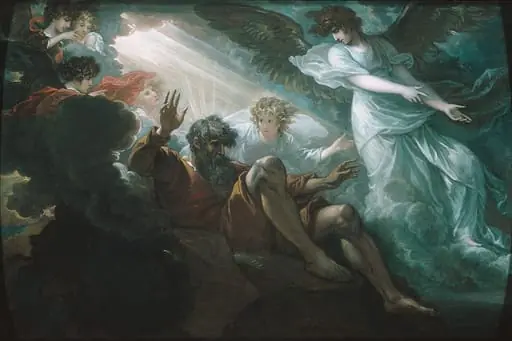 Moses Shown the Promised Land
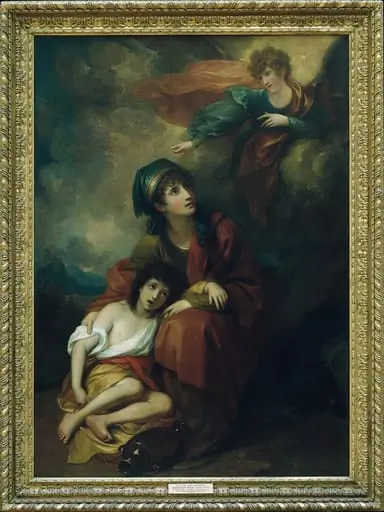 Hagar and Ishmael
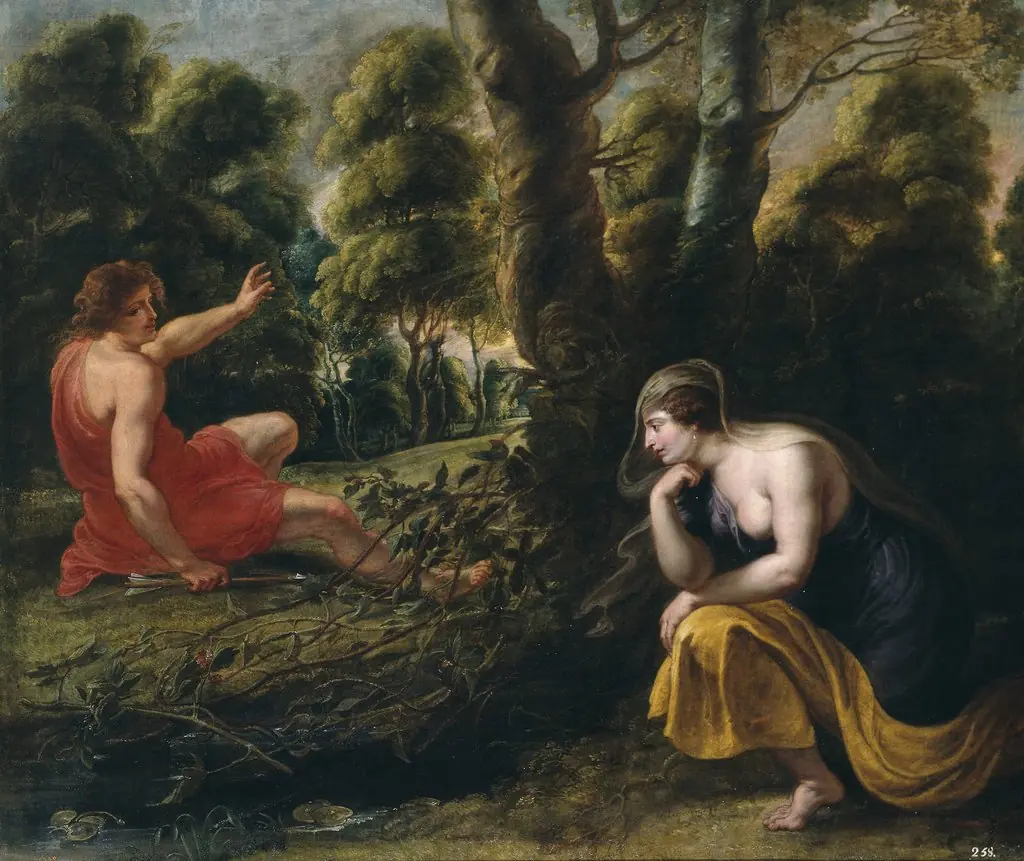 Cephalus and Procris
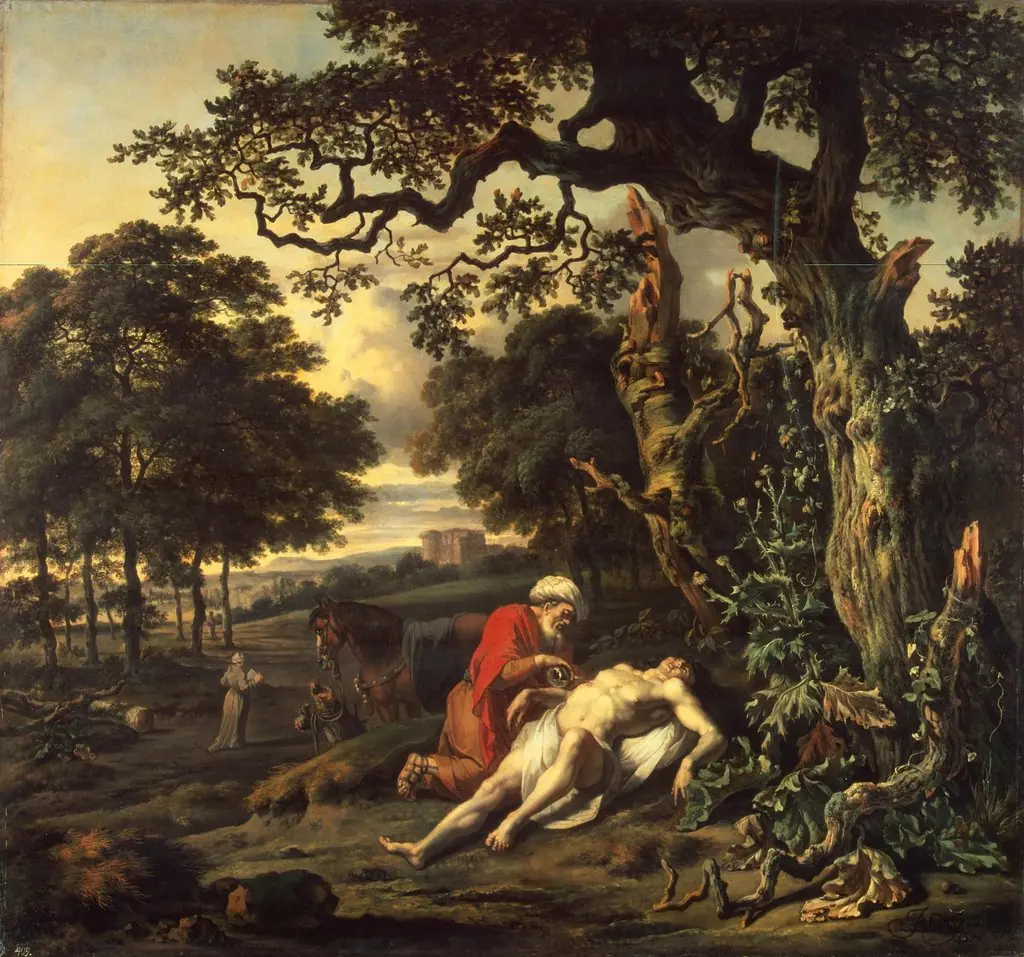 Parable of the Good Samaritan
 Hecabe mit den Leichnamen ihrer Kinder Polyxena und Polydoros am Grab des Achill
 Psyche is awakened from fainting by Cupid's arrow
 Die tote heilige Caecilia (Römische Fassung)
 Pyramus og Tisbe
 Cephalus and Procris
 Shepherdess and Shepherd with Sheep and Goats
 Büßende Magdalena
 Cephalus and Procris
 Paolo and Francesca da Rimini in Dante's hell
 The Death of Procris