Artwork
Cephalus and Procris
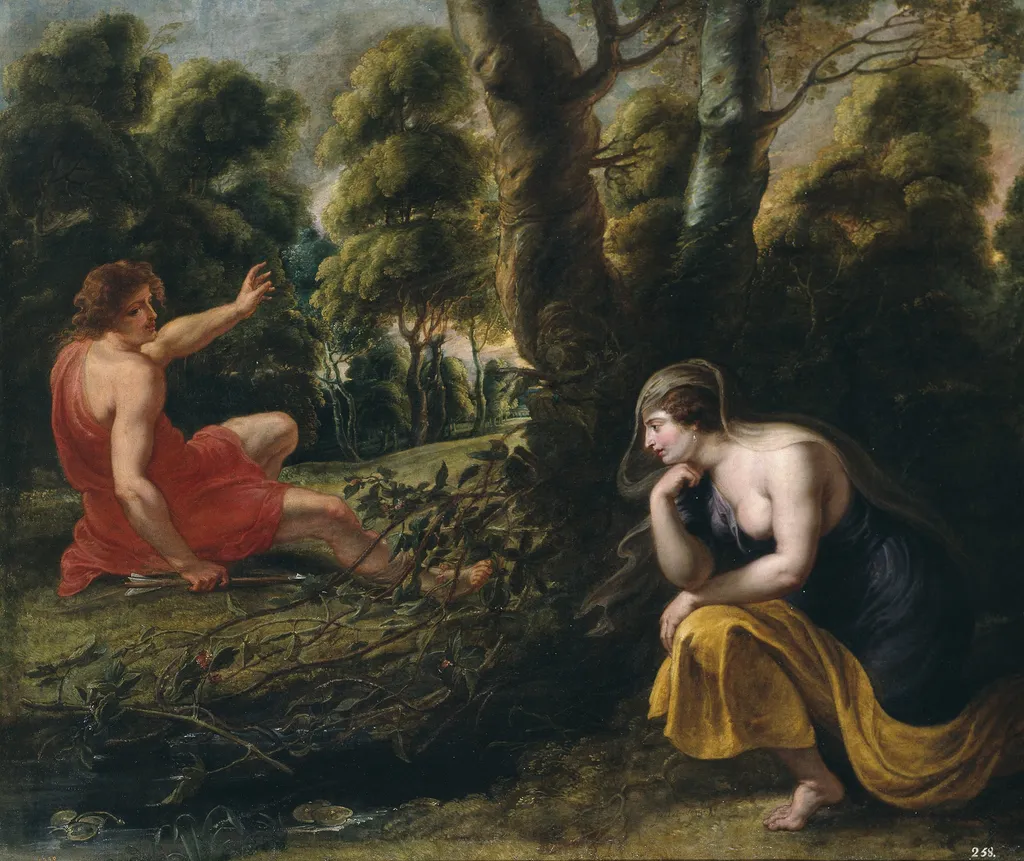
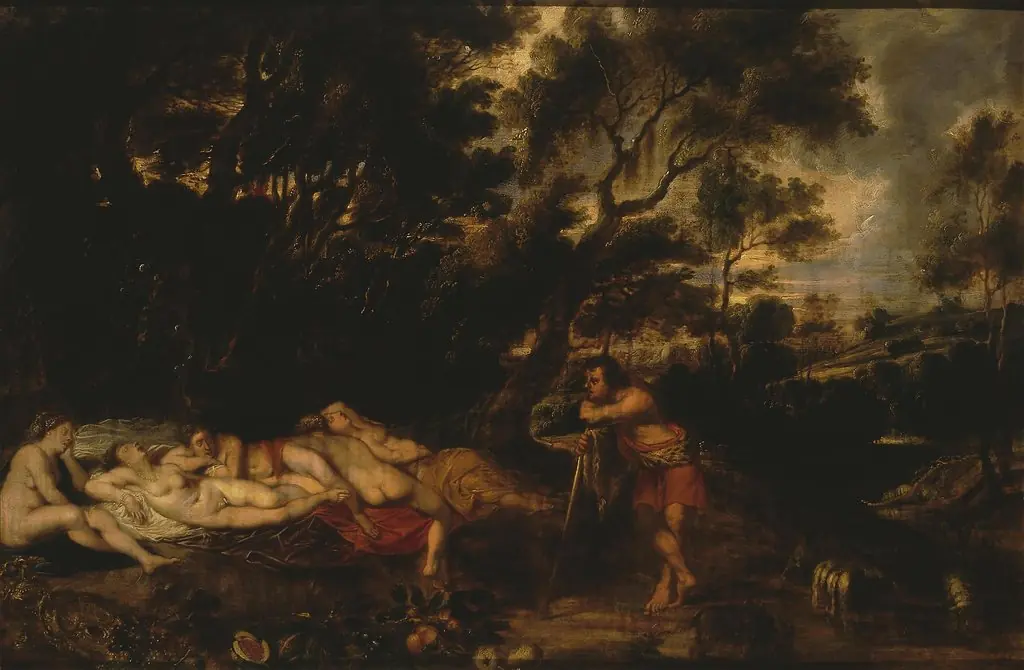
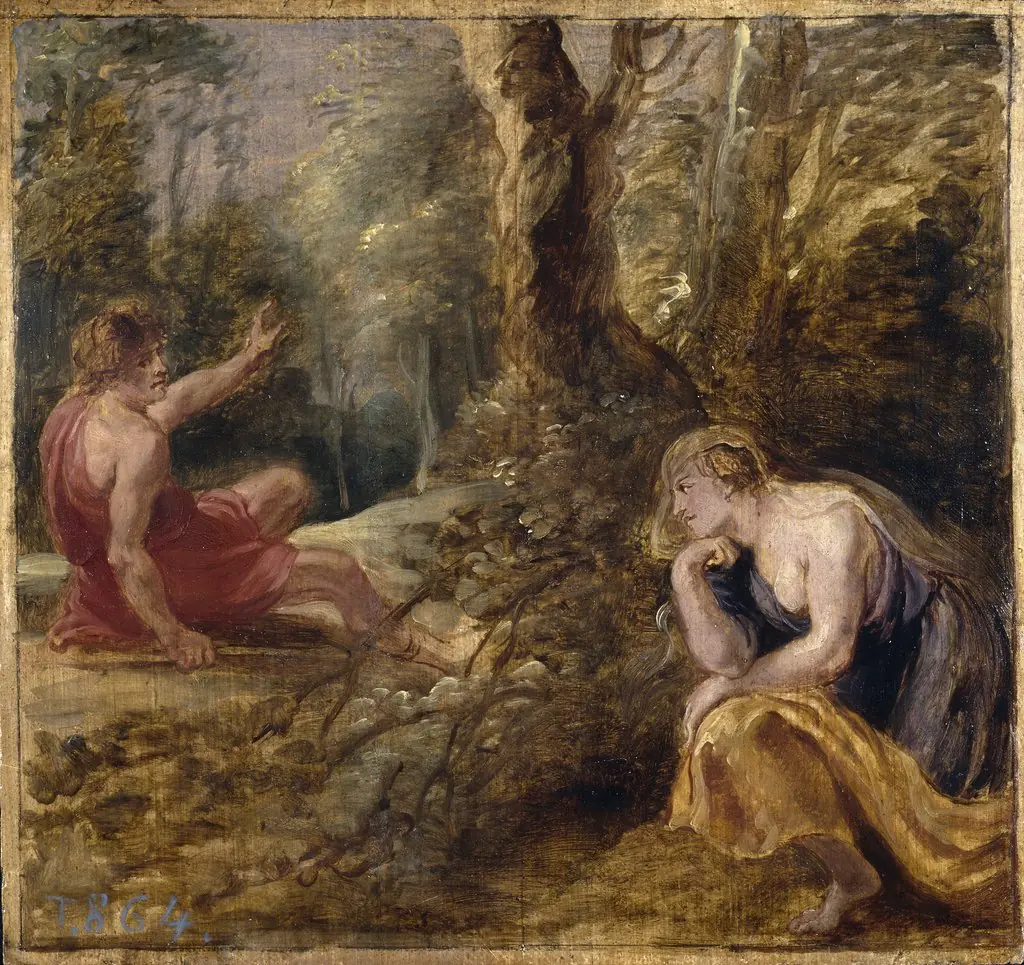
Cephalus and Procris is an oil painting by the Flemish Baroque painting artist Peter Paul Rubens. It dates from 1635 and is held in the collection of the Museo del Prado.
About this work
Overview
Painted in 1635 by Peter Paul Rubens, this oil work depicts a moment from classical myth, part of a series of narrative scenes drawn from ancient literature.
Painted in 1635 by Peter Paul Rubens, this oil work depicts a moment from classical myth, part of a series of narrative scenes drawn from ancient literature. Rubens, a leading figure in Flemish Baroque art, produced this piece during his mature period, combining theatrical composition with emotional intensity. The painting resides in the Museo del Prado, where it remains a key example of his mythological output.
Subject & Meaning
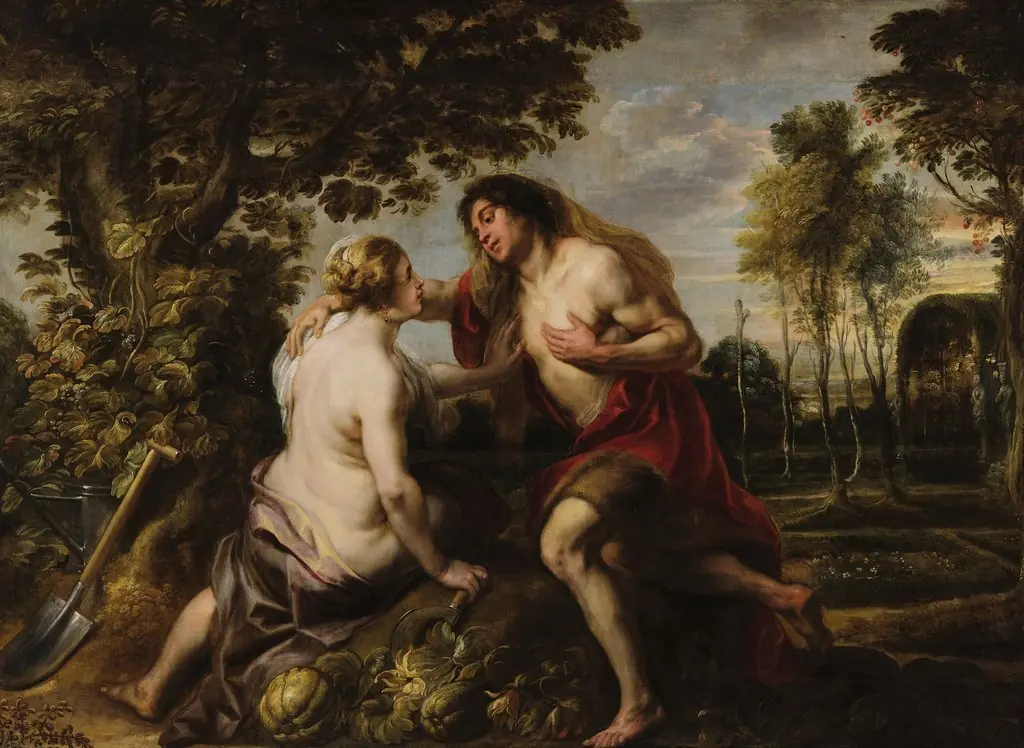
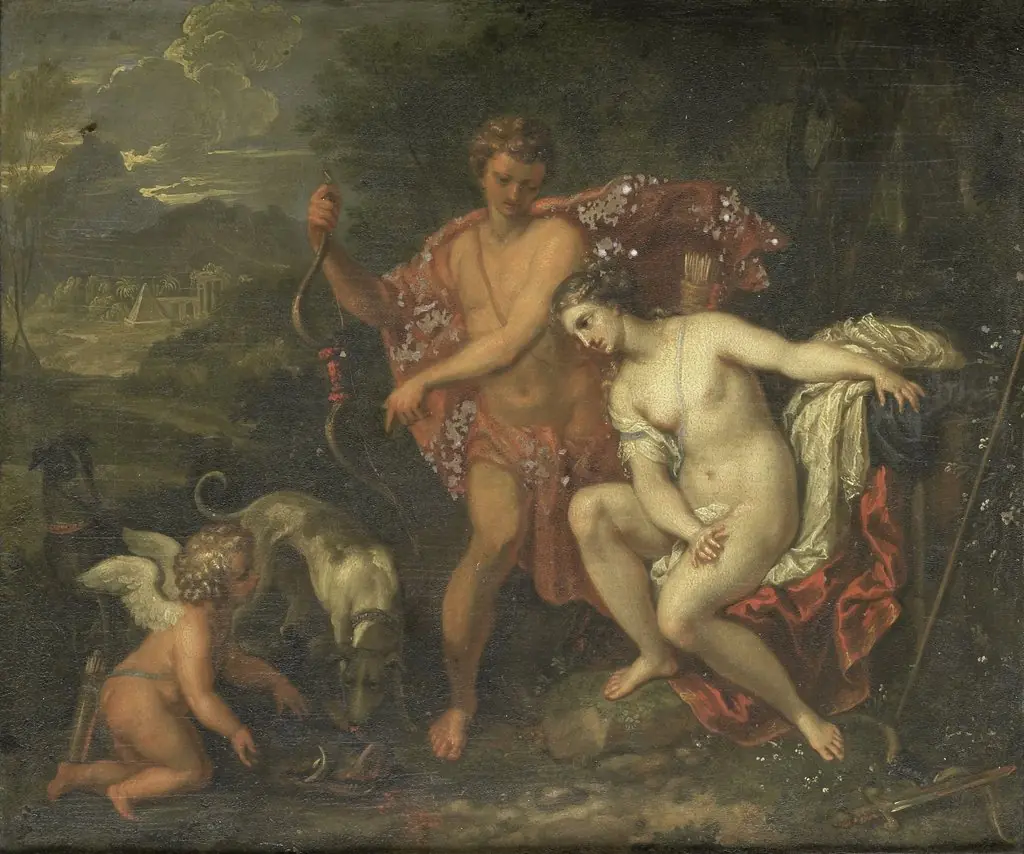
The scene illustrates the tragic reunion of Cephalus and Procris, a couple torn apart by misunderstanding and fate. Procris, kneeling with a plant—possibly the fatal flower from her own past—reaches toward her husband, who sits aloof, arm raised in hesitation. The moment captures guilt, regret, and the fragility of trust, reflecting the moral ambiguity common in Ovidian tales adapted by Rubens.
Technique & Style
Rubens uses chiaroscuro to model the figures with strong contrasts between light and shadow, enhancing their three-dimensionality and emotional weight. His brushwork blends tones seamlessly, particularly in the flesh and drapery, showcasing his mastery of sfumato. The rich, saturated hues of red and gold-brown contrast against the dark, receding woodland, directing focus to the central figures and their psychological tension.
History & Provenance
Commissioned during Rubens’s later years, the painting entered the Spanish royal collection shortly after its completion, likely through diplomatic channels. It remained in royal hands until the 19th century, when it was transferred to the Museo del Prado. Its uninterrupted presence in Spanish royal collections underscores its early recognition as a significant work of the period.
Context
Created in the aftermath of the Thirty Years’ War, the painting reflects a cultural moment where mythological narratives offered a safe space to explore human emotion and moral complexity. Rubens’s engagement with classical texts aligned with broader European intellectual currents, while his dynamic style responded to the Counter-Reformation’s emphasis on visceral, emotionally engaging art.
Legacy
The painting exemplifies Rubens’s influence on subsequent generations of European painters, particularly in the handling of mythological themes and anatomical dynamism. Its preservation in the Prado ensures continued study of his synthesis of classical narrative, Baroque drama, and technical innovation, serving as a reference point for 17th-century Flemish painting practices.
Own this work as a print
Artist & collection
Artist
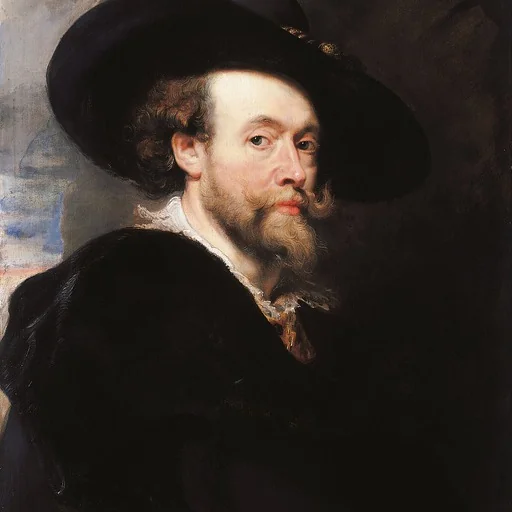
Sir Peter Paul Rubens ( ROO-bənz; Dutch: ; 28 June 1577 – 30 May 1640) was a Flemish artist and diplomat.