Artwork
Cephalus and Procris
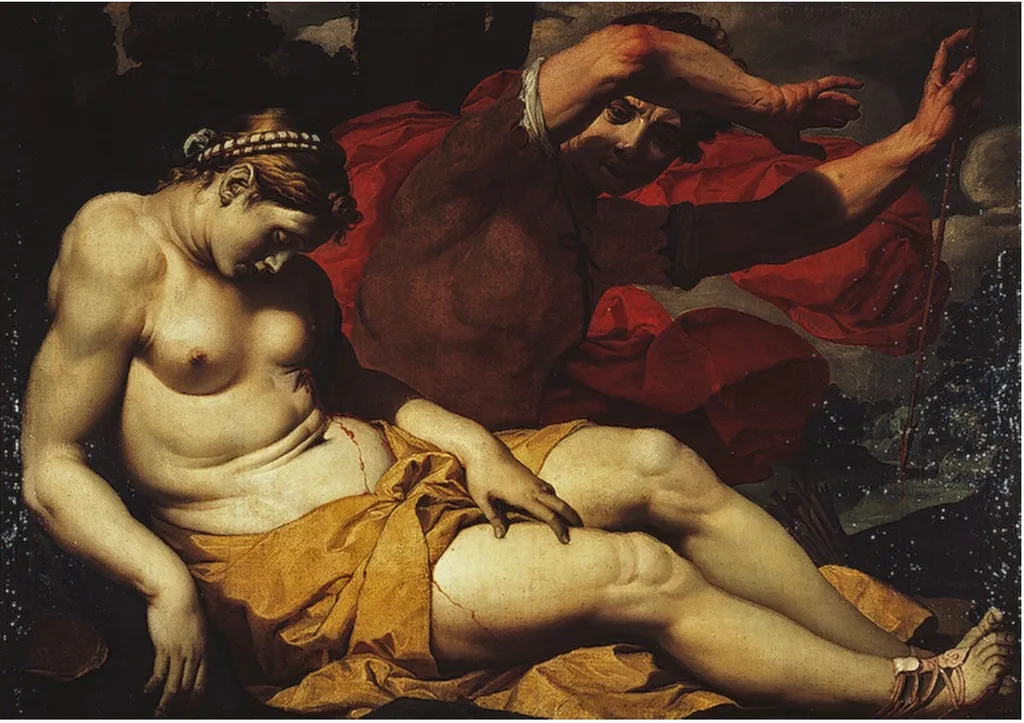
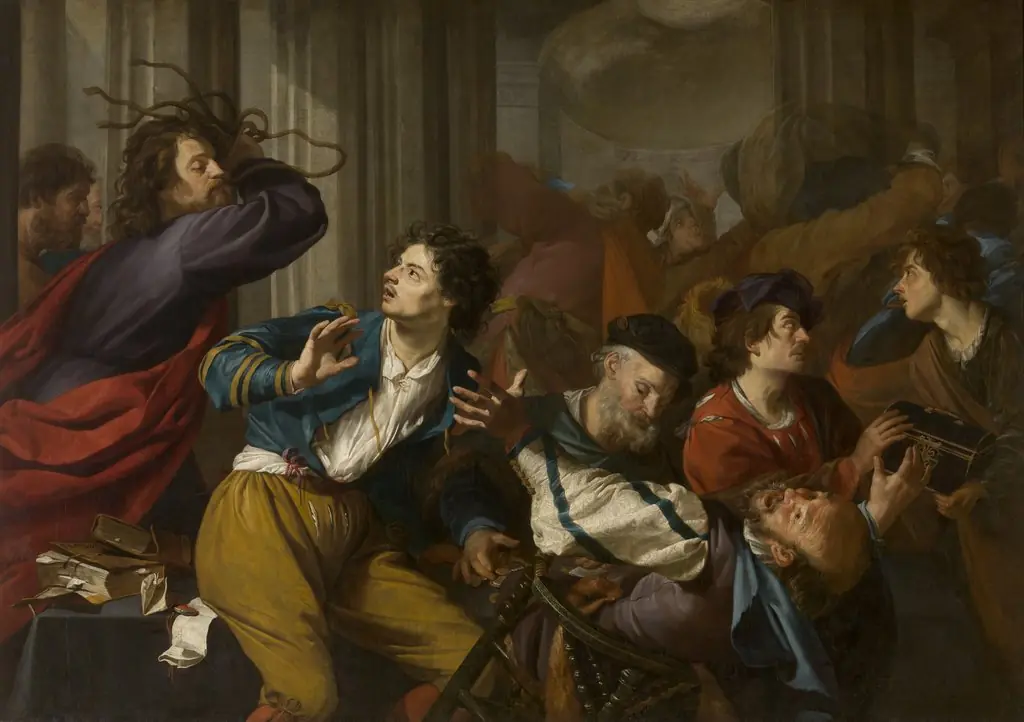
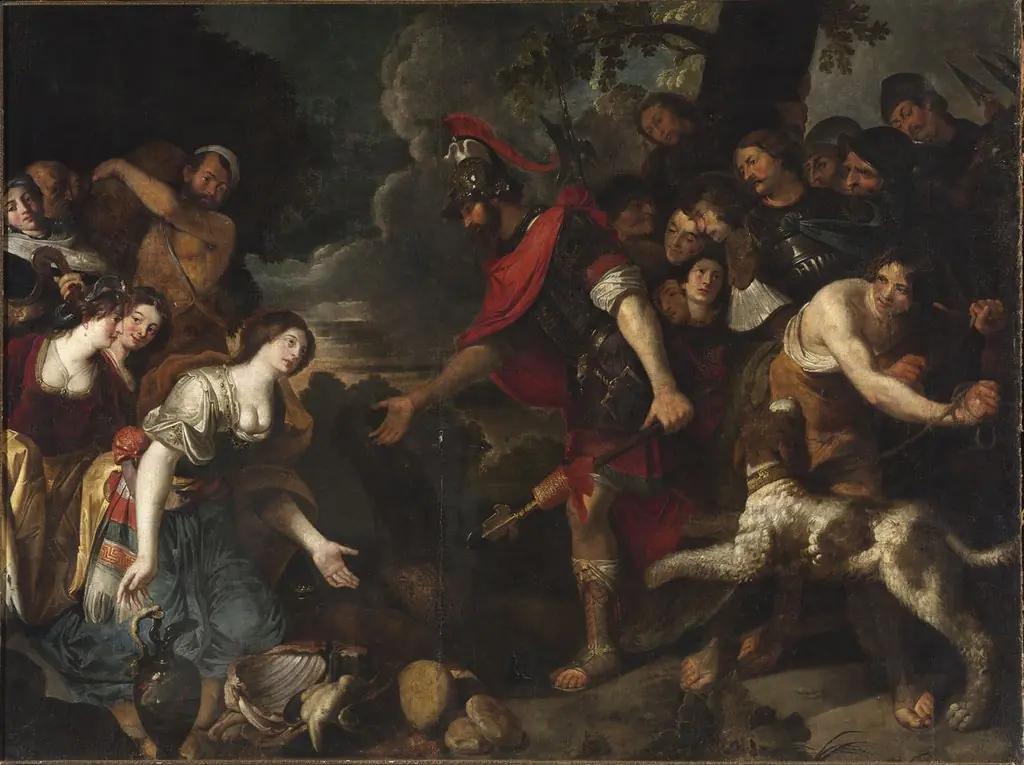
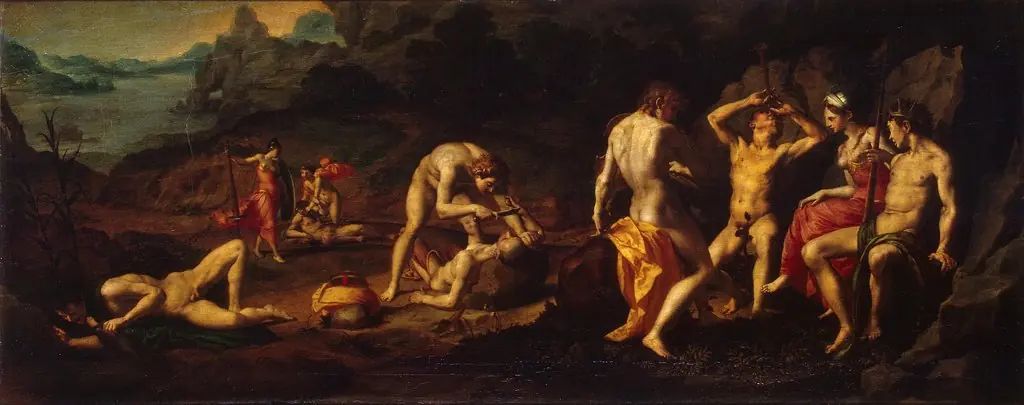
Cephalus and Procris is an oil painting by the Flemish Baroque painting artist Theodoor Rombouts. It dates from 1610 and is held in the collection of the Hermitage Museum.
About this work
Overview
Painted in 1610 by Theodoor Rombouts, this oil-on-canvas work captures a moment from classical mythology within the Flemish Baroque tradition.
Painted in 1610 by Theodoor Rombouts, this oil-on-canvas work captures a moment from classical mythology within the Flemish Baroque tradition. Rombouts, influenced by Caravaggio’s dramatic lighting and emotional intensity, applied these principles to secular narratives. The painting is part of the State Hermitage Museum’s collection, where it stands as an early example of his engagement with mythological subjects alongside his more common genre scenes.
Subject & Meaning
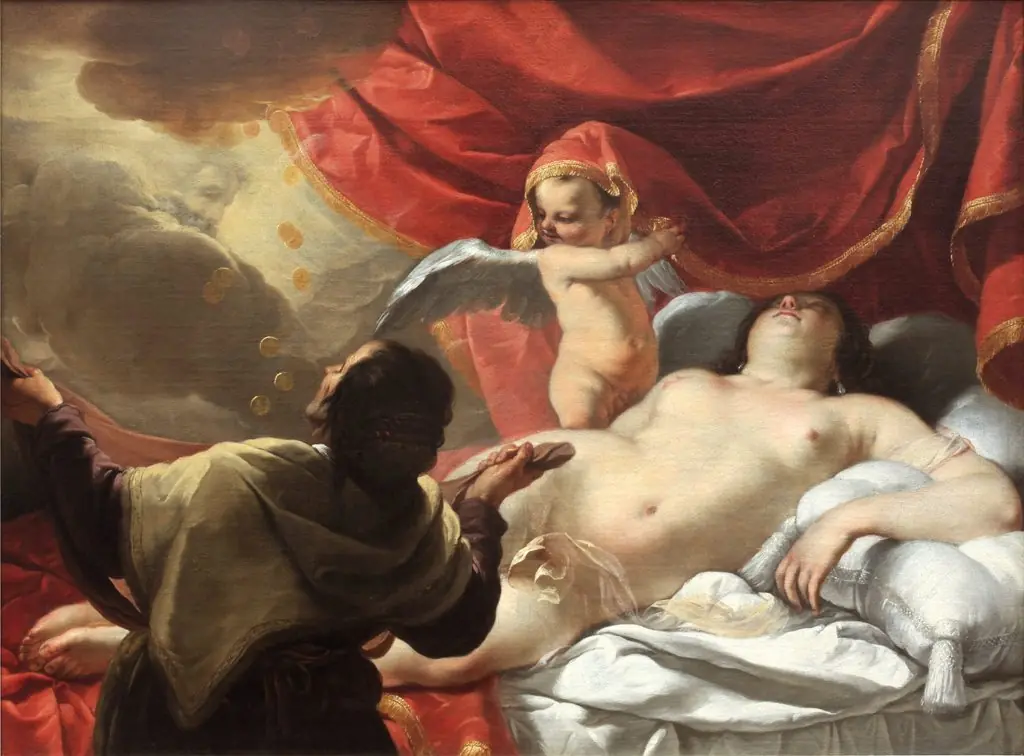
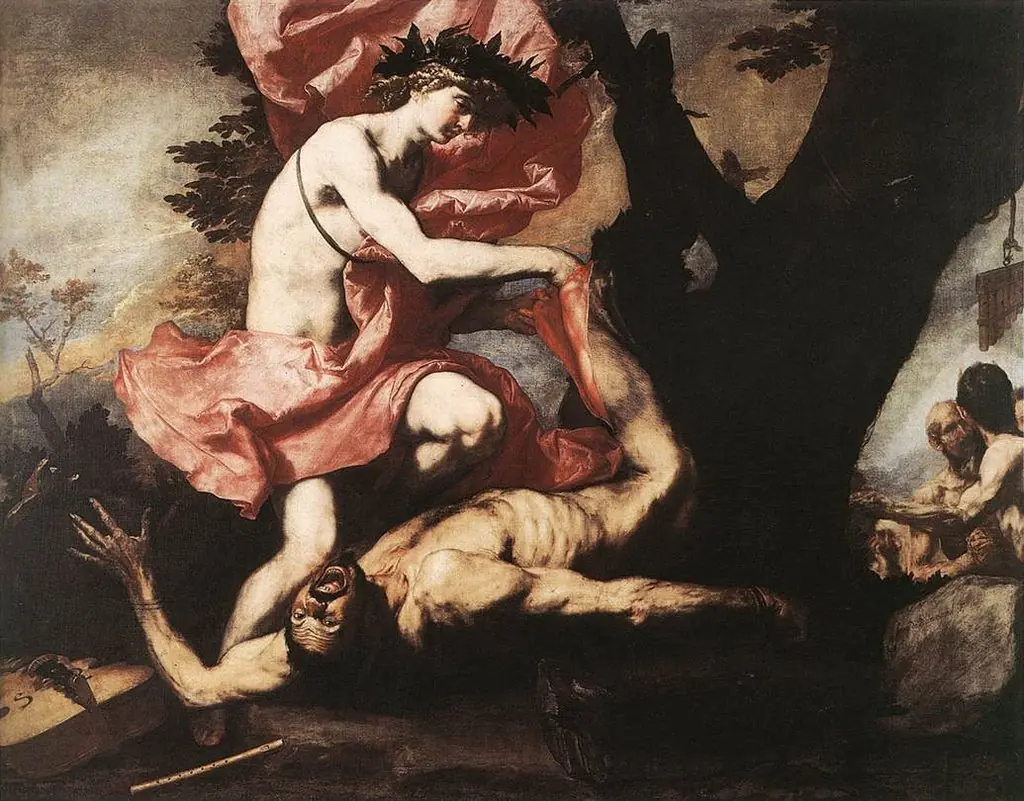
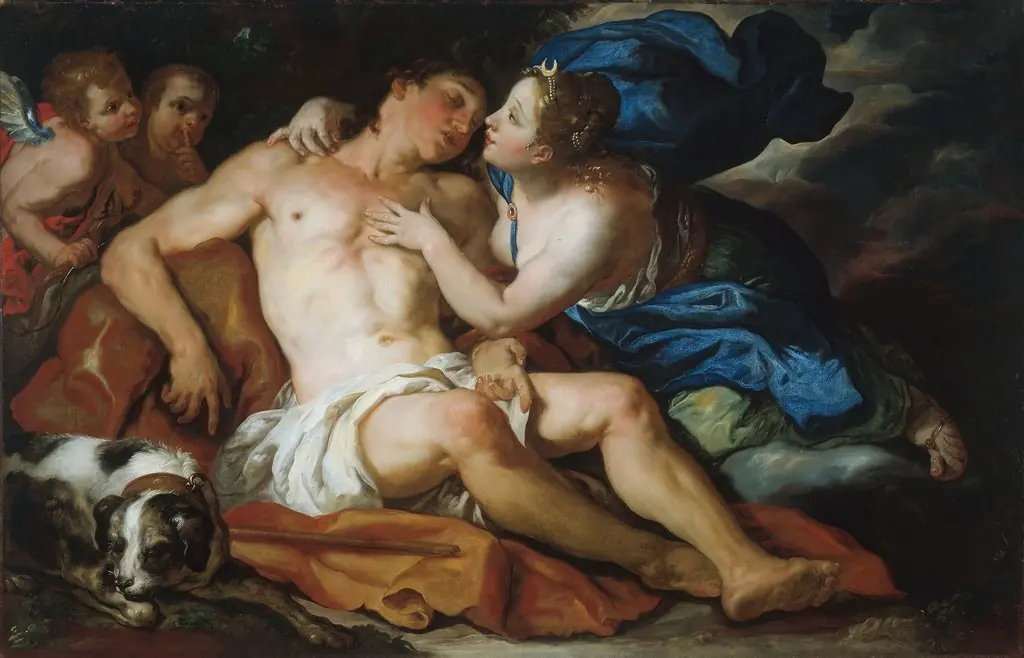
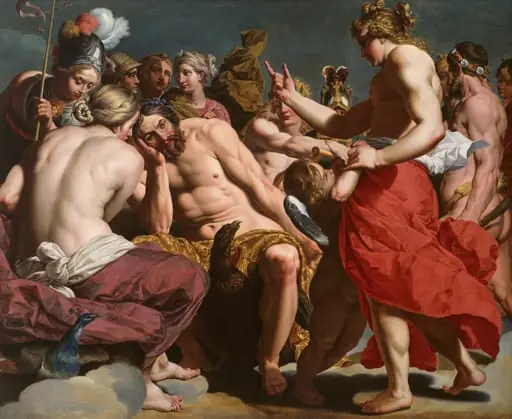
The scene illustrates the tragic climax of the myth of Cephalus and Procris, in which Cephalus, hunting in the woods, accidentally kills his wife Procris with an arrow, mistaking her for a wild animal. Procris, wounded and collapsing, is shown in anguish, while Cephalus, still holding his weapon, reacts with horror at his fatal error. The moment conveys the consequences of miscommunication and fate, common themes in Renaissance and Baroque mythological storytelling.
Technique & Style
Rombouts employs strong chiaroscuro to isolate the figures against a dark, undefined space, heightening the emotional gravity. The figures are rendered with naturalistic detail—Procris’s draped yellow garment contrasts with Cephalus’s crimson tunic—while their poses convey sudden motion and collapse. The brushwork is controlled yet expressive, emphasizing texture in fabric and skin, and the lighting directs attention to the wound and the pair’s faces, amplifying the narrative tension.
History & Provenance
Created in the early 17th century, the painting entered the collection of the State Hermitage Museum in the 19th century, likely through acquisitions from European private collections. Its attribution to Rombouts has been consistently supported by stylistic analysis and documentary evidence. It remains one of the few surviving mythological works by the artist, distinguishing it from his more numerous genre and religious paintings.
Context
Rombouts worked in Antwerp during a period when Caravaggism was spreading through Northern Europe, adopted by artists seeking emotional realism and dramatic contrast. While many Flemish painters focused on religious subjects, Rombouts also explored classical myths, aligning with humanist interests of the time. His choice of this particular myth reflects a broader trend of illustrating tragic, psychologically complex stories from antiquity.
Legacy
Though Rombouts is better known for his genre scenes, this painting demonstrates his capacity to handle mythological drama with psychological depth. It contributes to the understanding of how Caravaggio’s innovations were adapted in the Flemish context, away from Italy’s grandeur toward intimate, visceral storytelling. The work remains a key reference for studies of early 17th-century narrative painting in the Low Countries.
Artist & collection
Artist
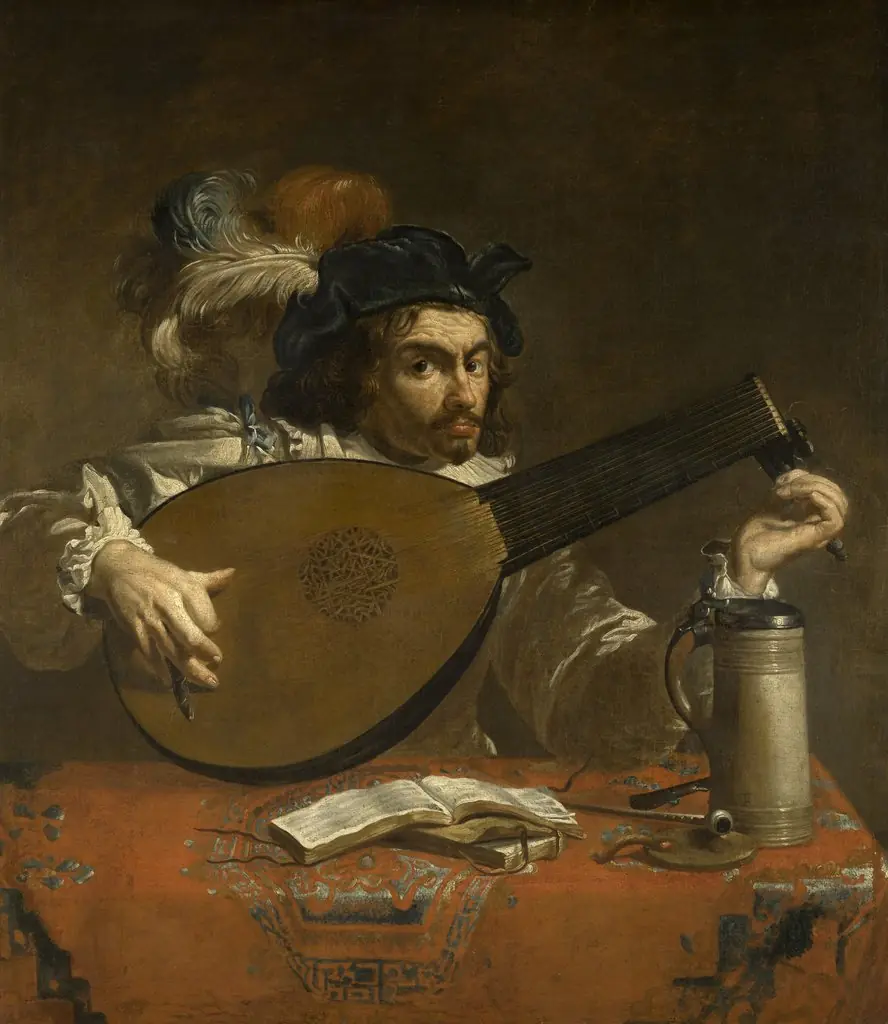
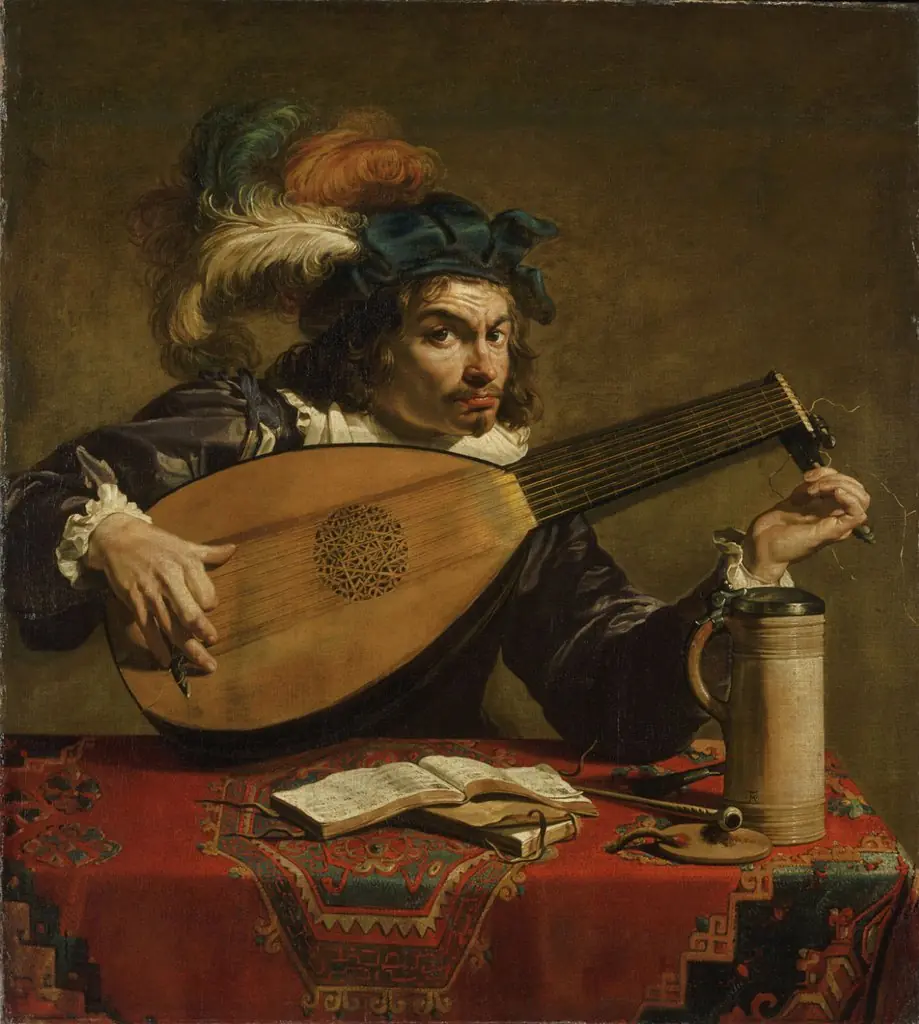
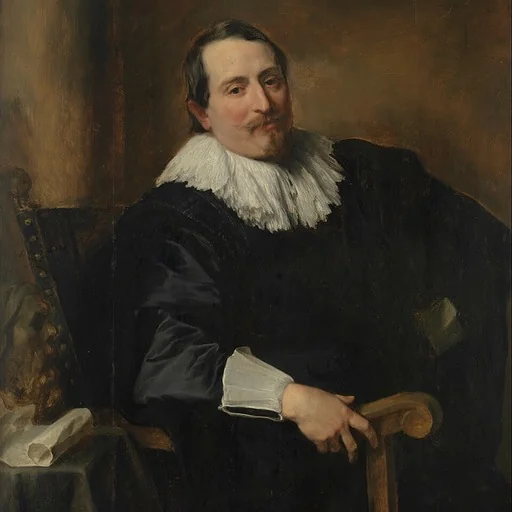
Theodoor Rombouts (2 July 1597 – 14 September 1637) was a Flemish painter who is mainly known for his Caravaggesque genre scenes depicting lively dramatic gatherings as well as religiously themed works.