Artwork
De tekenles
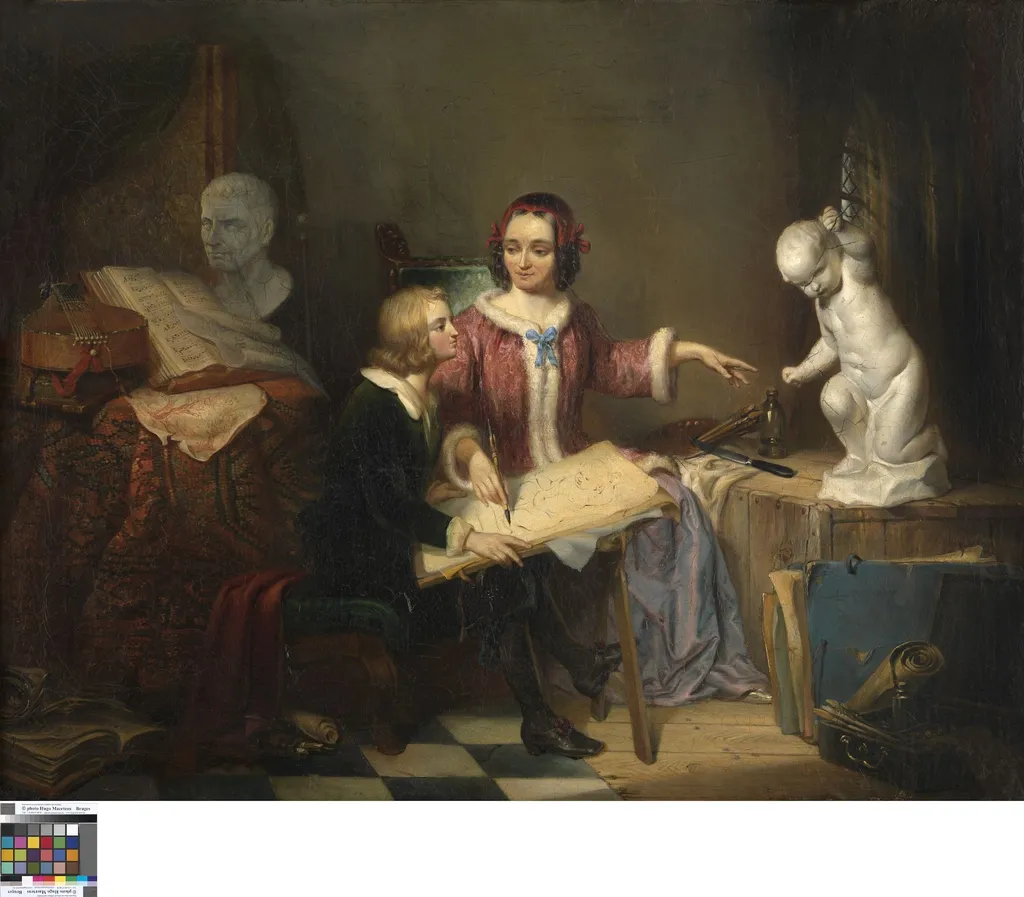
De tekenles is an oil painting by the Realist artist Bernard Cloet. It dates from 1815 and is held in the collection of the Groeningemuseum.
About this work
Overview
Painted in 1815 by Bernard Cloet, this oil work depicts a quiet instructional moment in a domestic interior. The scene centers on a woman and a boy engaged in a drawing lesson, surrounded by tools of artistic practice. The painting is part of the Groeningemuseum’s collection, where it remains as a record of early 19th-century artistic education and domestic life in Flanders.
Subject & Meaning
The presence of sculptures, books, and supplies implies an environment where art is both taught and valued as part of cultivated domestic life.
The composition captures a moment of transmission—between teacher and student, tradition and learning. The woman, dressed in refined attire, gestures toward a small statuette, guiding the boy’s observation. His focused posture and tools suggest active engagement. The presence of sculptures, books, and supplies implies an environment where art is both taught and valued as part of cultivated domestic life.
Technique & Style
Cloet employs chiaroscuro to model forms and define spatial depth, using strong contrasts between light and shadow to draw attention to the figures and key objects. The textures of fabric, wood, and stone are rendered with careful attention, while the checkered floor anchors the scene geometrically. The palette is restrained, emphasizing tonal harmony over vivid color, reinforcing the painting’s quiet, introspective mood.
History & Provenance
The painting has remained in institutional hands since at least the 19th century, entering the Groeningemuseum’s collection as part of its broader mission to preserve Flemish art. Its survival and continued display suggest early recognition of its documentary value, though little is documented about its commission or early ownership beyond its creation date and artist.
Context
In early 19th-century Flanders, artistic training often occurred within the home, especially among the middle and upper classes. The presence of classical statuary and drawing materials reflects a broader cultural emphasis on the arts as markers of refinement. Cloet’s scene aligns with this trend, portraying education not as formal instruction but as an intimate, daily practice.
Legacy
Though not widely known outside regional collections, the painting offers a rare glimpse into the domestic rituals of artistic learning in the Low Countries. Its quiet realism and attention to material detail make it a valuable artifact for understanding how art was transmitted beyond academies, within private spaces and everyday routines.
Artist & collection

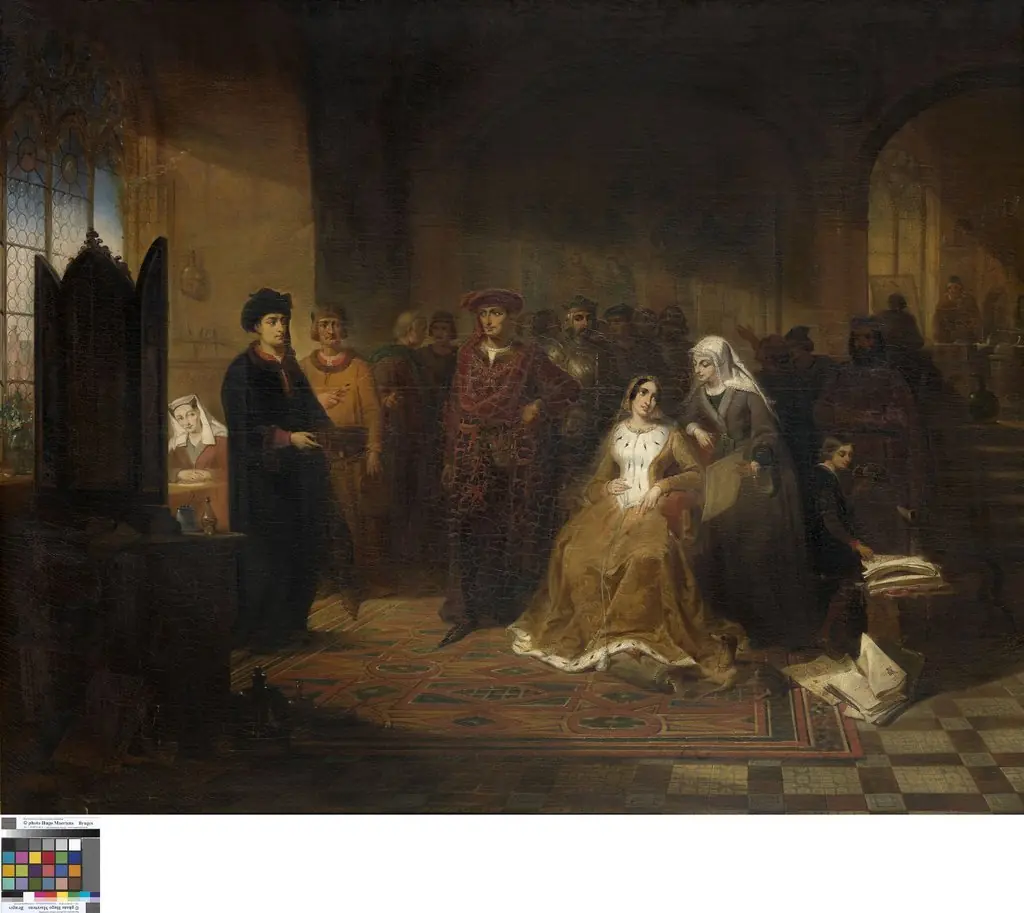 Filips de Goede bezoekt het atelier van Jan van Eyck
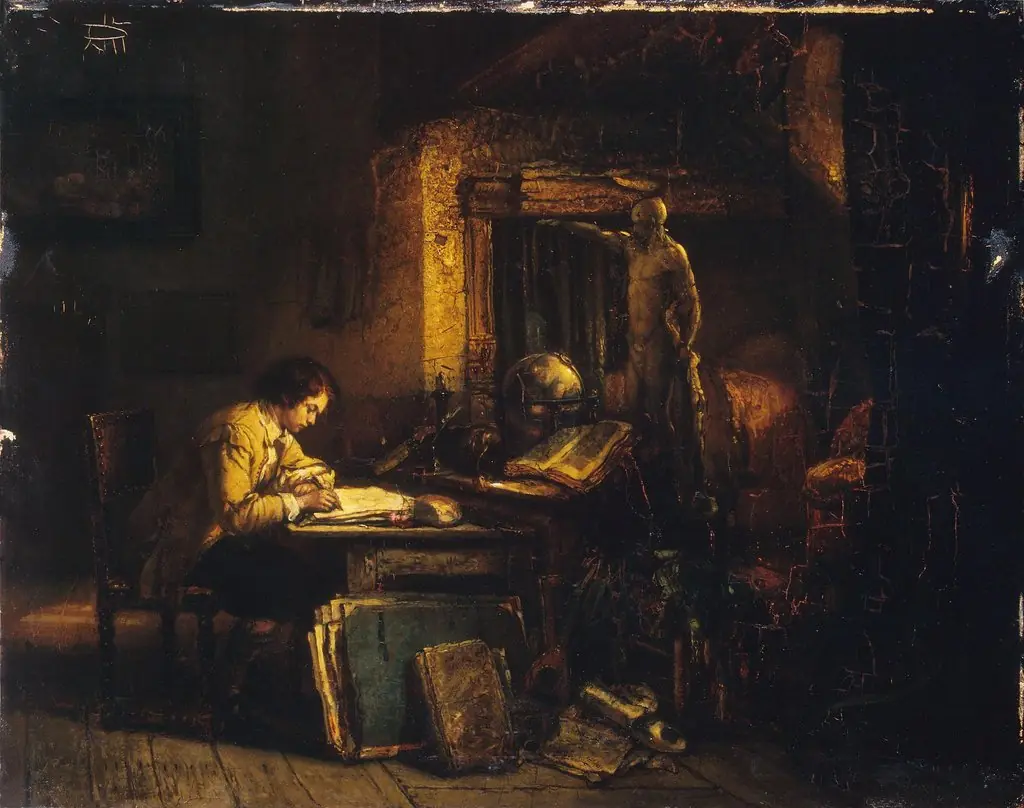 Artist in his Studio
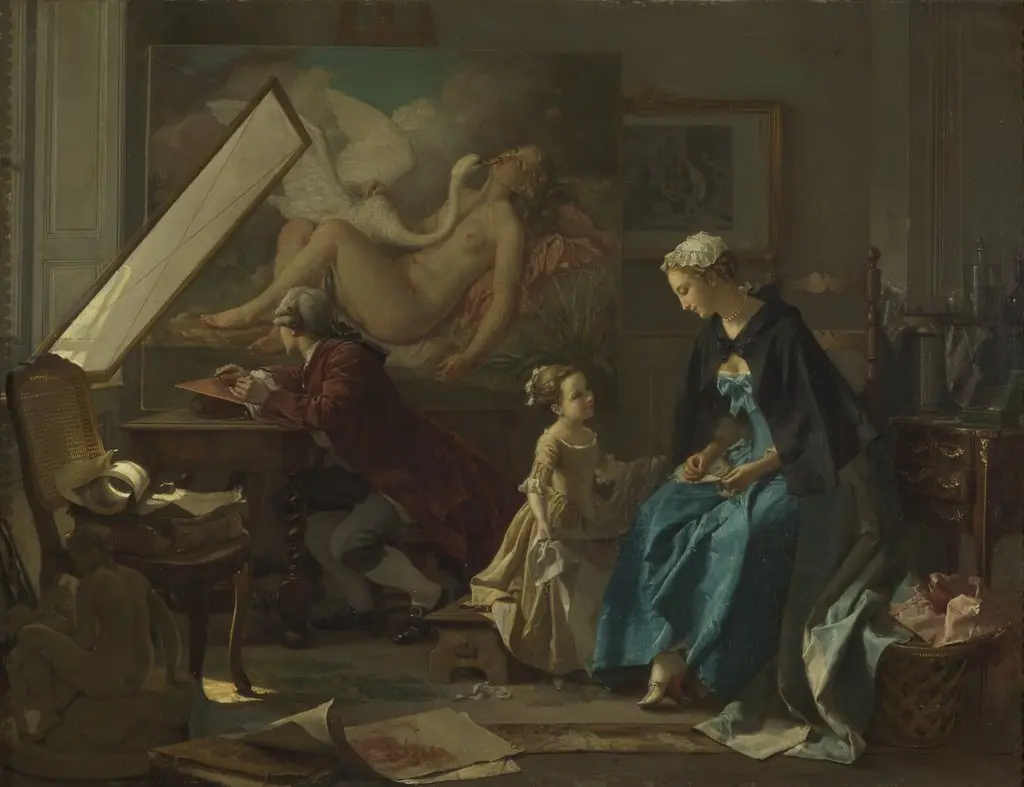 The Studio of the Engraver
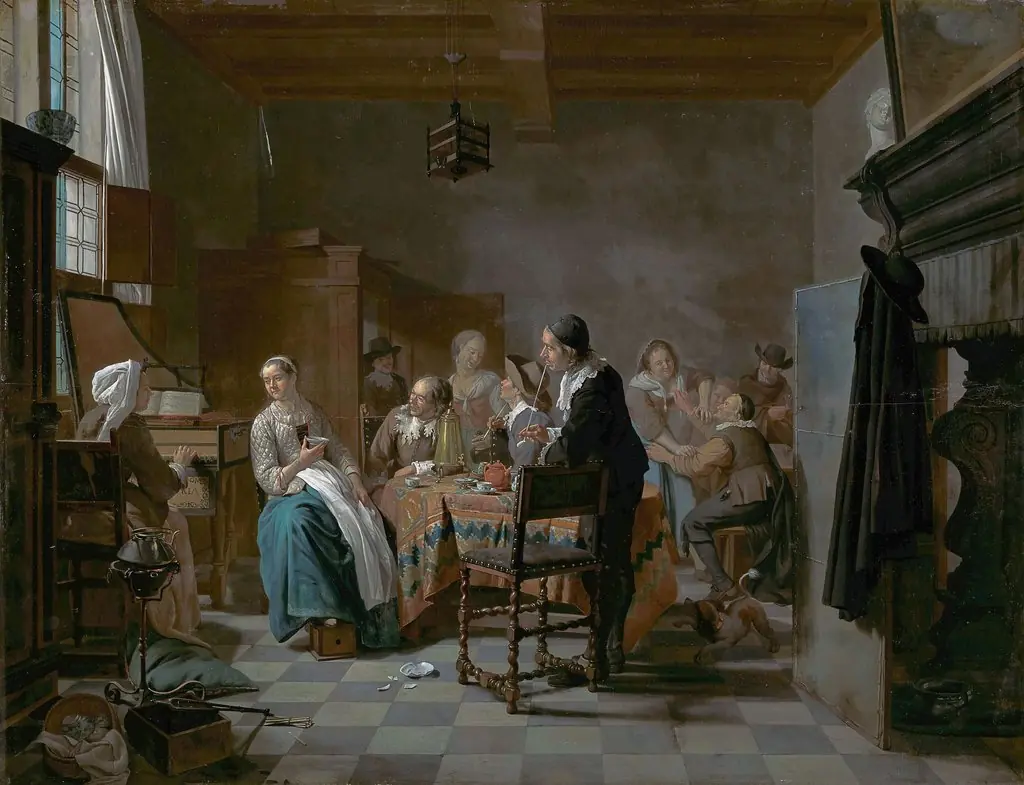 The New Song
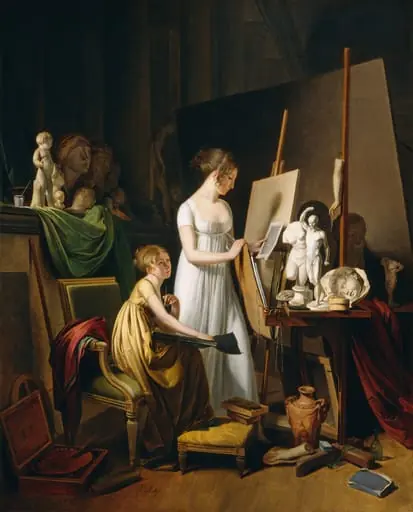 A Painter's Studio
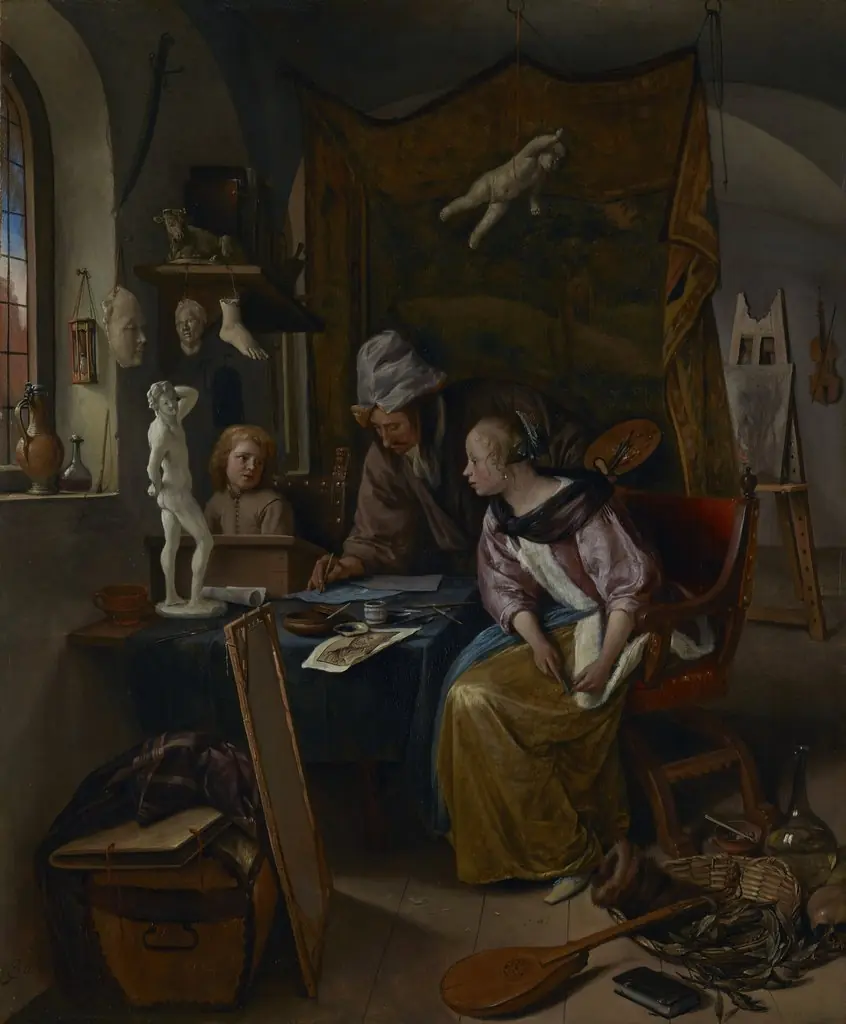 The Drawing Lesson
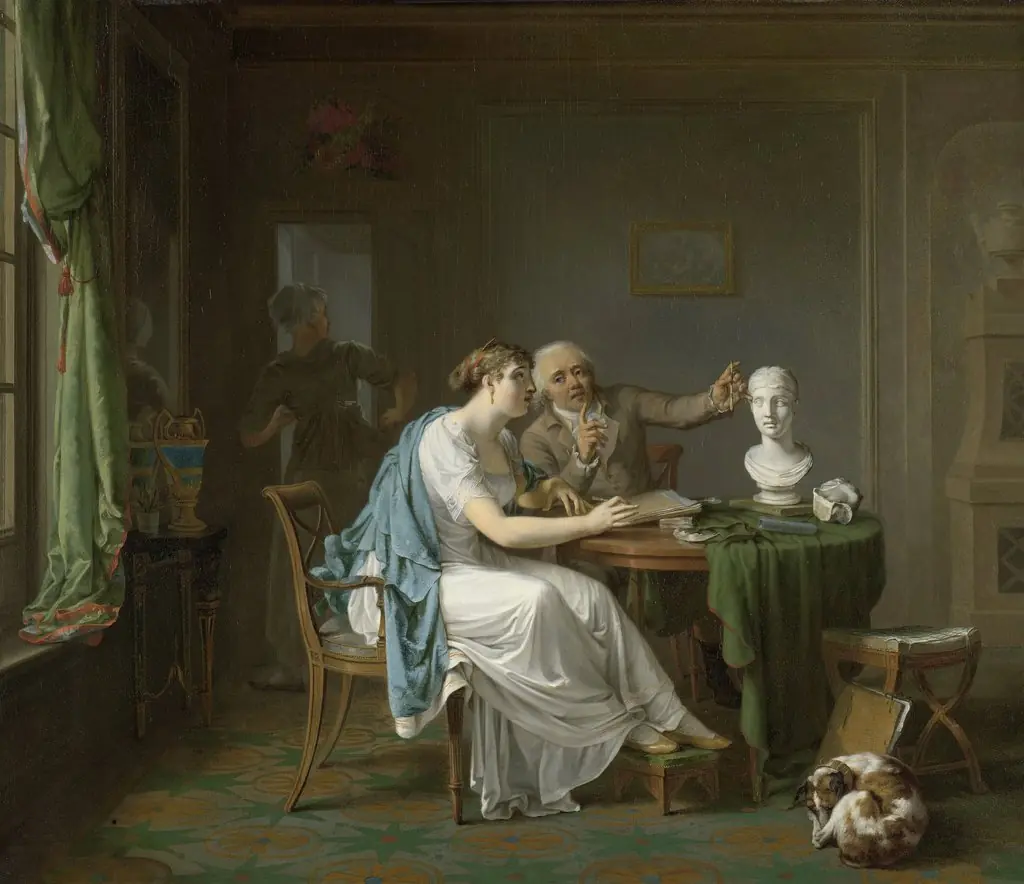 The Drawing Lesson
 The Art Gallery of Josephus Augustinus Brentano
 The Workshop of the Evangelist Luke
 The Sculptor's Studio
 Interior of a painter's workshop with visitors
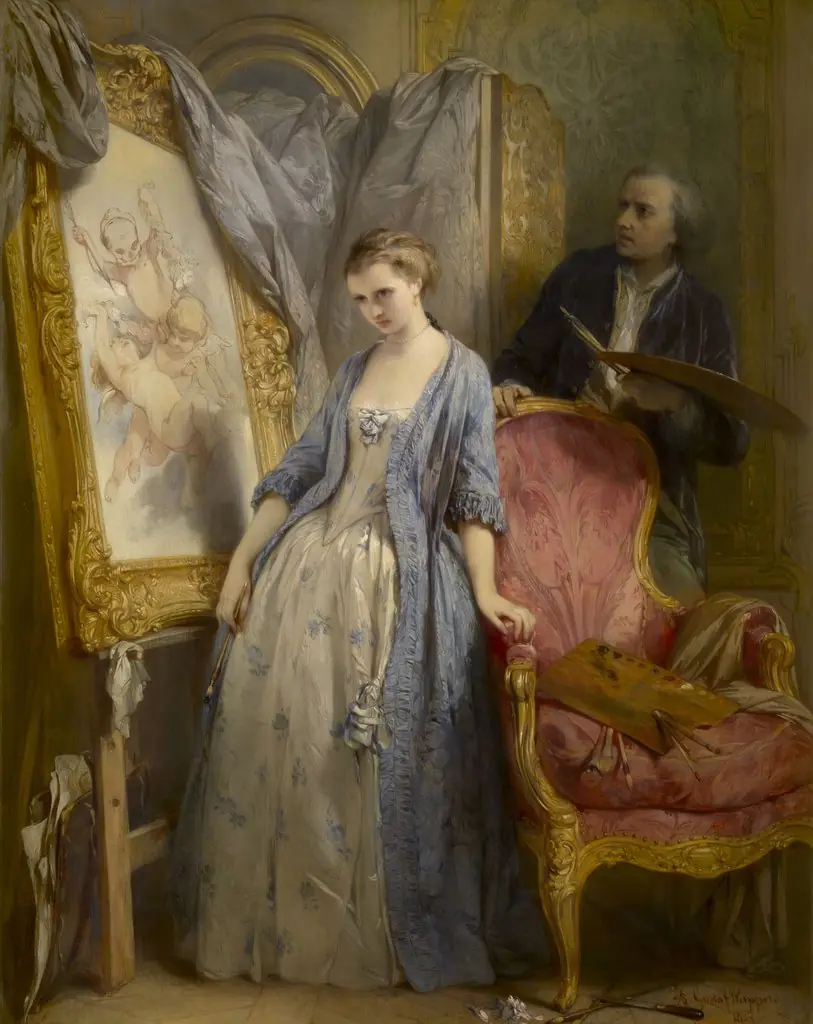 Young paintress in reverie