Artwork
Adoration of the Magi
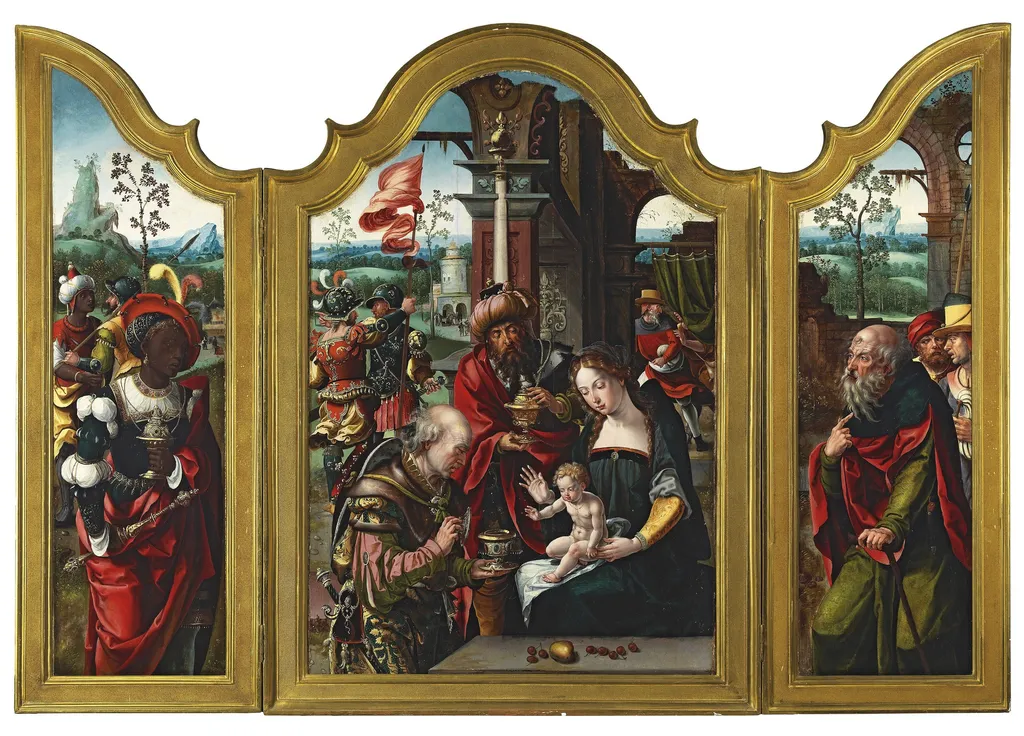
Adoration of the Magi is an oil painting by the Flemish Baroque painting artist Pieter Coecke van Aelst. It dates from 1533 and is held in the collection of The Phoebus Foundation.
About this work
Overview
Created in 1533, this oil on panel by Pieter Coecke van Aelst presents a triptych composition now in the collection of the Peabody Essex Museum.
Created in 1533, this oil on panel by Pieter Coecke van Aelst presents a triptych composition now in the collection of the Peabody Essex Museum. The central scene focuses on a newborn figure surrounded by a gathering of visitors, while the flanking panels extend the narrative with figures in richly detailed attire. The work exemplifies the balanced spatial organization typical of early 16th‑century Northern Renaissance painting.
Subject & Meaning
The central tableau portrays the biblical episode of the Magi’s homage, featuring the three traditional visitors—identified as Balthazar, Caspar and a third figure often associated with Joseph—offering gifts to the infant. One donor holds a small bowl, suggesting the offering of gold, while another kneels with clasped hands, emphasizing reverence. The side panels introduce additional characters, including a sword‑bearing figure and a contemplative onlooker, expanding the theme of worldly authority acknowledging the divine.
Technique & Style
Coecke van Aelst employs oil pigments to achieve a subdued, earthy palette that unifies the three panels. Fine brushwork renders intricate fabrics and armor, while atmospheric perspective is suggested by distant trees, low‑lying structures, and a muted mountain horizon. The muted tones and careful modeling of light create a sense of solemnity, aligning the work with the restrained aesthetic of the Northern Renaissance.
History & Provenance
The triptych was completed in 1533 and has remained in private and institutional hands before entering the Peabody Essex Museum’s holdings. Documentation traces its ownership through several European collections, reflecting the work’s appeal to collectors of religious art in the centuries following its creation.
Context
During the early 1500s, the depiction of the Adoration of the Magi was a popular subject for devotional works, allowing artists to explore themes of pilgrimage, wealth, and piety. Coecke van Aelst, active in the Flemish artistic milieu, integrated both local costume details and broader biblical iconography, situating the painting within the cross‑cultural exchanges of the Renaissance.
Artist & collection
Artist
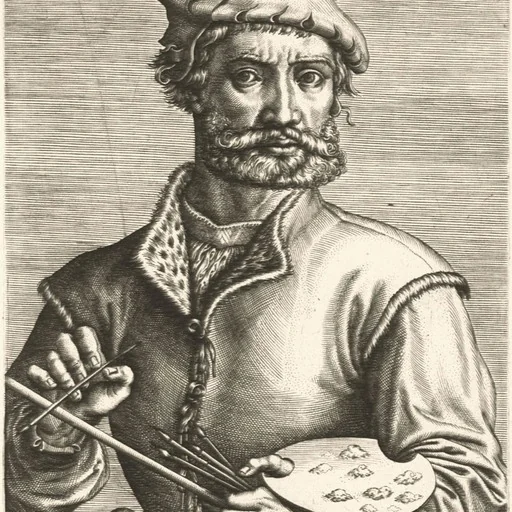
Pieter Coecke van Aelst or Pieter Coecke van Aelst the Elder was a Flemish painter, sculptor, architect, author and designer of woodcuts, goldsmith's work, stained glass and tapestries.

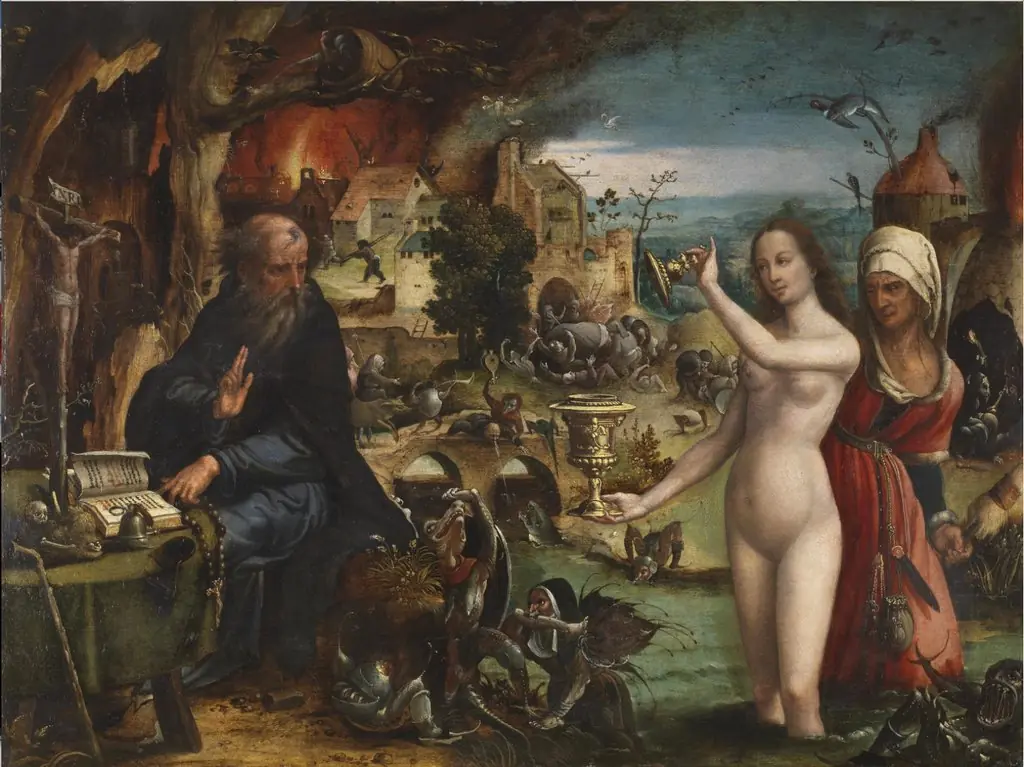 The Temptations of Saint Anthony Abbot
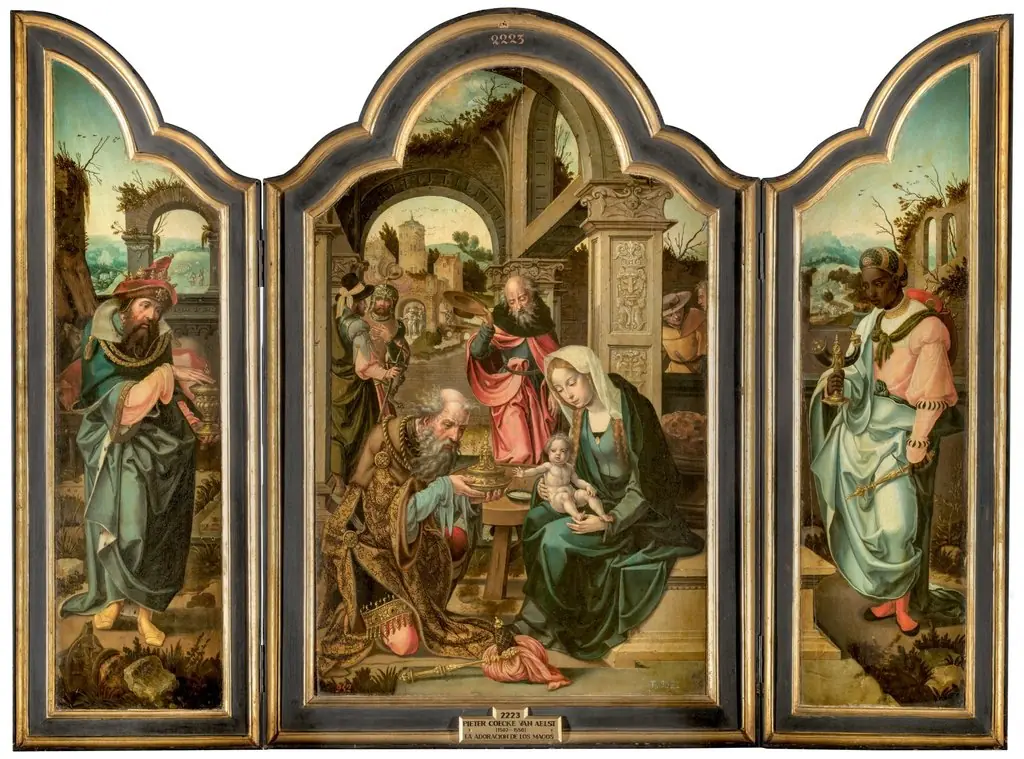 The Adoration of the Magi
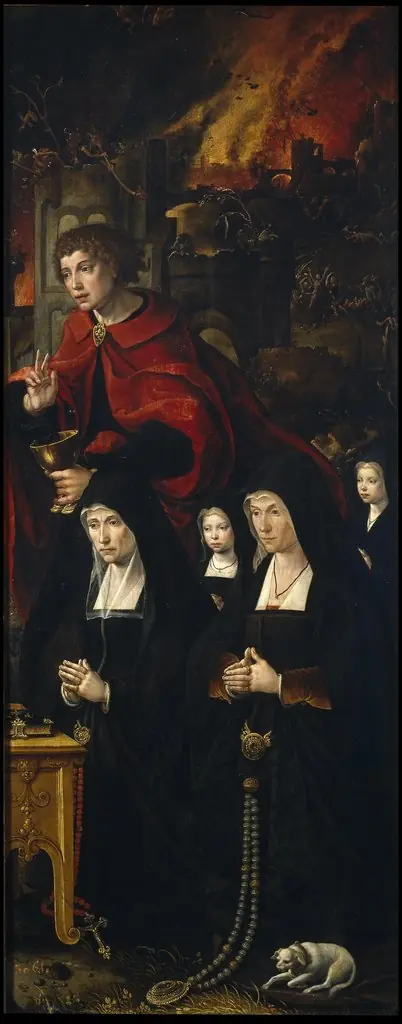 Saint John the Evangelist with Two Ladies and Two Girls (front). Saint Hadrian (reverse)
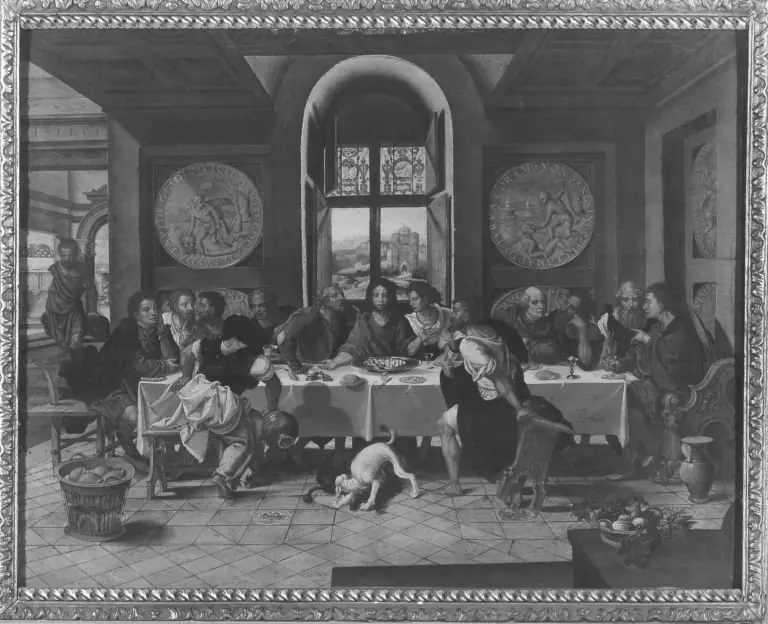 The Last Supper
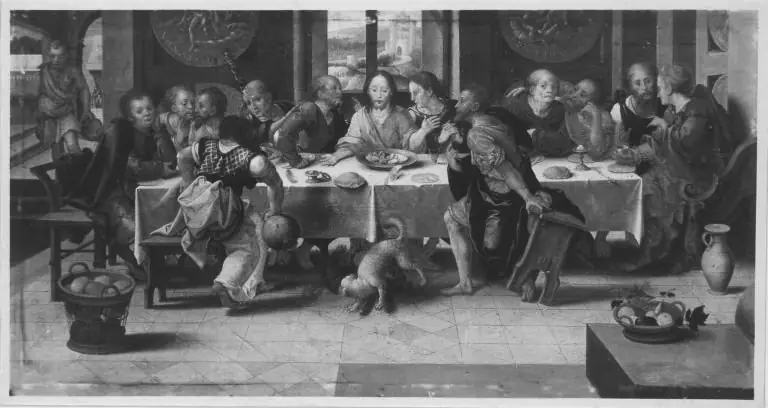 Last Supper
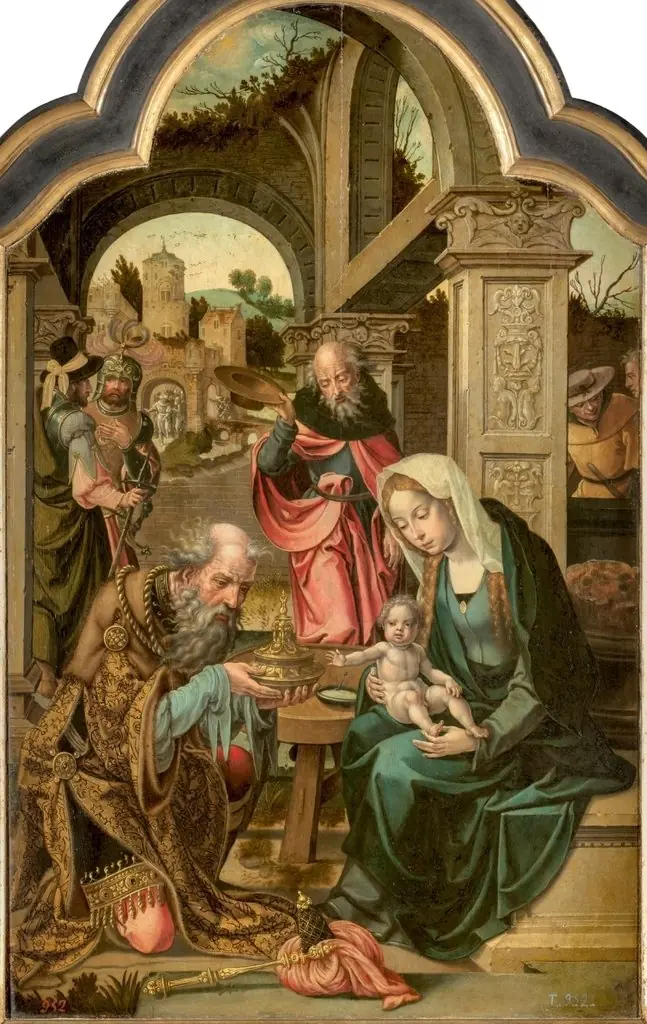 Adoration of the Magi
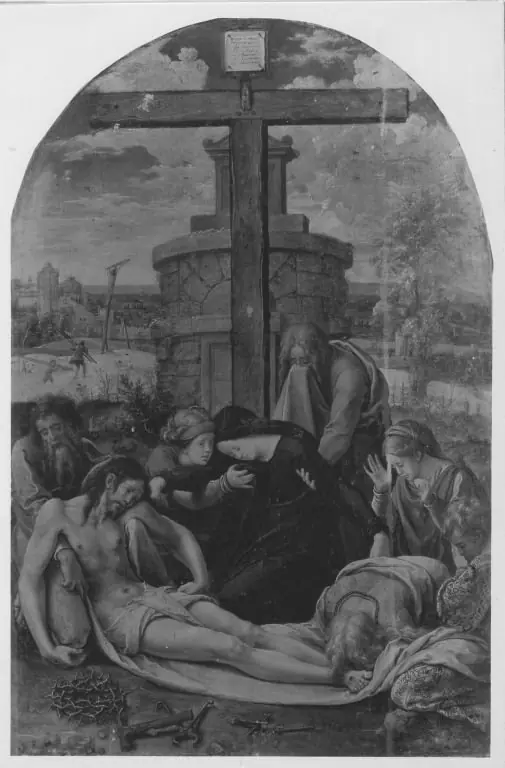 Lamentation of Christ (after Raphael)
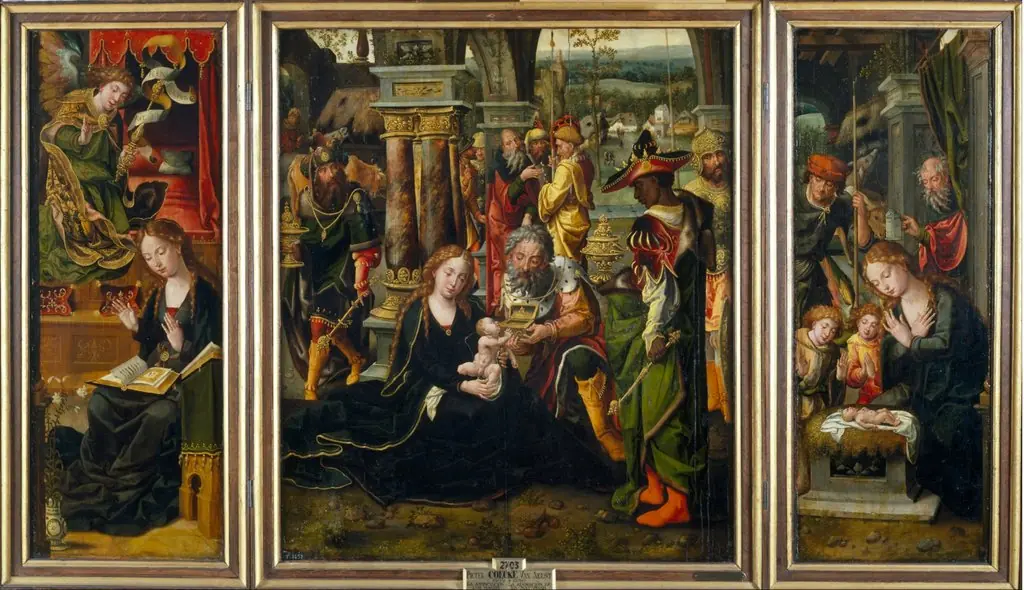 Triptych with the Annunciation, the Adoration of the Magi and the Nativity with Angels and Shepherds
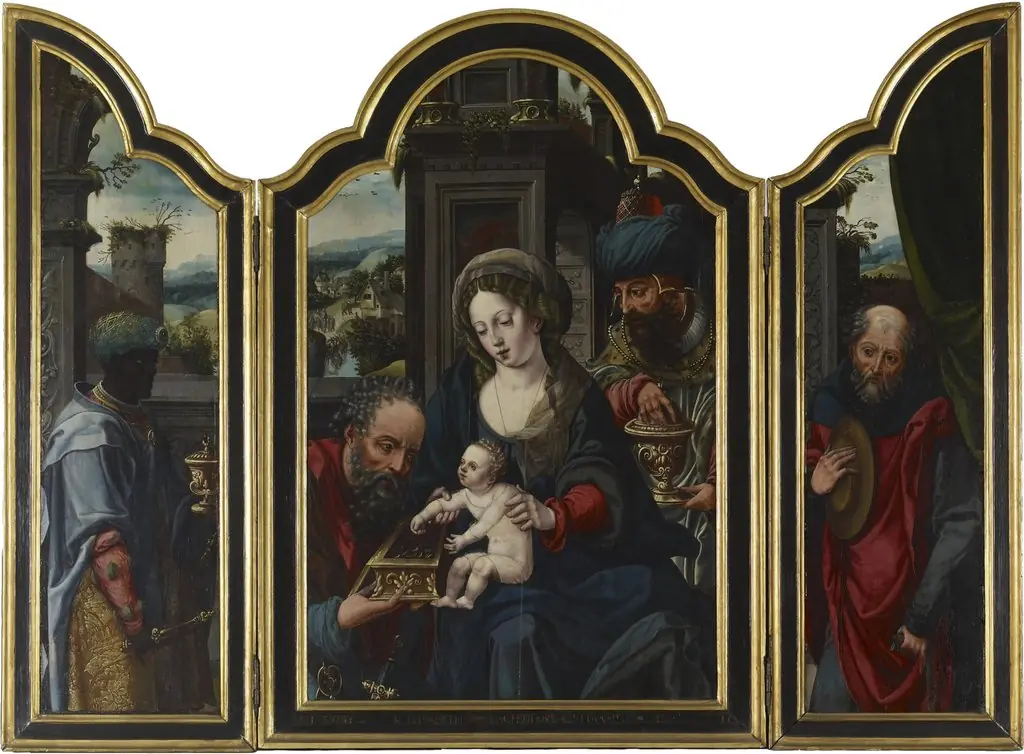 Adoration of the Magi
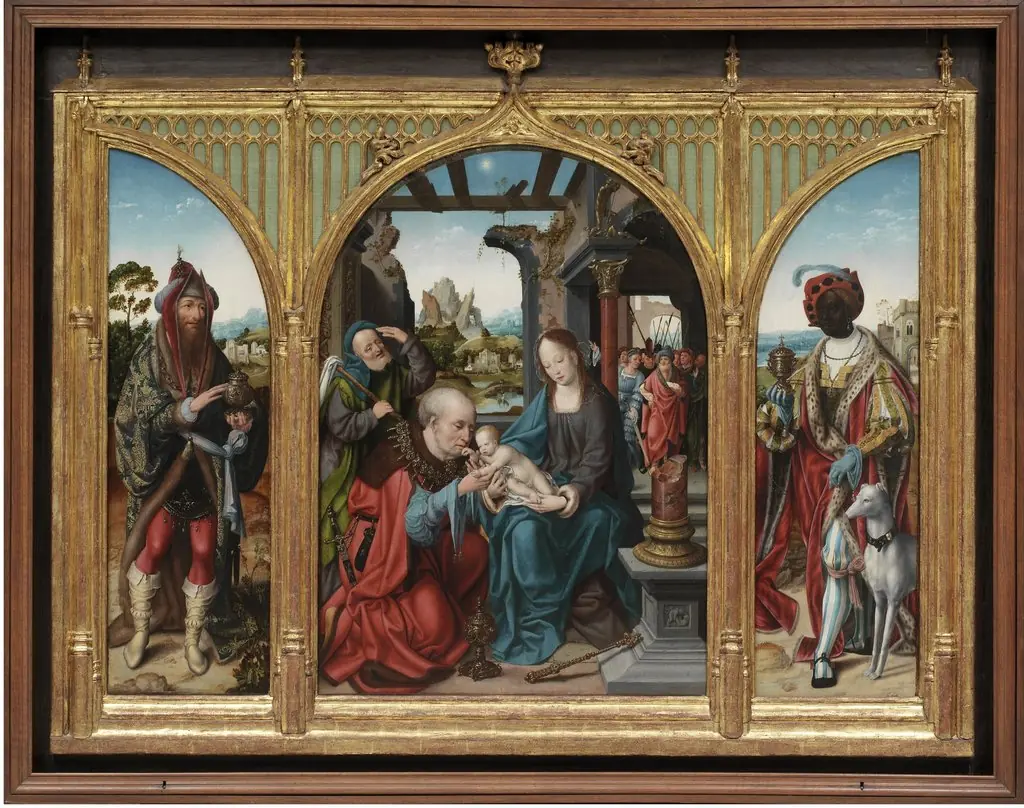 Adoration of the Magi
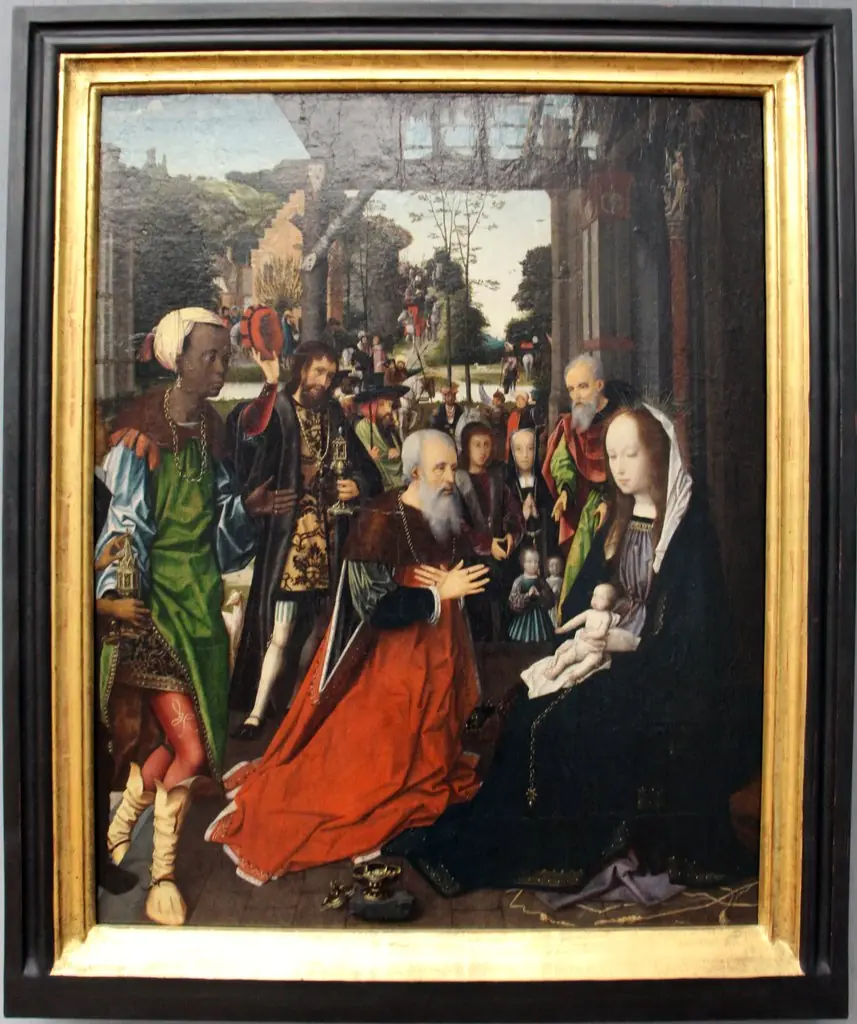 Adoration of the Magi
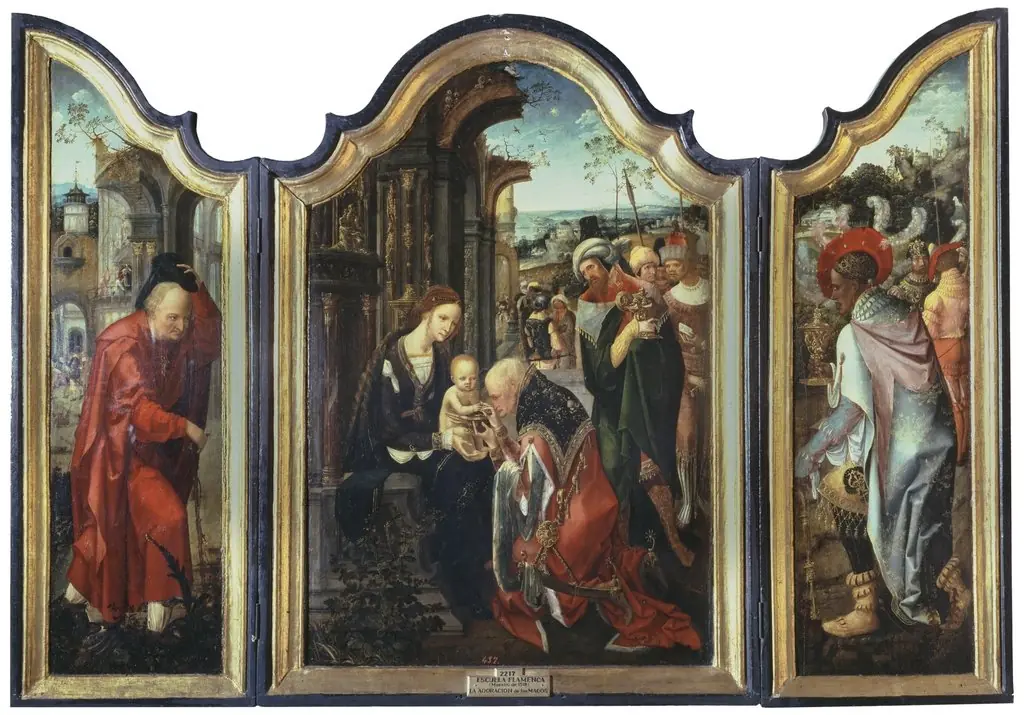 Adoration of the Magi
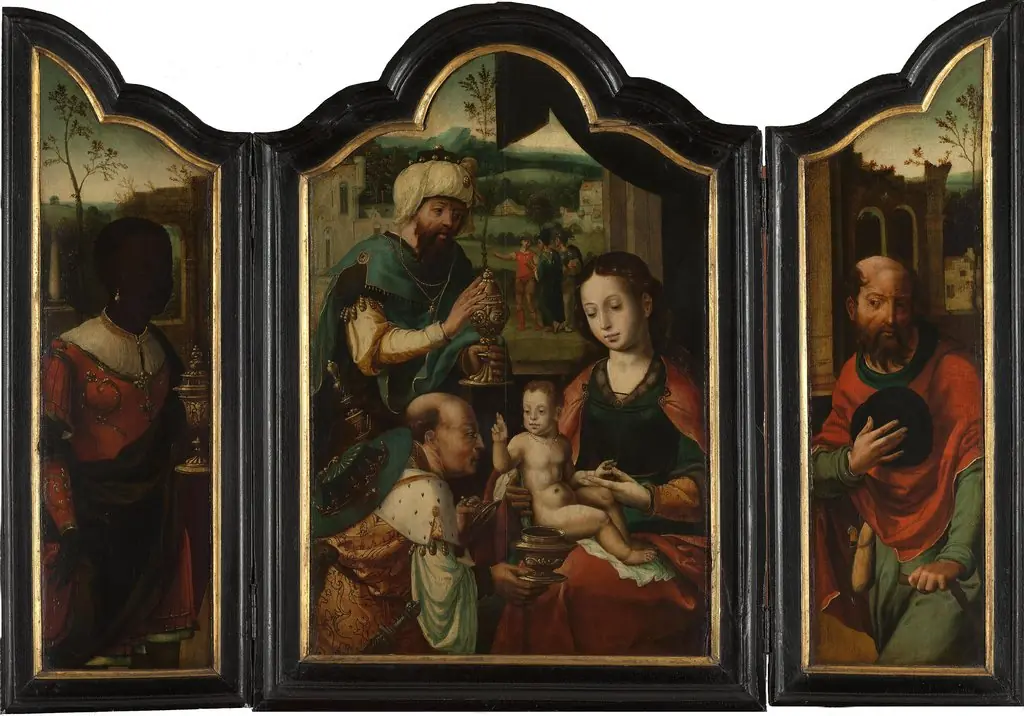 Triptych with Adoration of the Magi
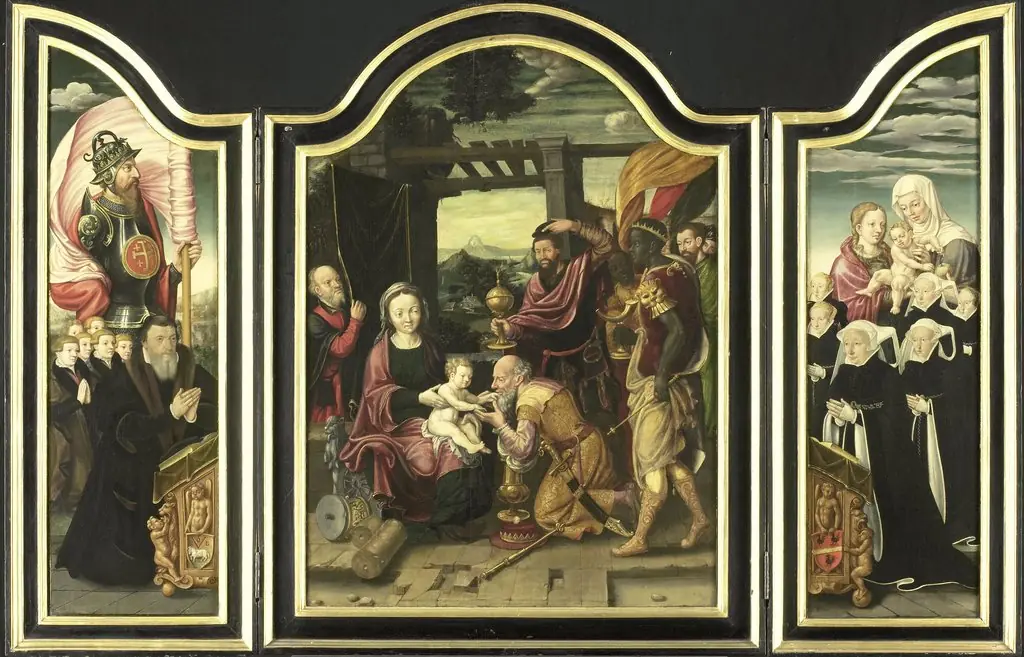 Triptych with the Adoration of the Magi
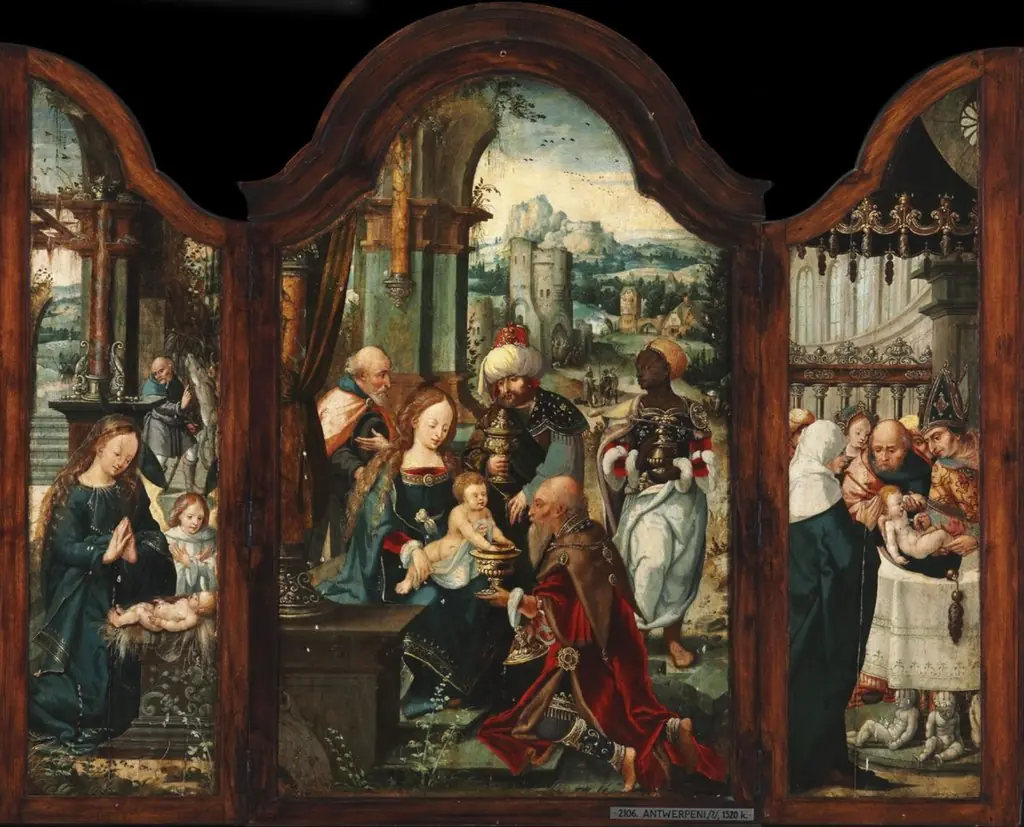 Triptych. Central panel: The Adoration of the Magi; left wing: The Nativity; right wing: The Circumcision
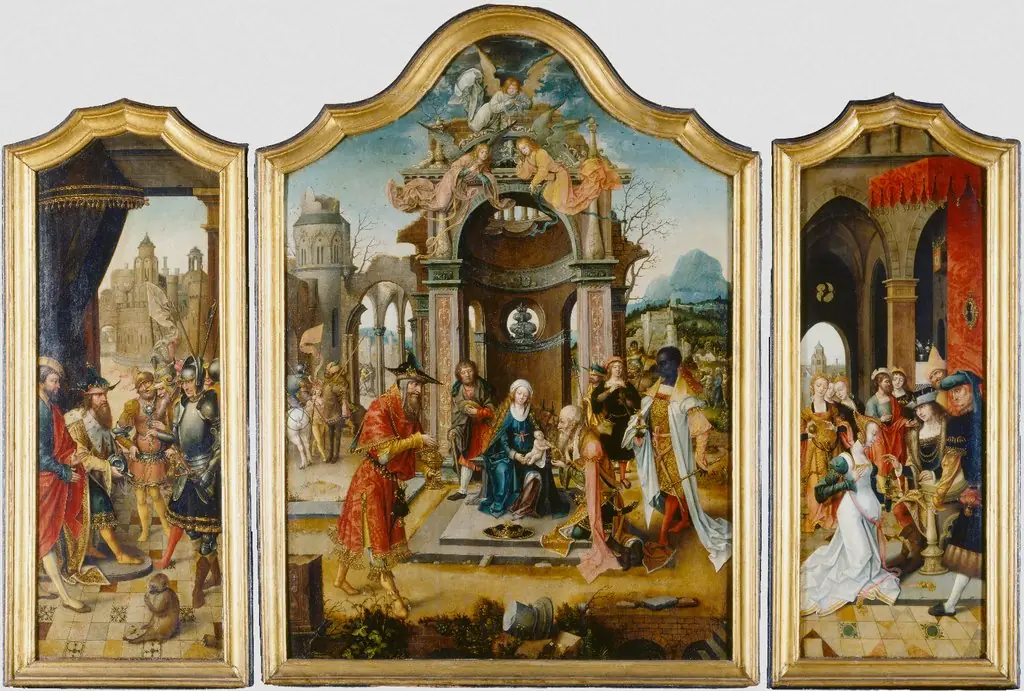 Triptych of the Adoration of the Magi
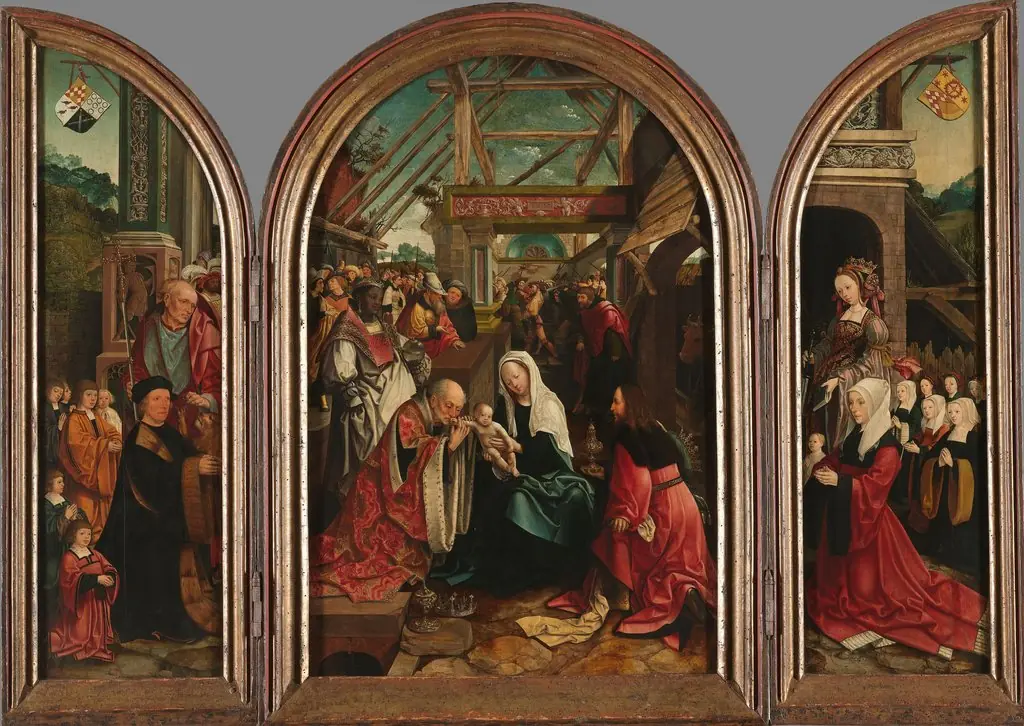 The Adoration of the Magi
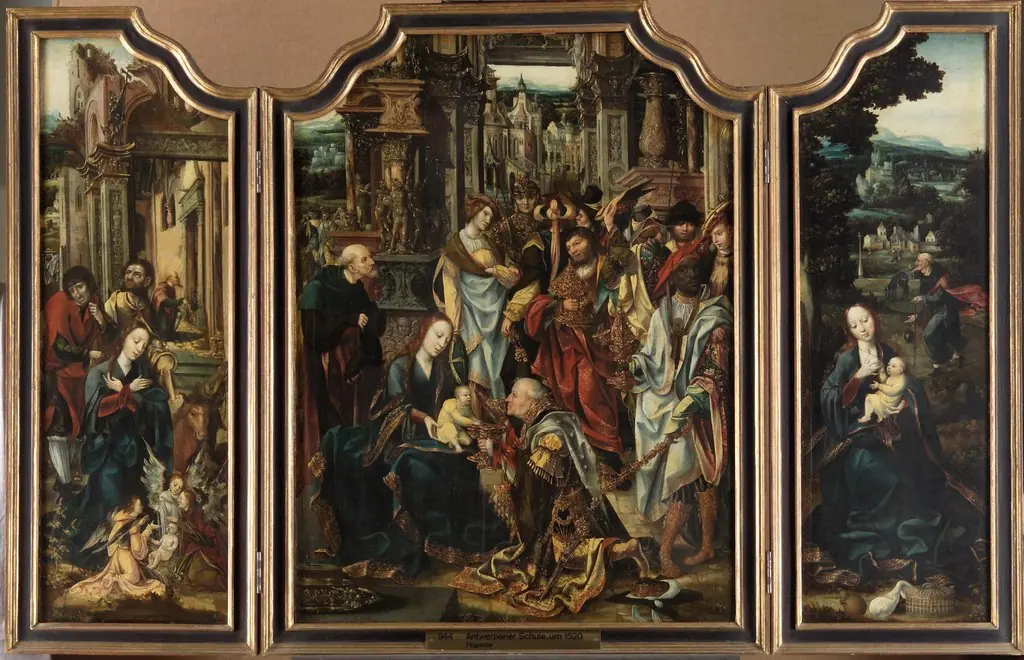 Flügelaltar; Mittelbild: Anbetung der Könige; linker Flügel: Anbetung der Hirten; rechter Flügel: Ruhe auf der Flucht nach Ägypten