Artwork
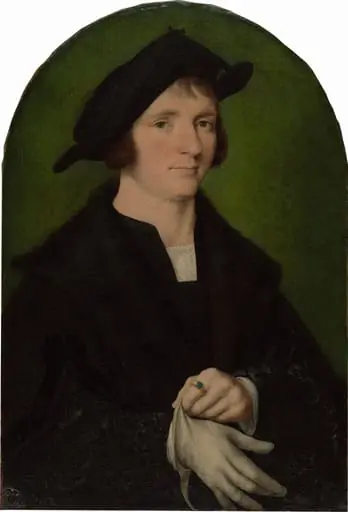
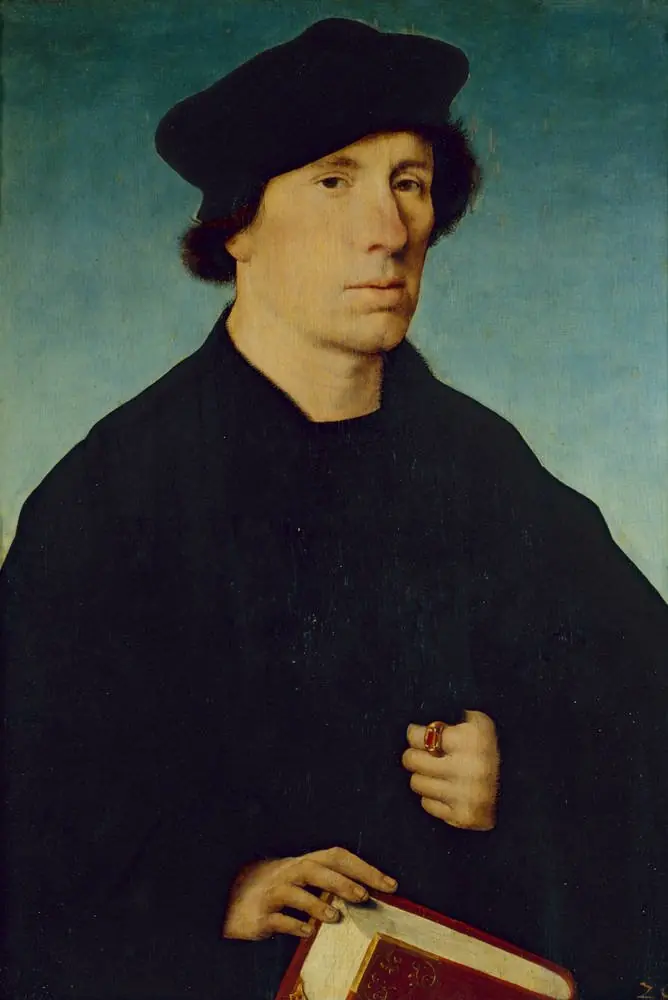
Portrait of a man
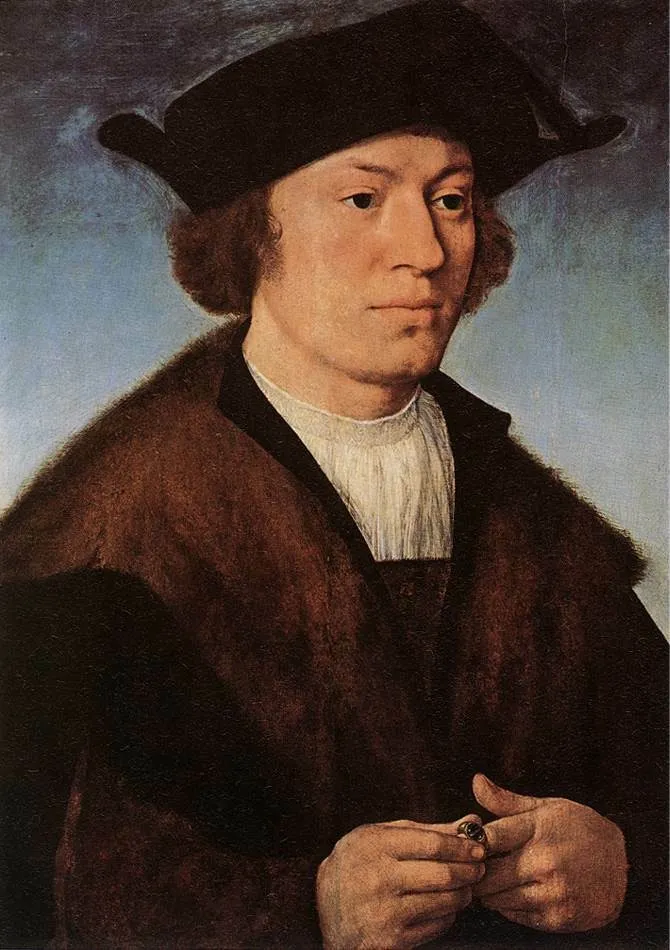
Portrait of a man is an oil painting by the Northern Renaissance artist Joos van Cleve. It dates from 1520 and is held in the collection of the Uffizi Gallery.
About this work
Overview
The work belongs to the Northern Renaissance tradition, combining local Flemish methods with emerging Renaissance ideals of individuality and naturalism.
Painted in 1520 by Joos van Cleve, this oil portrait captures a man of modest means with quiet dignity. Van Cleve, active in Antwerp during the early 16th century, was known for his refined technique and attention to detail. The work belongs to the Northern Renaissance tradition, combining local Flemish methods with emerging Renaissance ideals of individuality and naturalism. It is now part of the Uffizi Gallery’s collection in Florence.
Subject & Meaning
The sitter, dressed in a dark coat with a fur collar and a white ruff, holds a small ring between his fingers, suggesting personal identity or social status. His expression is composed—serious yet softened by a faint smile—conveying introspection rather than grandeur. The plain background eliminates distraction, emphasizing the man’s presence and the subtle cues of his attire, which may indicate his profession or civic role.
Technique & Style
Van Cleve employed layered oil glazes to achieve lifelike textures in skin and fabric, rendering the fur collar and linen ruff with precise brushwork. The lighting is even and subtle, avoiding dramatic contrasts but still modeling form through gentle tonal shifts. The smooth transitions between tones and the meticulous rendering of details reflect the influence of Early Netherlandish painting, while the focus on individual character aligns with Renaissance portraiture.
History & Provenance
The painting entered the Uffizi Gallery’s collection in the 18th century, likely through Medici acquisitions or later donations. Its documented history before that is limited, though its style and signature suggest it was produced in Antwerp during van Cleve’s mature period. It has remained largely unchanged since its creation, preserving the original composition and surface quality.
Context
In early 16th-century Antwerp, portraiture flourished as a market for wealthy merchants and civic leaders. Van Cleve catered to this demand, blending local traditions with Italianate innovations. This portrait reflects a shift from religious imagery toward secular subjects, emphasizing personal identity. The ring, though small, may signify marriage, profession, or social affiliation—common symbolic elements in Northern Renaissance portraiture.
Legacy
Joos van Cleve’s work influenced later Flemish painters through his balanced compositions and attention to material detail. Though less celebrated than contemporaries like Holbein, his portraits contributed to the evolution of individualized representation in Northern Europe. This painting exemplifies the quiet, observational approach that defined much of 16th-century Flemish art, preserving the likeness of an ordinary man with enduring clarity.
Artist & collection
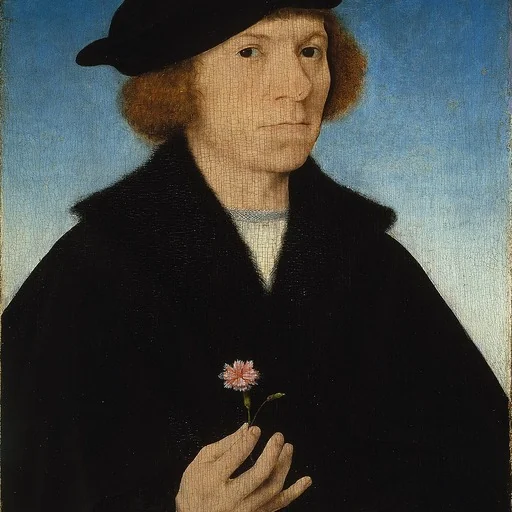
Artist
Joos van Cleve (; also Joos van der Beke; c. 1485–1490 – 1540/1541) was a leading painter active in Antwerp from his arrival there around 1511 until his death in 1540 or 1541. Within Dutch and Flemish Renaissance…

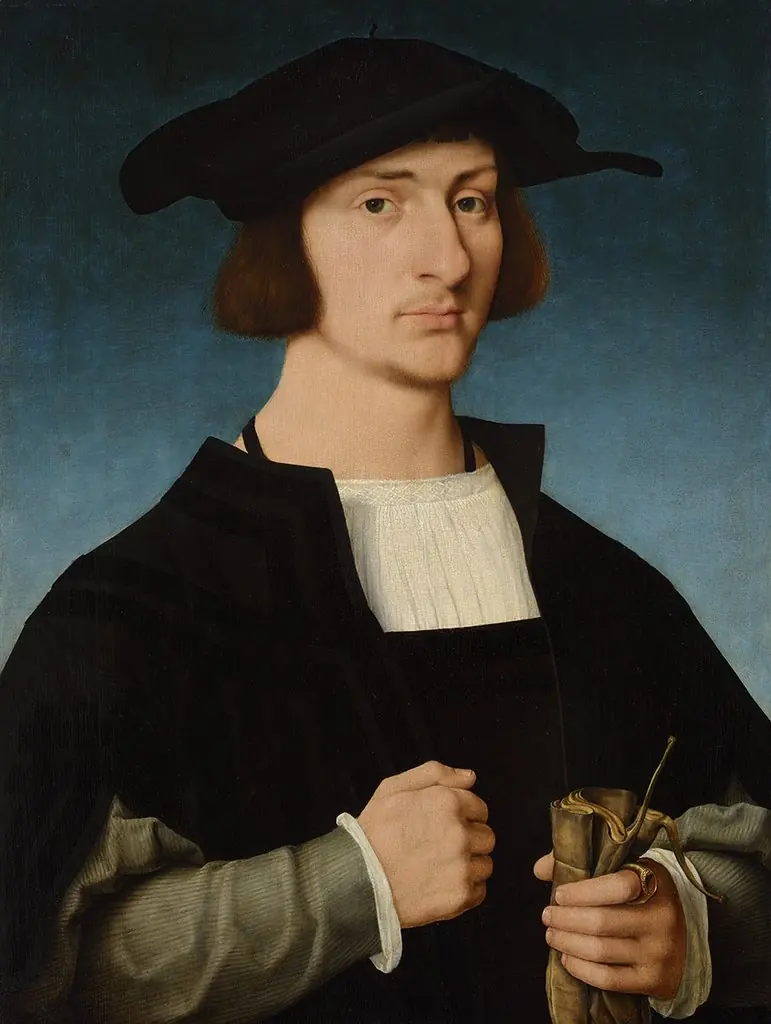 Portrait of a Young Man (Lyons)
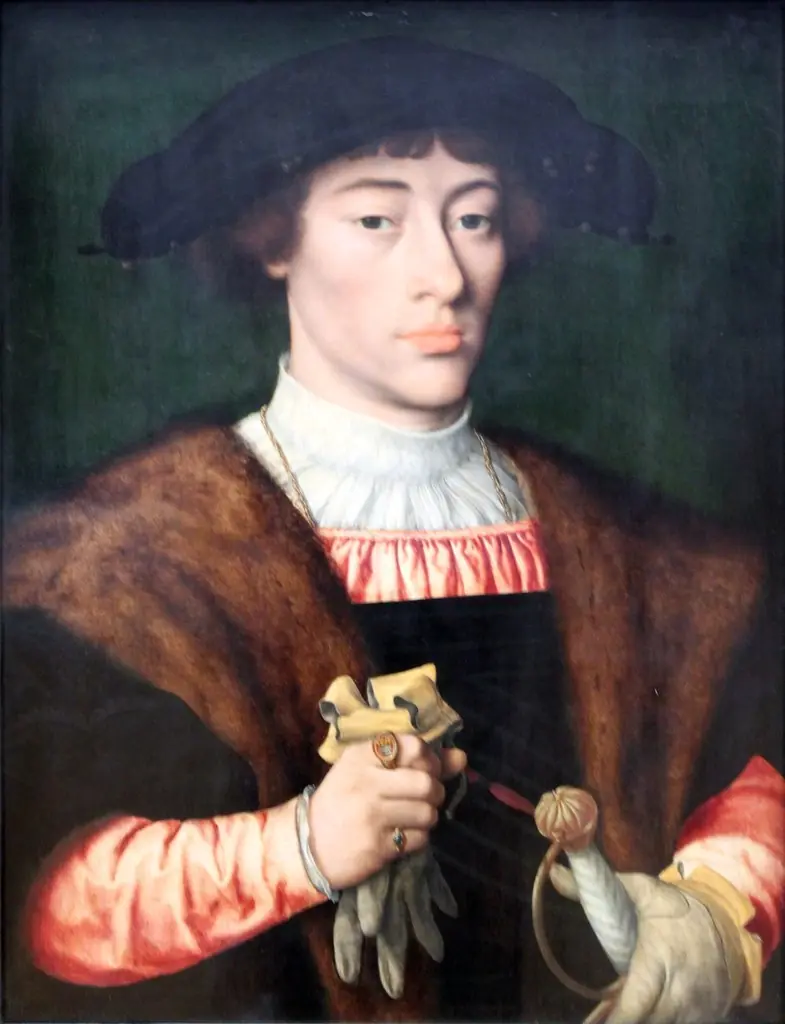 Portrait of a Man with Gloves
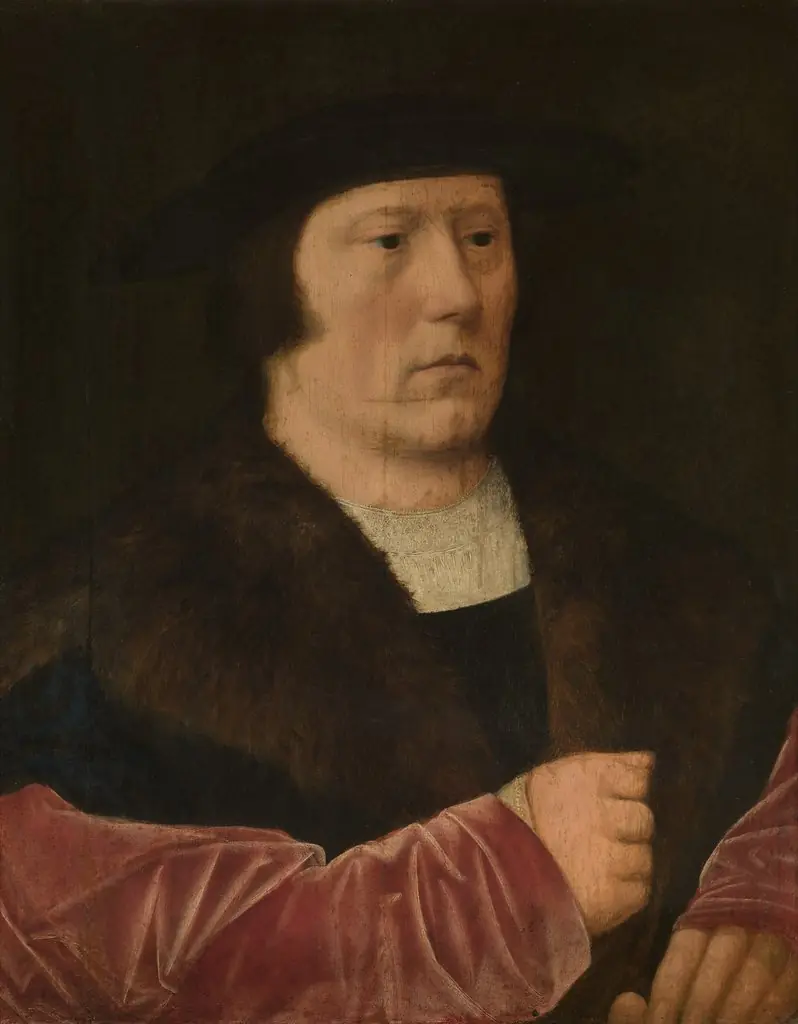 Portrait of a Man
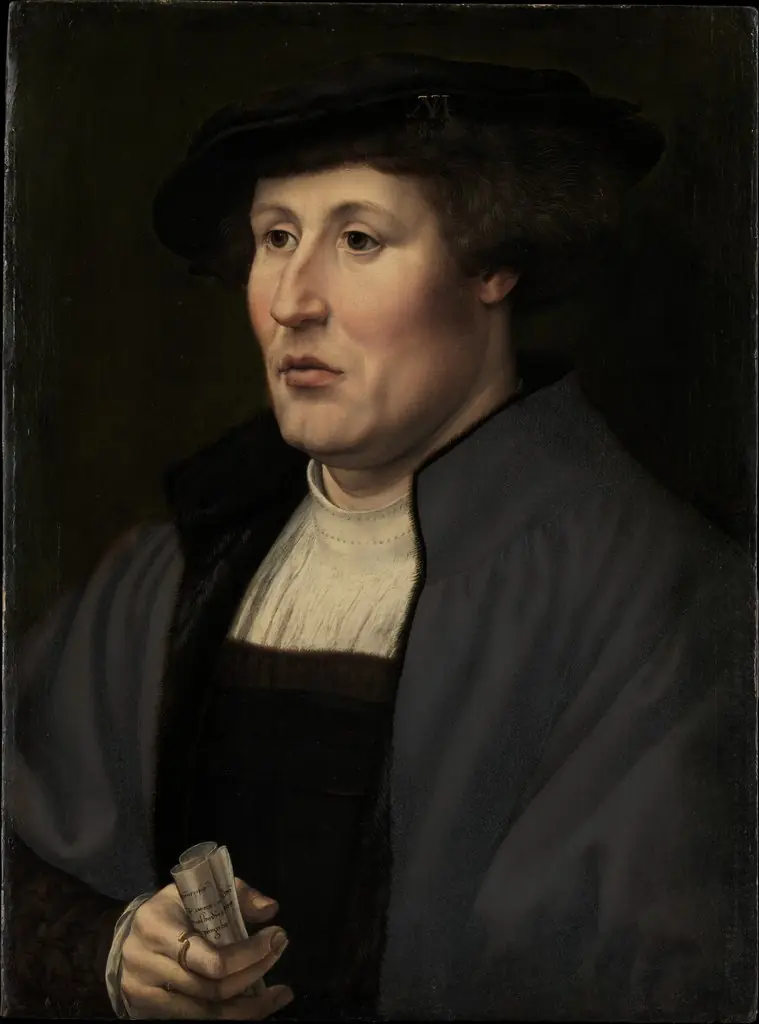 Portrait of a Man
 Portrait of Heinrich Knoblauch
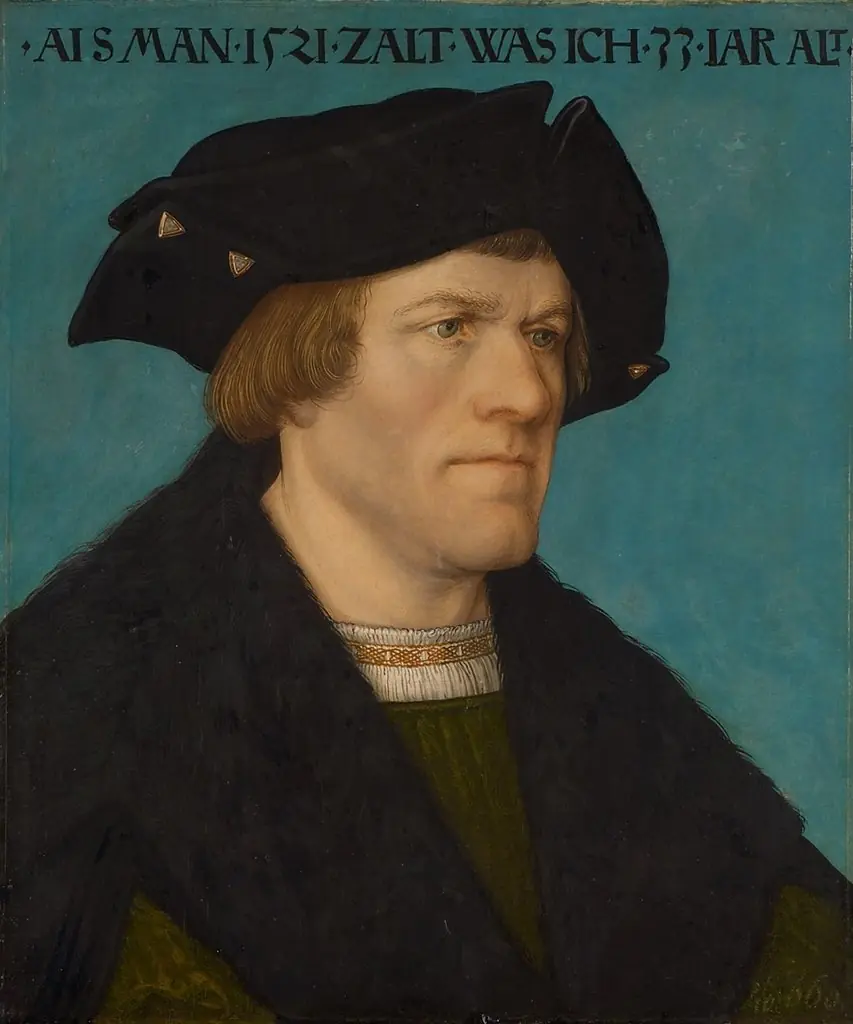 Portrait of a beardless man
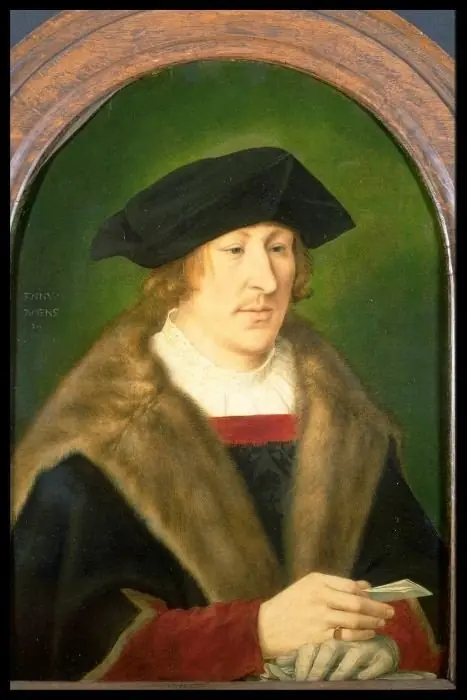 Portrait of a man with a letter in his hand
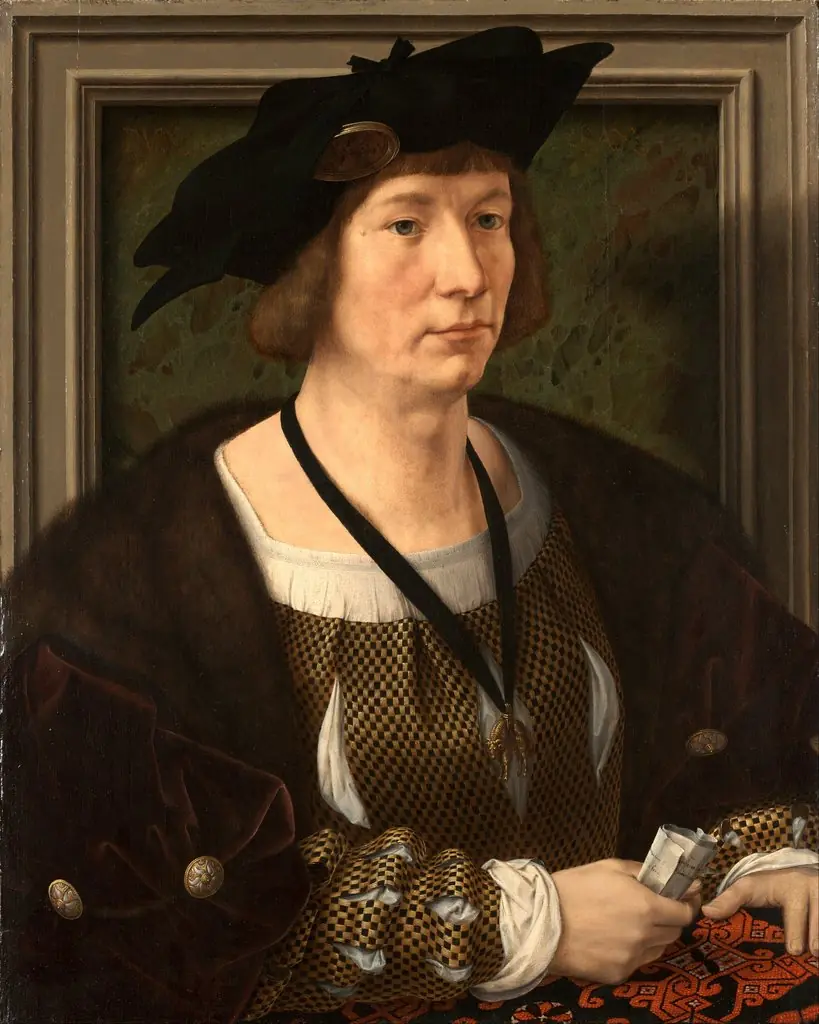 Portrait of Hendrik III, Count of Nassau-Breda
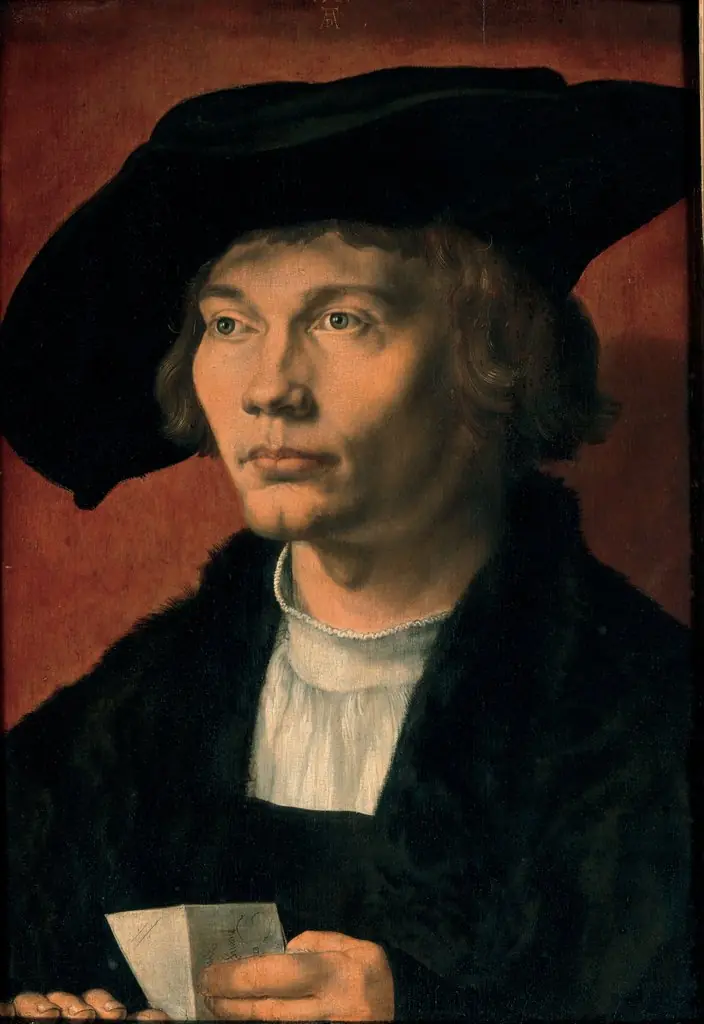 Portrait of Bernhart von Reesen
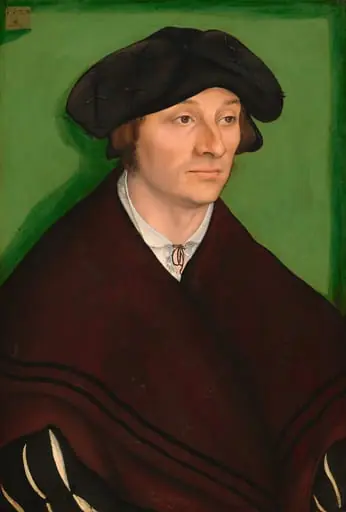 Portrait of a Man
 Portrait of a Beardless Man
 Portrait of an Unknown Man