Artwork
The Adoration of the Magi
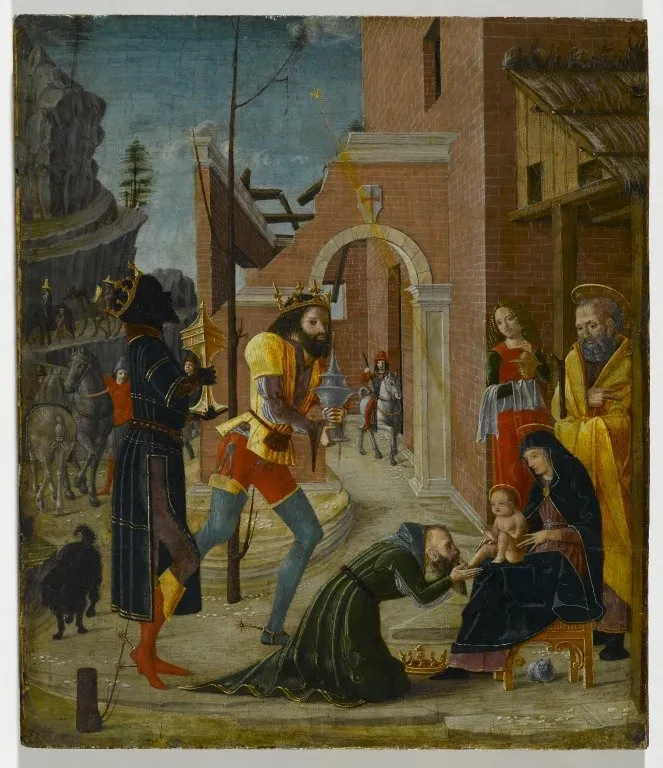
The Adoration of the Magi is a tempera painting by the Early Renaissance artist Bernardino Butinone. It dates from 1496 and is held in the collection of the Brooklyn Museum.
About this work
Overview
Created in 1496 by the Milanese painter Bernardino Butinone, this tempera panel presents a traditional scene of the Adoration of the Magi. The work exemplifies early Renaissance religious art and is presently held in the collection of the Brooklyn Museum.
Subject & Meaning
The composition centers on the infant Christ receiving gifts from the three Magi, a narrative drawn from the Gospel of Matthew that symbolizes the recognition of Christ’s divinity by the Gentile world. The figures are arranged to emphasize reverence and the theological theme of universal homage.
Technique & Style
Executed in tempera, the painting displays the crisp linearity and delicate coloration typical of late 15th‑century Lombard art. Butinone’s handling of light and his careful modeling of drapery reflect the influence of contemporary Milanese workshops, while the balanced spatial arrangement anticipates later High Renaissance developments.
History & Provenance
After its creation, the panel entered private collections before being acquired by the Brooklyn Museum in the 20th century. Its documented provenance traces a path from Milanese patrons to American institutional ownership, illustrating the broader movement of Renaissance works into international museum holdings.
Artist & collection
Artist
Bernardino Butinone (1435 or 1436 – c. 1507 or 1508) was an Italian painter of the Renaissance, active mainly around Milan.

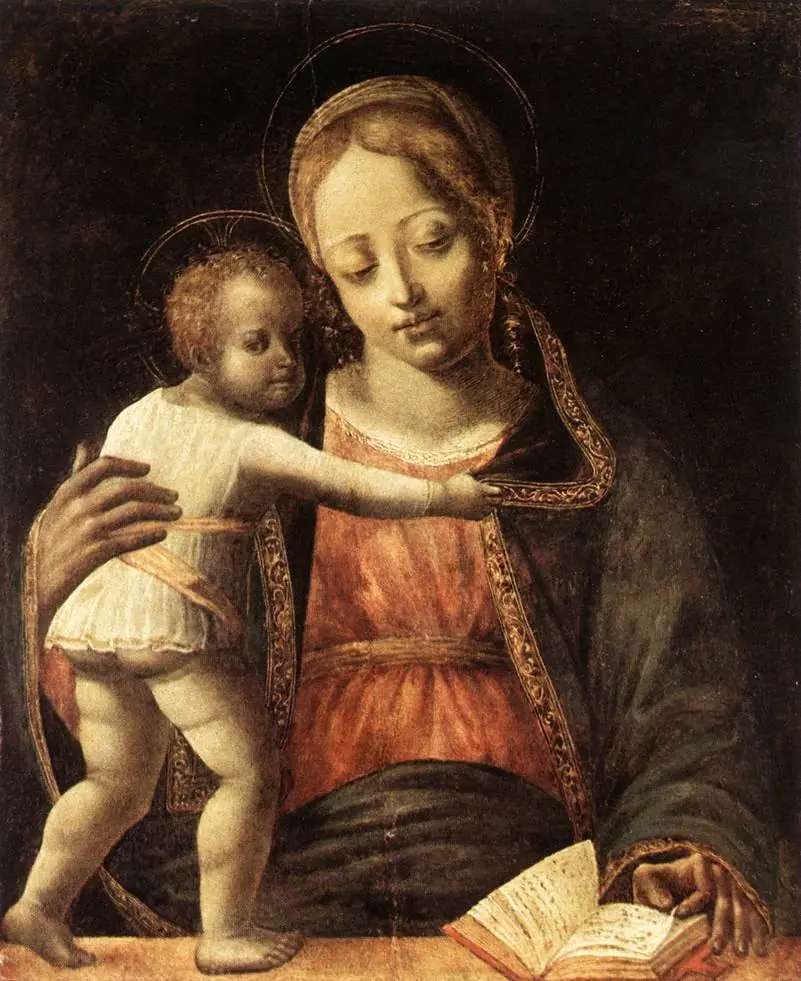
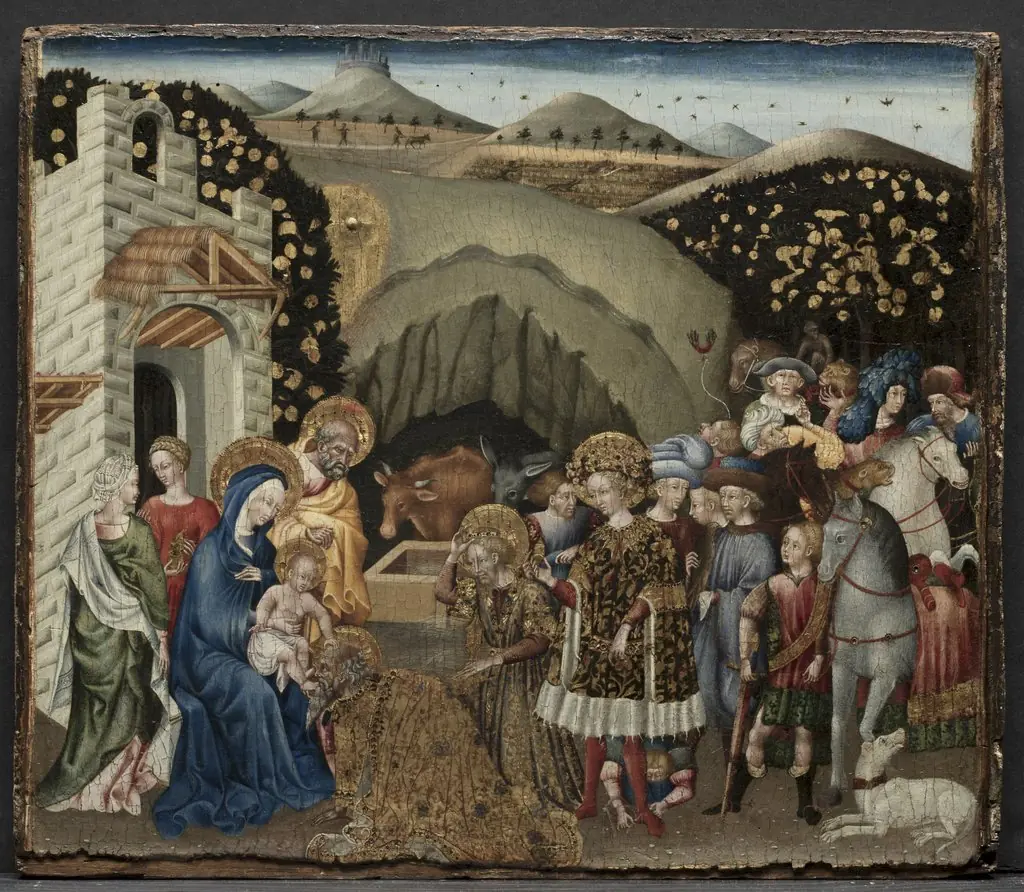 The Adoration of the Magi
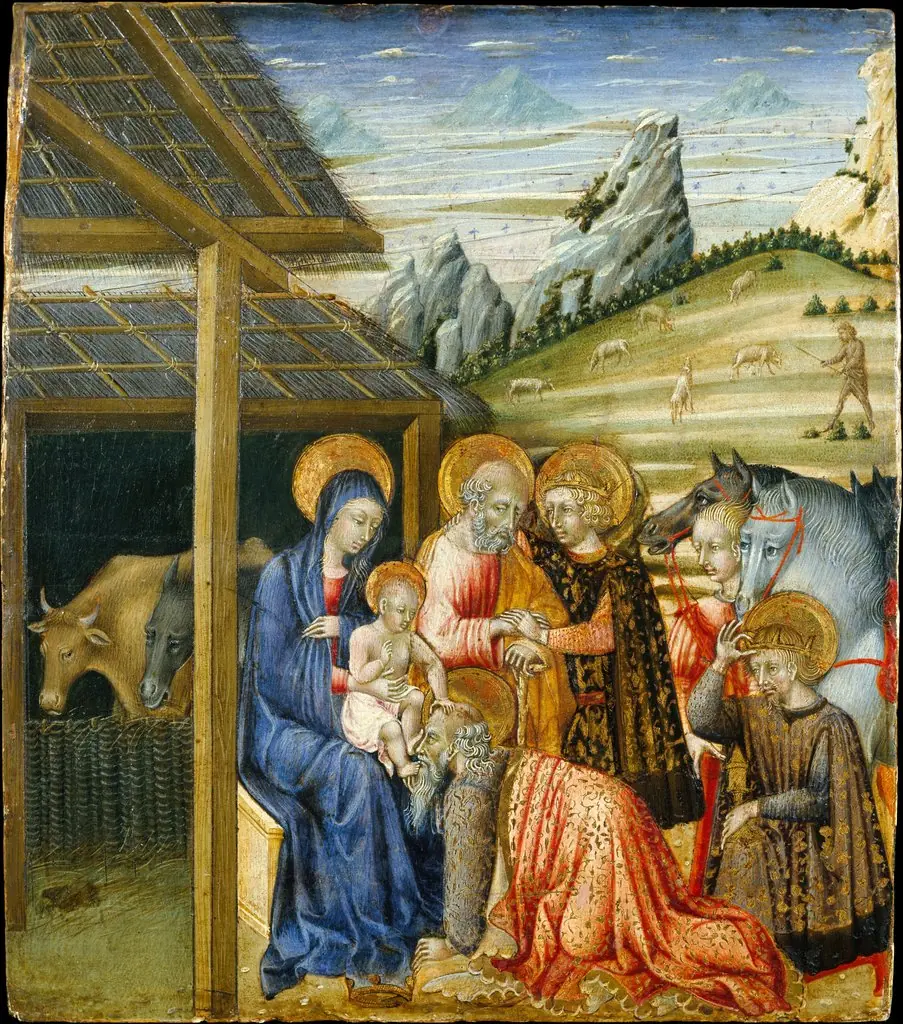 The Adoration of the Magi
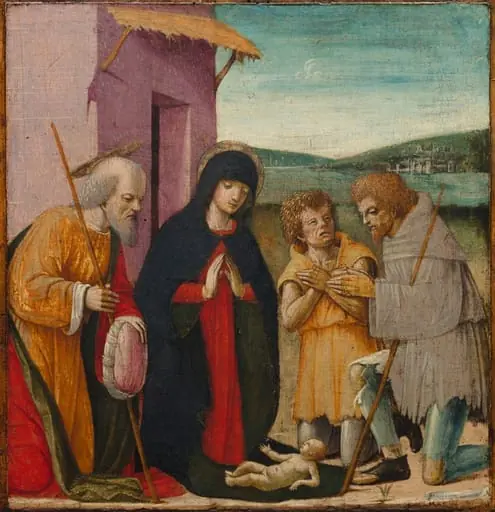 Adoration of the Shepherds
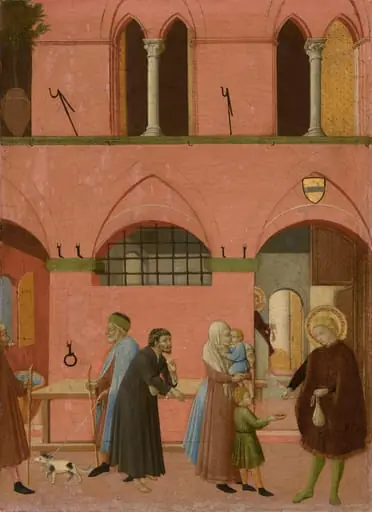 Saint Anthony Distributing His Wealth to the Poor
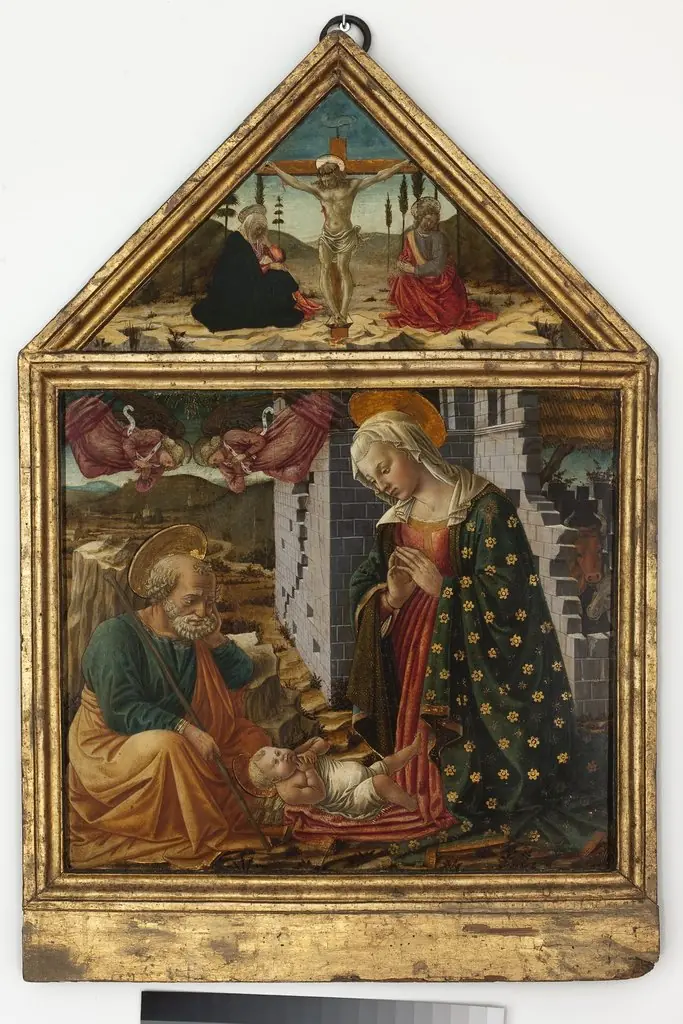 Adoration of Child Jesus and Crucifixion
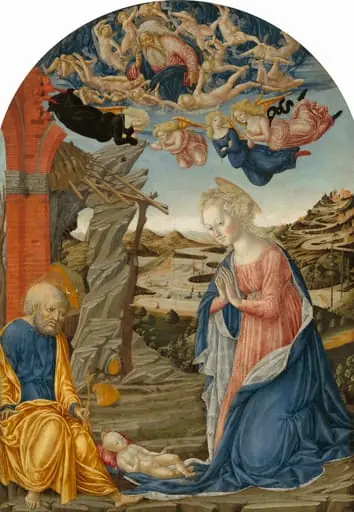 The Nativity, with God the Father Surrounded by Angels and Cherubim
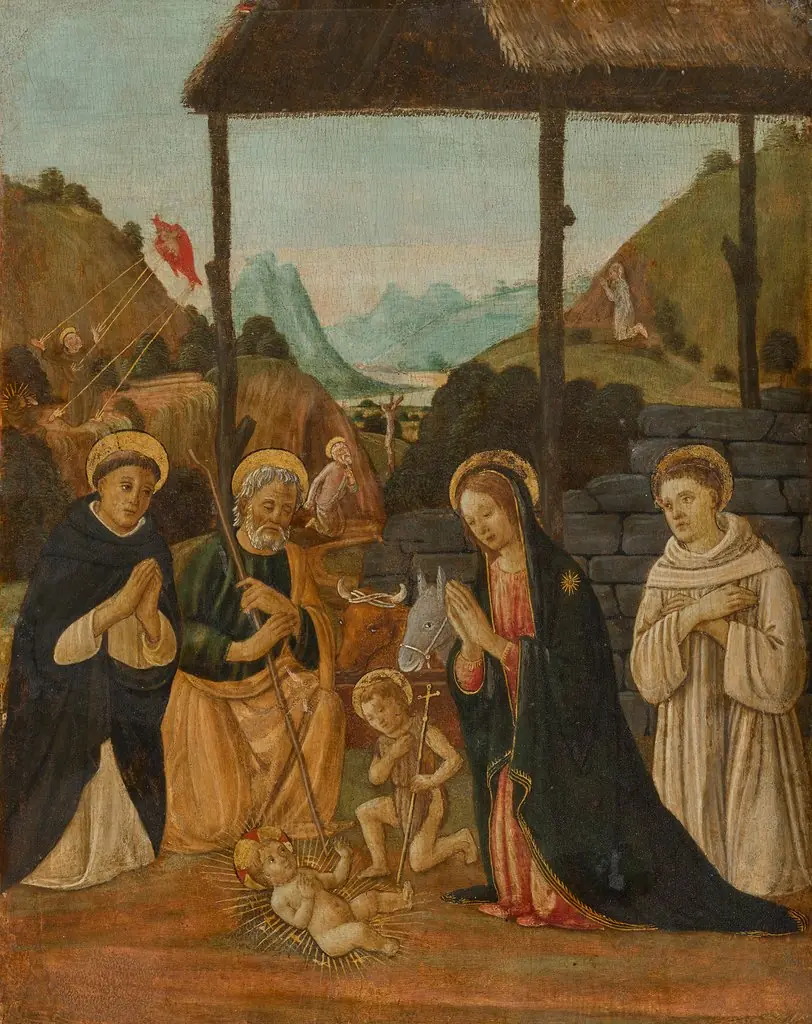 Adoration of the Child with Young St. John and St. Dominic and Bernard of Clairvaux
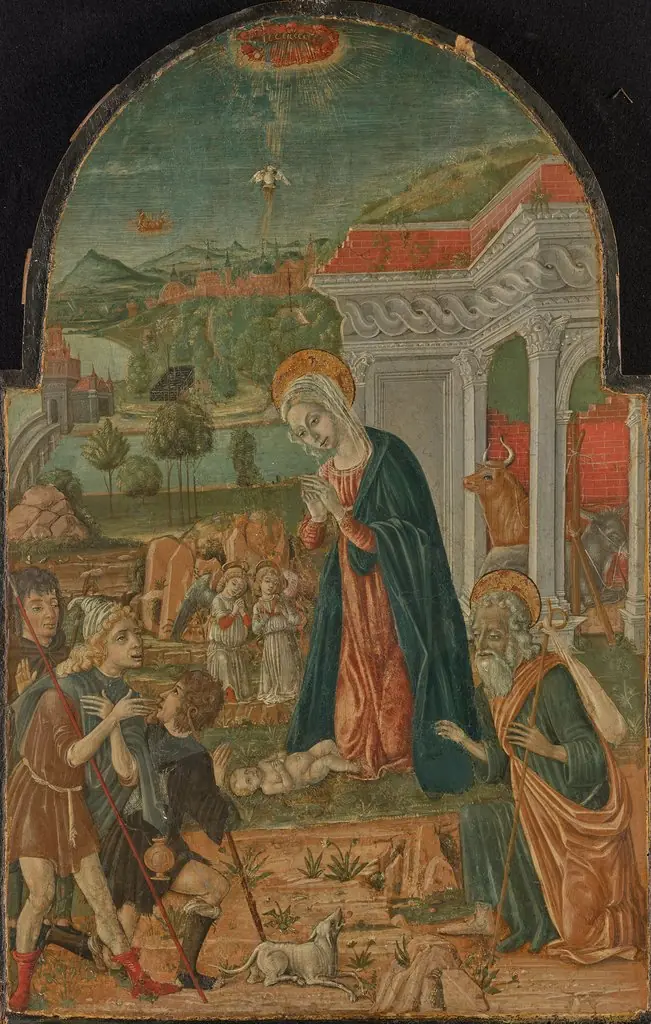 The adoration of the Shepherds
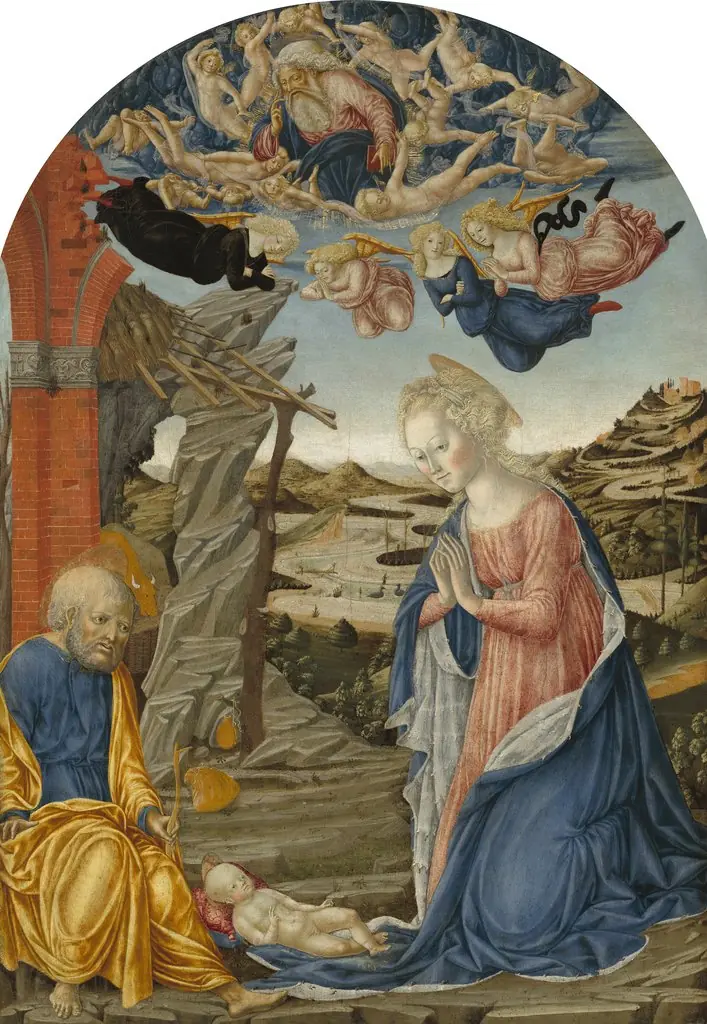 The Nativity
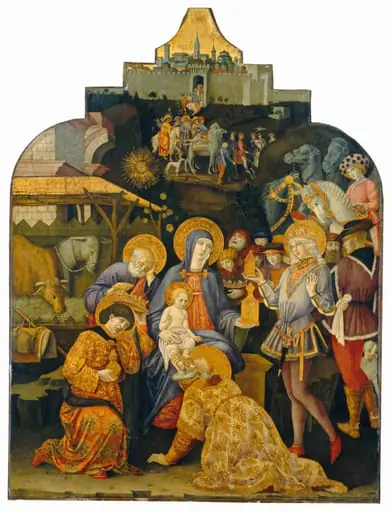 The Adoration of the Magi
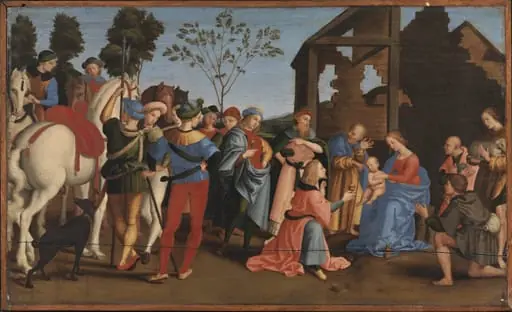 The Adoration of the Kings
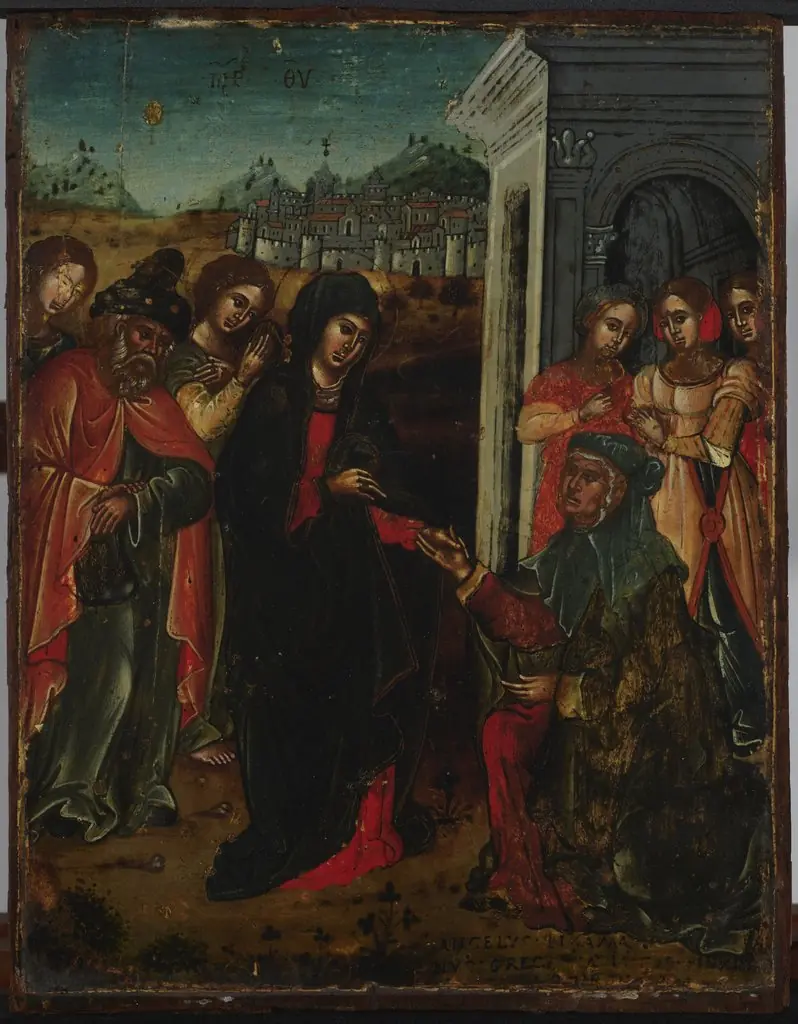 The Visitation