Artwork
strage degli innocenti
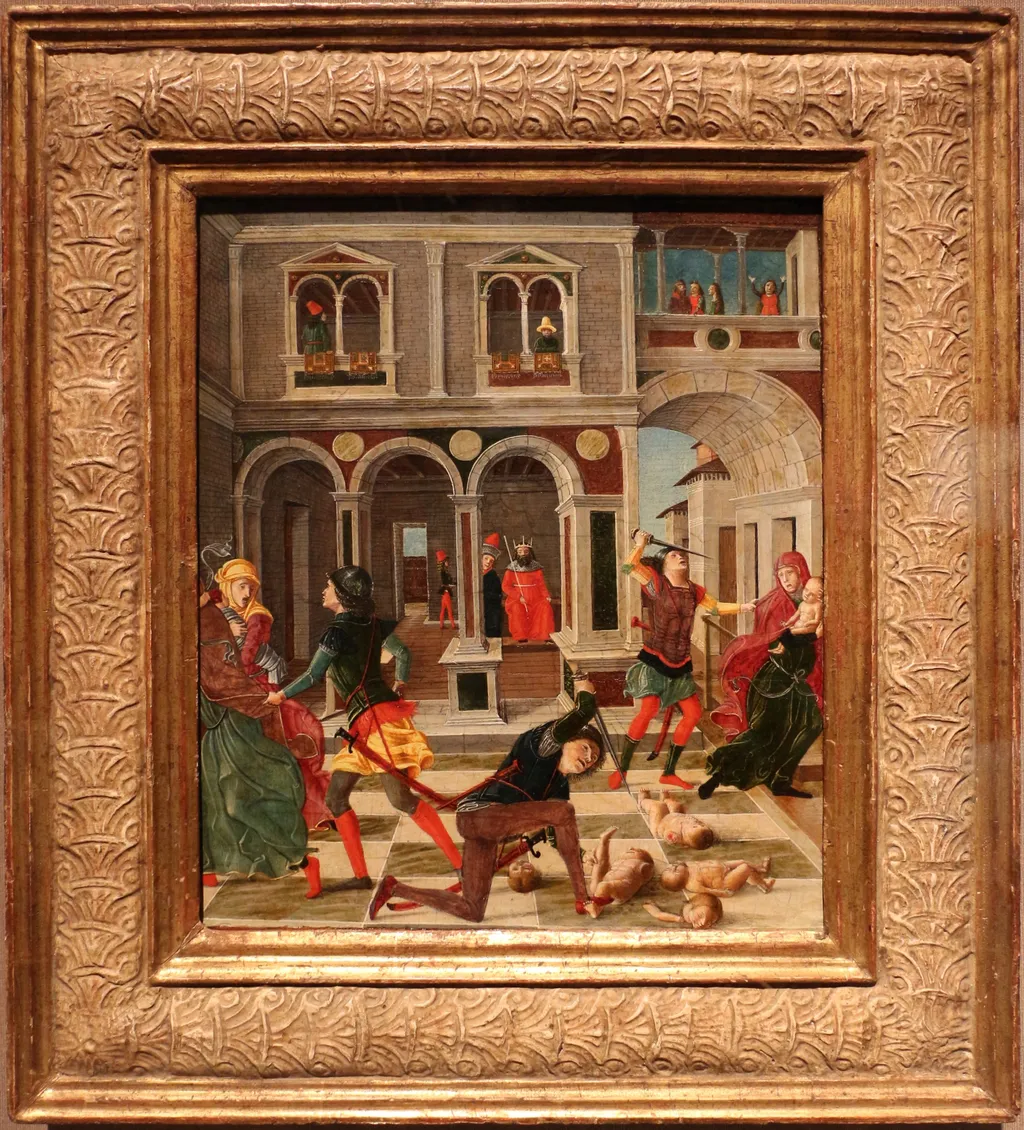
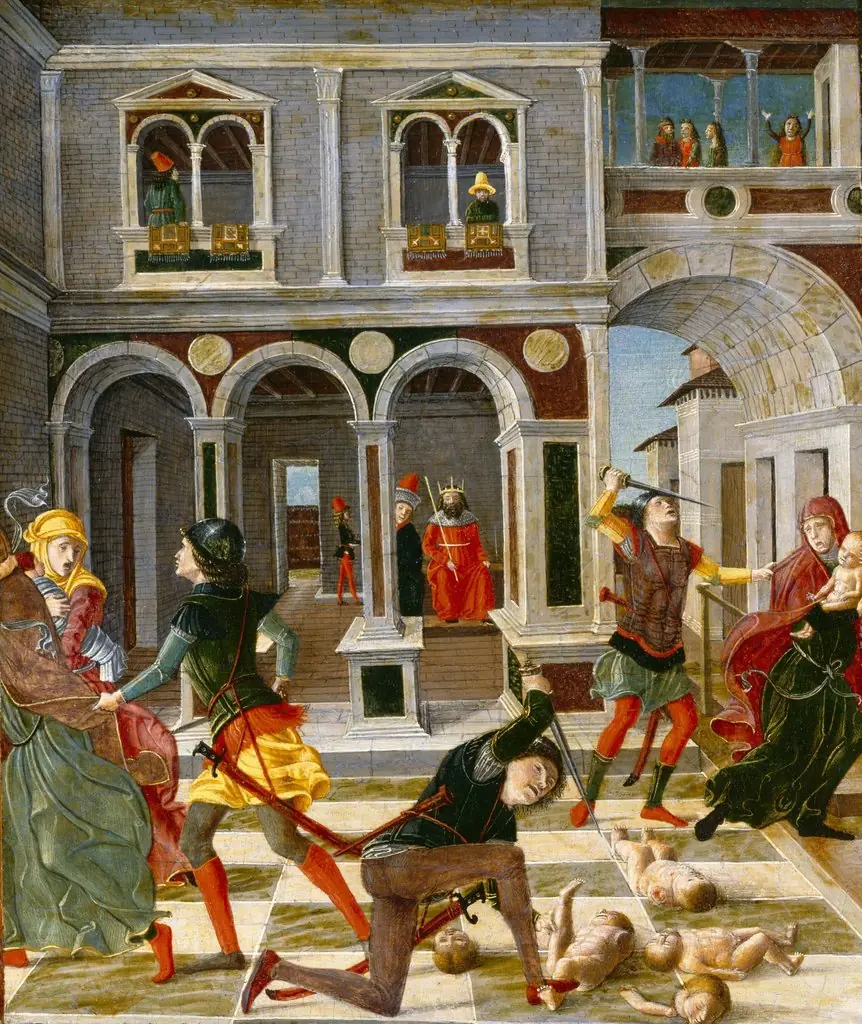
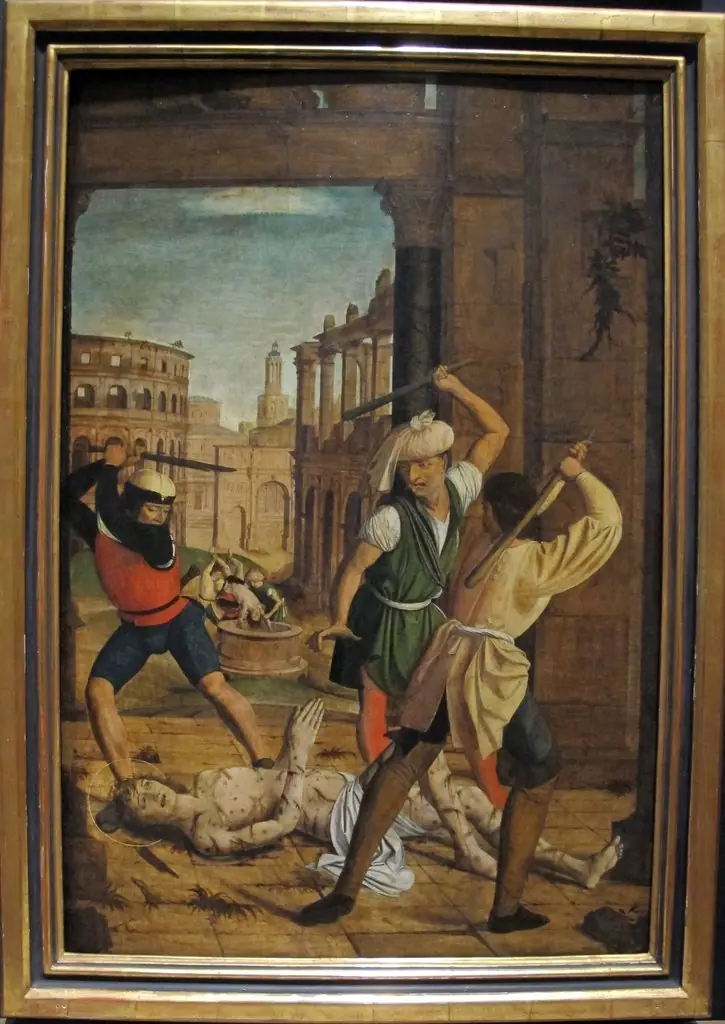
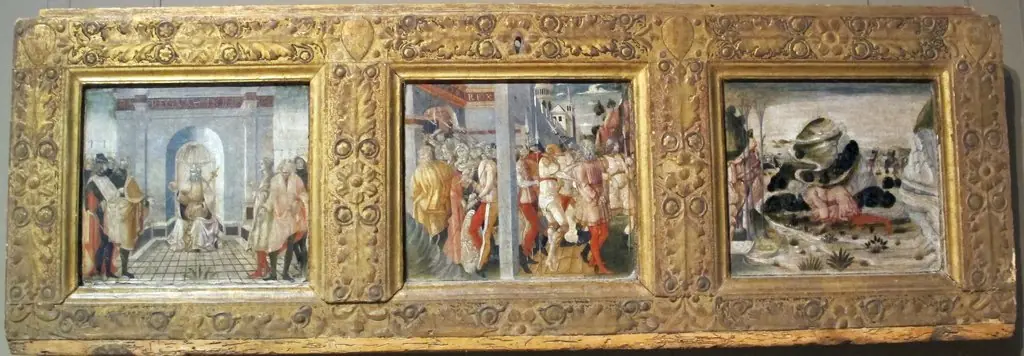
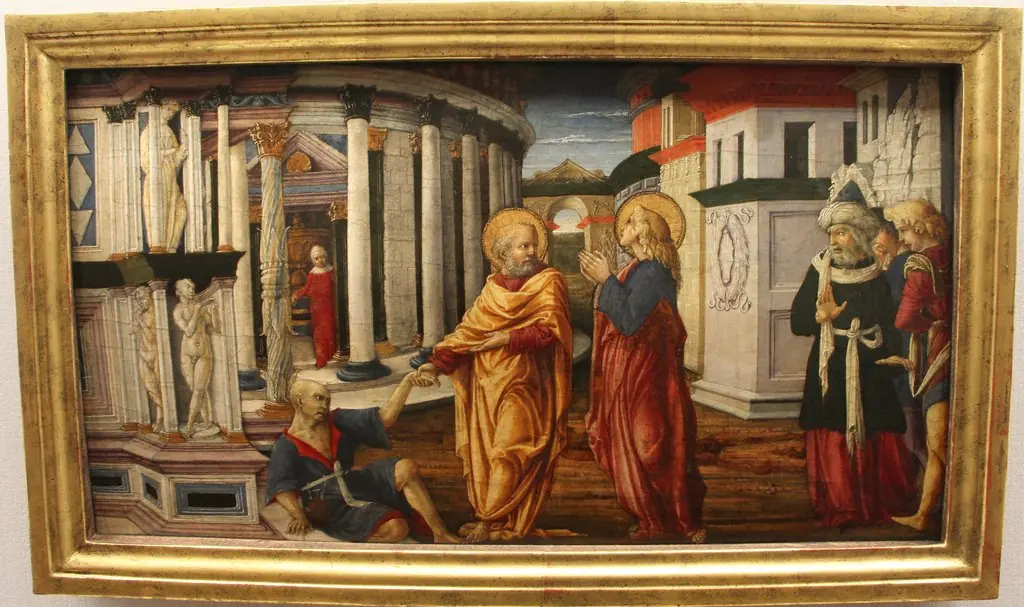
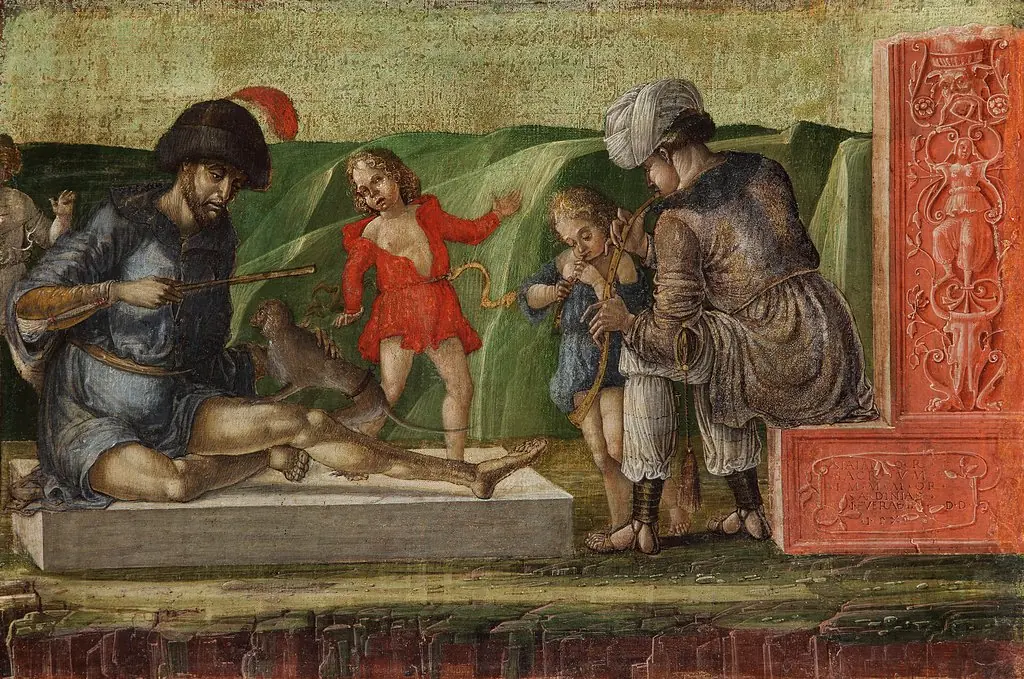
strage degli innocenti is an unspecified painting by the Northern Renaissance artist Bernardino Butinone. It dates from 1496 and is held in the collection of the Detroit Institute of Arts.
About this work
Overview
It is currently held in the collection of the Detroit Institute of Arts, where it remains one of the few surviving panels attributed to the artist.
Bernardino Butinone painted *Strage degli innocenti* in 1496 during his time in Milan. The work is a late 15th-century example of Northern Renaissance art, characterized by detailed figures and narrative intensity. It is currently held in the collection of the Detroit Institute of Arts, where it remains one of the few surviving panels attributed to the artist. The painting captures a violent biblical episode with emotional immediacy.
Subject & Meaning
The scene illustrates the Massacre of the Innocents, as described in the Gospel of Matthew, in which King Herod orders the killing of male infants to eliminate a prophesied rival. Butinone renders the brutality with clustered figures and overlapping bodies, emphasizing the vulnerability of children and the chaos of state violence. The composition conveys moral gravity without overt symbolism, grounding the tragedy in human action.
Technique & Style
Butinone employs crisp linear detail and vivid, contrasting colors to distinguish figures within the crowded composition. Garments are rendered with careful attention to texture and fold, while the architectural backdrop—arched colonnades and stone walls—provides structural contrast to the turmoil below. Subtle modeling suggests volume, though the handling remains more linear than deeply chiaroscuro-driven, reflecting regional Lombard tendencies of the period.
History & Provenance
The painting’s early history is undocumented, but it entered the Detroit Institute of Arts’ collection in the 20th century. Its attribution to Butinone is based on stylistic comparison with his other known works, such as altarpiece fragments from Milanese churches. The panel’s survival is notable, as many small-scale Renaissance devotional paintings were lost or dismantled over time.
Context
Created during a period of political instability in northern Italy, the painting reflects contemporary anxieties about power, violence, and divine retribution. Milan, under Sforza rule, was a center of artistic patronage where religious themes were often rendered with psychological realism. Butinone’s work aligns with regional trends that favored narrative clarity and emotional resonance over idealized form.
Legacy
Though Butinone was not a major figure in the broader Renaissance canon, *Strage degli innocenti* stands as a significant example of Lombard painting’s capacity for dramatic storytelling. It contributes to understanding how biblical narratives were visualized outside Florence and Venice, offering insight into the devotional practices and artistic priorities of smaller Milanese workshops in the late Quattrocento.
Artist & collection
Artist
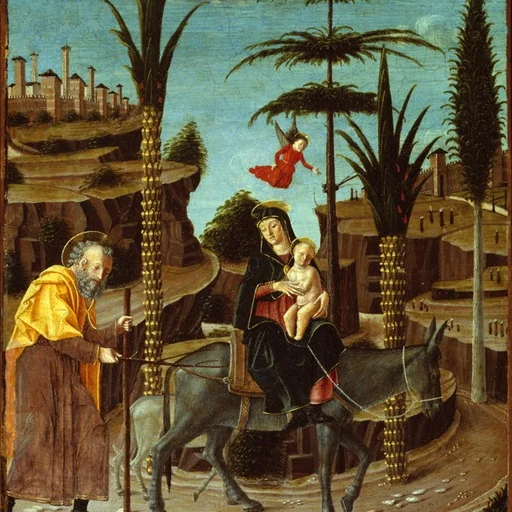
Bernardino Butinone (1435 or 1436 – c. 1507 or 1508) was an Italian painter of the Renaissance, active mainly around Milan.