Artwork
Pirna from the South
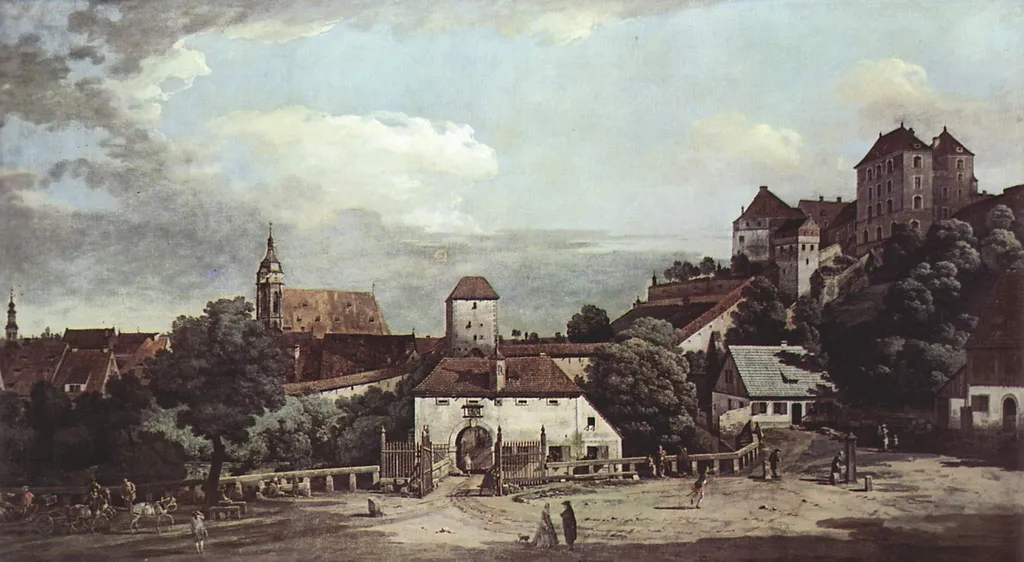
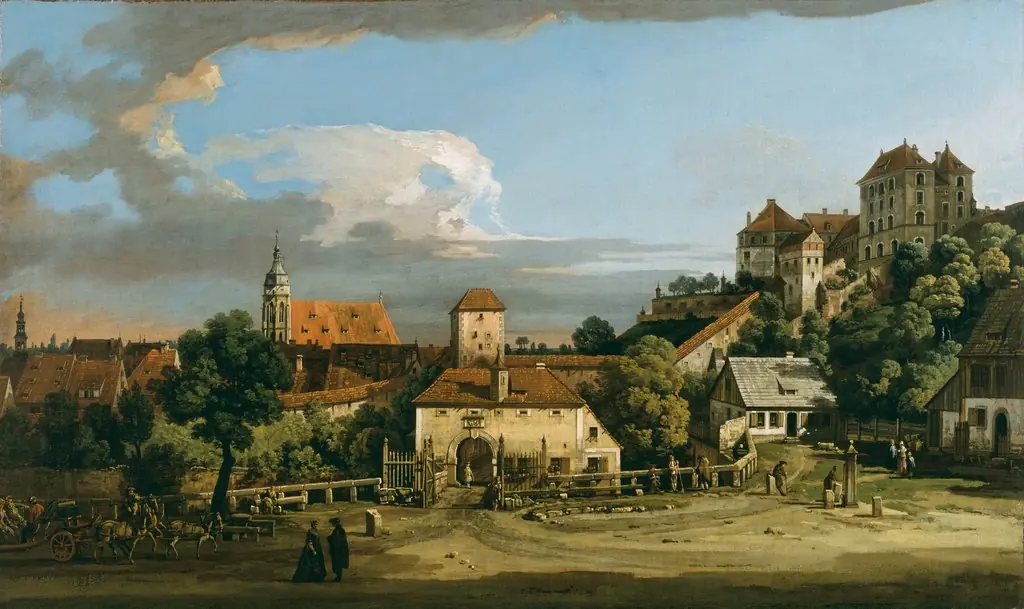
Pirna from the South is an oil painting by the Rococo painting artist Bernardo Bellotto. It dates from 1755 and is held in the collection of the Staatliche Kunstsammlungen Dresden.
About this work
Overview
Painted in 1755, Pirna from the South is an oil-on-canvas cityscape by Bernardo Bellotto, capturing the Saxon town of Pirna as seen from its southern approach.
Painted in 1755, Pirna from the South is an oil-on-canvas cityscape by Bernardo Bellotto, capturing the Saxon town of Pirna as seen from its southern approach. The work belongs to the Gemäldegalerie Alte Meister in Dresden, where it remains part of a broader collection of 18th-century topographical paintings. Bellotto’s precise rendering of architecture and atmosphere reflects his role as a documentarian of European urban landscapes during the period.
Subject & Meaning
The painting presents a view of Pirna’s built environment—narrow streets, timber-framed houses, and church spires—arranged along the Elbe River’s edge. Figures scattered across the foreground suggest everyday life: merchants, travelers, and laborers moving through the town. Rather than idealizing the scene, Bellotto records its functional, lived-in character, emphasizing the town’s role as a regional hub rather than a romanticized vista.
Technique & Style
Bellotto employed fine brushwork and layered glazes to achieve subtle gradations of light and texture. Buildings are rendered with architectural accuracy, while the sky and hills are painted with muted blues and grays that soften into atmospheric perspective. The use of chiaroscuro is restrained but effective, guiding the eye through the composition without dramatic contrast. Colors remain grounded in naturalism, avoiding theatricality in favor of observational fidelity.
History & Provenance
Commissioned during Bellotto’s tenure as court painter to the Elector of Saxony, the painting was likely intended to document the region’s towns for administrative or aristocratic interest. It entered the Gemäldegalerie Alte Meister’s collection in the 19th century, following the consolidation of Saxon royal holdings. Its provenance is well-documented, with no significant gaps or disputes over ownership since its creation.
Context
Bellotto worked in Dresden during a period when rulers sought to record their territories with scientific precision. His views of Pirna and other Saxon towns aligned with Enlightenment-era interests in cartography and urban documentation. Unlike Italian vedute, which often emphasized grandeur, Bellotto’s northern European scenes prioritized topographical truth, serving both aesthetic and practical purposes for patrons.
Legacy
The painting contributes to a body of work that helped define the genre of topographical landscape in Central Europe. Bellotto’s method influenced later artists interested in urban realism, and his depictions of Pirna remain valuable historical records of 18th-century architecture and daily life. Though not widely exhibited outside Germany, it is studied for its precision and its role in the transition from decorative to documentary painting.
Artist & collection

Artist
Bernardo Bellotto, was an Italian urban landscape painter or vedutista, and printmaker in etching famous for his vedute of European cities – Dresden, Vienna, Turin, and Warsaw.

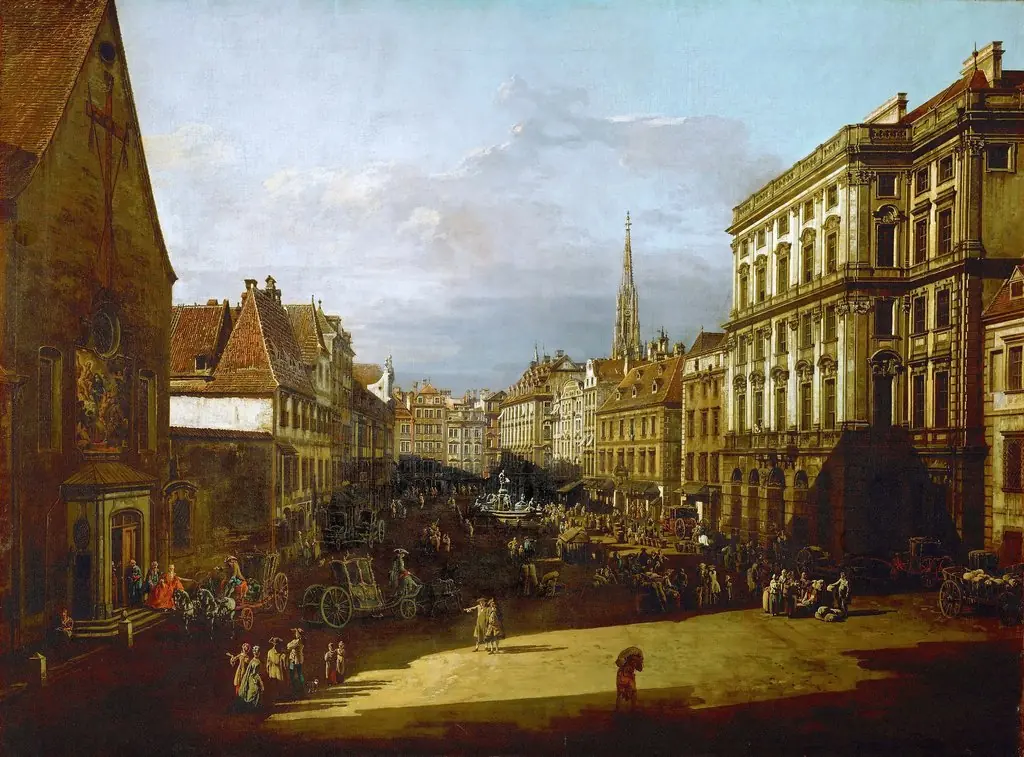
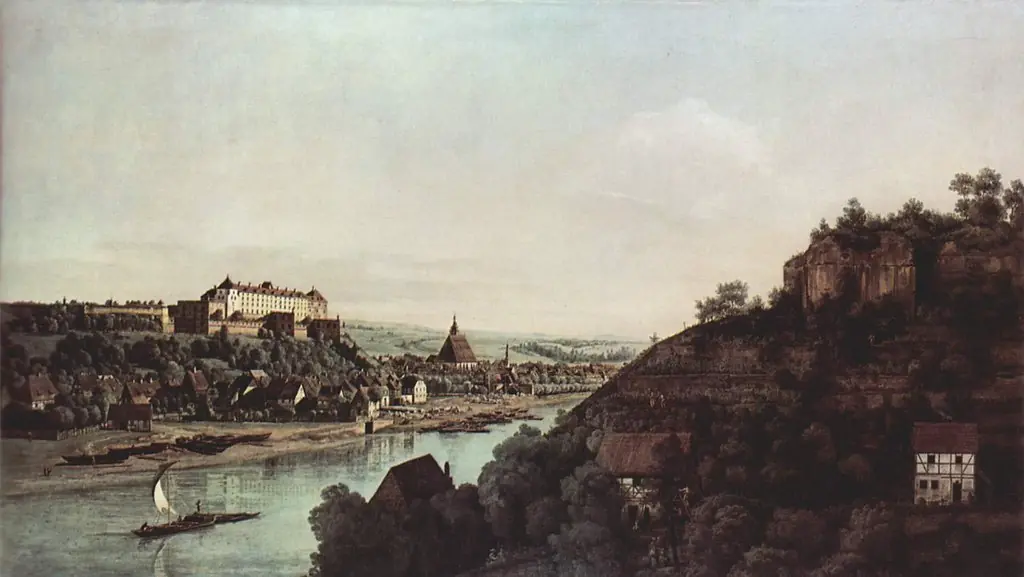 Pirna from Posta
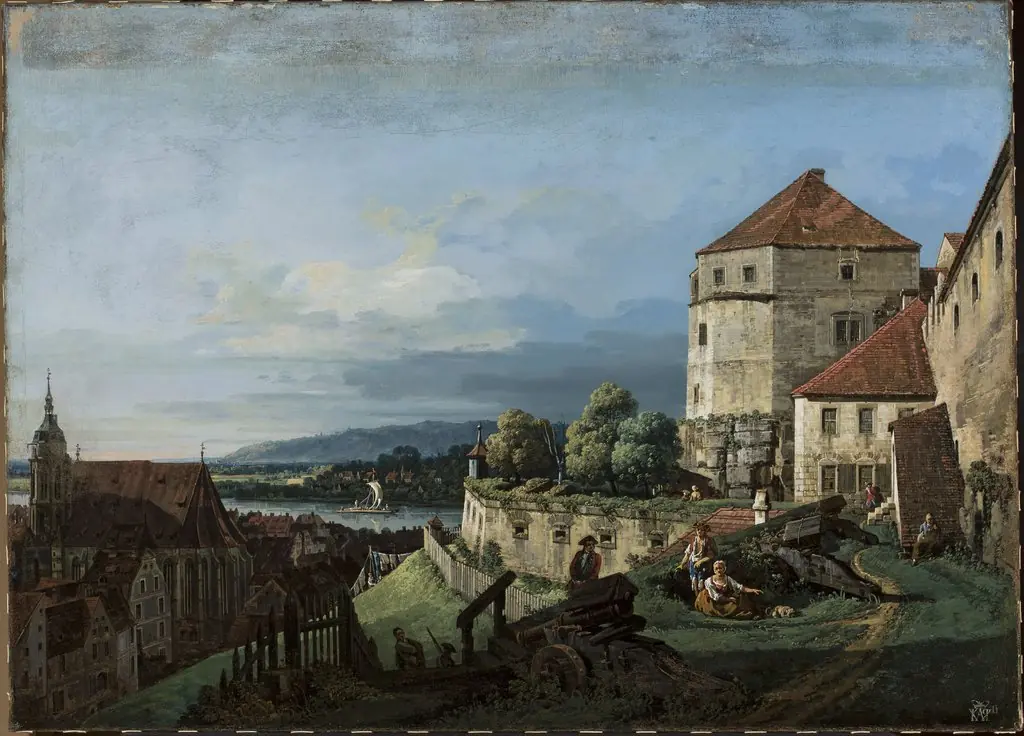 View of Pirna in Saxony
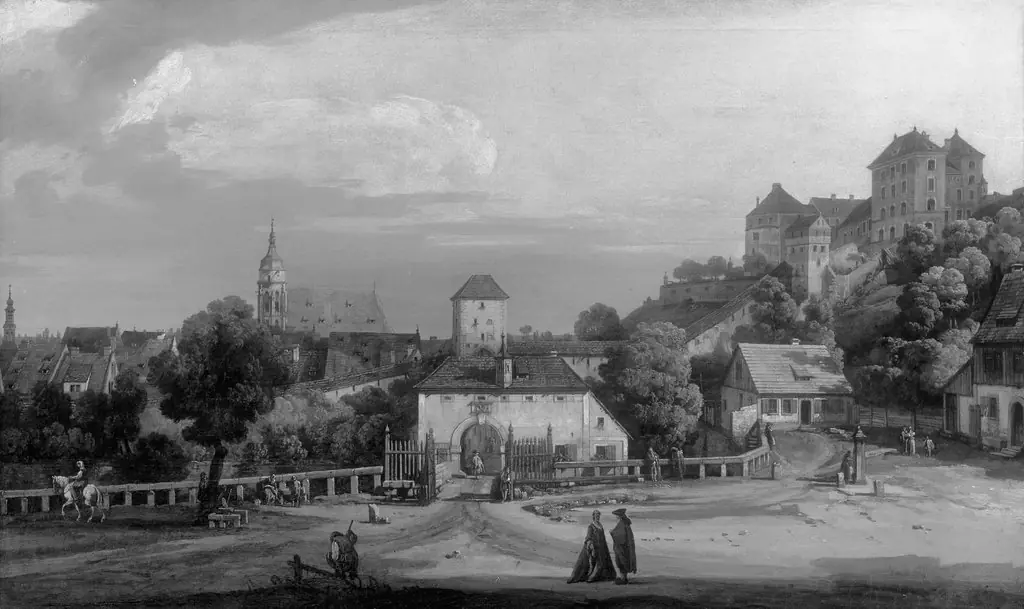 The high gate of Pirna
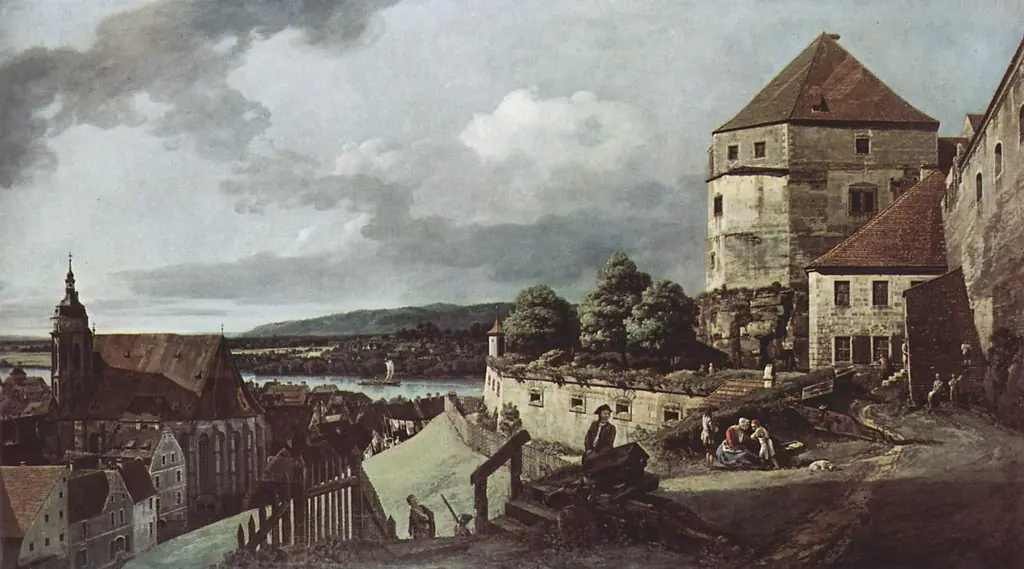 View of Pirna, from Sonnenstein Castle
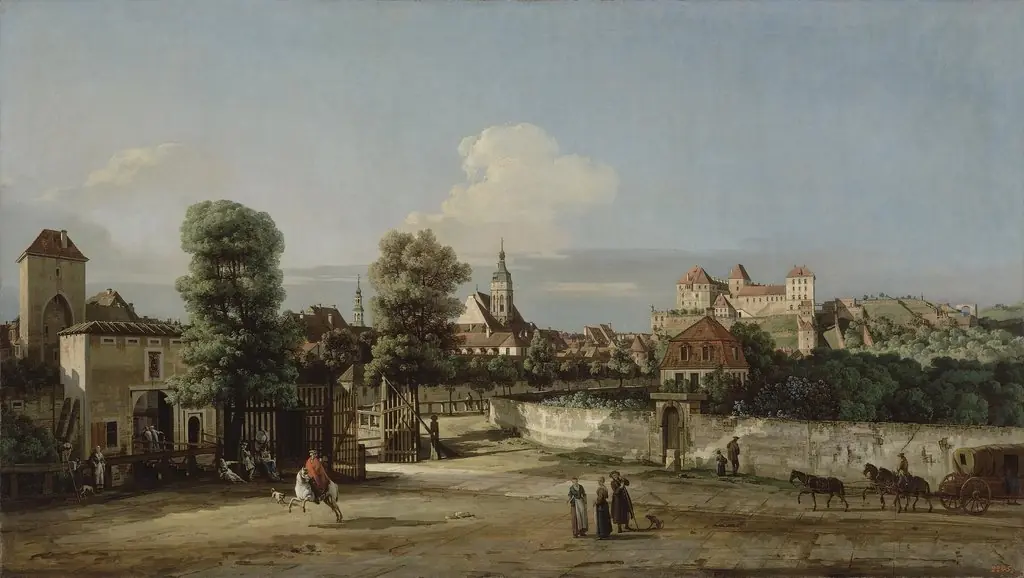 View of Pirna from the West, from the Corner of Wide Street
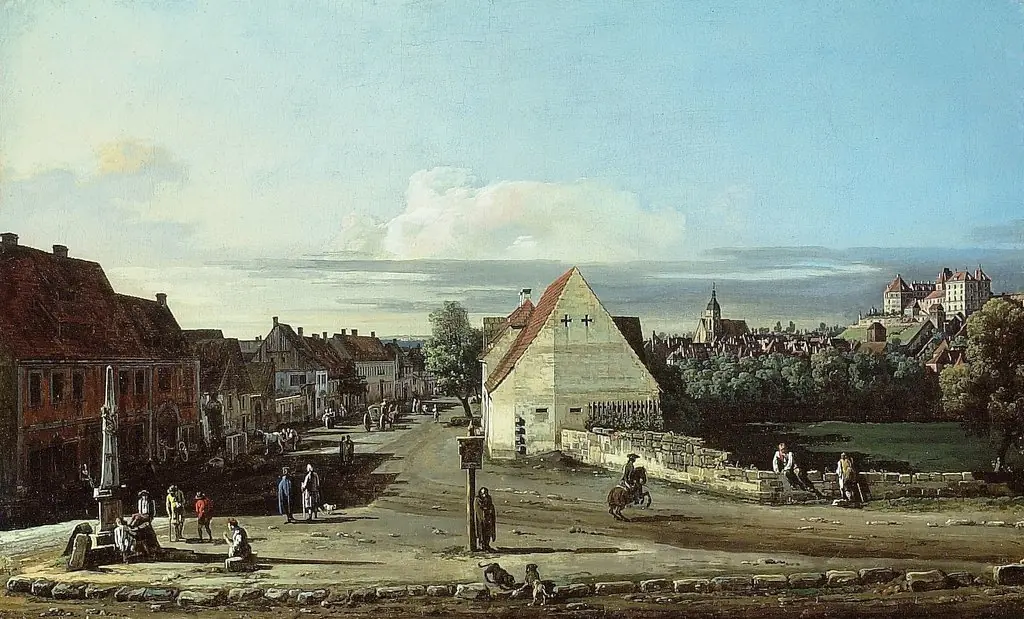 View of Pirna, from Sonnestein Castle
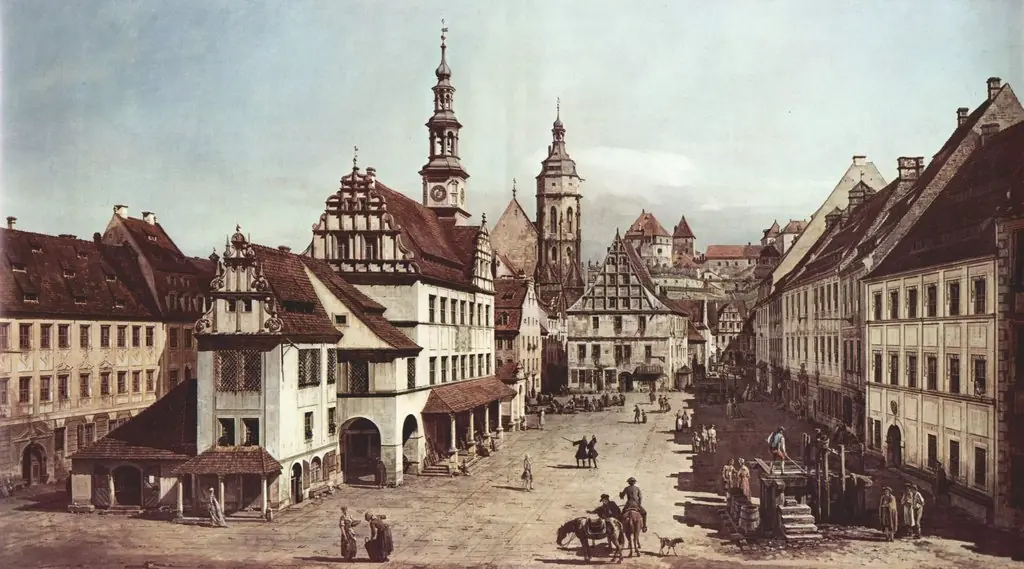 The Marketplace in Pirna
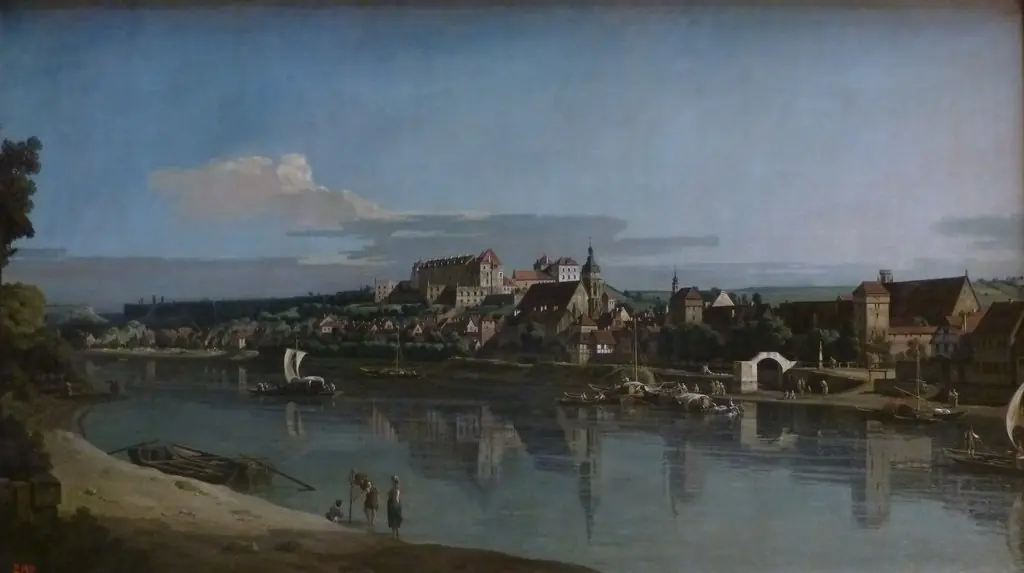 View of Pirna from the Right Bank of the Elba
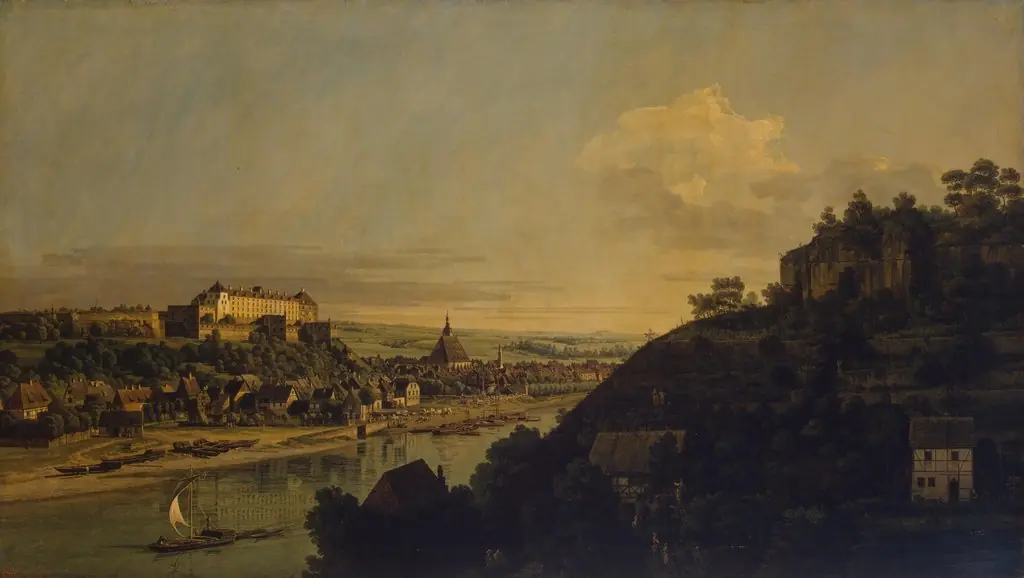 View of Pirna from the Right Bank of the Elba above the Town
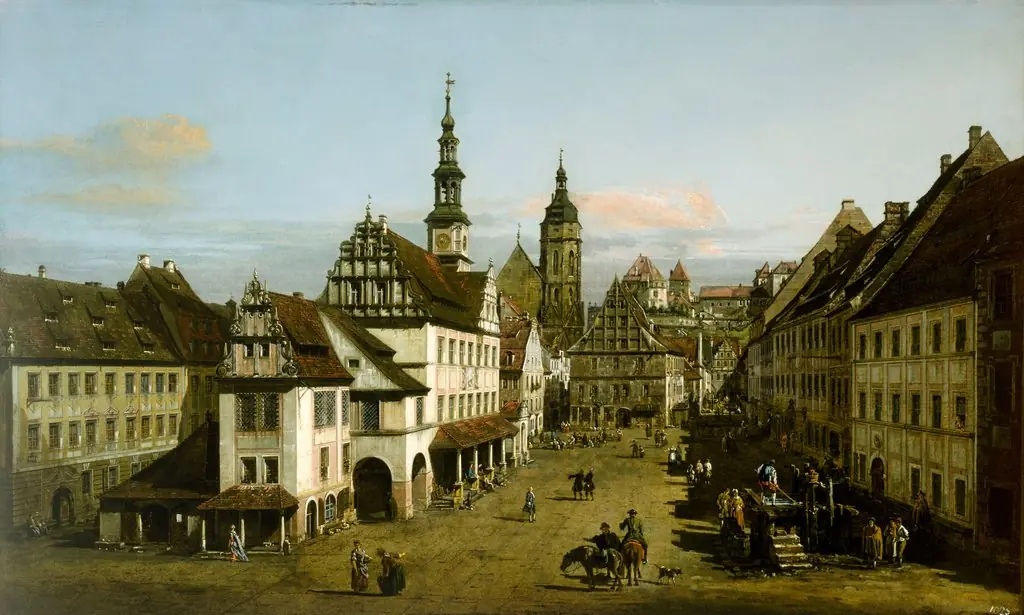 The Marketplace at Pirna
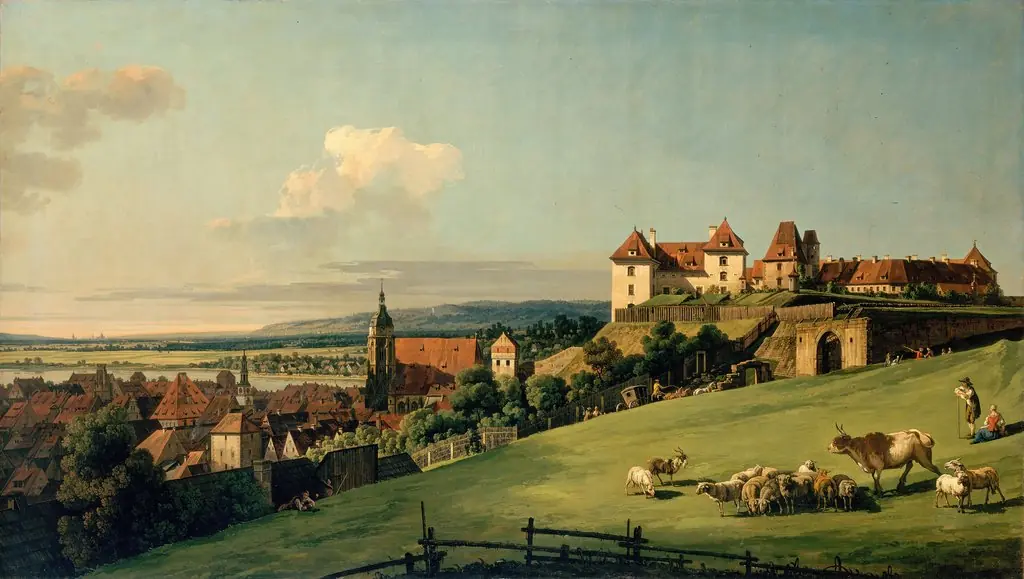 View of Pirna from the Sonnenstein Castle