Artwork
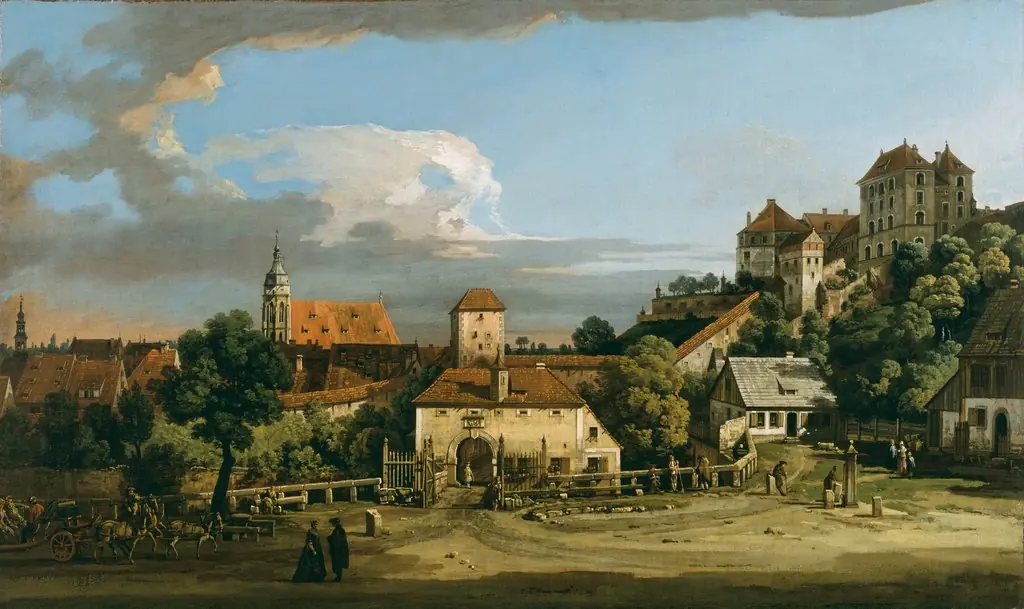
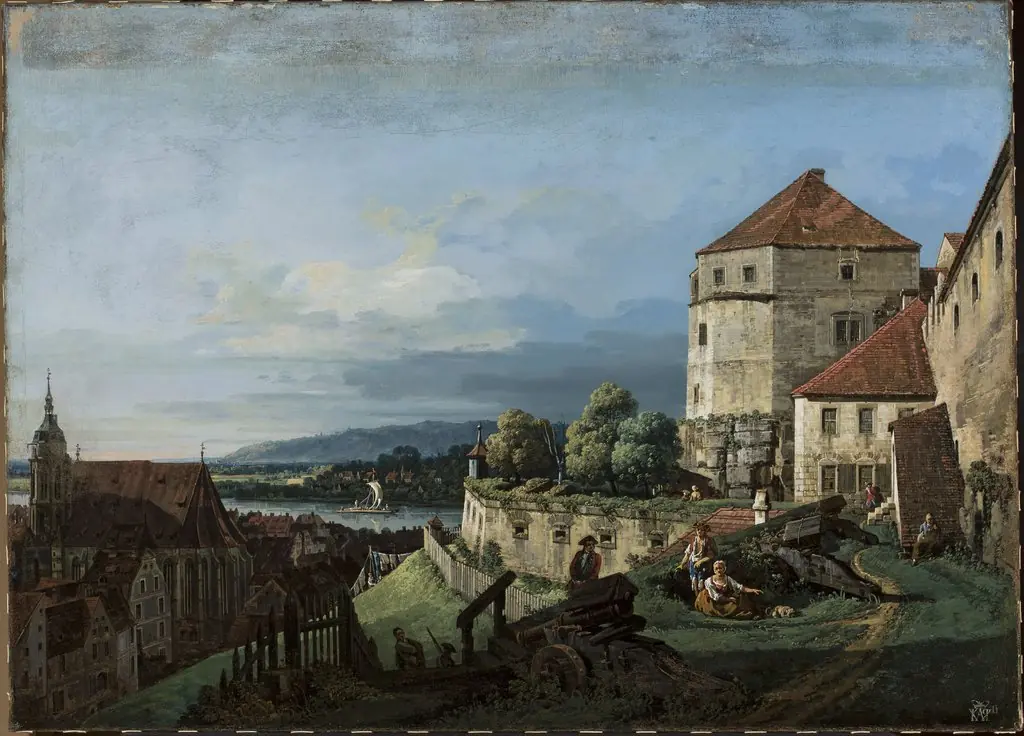
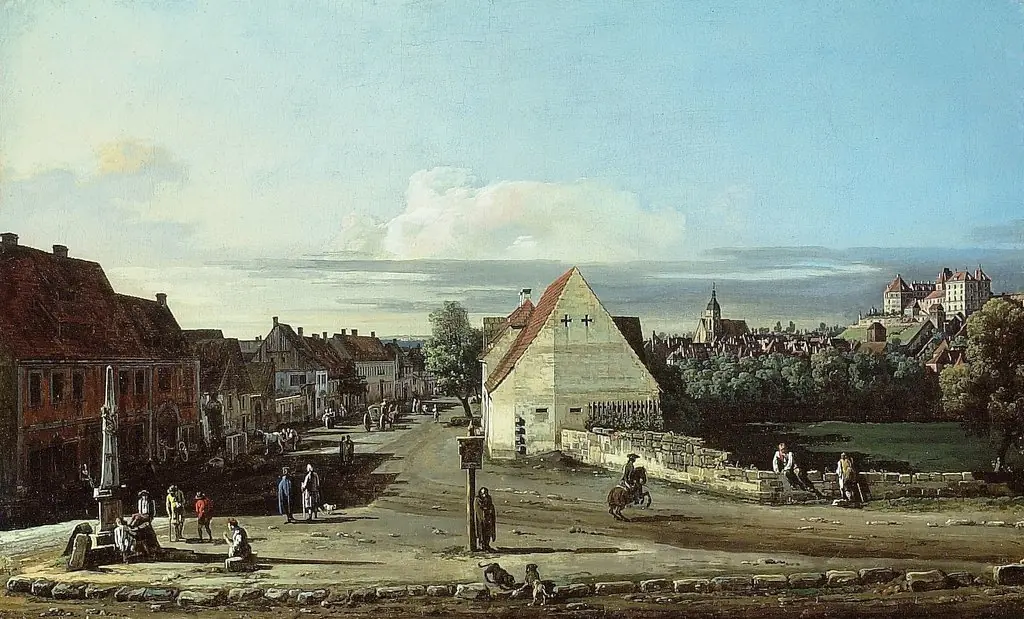
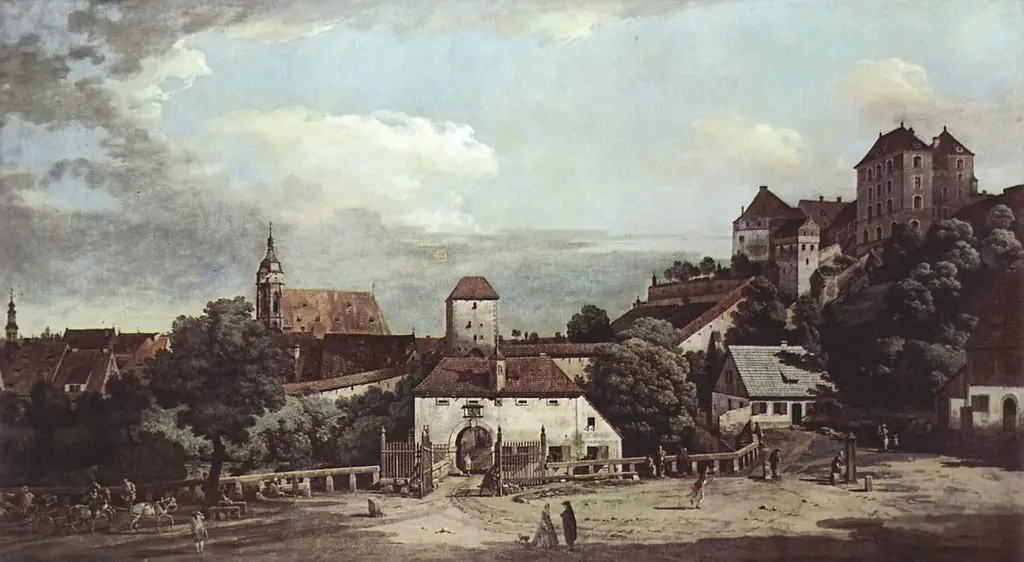
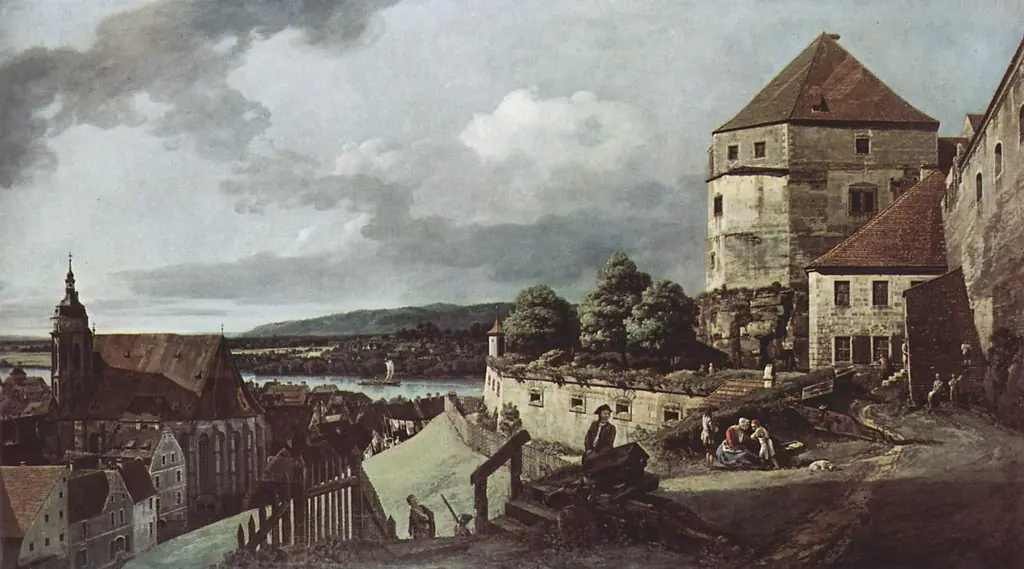
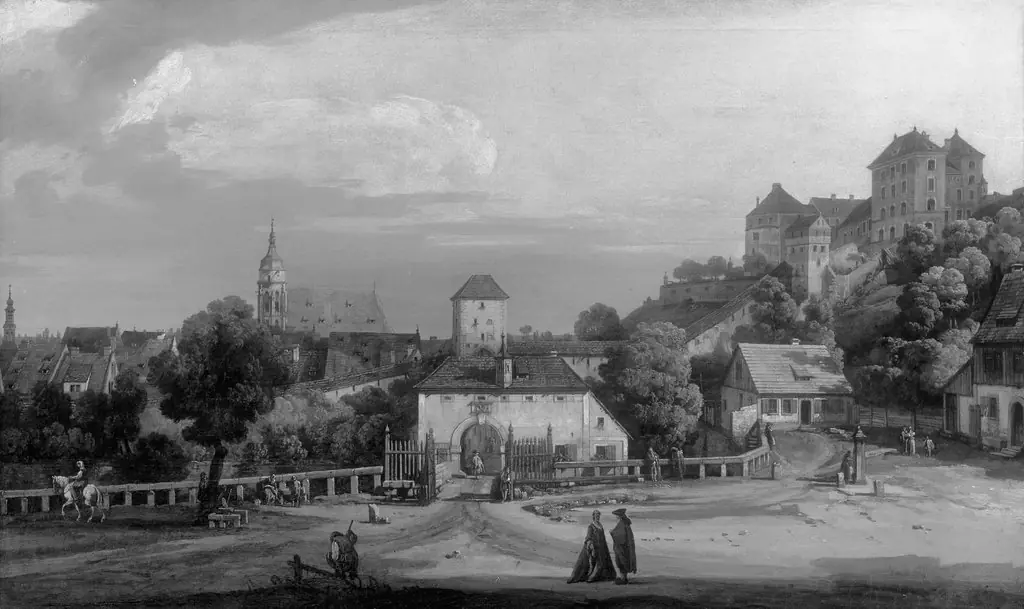
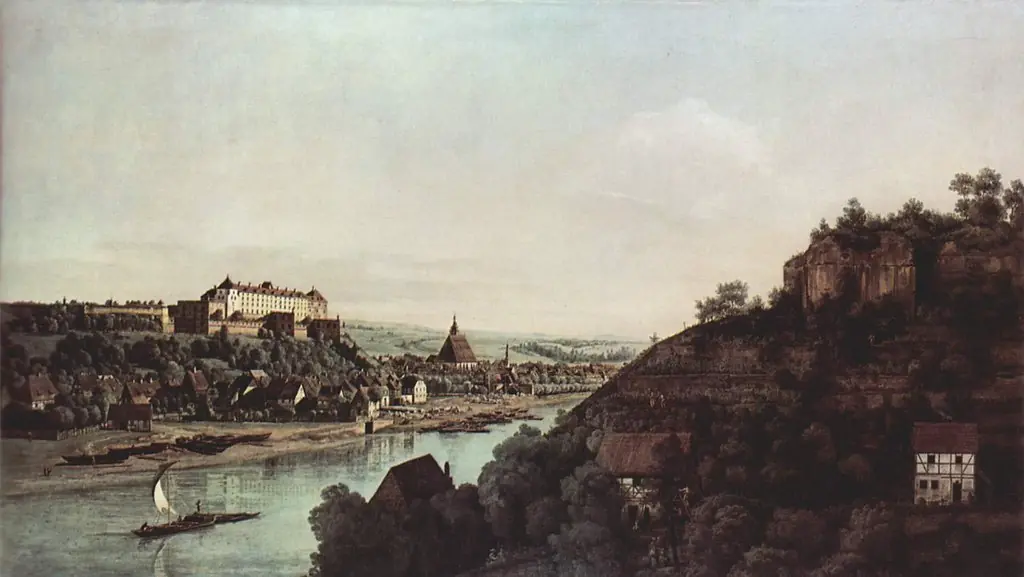
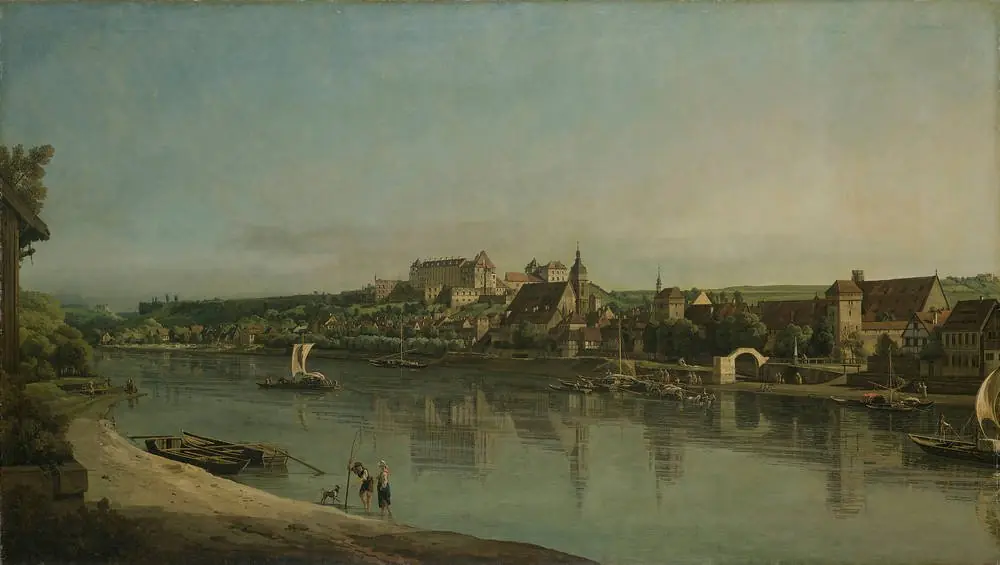
View of Pirna from the West, from the Corner of Wide Street
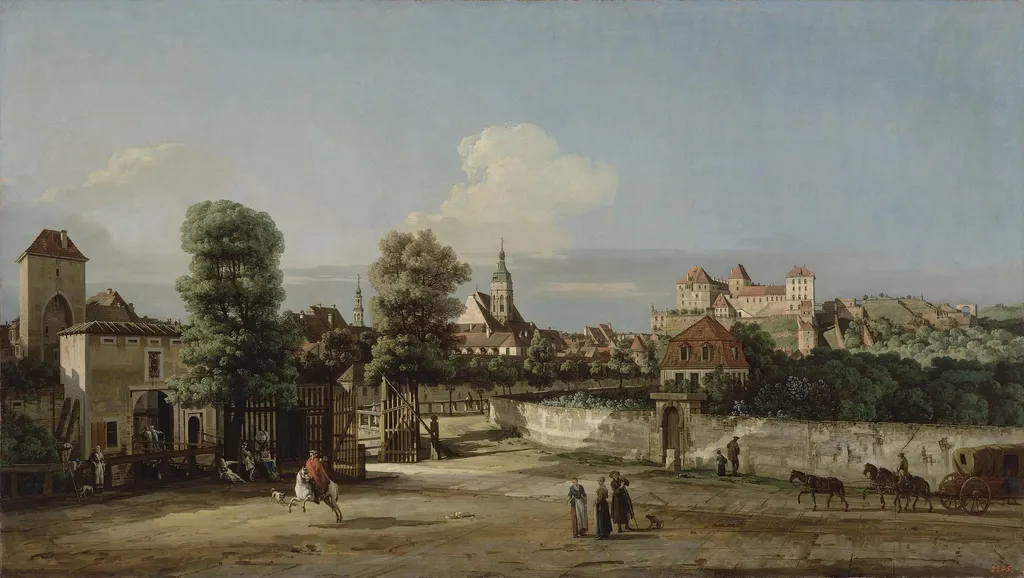
View of Pirna from the West, from the Corner of Wide Street is an oil painting by the Rococo painting artist Bernardo Bellotto. It dates from 1755 and is held in the collection of the Hermitage Museum.
About this work
Overview
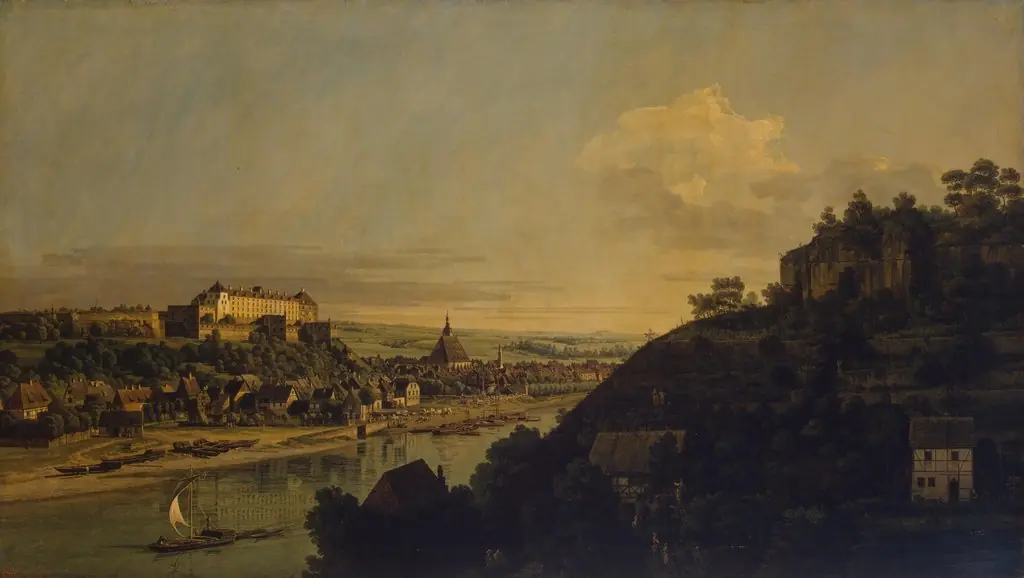
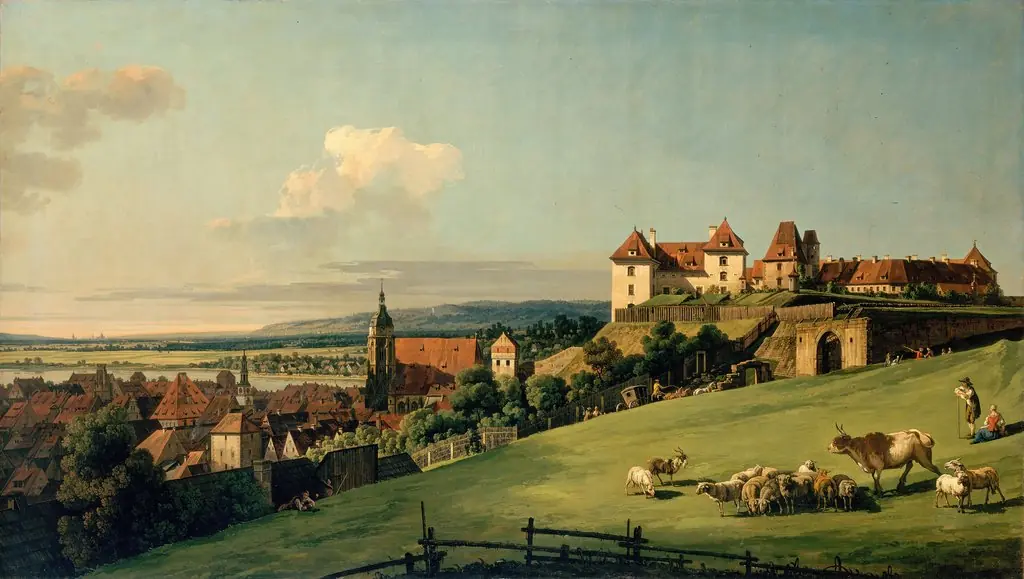
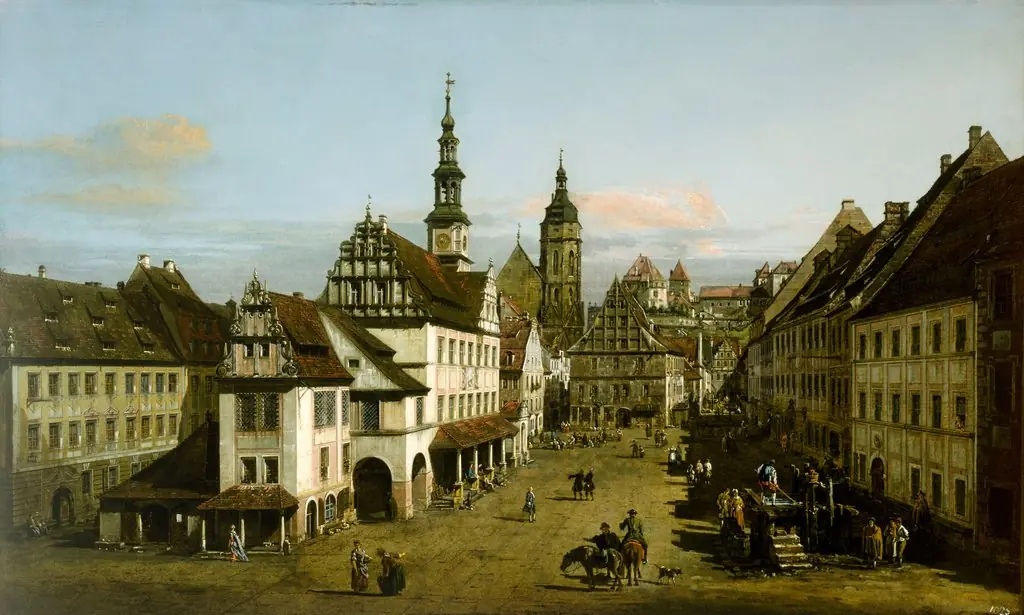
It is part of a series of topographical views Bellotto produced for European courts, and it now resides in the State Hermitage Museum in Saint Petersburg.
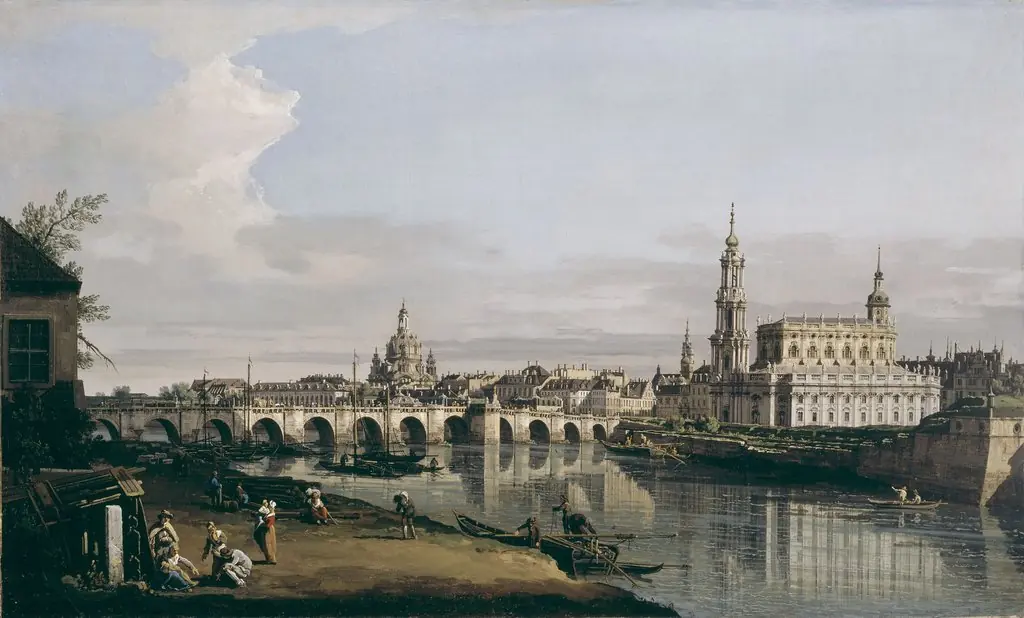
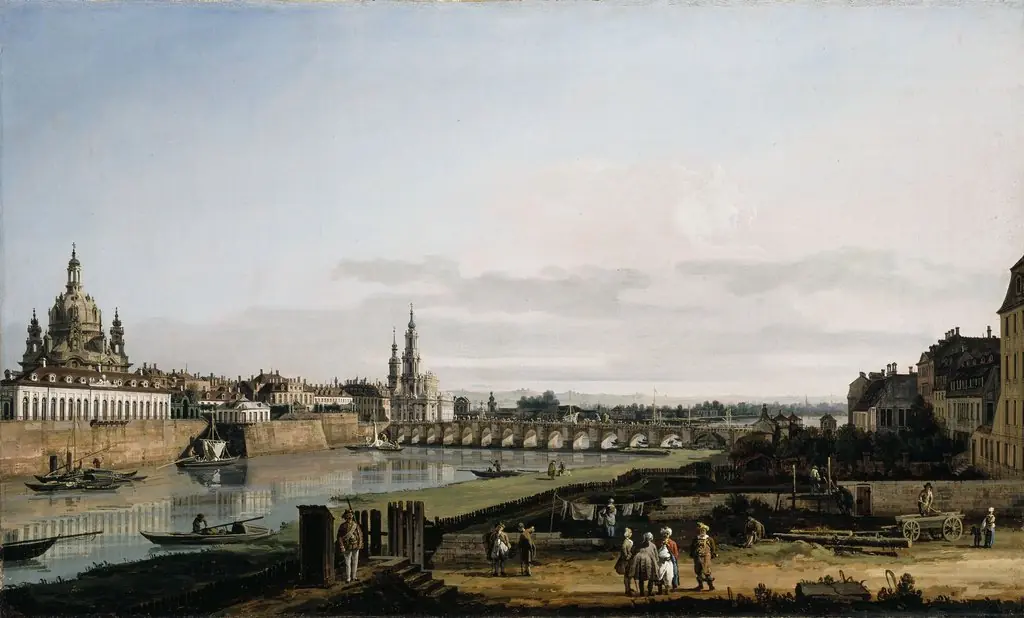
Painted in 1755 by Bernardo Bellotto, this oil-on-canvas work depicts the Saxon town of Pirna as seen from the west, near the intersection of a broad thoroughfare. The composition captures the urban landscape with precise architectural detail and a calm, atmospheric light. It is part of a series of topographical views Bellotto produced for European courts, and it now resides in the State Hermitage Museum in Saint Petersburg.
Subject & Meaning
The painting presents Pirna as a functioning, inhabited place rather than an idealized vision. Buildings, towers, and a fortified wall define the town’s structure, while figures in period dress and horses along the street suggest daily life. The scene conveys civic order and regional identity, reflecting Bellotto’s role as a documentarian of urban environments for patrons interested in territorial representation.
Technique & Style
Bellotto employed oil paint with a meticulous, almost surveyor’s precision, rendering textures of stone, wood, and fabric through layered glazes. His use of light and shadow follows a naturalistic approach, enhancing depth without theatrical contrast. The perspective is carefully calculated to align with the viewer’s eye level, reinforcing the painting’s function as both art and topographical record.
History & Provenance
Commissioned during Bellotto’s time in Saxony, the painting was likely created for a member of the Saxon royal family, who collected his urban views. It entered the Hermitage collection in the 18th century, possibly through acquisition or diplomatic exchange. Its preservation reflects its value as a historical document as much as a work of art, surviving intact through centuries of political change.
Context
In mid-18th-century Central Europe, detailed cityscapes were prized by rulers as symbols of enlightened governance and territorial control. Bellotto, trained in Venice and influenced by Canaletto, adapted his style to suit northern patrons. His works served as visual inventories of cities, aligning with Enlightenment-era interests in measurement, observation, and civic pride.
Legacy
Bellotto’s precise renderings of Pirna and other towns remain valuable references for historians studying urban development in Saxony. While not widely celebrated in popular culture, his paintings are studied for their accuracy and contribution to the genre of topographical art. The work exemplifies how painting could serve documentary purposes without sacrificing aesthetic coherence.
Artist & collection
Artist
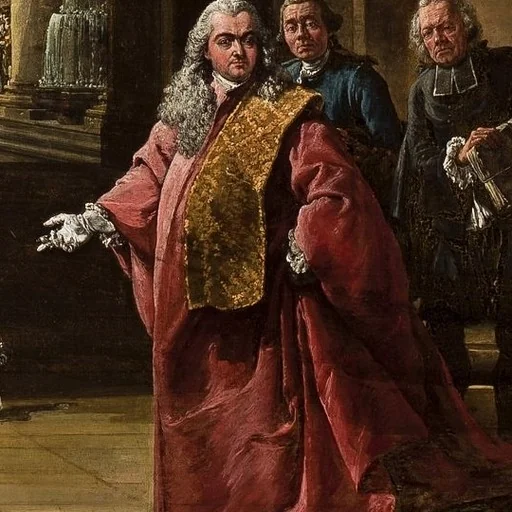
Bernardo Bellotto, was an Italian urban landscape painter or vedutista, and printmaker in etching famous for his vedute of European cities – Dresden, Vienna, Turin, and Warsaw.