Artwork
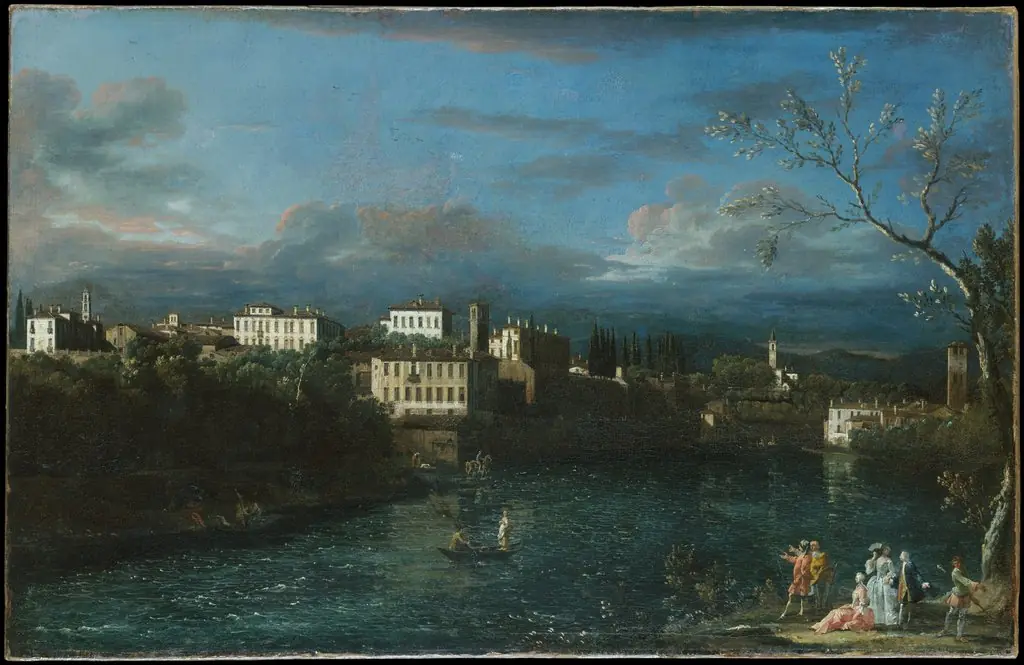
View of Verona with the Castelvecchio and Ponte Scaligero
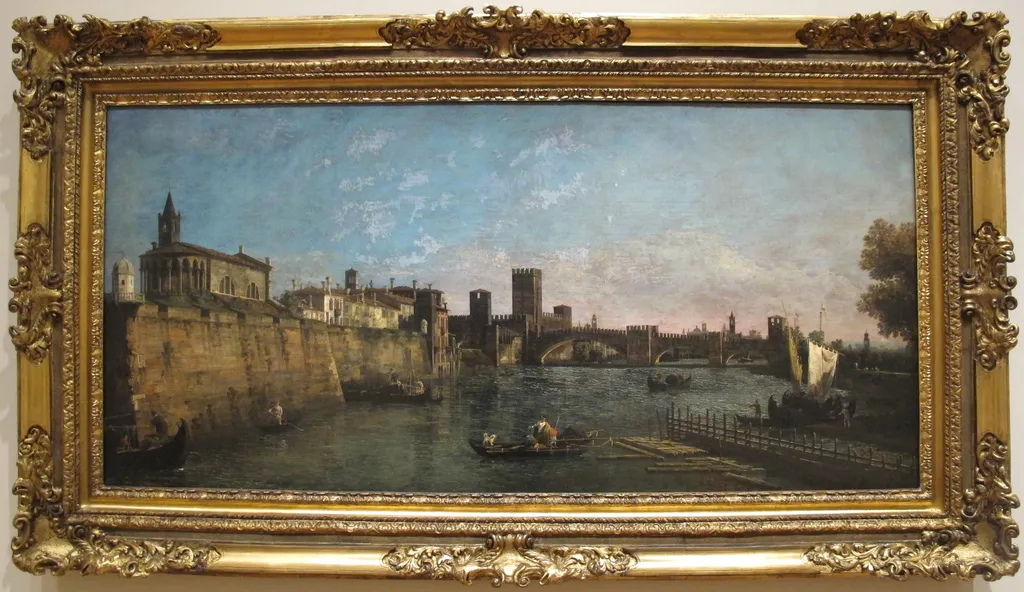
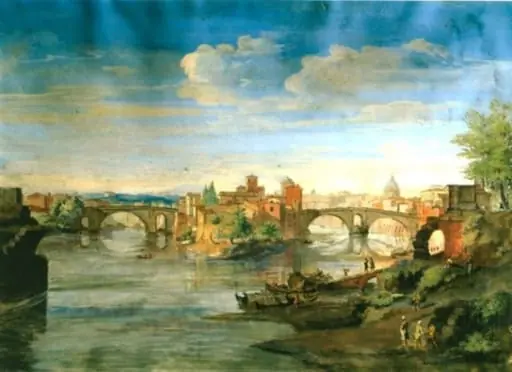
View of Verona with the Castelvecchio and Ponte Scaligero is an oil painting by the Rococo painting artist Bernardo Bellotto. It dates from 1745 and is held in the collection of the Philadelphia Museum of Art.
About this work
Overview
The work is part of the Philadelphia Museum of Art’s collection and exemplifies Bellotto’s precision in topographical representation.
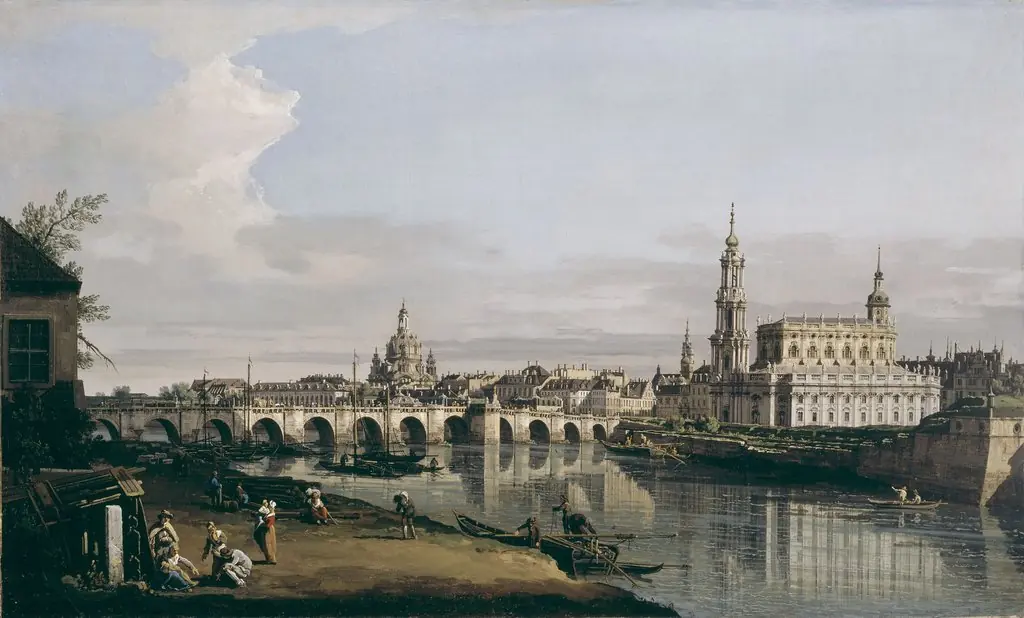
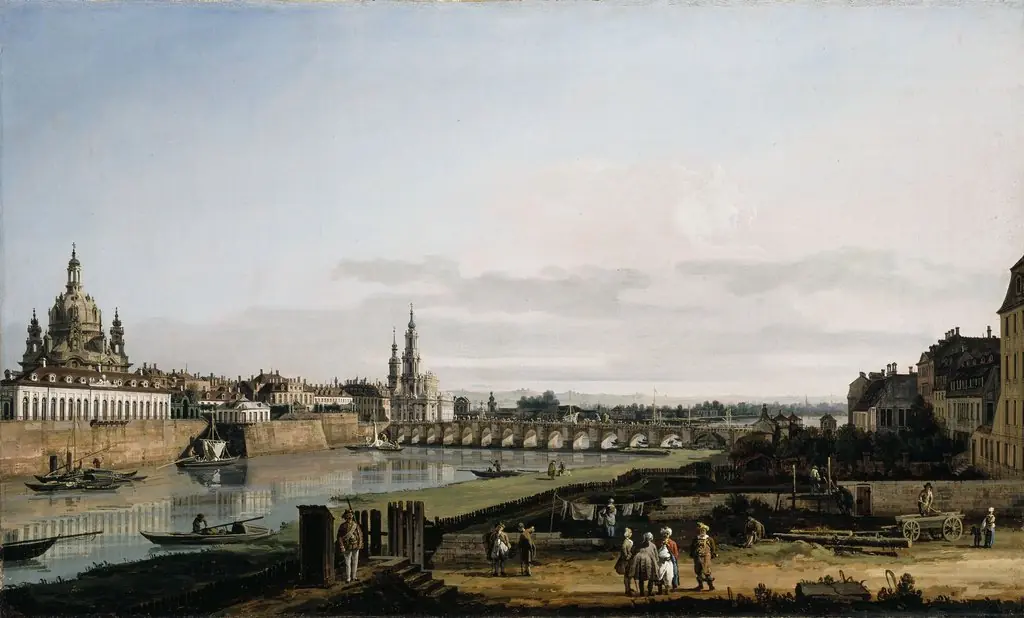
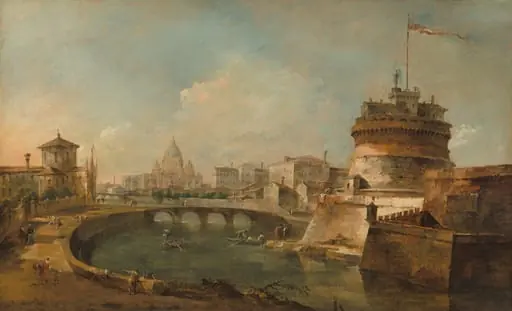
Painted in 1745 by Bernardo Bellotto, this oil on canvas depicts a tranquil riverscape of Verona, centered on the Castelvecchio fortress and the Ponte Scaligero bridge. The work is part of the Philadelphia Museum of Art’s collection and exemplifies Bellotto’s precision in topographical representation. His careful observation of architecture and atmosphere reflects his training as a veduta painter, capturing the city with documentary clarity and poetic restraint.
Subject & Meaning
The painting presents Verona’s urban landscape as a harmonious blend of natural and built environments. The Castelvecchio and its connecting bridge anchor the composition, while the quiet river and two small boats suggest daily life along its banks. There is no overt narrative, but the scene conveys a sense of calm order, reflecting the civic pride and stability associated with Verona’s medieval heritage during the 18th century.
Technique & Style
Bellotto employs subtle chiaroscuro to model the stone facades and water’s surface, enhancing spatial depth. Warm golden hues on the buildings contrast with the cool blues of sky and river, creating atmospheric perspective. Brushwork is precise yet unobtrusive, favoring clarity over expressive gesture. The soft, diffused light suggests late afternoon, reinforcing the painting’s serene mood without dramatic intensity.
History & Provenance
Created during Bellotto’s early career in northern Italy, the painting likely served as a commissioned view for a patron interested in Verona’s architectural legacy. It entered the Philadelphia Museum of Art’s collection in the 20th century, having passed through private European holdings. Its documented attribution to Bellotto aligns with his known travels and output during the 1740s, when he produced numerous cityscapes across the region.
Context
Bellotto worked in a tradition of topographical painting popular among European elites seeking accurate depictions of cities. His work bridged the documentary aims of cartography and the aesthetic concerns of landscape painting. In mid-18th century Verona, such views reinforced civic identity amid shifting political control, making them valuable both as records and as symbols of cultural continuity.
Legacy
Bellotto’s precise renderings influenced later vedute painters and remain important sources for architectural historians studying Italian urban landscapes. This painting, like others in his oeuvre, demonstrates how artistic skill could serve both aesthetic and evidentiary purposes. Its enduring presence in a major museum underscores its role as a reliable visual document of 18th-century Verona.
Artist & collection
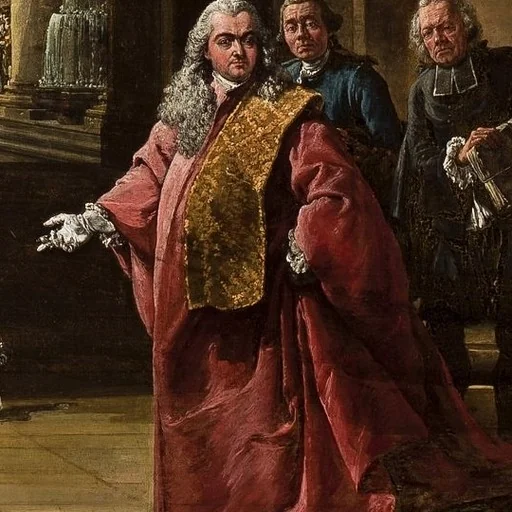
Artist
Bernardo Bellotto, was an Italian urban landscape painter or vedutista, and printmaker in etching famous for his vedute of European cities – Dresden, Vienna, Turin, and Warsaw.