Artwork
Triumph of Alexander
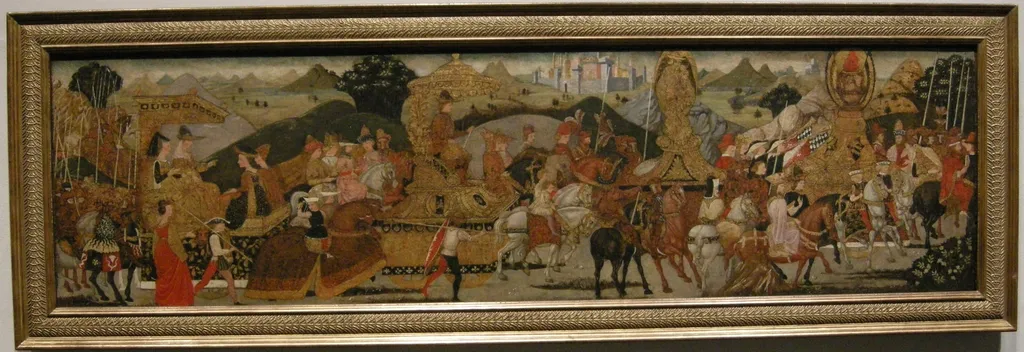
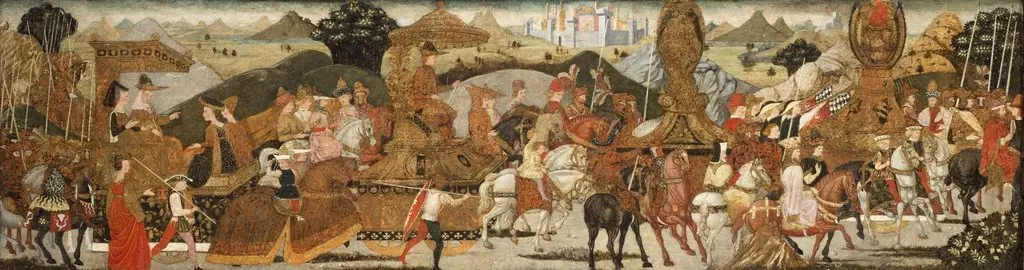
Triumph of Alexander is an unspecified painting by the Early Renaissance artist Bernardo di Stefano Rosselli. It dates from 1493 and is held in the collection of the Los Angeles County Museum of Art.
About this work
Overview
Painted in 1493 by Bernardo di Stefano Rosselli, this work is a historical scene celebrating Alexander the Great.
Painted in 1493 by Bernardo di Stefano Rosselli, this work is a historical scene celebrating Alexander the Great. Executed during the early Renaissance, it reflects the Florentine tradition of narrative painting. Rosselli, trained in the workshop of Neri di Bicci and active independently since the 1470s, produced this piece for private or civic display, likely as part of a broader interest in classical heroism among Italian patrons.
Subject & Meaning
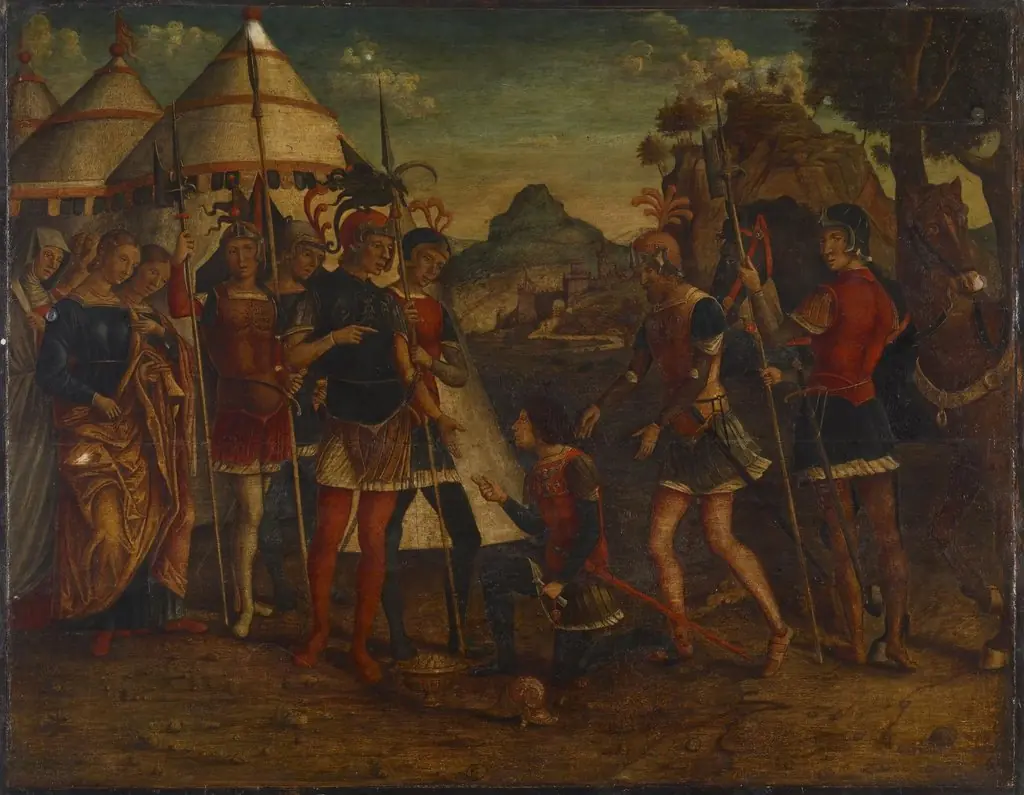
The central figure, bearing a scepter and mounted prominently, represents Alexander the Great, surrounded by a retinue of soldiers, attendants, and dignitaries. The procession moves through a landscape of rolling hills and trees, evoking a ceremonial entry into a conquered territory. The scene conveys authority and order, aligning with Renaissance ideals of leadership and the revival of classical antiquity as a model for contemporary governance.
Technique & Style
Rosselli employs tempera on panel, with a restrained palette of earth tones—browns, muted greens, and gold accents—creating a sense of solemn grandeur. Figures are arranged in a shallow, staged space, with attention to costume detail and horse anatomy. The composition follows early Renaissance conventions: linear perspective is subtly used, and figures are rendered with a degree of naturalism, though still governed by symbolic hierarchy.
History & Provenance
The painting entered the collection of the Los Angeles County Museum of Art in the 20th century, though its earlier ownership remains undocumented. It was likely commissioned by a Florentine merchant or civic body, common for such historical subjects during the late 15th century. No records of its original location survive, but its scale and subject suggest it was intended for a private chamber or public hall rather than a religious setting.
Context
In late 15th-century Florence, classical themes were revived as symbols of civic virtue and intellectual ambition. Artists like Rosselli responded to humanist interests by depicting ancient rulers as moral exemplars. Though overshadowed by contemporaries like Botticelli or Ghirlandaio, Rosselli’s work reflects a broader trend: using historical narrative to articulate ideals of power, order, and cultural continuity in a city-state deeply engaged with antiquity.
Legacy
Bernardo Rosselli’s *Triumph of Alexander* stands as a modest but representative example of Florentine Renaissance historiographical painting. While not widely known today, it contributes to the understanding of how classical subjects were adapted for secular audiences. Its preservation in LACMA allows continued study of regional workshop practices and the quiet persistence of narrative tradition beyond the most celebrated masters of the period.
Artist & collection
Artist
Bernardo di Stefano Rosselli (1450–1526) was an Italian painter active in his native Florence and the surrounding countryside.

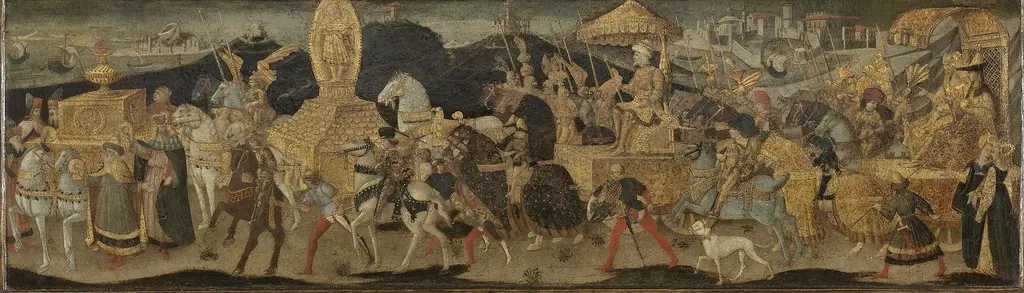 Darius Marching to the Battle of Issus
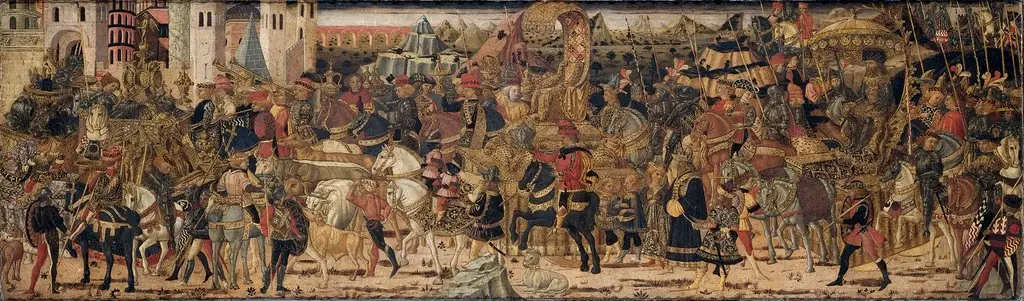 The Triumph of Aemilius Paulus after the Battle of Pydna
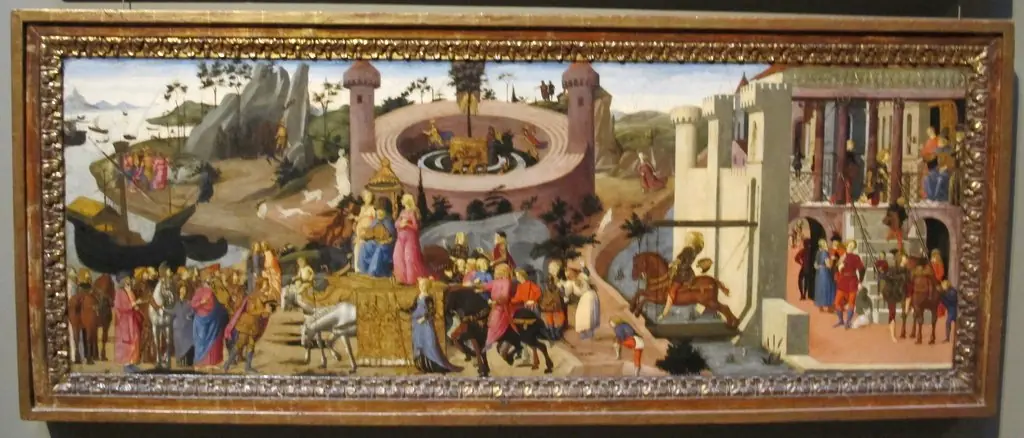 scene con storie degli argonauti
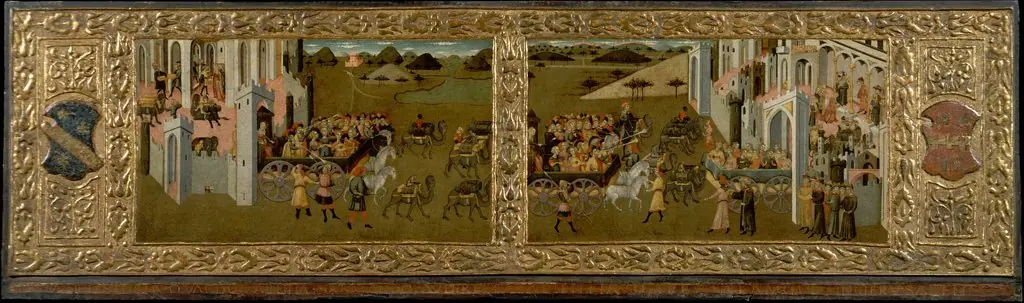 King Solomon and the Queen of Sheba
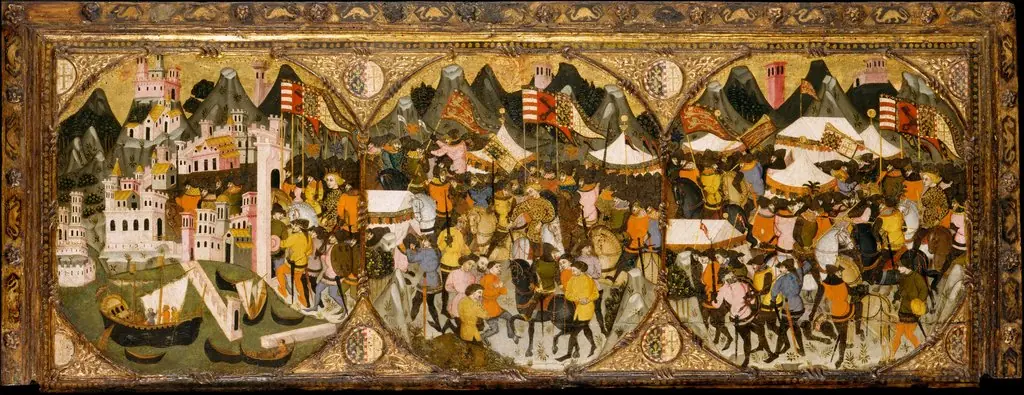 The Conquest of Naples by Charles of Durazzo
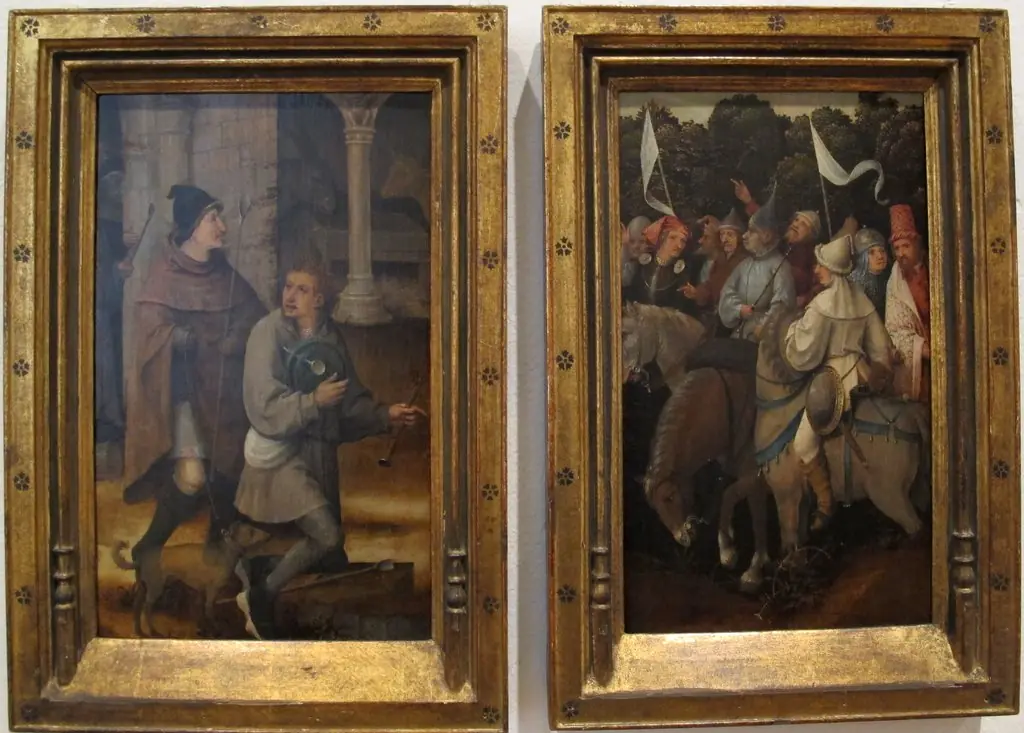 Two Shepherds and Retinue of the Magi
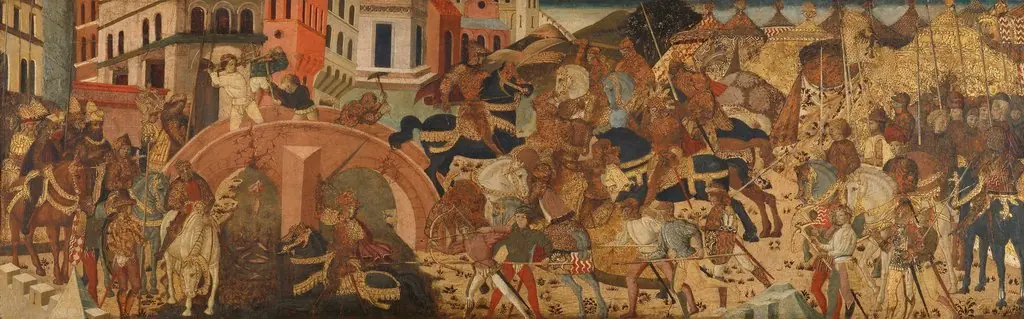 Horatius Cocles Defending the Sublician Bridge
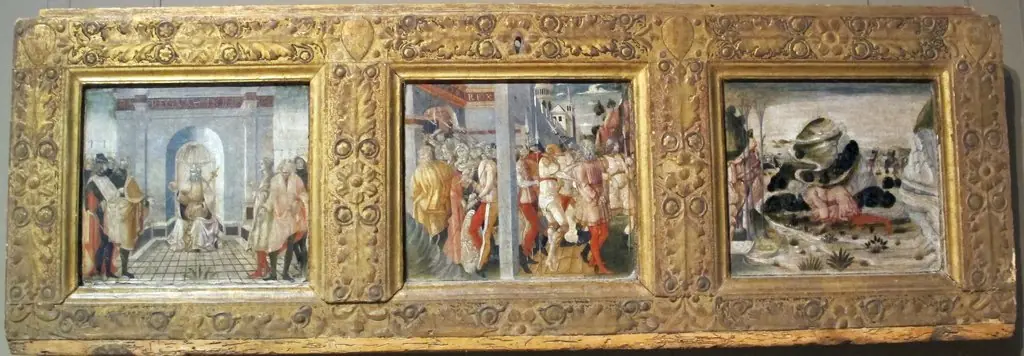 Scenes from the Life of King Nebuchadnezzar
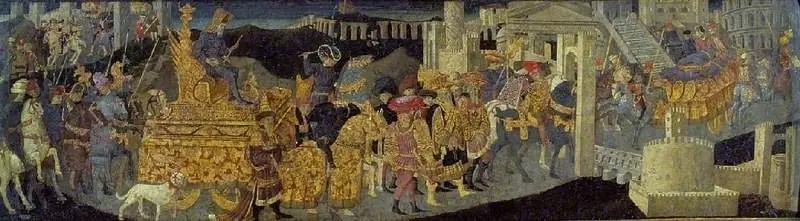 The Triumph of Scipio Africanus
 The Magnanimity of Scipio
 A Battle Scene