Artwork
Two Shepherds and Retinue of the Magi
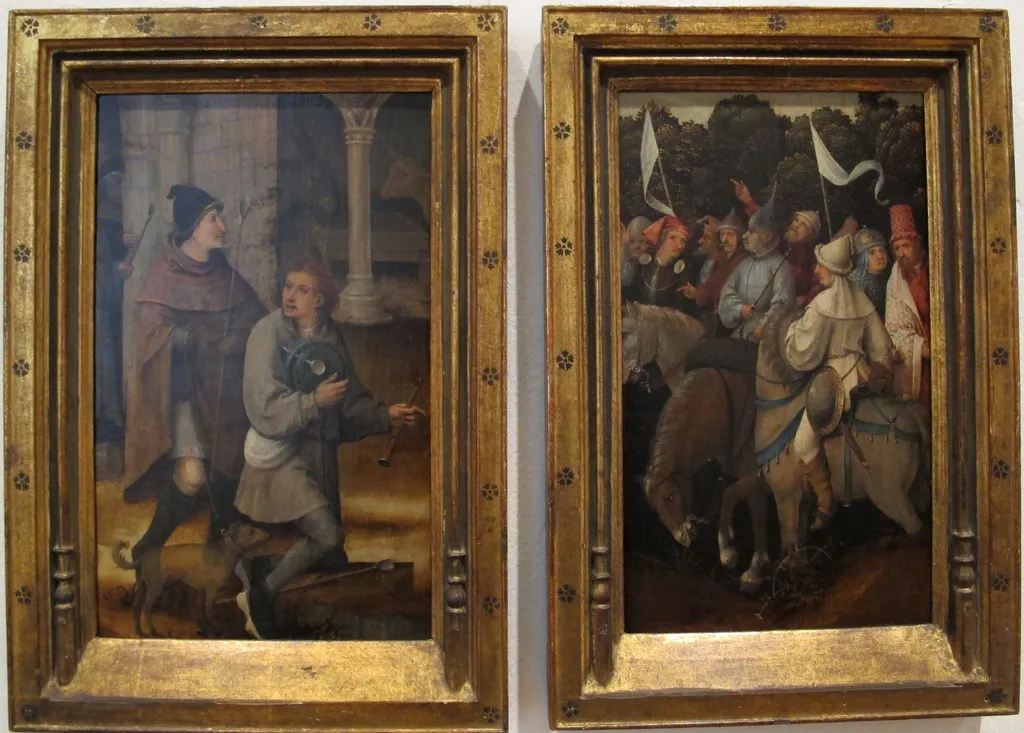
Two Shepherds and Retinue of the Magi is an oil painting by the Mannerist artist Unknown. It dates from 1550 and is held in the collection of the Philadelphia Museum of Art. The work presents a diptych composition in oil, juxtaposing two narrative episodes within a gilded frame.
About this work
Overview
The right panel shifts to a forested landscape, showing a procession on horseback that includes a rider dressed in white robes.
The work presents a diptych composition in oil, juxtaposing two narrative episodes within a gilded frame. The left panel depicts a courtyard where a shepherd with a crook and a second figure with a tambourine stand side by side. The right panel shifts to a forested landscape, showing a procession on horseback that includes a rider dressed in white robes. The overall palette is subdued, dominated by dark tones.
Subject & Meaning
Both scenes relate to the biblical story of the Magi’s journey. The shepherds on the left evoke the humble witnesses of the Nativity, while the mounted retinue on the right represents the wise men traveling to honor the newborn. The contrast between the quiet courtyard and the dynamic forest procession underscores the movement from earthly simplicity to regal pilgrimage.
Technique & Style
Executed in oil, the painting exploits the medium’s capacity for layered texture and luminous depth. Chiaroscuro modeling creates pronounced shadows and highlights, giving the figures a three‑dimensional presence against the dark background. The gilded framing and restrained colour scheme reflect a late medieval or early Renaissance aesthetic, where gold surfaces and muted hues were employed to convey solemnity.
History & Provenance
The piece is catalogued as a religious narrative panel, typical of devotional art commissioned for private chapels or elite households. Its provenance traces through several European collections, though specific ownership records remain sparse. The work’s survival in oil, rather than tempera, suggests a later date within the transitional period when oil became the preferred medium for such subjects.
Context
During the era of its creation, depictions of the Magi’s journey were popular motifs in both liturgical and secular settings, serving as visual meditations on pilgrimage and divine revelation. The inclusion of a shepherd with a musical instrument reflects contemporary iconography that linked music with worship, while the white‑robed rider signifies the Magi’s spiritual authority.
Artist & collection

 Domestic Scene
 Giacomo and Cardinal Marco, investing Andrea, Abbot of San Zeno, with his Benefice
 The Nymph of Fontainebleau
 Portrait of a Woman
 Madonna and Child with Saints in the Enclosed Garden
 Venus and Minerva
 Family Group of Four on Sofa
 Wall painting from Room H of the Villa of P. Fannius Synistor at Boscoreale
 Polittico di Cornalba
 Flügelaltärchen (Flügel): Naam badet im Jordan; Seitenflügel: Hll. Cosmas und Damian
 processione dei magi
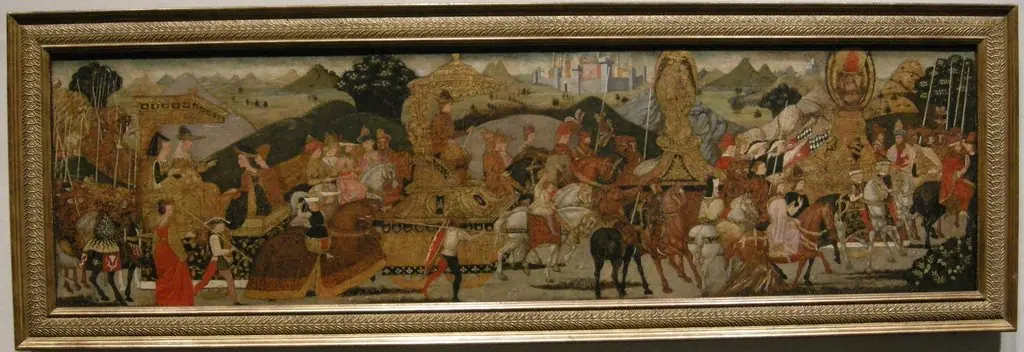 Triumph of Alexander
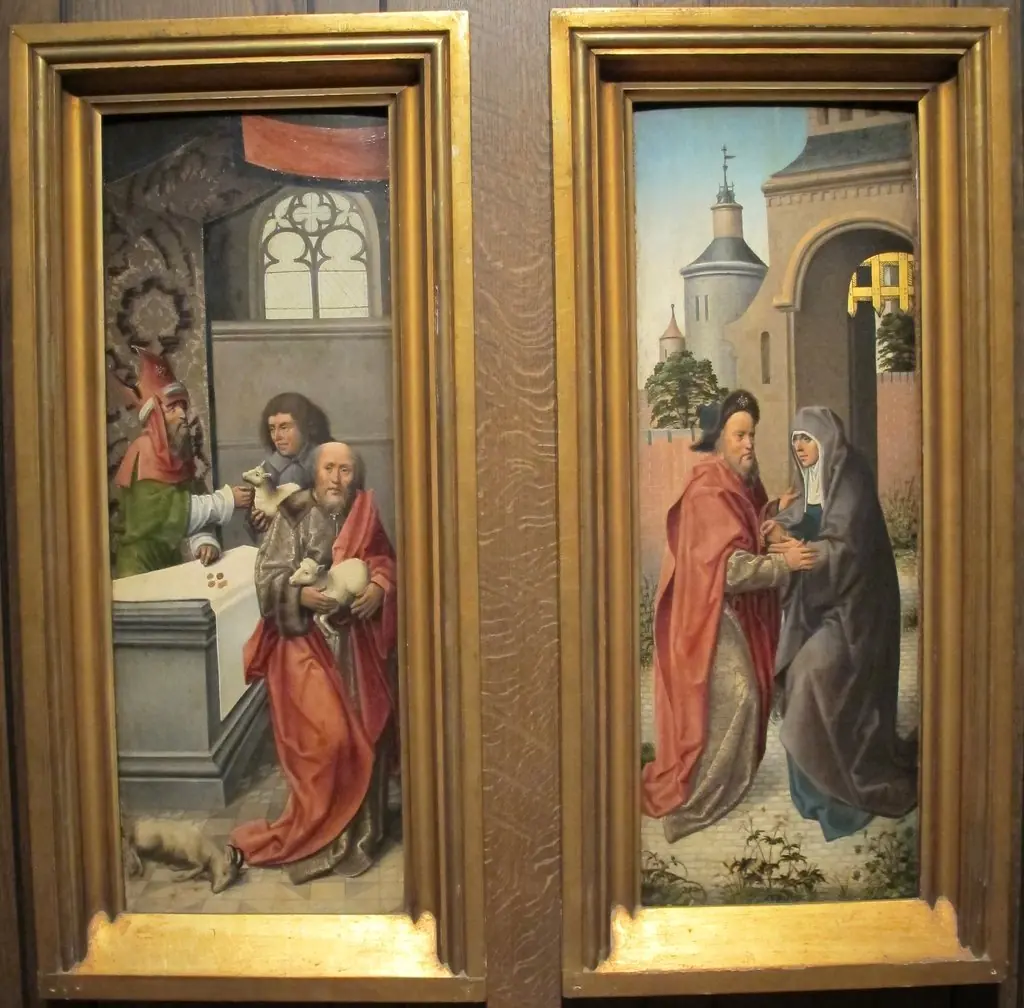 cacciata di gioacchino e incontro all porta d'oro
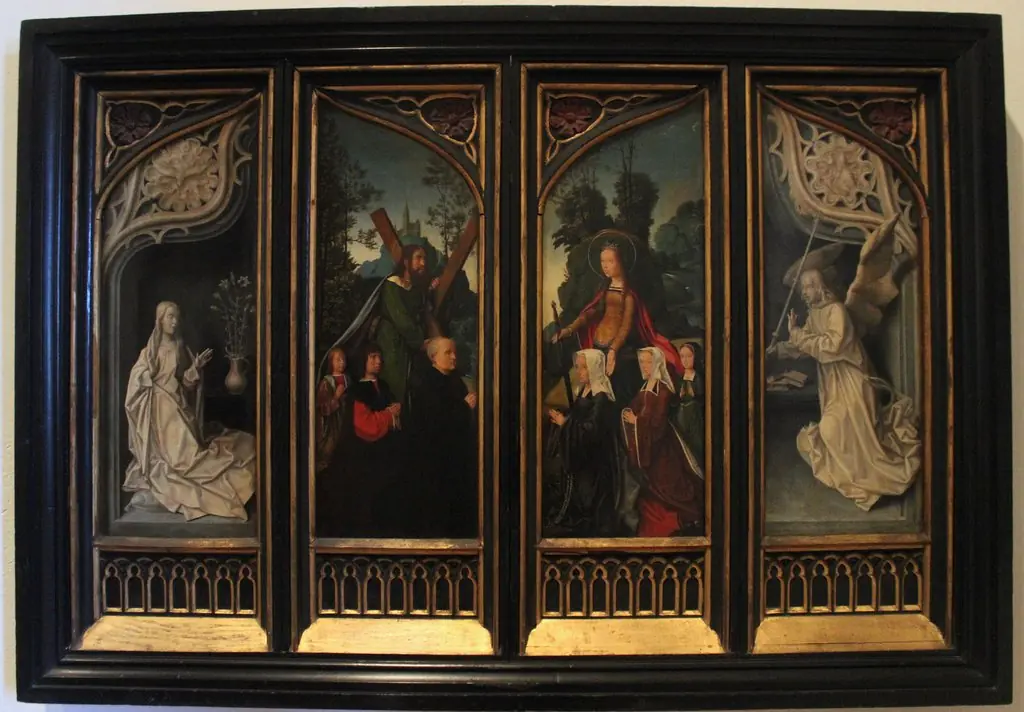 The Annunciate Virgin, Saint Andrew with a Donor and His Sons, Saint Catherine of Alexandria with a Donor and Her Daughters, and the Annunciate Angel
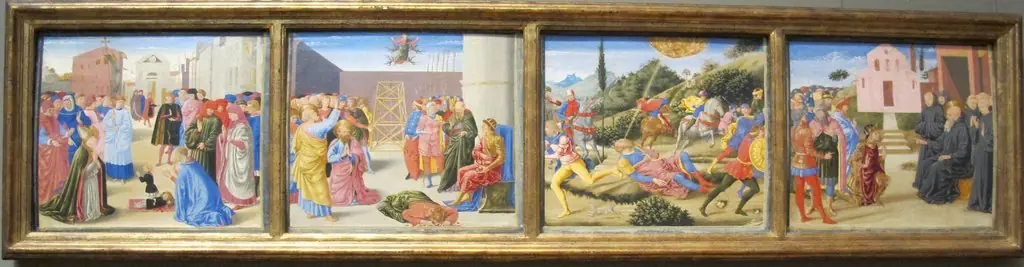 Predella with scenes from the Life of the Saint
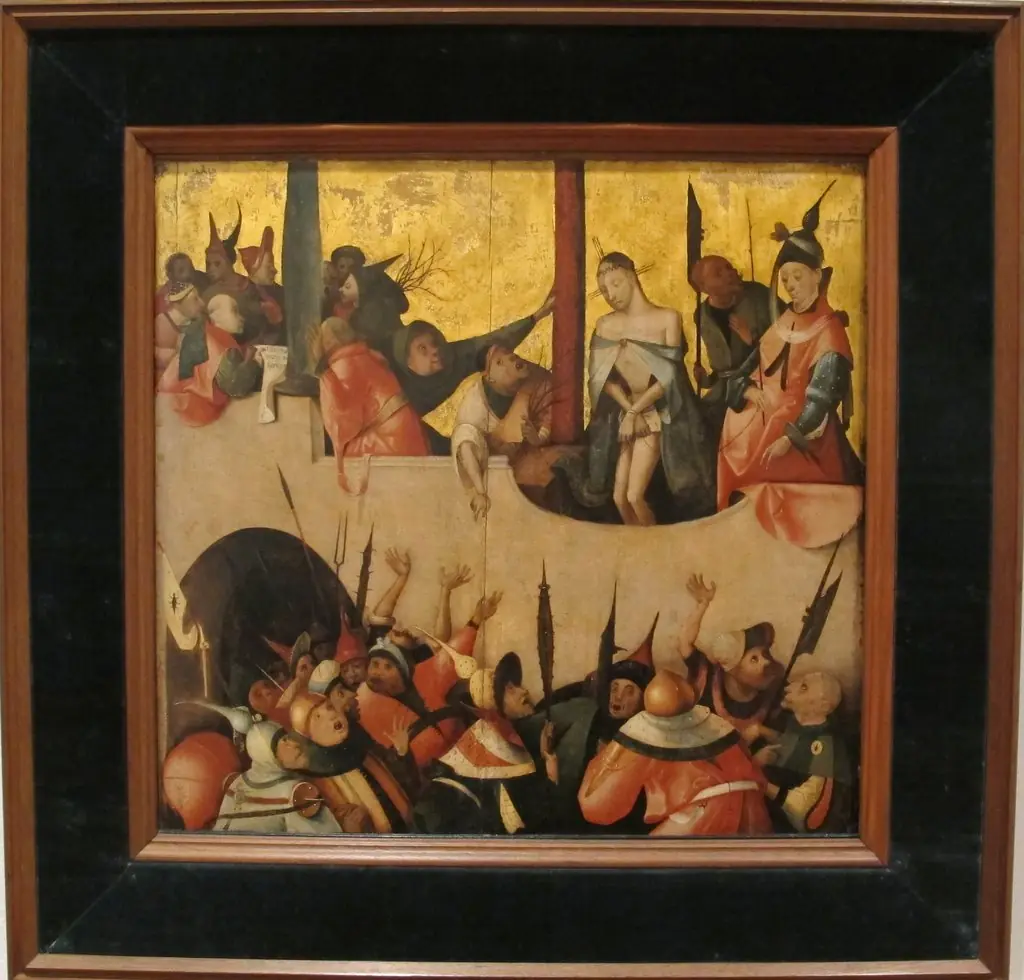 Ecce Homo
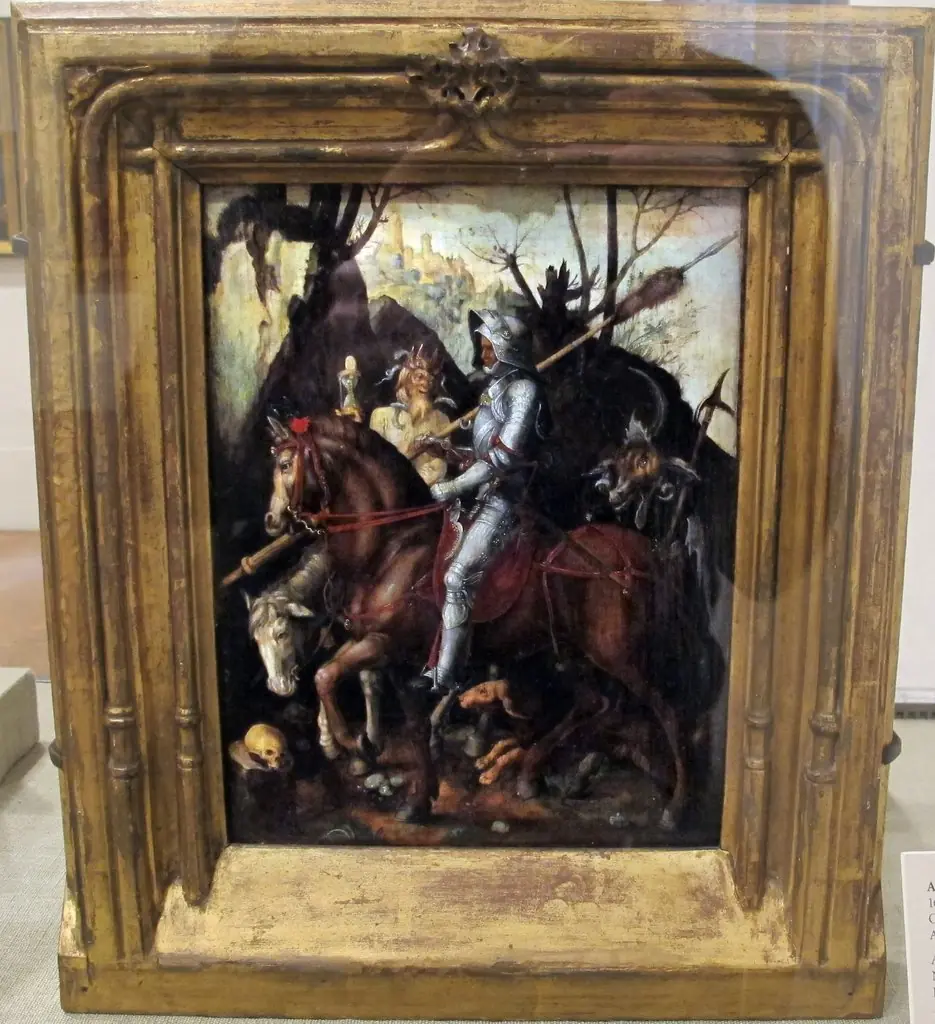 cavaliere, la morte il diavolo
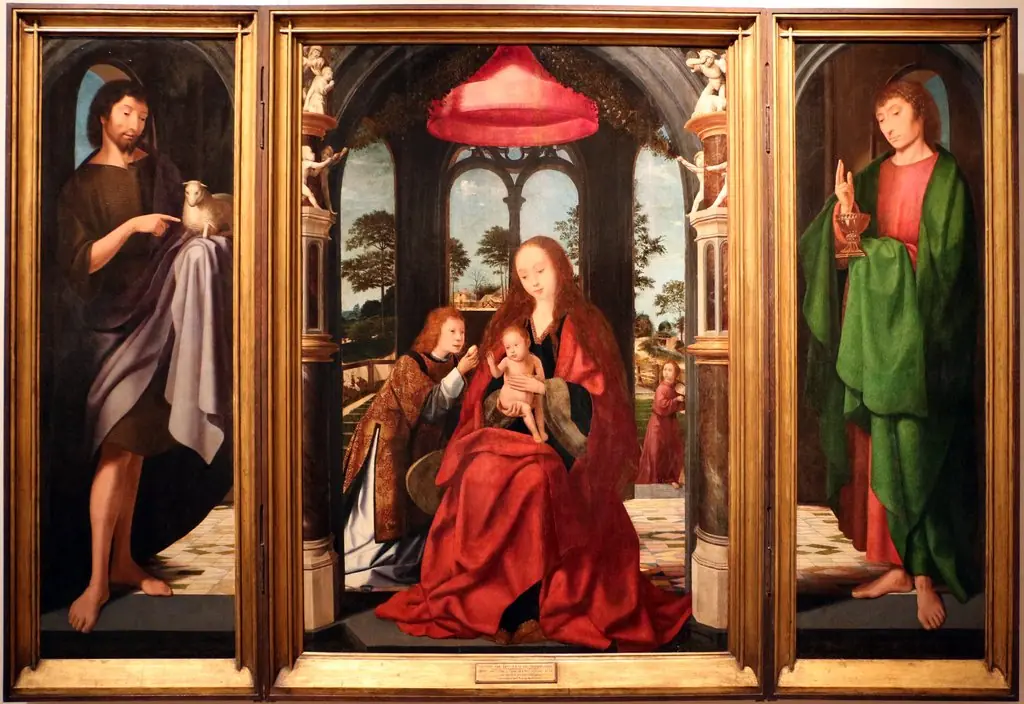 Triptych of the Virgin with the Child and Angels, St. John the Baptist and St. John the Evangelist
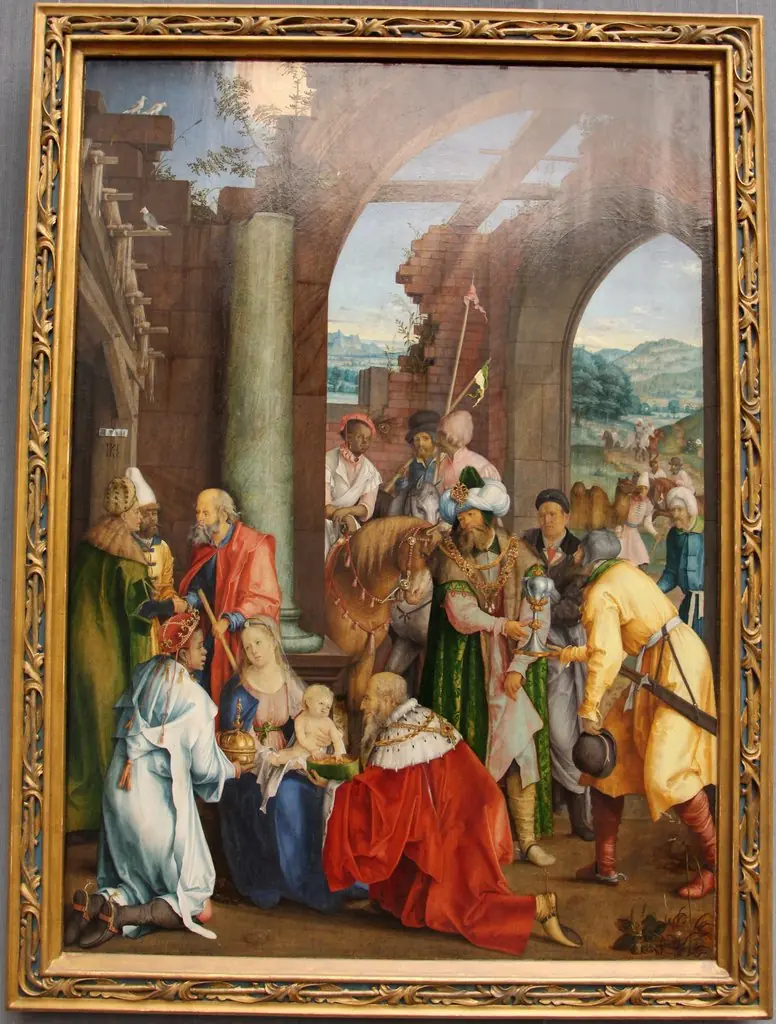 Adoration of the Magi
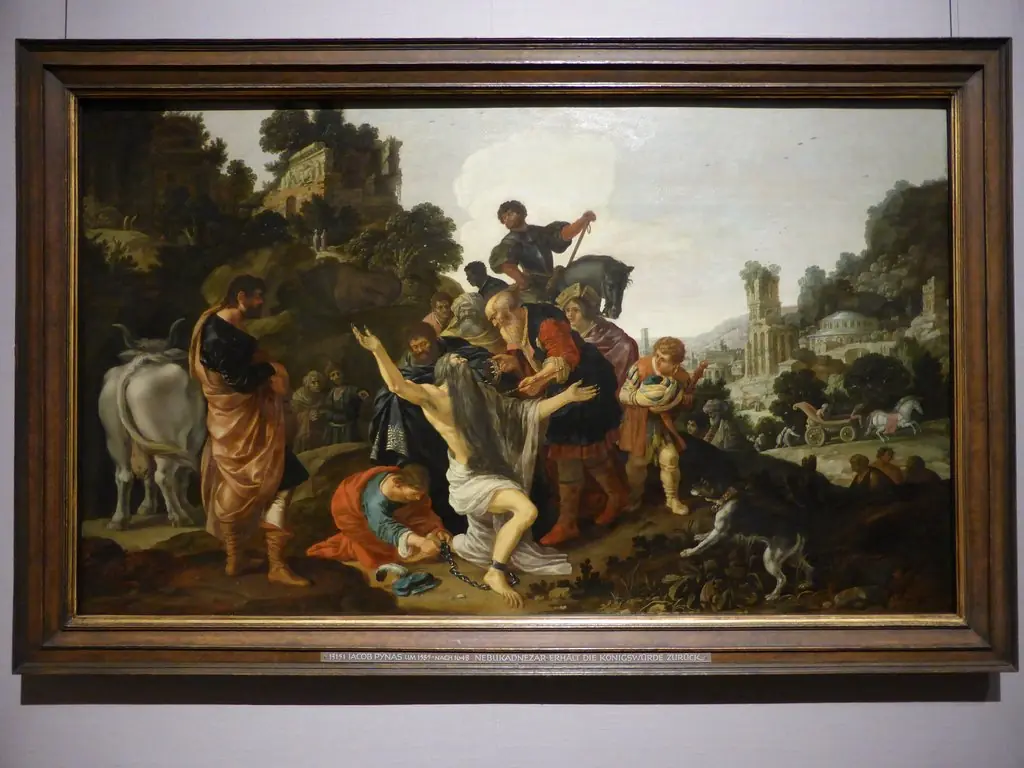 Nebukadnezar erhält die Königswürde zurück