Artwork
St Secundus and Angel
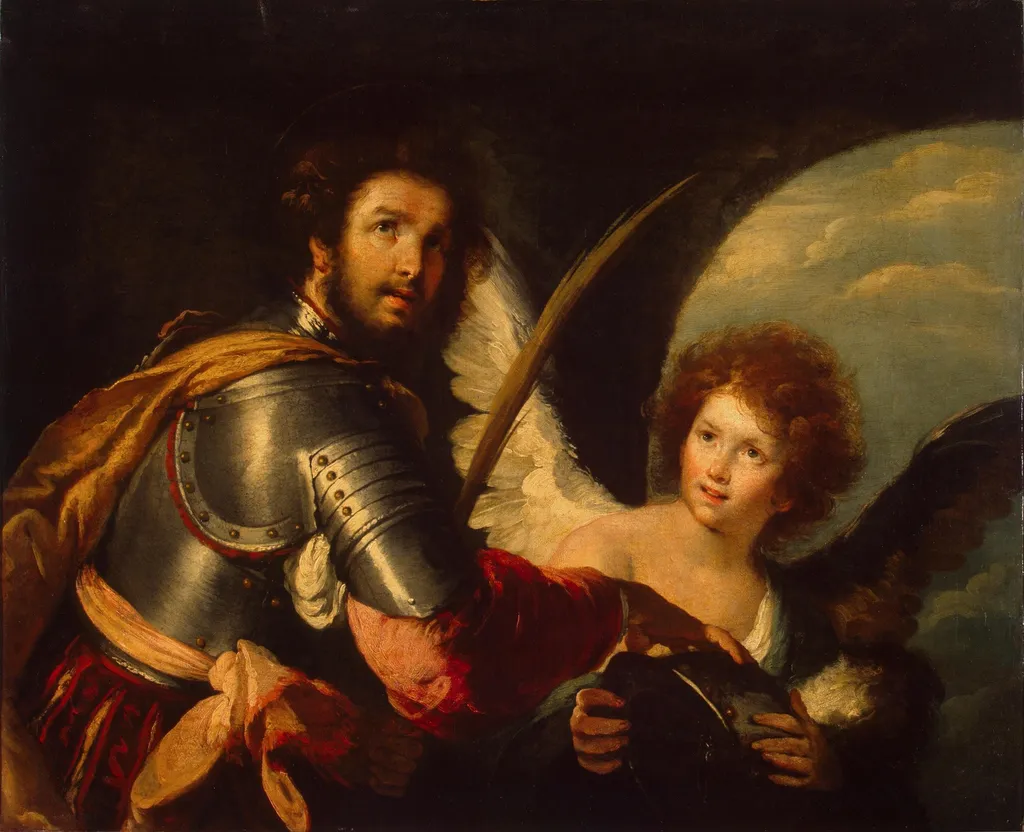
St Secundus and Angel is an oil painting by the Early Baroque Italian artist Bernardo Strozzi. It dates from 1637 and is held in the collection of the Hermitage Museum.
About this work
Overview
The painting is part of the State Hermitage Museum’s collection and exemplifies his early Baroque style, marked by emotional gravity and vivid tonal contrasts.
Painted in 1637 by Bernardo Strozzi, this oil on canvas depicts Saint Secundus accompanied by an angel. Strozzi, a Genoese friar and painter active in both Genoa and Venice, produced works spanning religious, historical, and domestic themes. The painting is part of the State Hermitage Museum’s collection and exemplifies his early Baroque style, marked by emotional gravity and vivid tonal contrasts.
Subject & Meaning
The figure of Saint Secundus, a early Christian martyr, is shown in armor with a red sash and draped yellow cloth, suggesting both military and spiritual identity. The angel, smaller in scale, holds a dark object—possibly a book or shield—symbolizing divine guidance or protection. The somber mood and focused gaze convey a moment of sacred encounter, emphasizing the saint’s inner resolve amid spiritual trial.
Technique & Style
Strozzi employs rich, luminous pigments and strong chiaroscuro to model form and depth. The dark background isolates the figures, while the light falling on the angel’s head and the saint’s face enhances their presence. Brushwork is fluid yet deliberate, with textures in fabric and metal rendered through layered glazes. The composition directs attention diagonally from the angel to the saint, creating subtle movement within a static scene.
History & Provenance
Commissioned during Strozzi’s mature period, the painting entered the Hermitage collection in the 18th or 19th century, likely through imperial acquisitions of Italian art. Its survival in good condition reflects careful stewardship. While little is known of its original placement, its subject aligns with Counter-Reformation devotional priorities, suggesting it may have adorned a church or private chapel.
Context
In mid-17th century Italy, religious imagery remained central to artistic production, especially in regions influenced by the Council of Trent’s emphasis on emotional engagement. Strozzi’s synthesis of Venetian colorism and Genoese naturalism positioned him as a bridge between regional styles. This work reflects broader trends in Baroque sacred art, favoring psychological intensity over idealized form.
Legacy
Strozzi’s influence extended to later Genoese and Venetian painters through his expressive use of light and color. While *St Secundus and Angel* is not among his most widely reproduced works, it exemplifies his ability to convey spiritual gravity with restrained drama. It remains a quiet testament to his role in shaping the emotional language of Italian Baroque religious painting.
Own this work as a print
Artist & collection
Artist
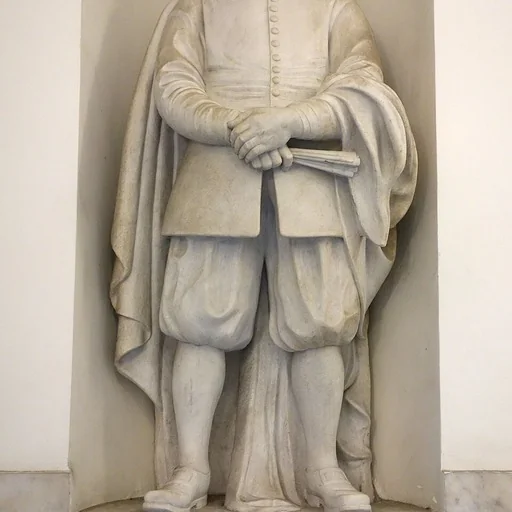
Bernardo Strozzi, named il Cappuccino and il Prete Genovese (c. 1581 – 2 August 1644), was an Italian Baroque artist who was a painter and engraver. A canvas and fresco artist, his wide subject range included history,…

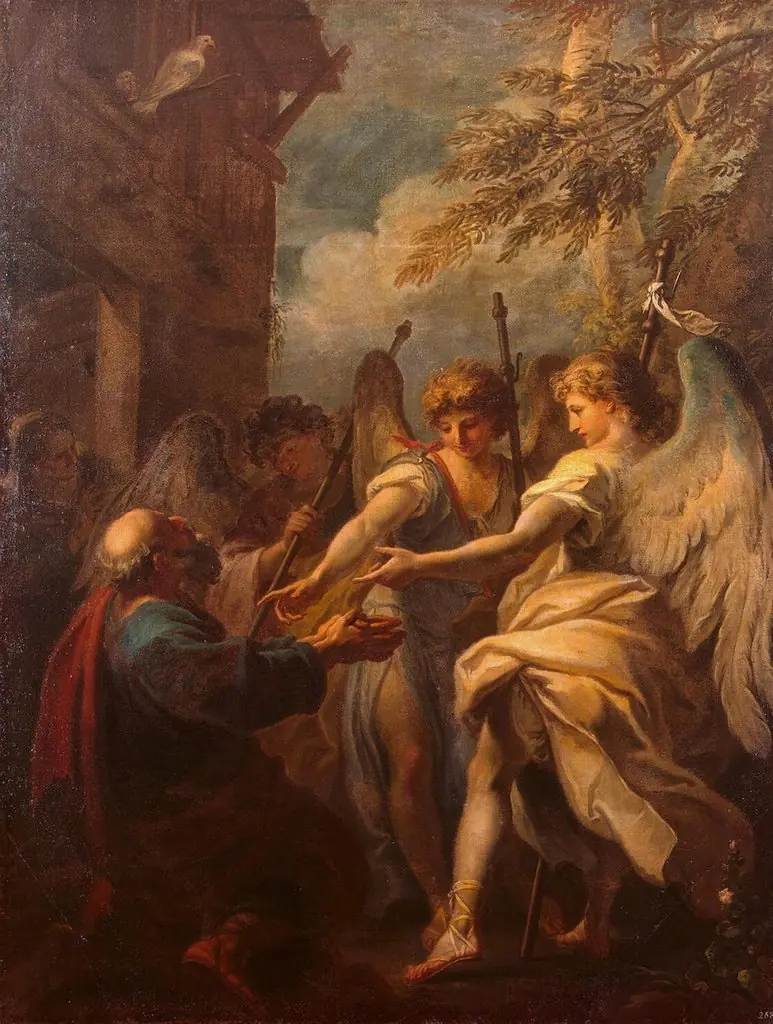 Abraham and the Angels
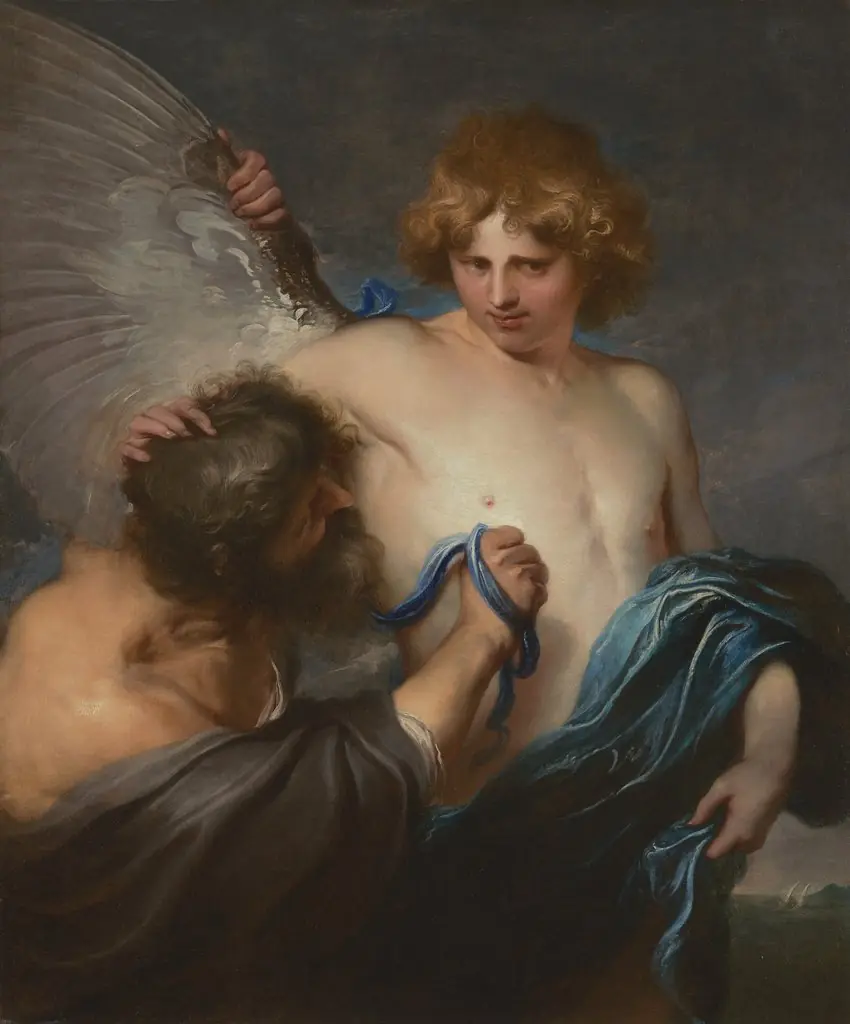 Self-Portrait as Icarus with Daedalus
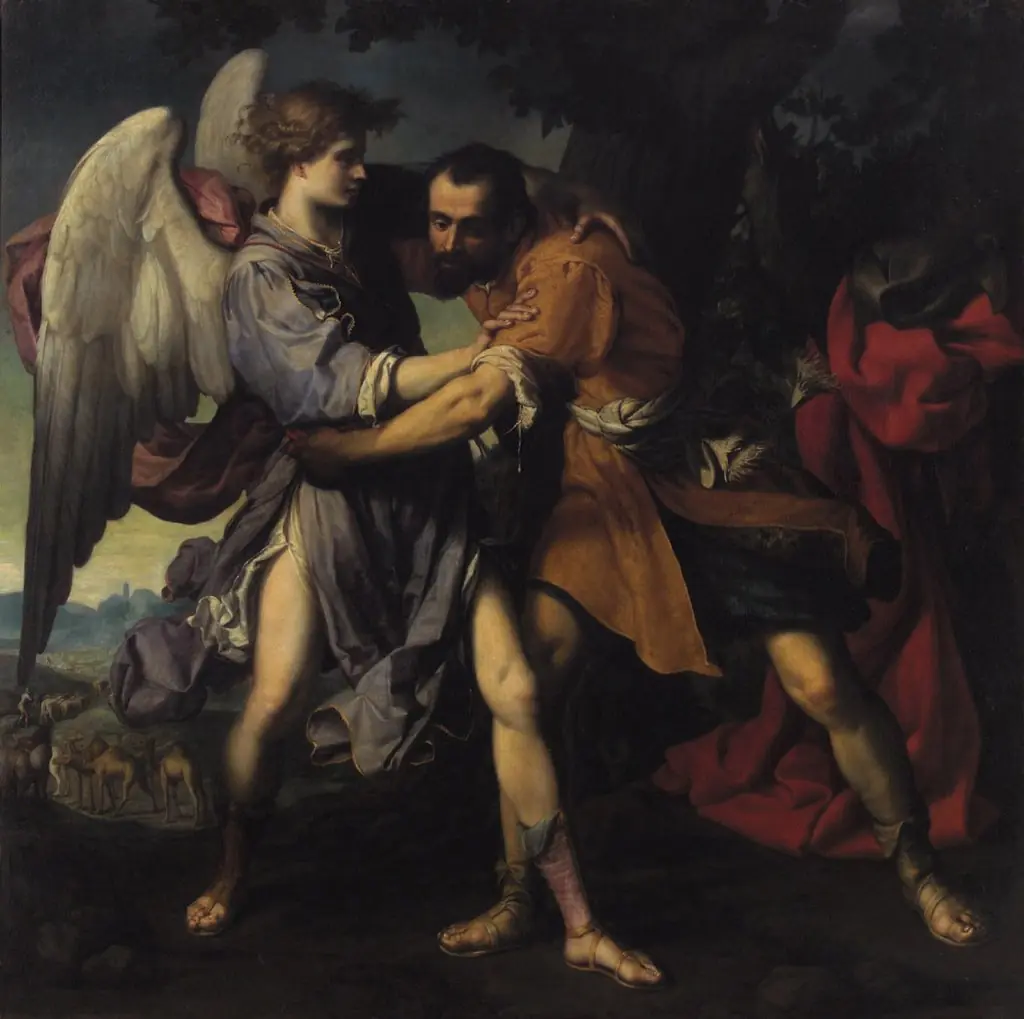 Jacob with the Angel
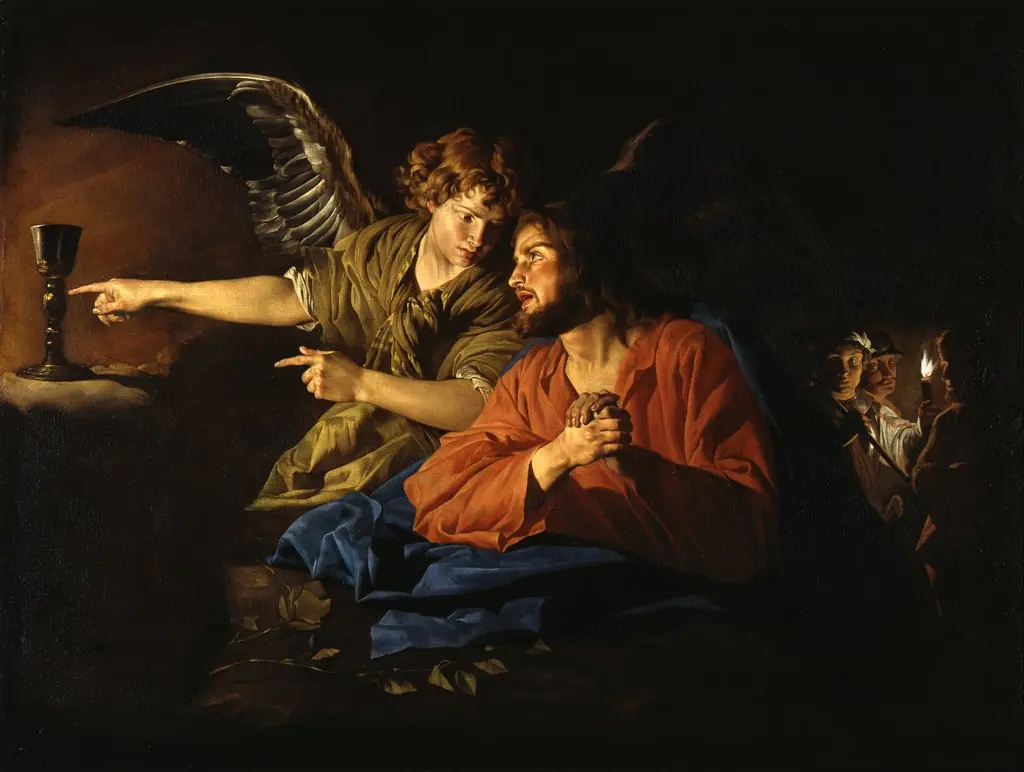 Christ in the garden of olives at Gethsemane
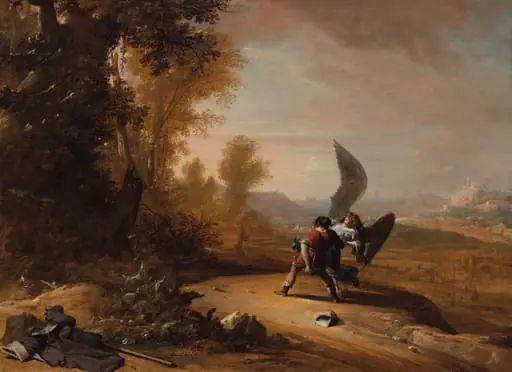 Jacob Wrestling with the Angel
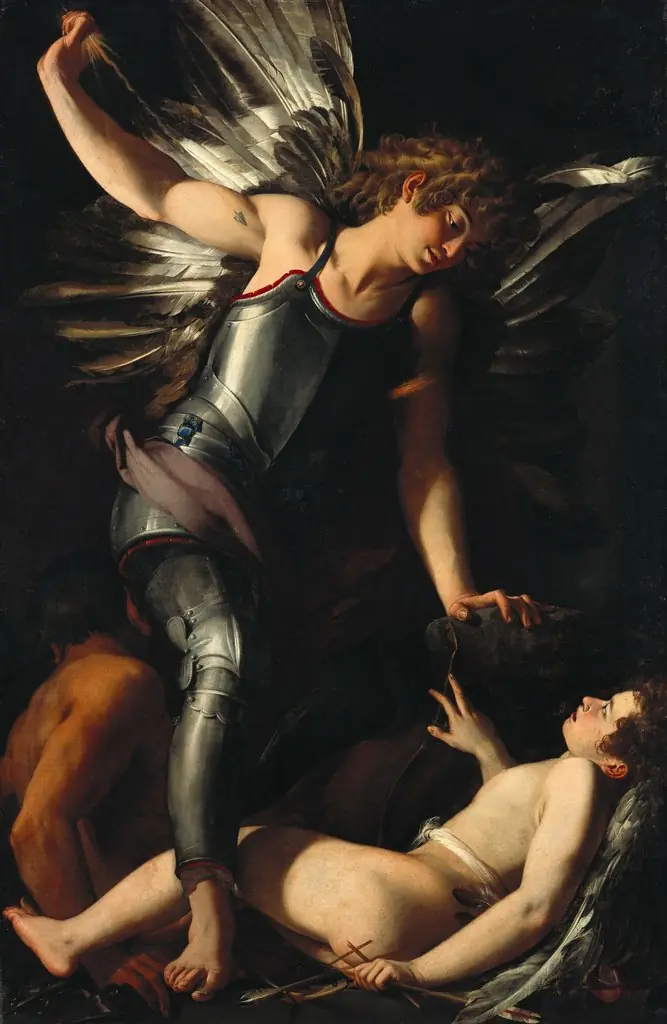 The Divine Eros Defeats the Earthly Eros
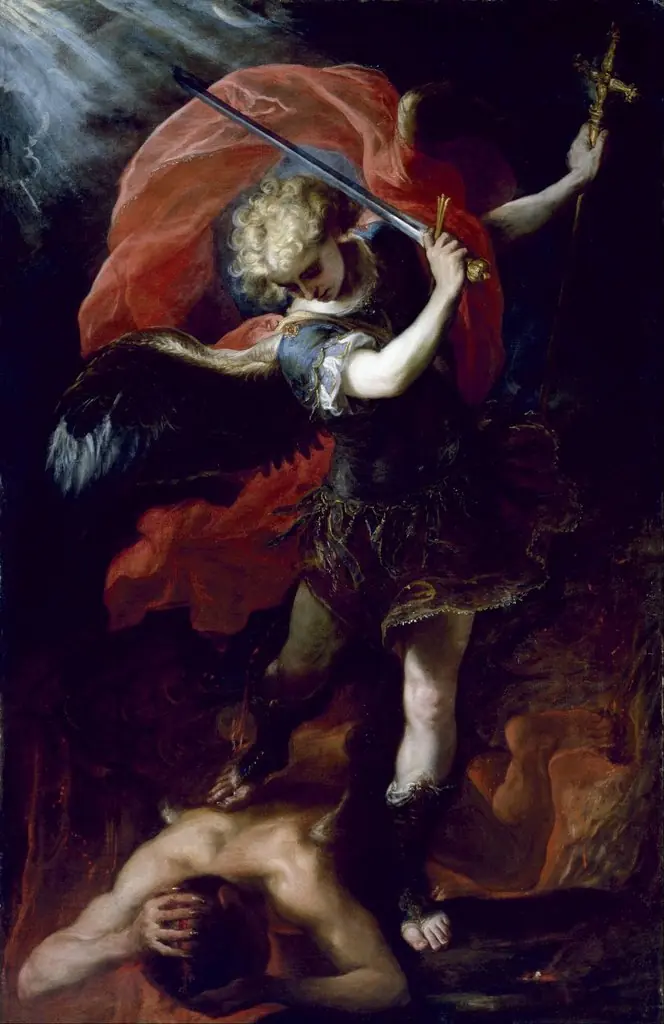 Saint Michael the Archangel
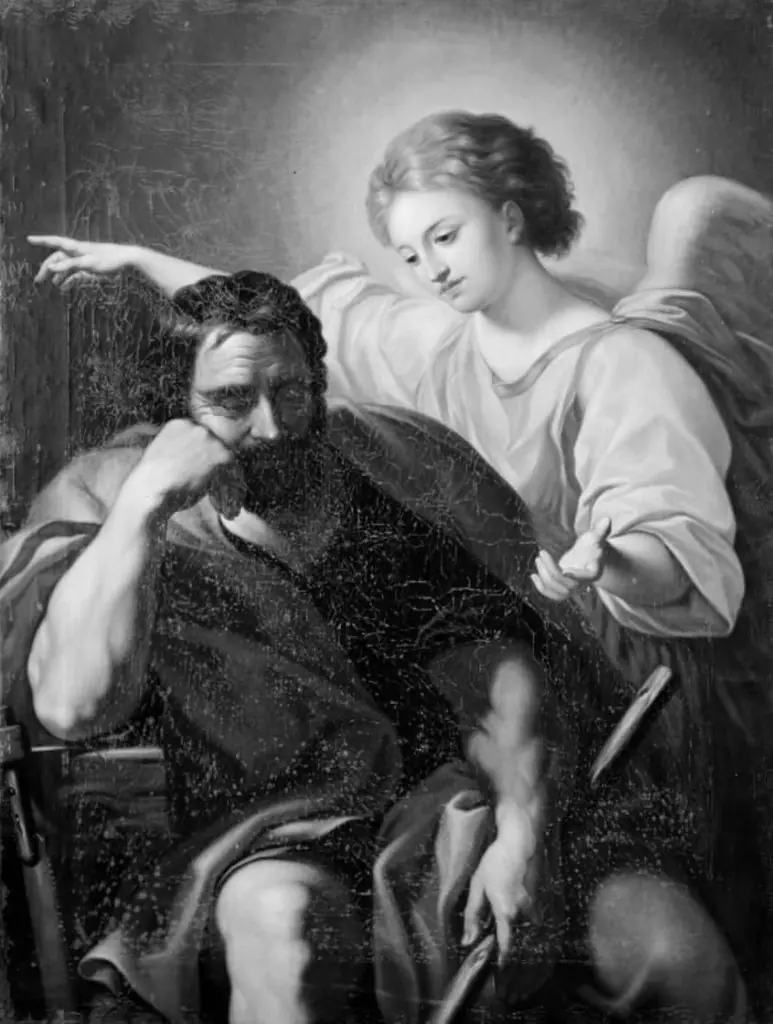 Englen åbenbarer sig for Josef
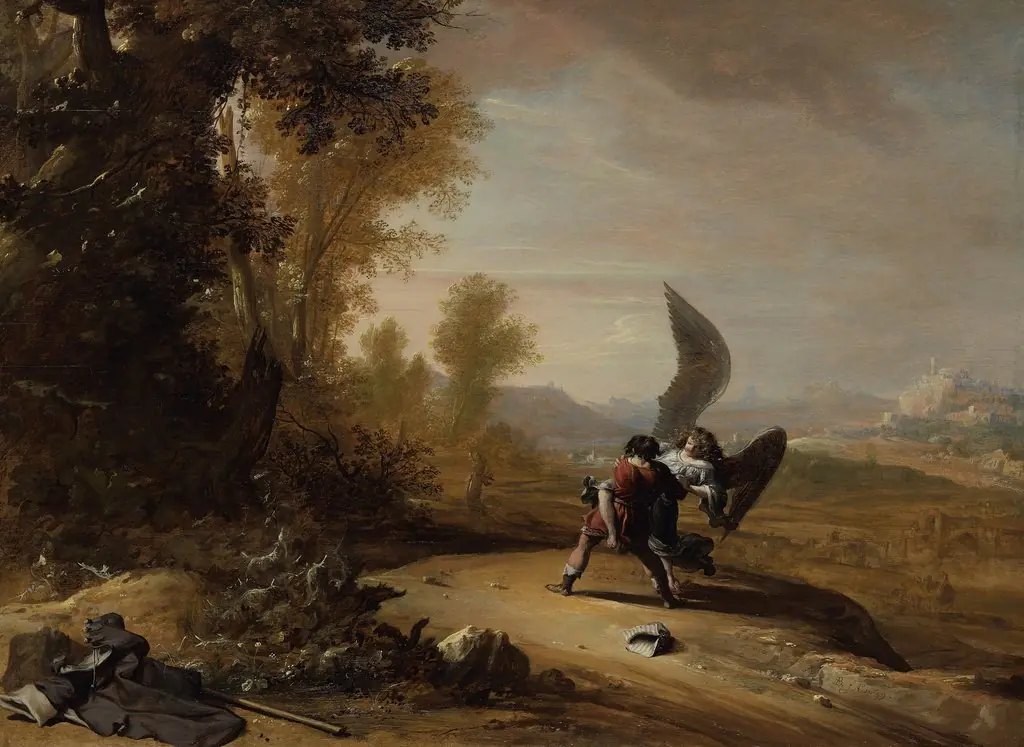 Jacob wrestling with the angel
 Englen åbenbarer sig for Josef
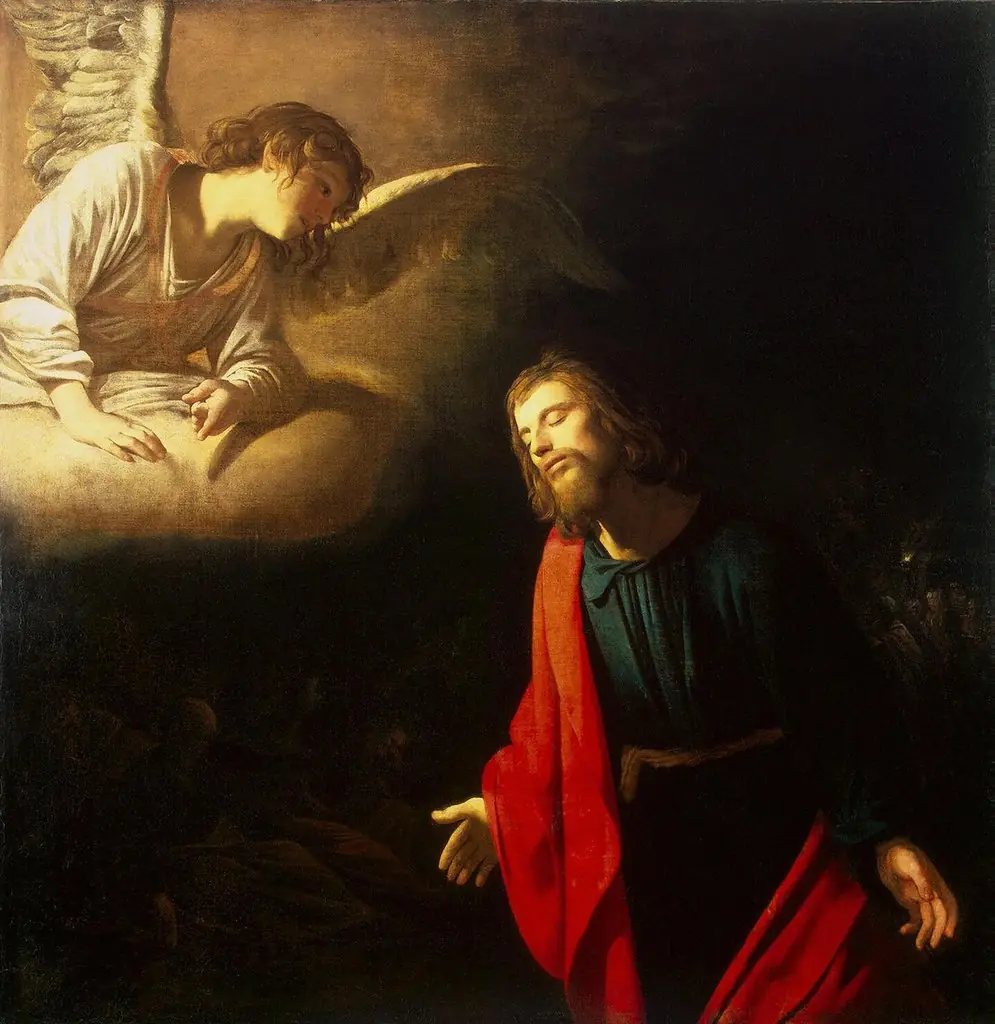 Christ in the Garden of Gethsemane (The Agony in the Garden)
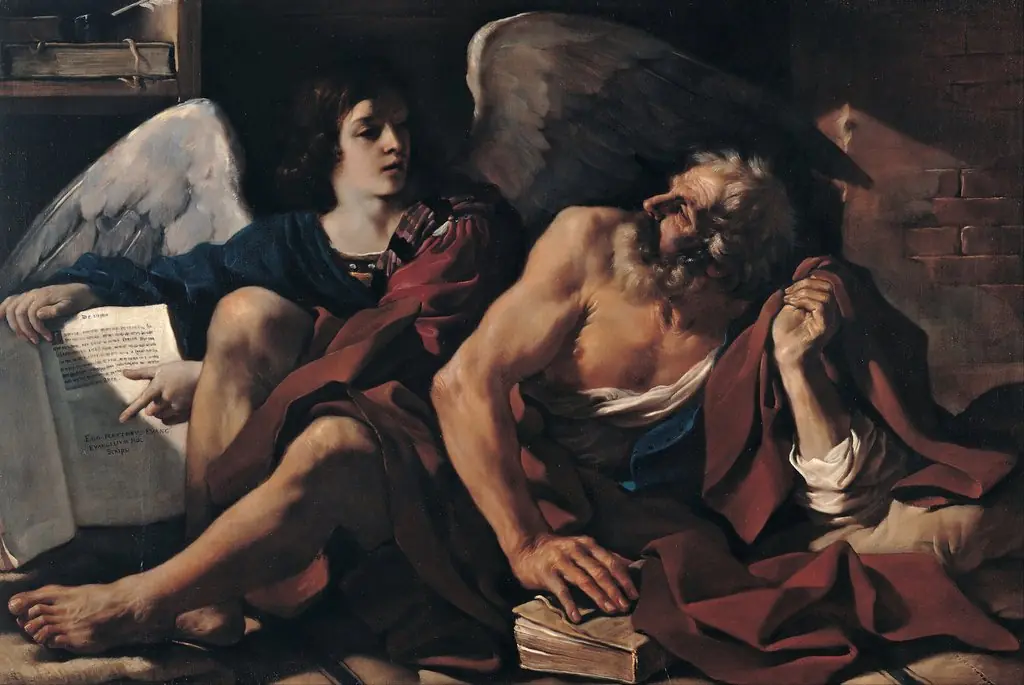 Saint Matthew and the Angel