Artwork
Bedouin
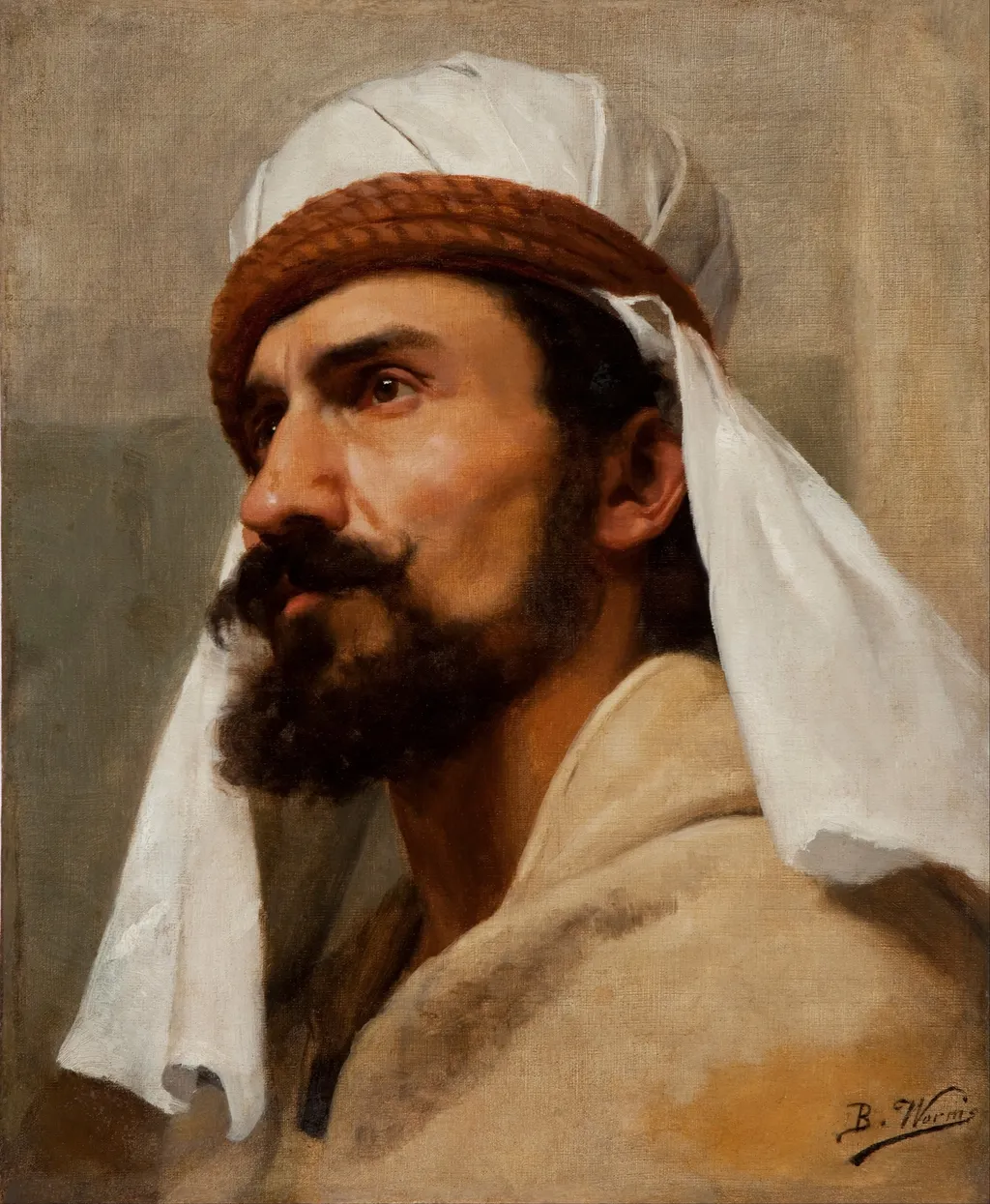
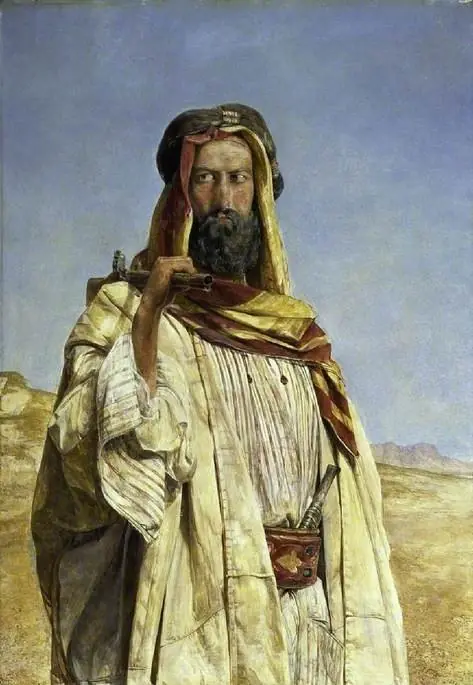
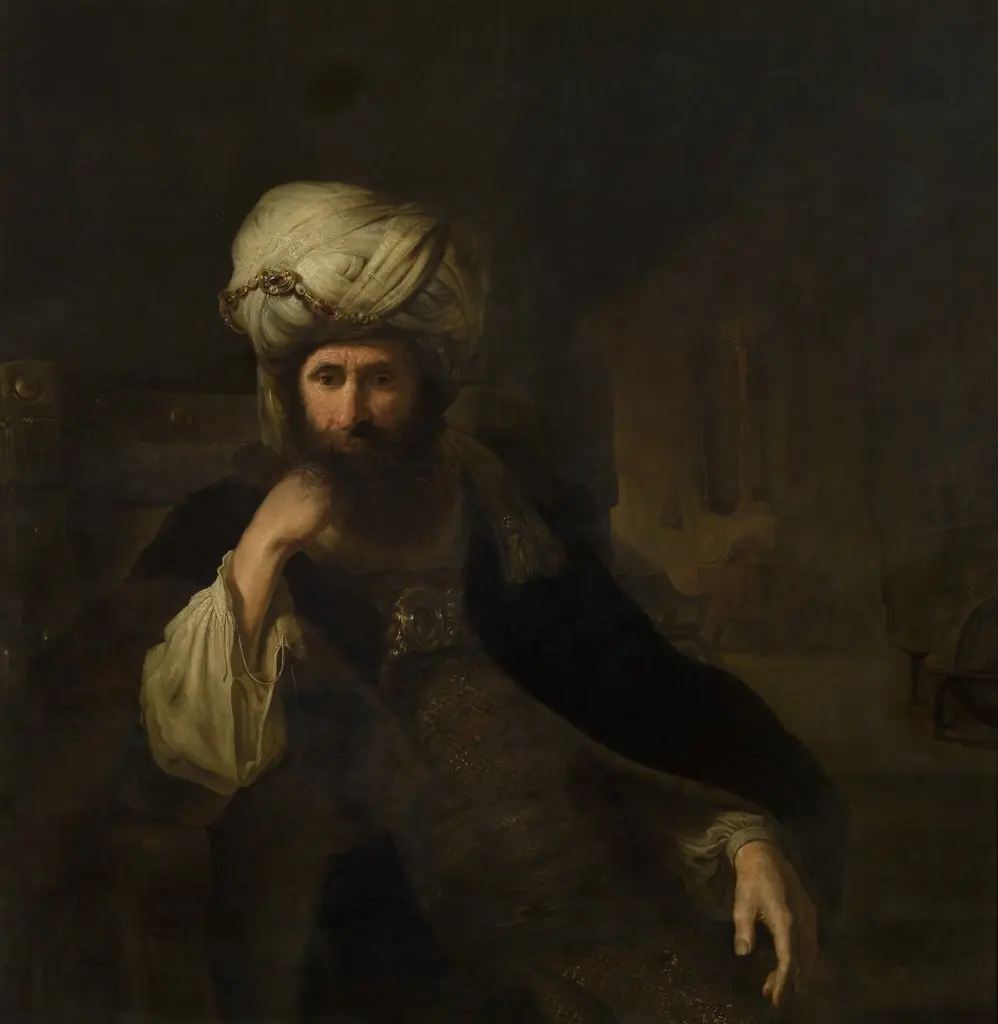
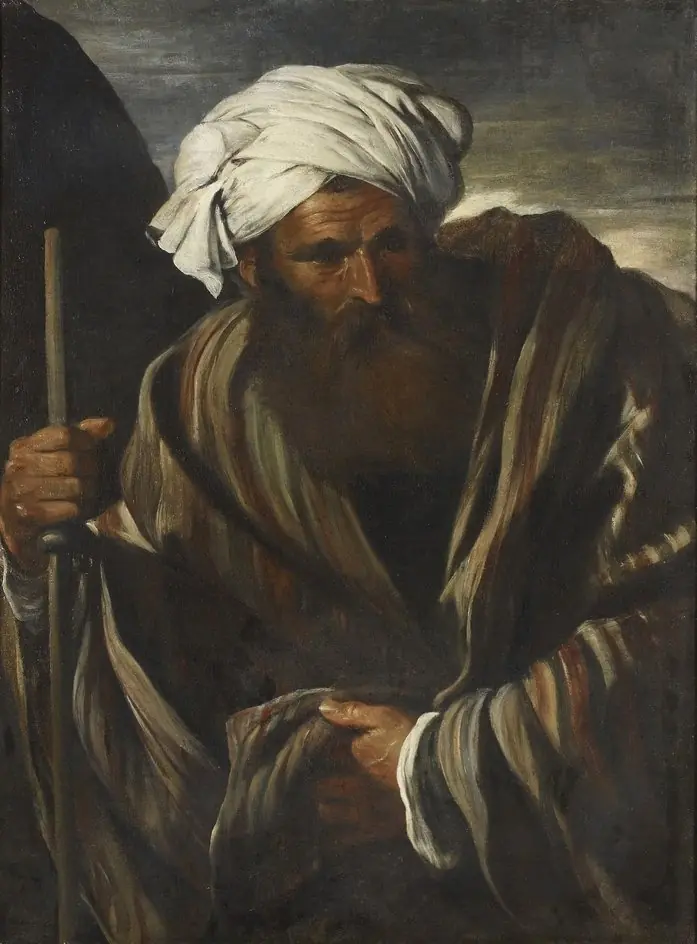
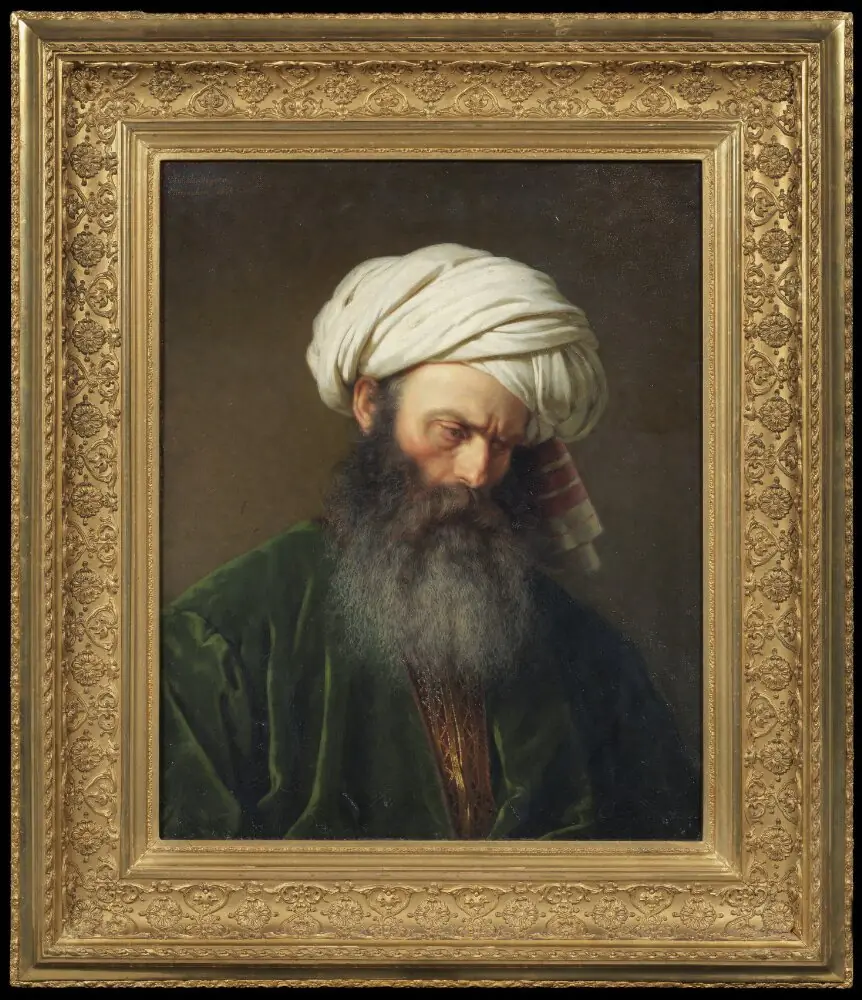
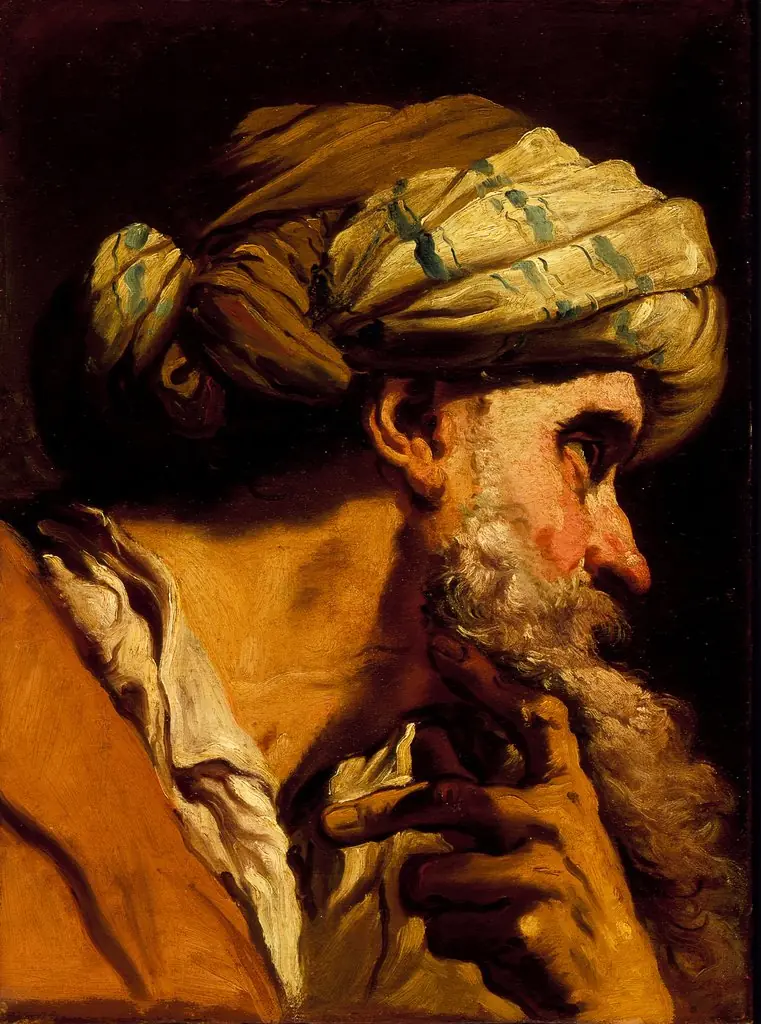
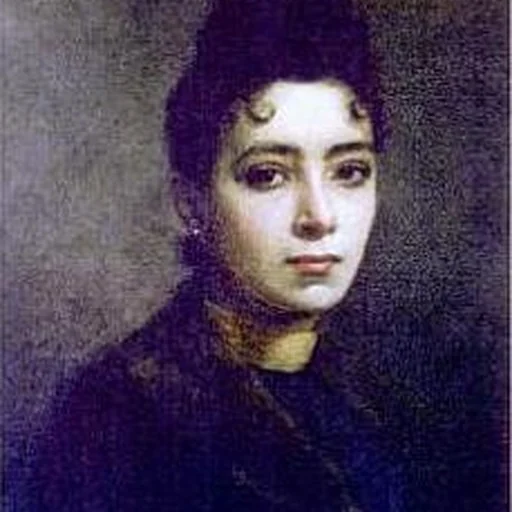
Bedouin is an oil painting by the Orientalist artist Bertha Worms. It dates from 1896 and is held in the collection of the Pinacoteca de São Paulo.
About this work
Overview
It resides today in the Pinacoteca do Estado de São Paulo, part of a broader collection of Brazilian academic painting.
Painted in 1896 by Bertha Worms, a French-born artist active in Brazil, *Bedouin* is an oil-on-canvas portrait that reflects the 19th-century Orientalist tradition. Though Worms is primarily known for her Brazilian subjects, this work engages with exoticized imagery of the Middle East and North Africa, common in European and colonial-era art. It resides today in the Pinacoteca do Estado de São Paulo, part of a broader collection of Brazilian academic painting.
Subject & Meaning
The painting portrays a male figure with dark hair and a full beard, clad in a tan robe and layered headgear—a white headscarf over a brown woven cap. His direct, inward gaze suggests contemplation rather than performance. While labeled 'Bedouin,' the depiction relies on generalized stereotypes of nomadic Arab life rather than specific cultural accuracy. The work functions as an imagined representation, typical of Orientalist conventions that prioritized aestheticized otherness over ethnographic truth.
Technique & Style
Worms employed traditional oil painting techniques to render the figure with careful attention to texture and light. The folds of the robe, the weave of the cap, and the shading along the beard demonstrate a command of academic realism. Background elements are subdued, focusing attention on the subject’s face and attire. The palette is restrained—earthy tones dominate—enhancing the portrait’s somber, introspective tone without theatrical embellishment.
History & Provenance
Created during Worms’s early career in São Paulo, *Bedouin* was likely painted after her studies in Europe, where Orientalist themes were prevalent in art academies. It entered the Pinacoteca do Estado de São Paulo’s collection in the 20th century, among other works by Brazilian artists trained in European traditions. Its provenance reflects the institutional embrace of academic painting, even when depicting non-Brazilian subjects, as part of national cultural formation.
Context
In the late 19th century, European and Latin American artists frequently turned to Orientalist subjects to signal sophistication and engagement with global imagery. Brazil, though geographically distant from the Middle East, participated in this trend through academic training and colonial-era visual conventions. Worms’s painting aligns with this broader trend, revealing how distant cultures were filtered through foreign lenses, even by artists based in the Americas.
Legacy
Today, *Bedouin* is studied less for its cultural authenticity and more as an example of how academic art in Brazil absorbed international styles. It illustrates the tension between local identity and imported visual languages. While the painting’s subject matter is now critically viewed through postcolonial lenses, its technical execution remains a reference point for understanding the reach of 19th-century European artistic norms in Latin America.
Own this work as a print
Artist & collection
Artist
Anna Clémence Bertha Abraham Worms (26 February 1868 – 27 June 1937) was a French-born Brazilian art professor and painter of genre scenes and portraits.