Artwork
A Male Figure in Middle Eastern Dress
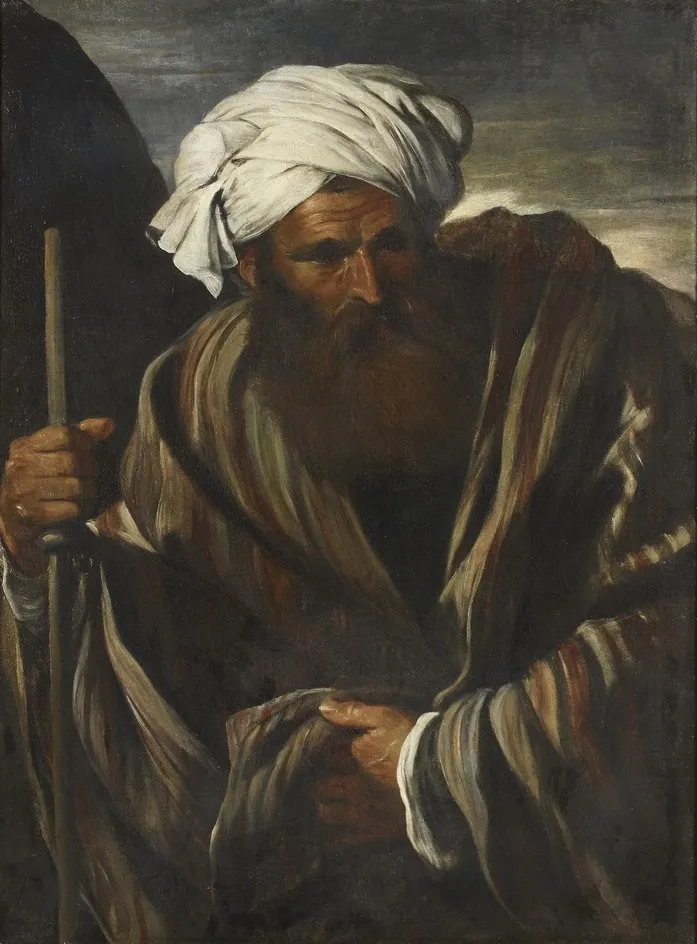
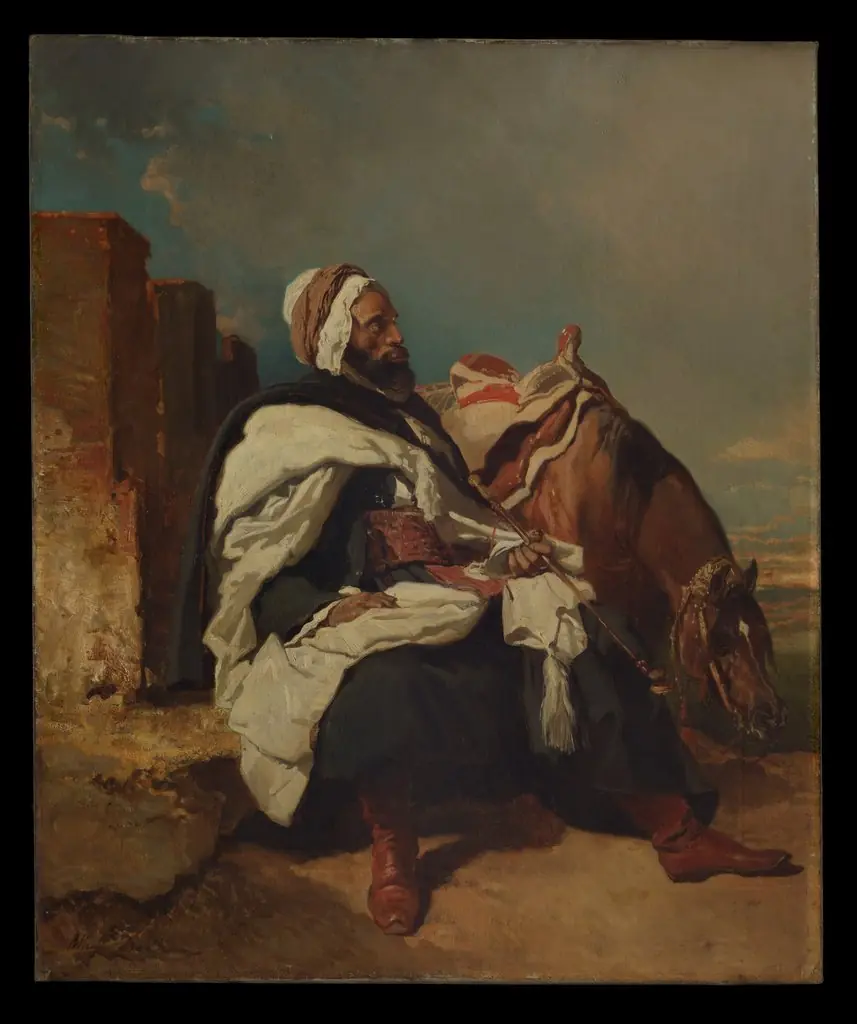
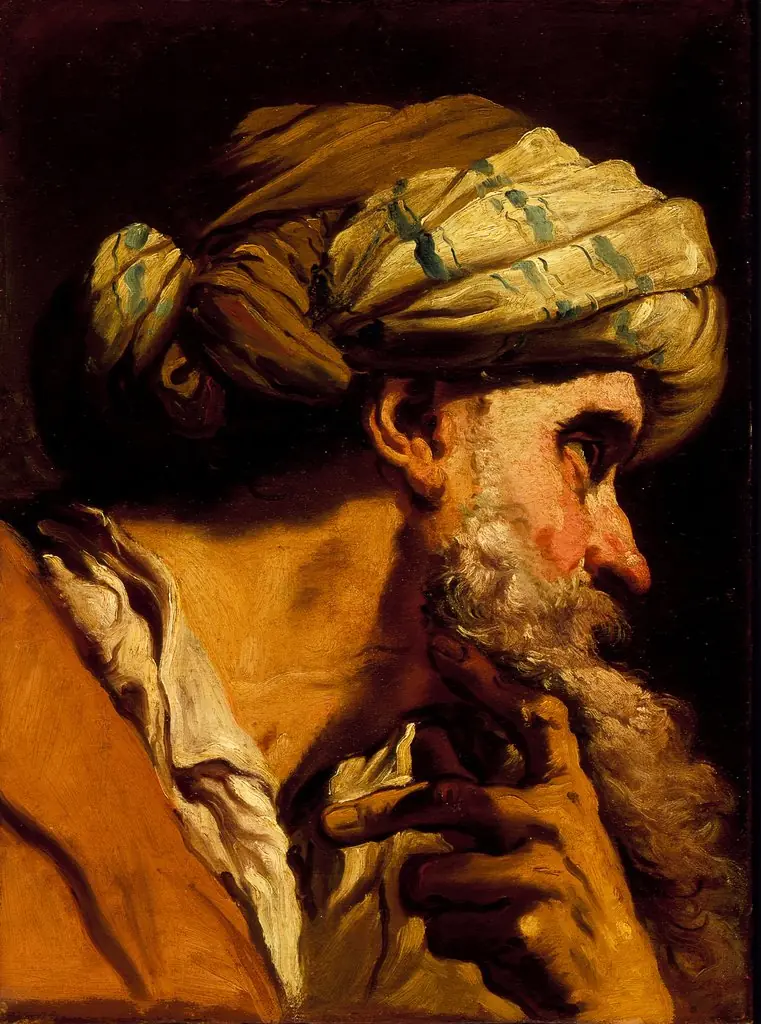
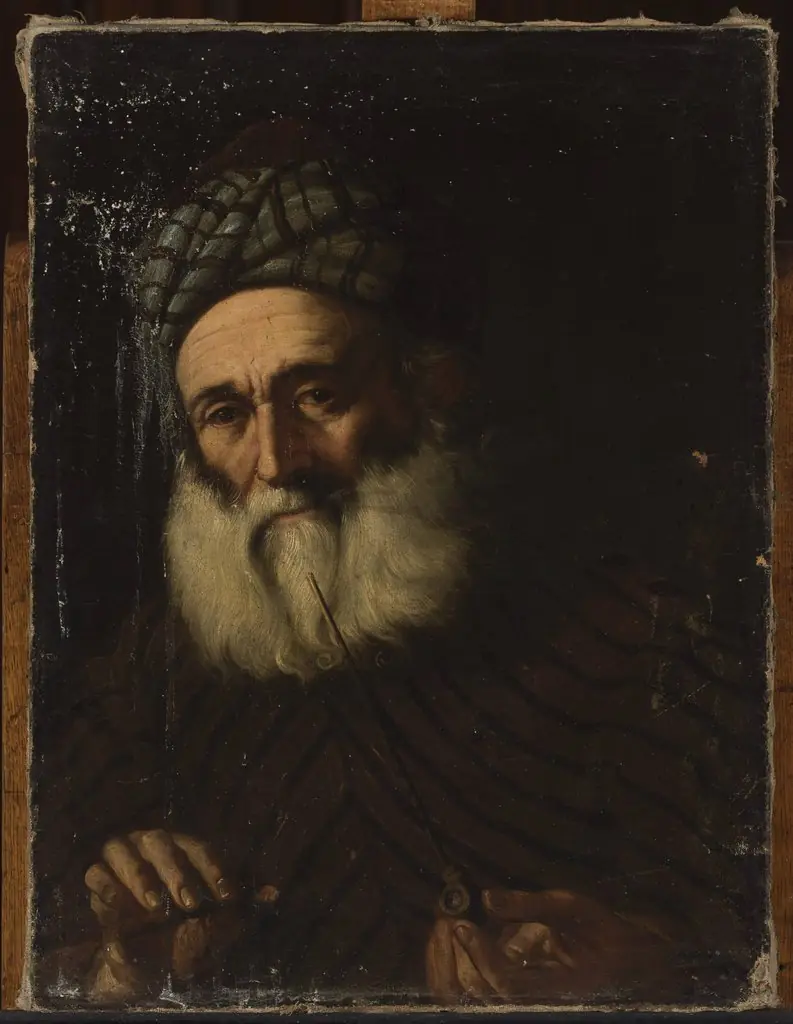
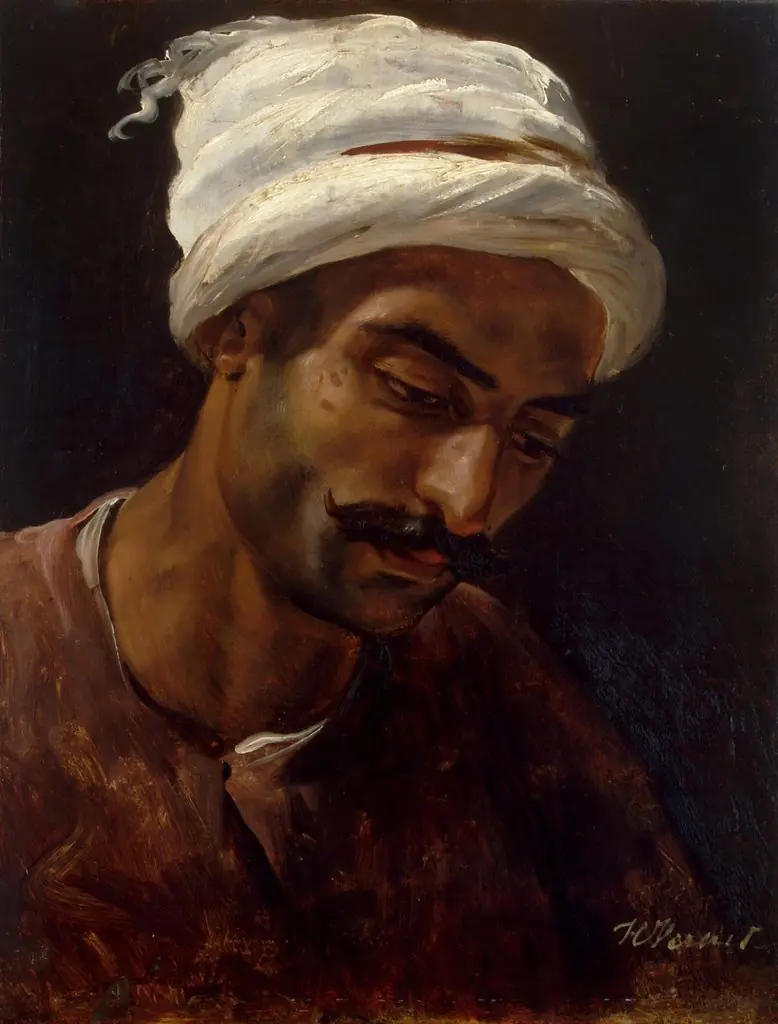
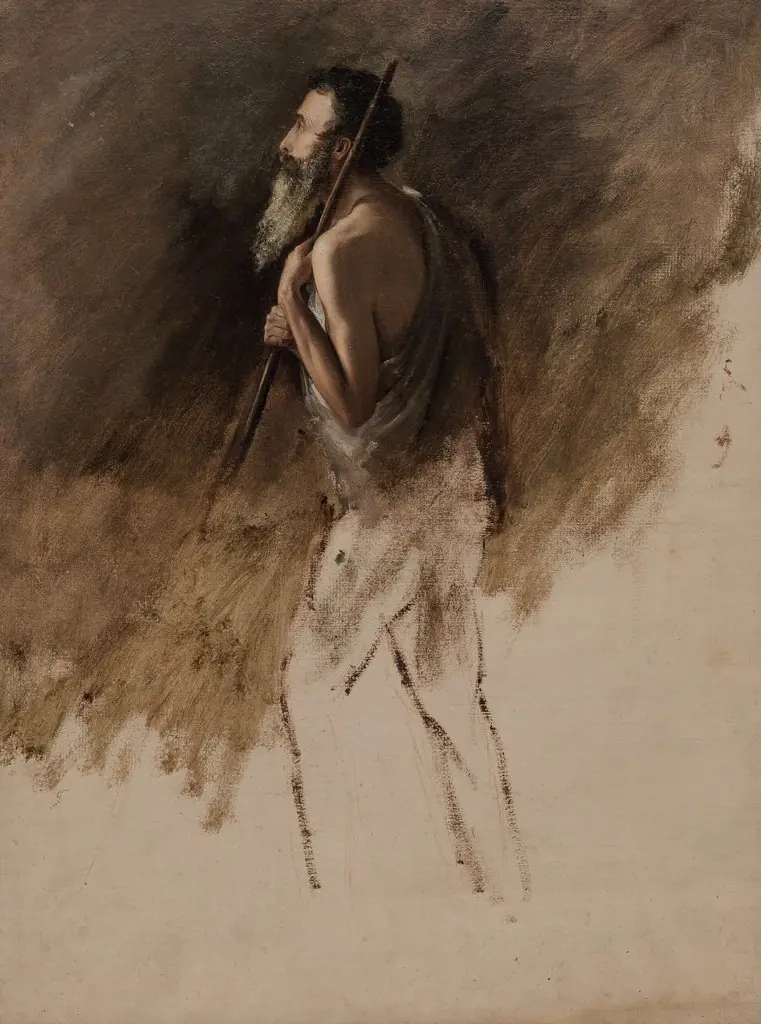
A Male Figure in Middle Eastern Dress is an oil painting by the Early Baroque Italian artist Pier Francesco Mola. It dates from 1650 and is held in the collection of the Ashmolean Museum.
About this work
Overview
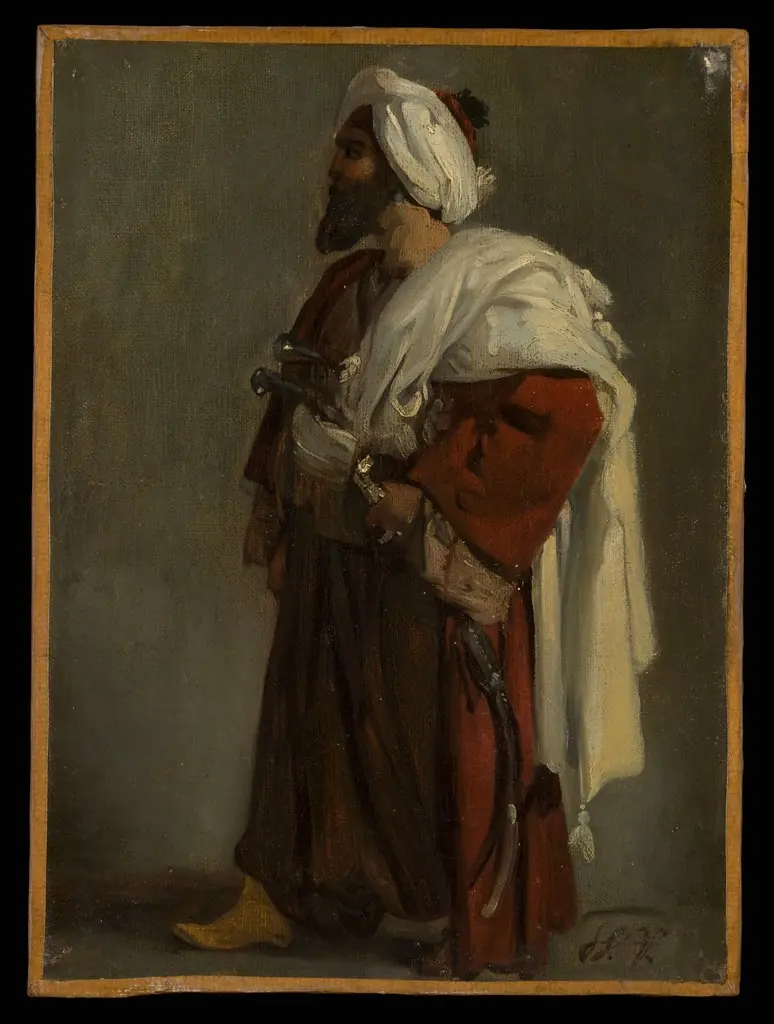
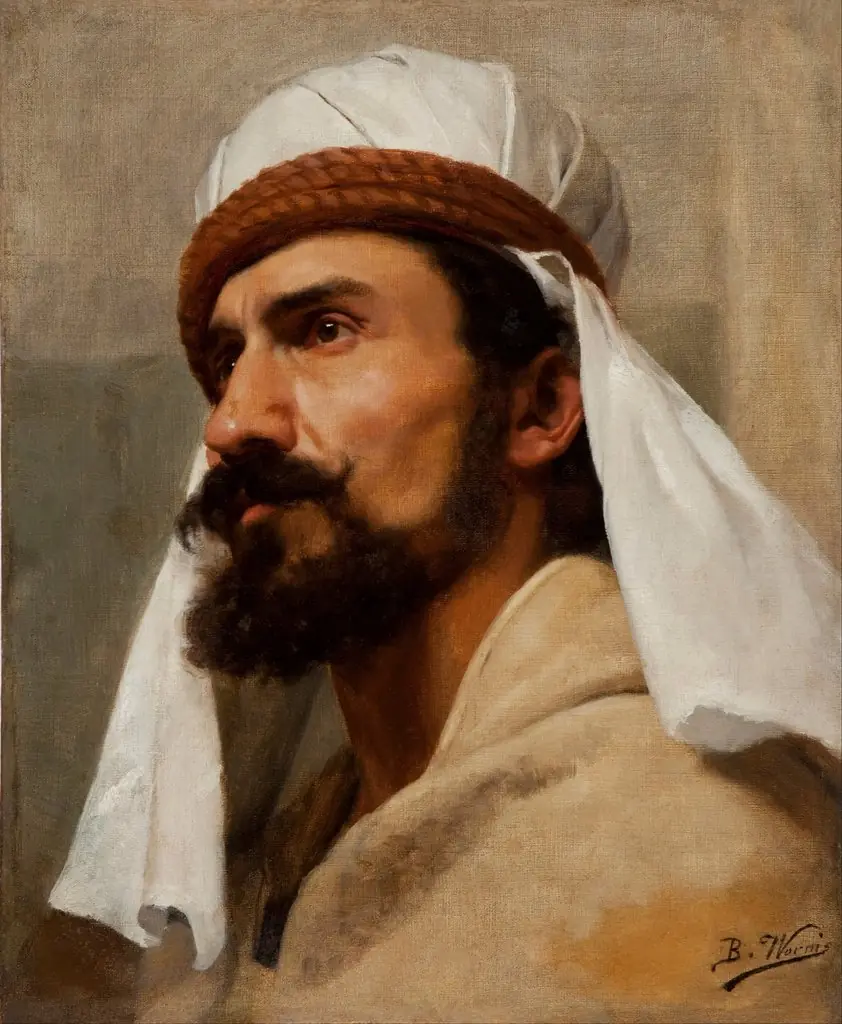
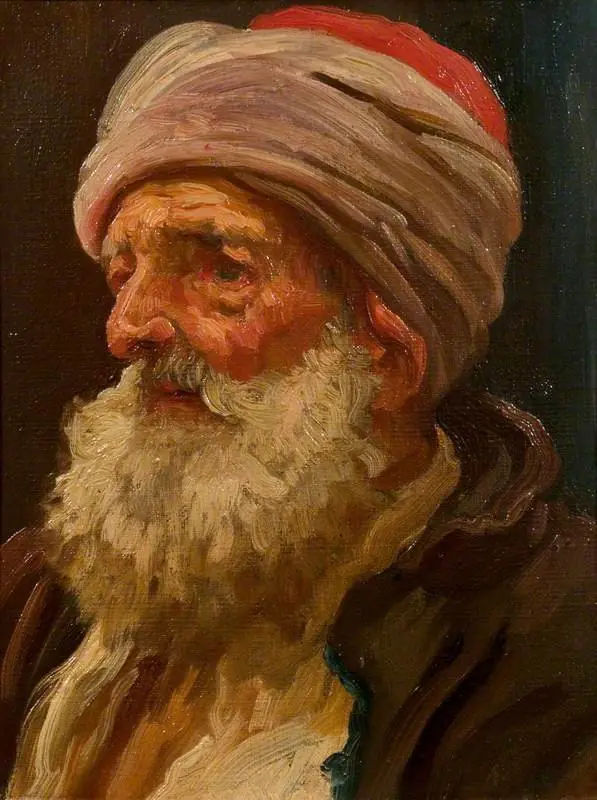
Painted around 1650 by Pier Francesco Mola, this oil on canvas depicts a solitary male figure in Middle Eastern clothing. The work is part of the Ashmolean Museum’s collection and exemplifies the artist’s interest in exoticized portraiture during the mid-seventeenth century. Its compact scale and focused composition suggest a study rather than a formal portrait.
Subject & Meaning
The figure, dressed in a white headwrap and brown robe, holds a staff and gazes downward with a contemplative expression. His attire and demeanor evoke a sense of otherness, possibly referencing Orientalist tropes common in European art of the period. The lack of contextual clues leaves his identity ambiguous, inviting interpretation as a traveler, scholar, or symbolic representation of the East.
Technique & Style
Mola employs chiaroscuro to model the figure’s form against a deep, neutral background, enhancing three-dimensionality. Brushwork is restrained yet precise, particularly in the rendering of fabric folds and facial features. The dark setting isolates the subject, drawing attention to his posture and expression, while avoiding narrative distraction.
History & Provenance
The painting entered the Ashmolean Museum’s collection in the early twentieth century, though its earlier ownership remains undocumented. It was likely acquired as part of a broader European fascination with Eastern dress and figures during the Baroque era. No records indicate it was commissioned or publicly exhibited before its museum acquisition.
Context
In mid-seventeenth-century Rome, artists like Mola often depicted figures in exotic dress as studies of costume or allegory, influenced by travel accounts and diplomatic exchanges with the Ottoman Empire. Such works reflected curiosity about distant cultures, though rarely with ethnographic accuracy. They served more as visual exercises than cultural documentation.
Legacy
This painting contributes to a broader corpus of Baroque orientalist imagery, illustrating how European artists engaged with foreign identities through stylized representation. While not widely known, it reflects the period’s aesthetic tendencies and the role of costume in artistic experimentation, offering insight into the evolving perception of the East in early modern art.
Artist & collection

Artist
Pier Francesco Mola, called Il Ticinese was an Italian painter of the High Baroque, mainly active around Rome.