Artwork
Forêt de Compiègne
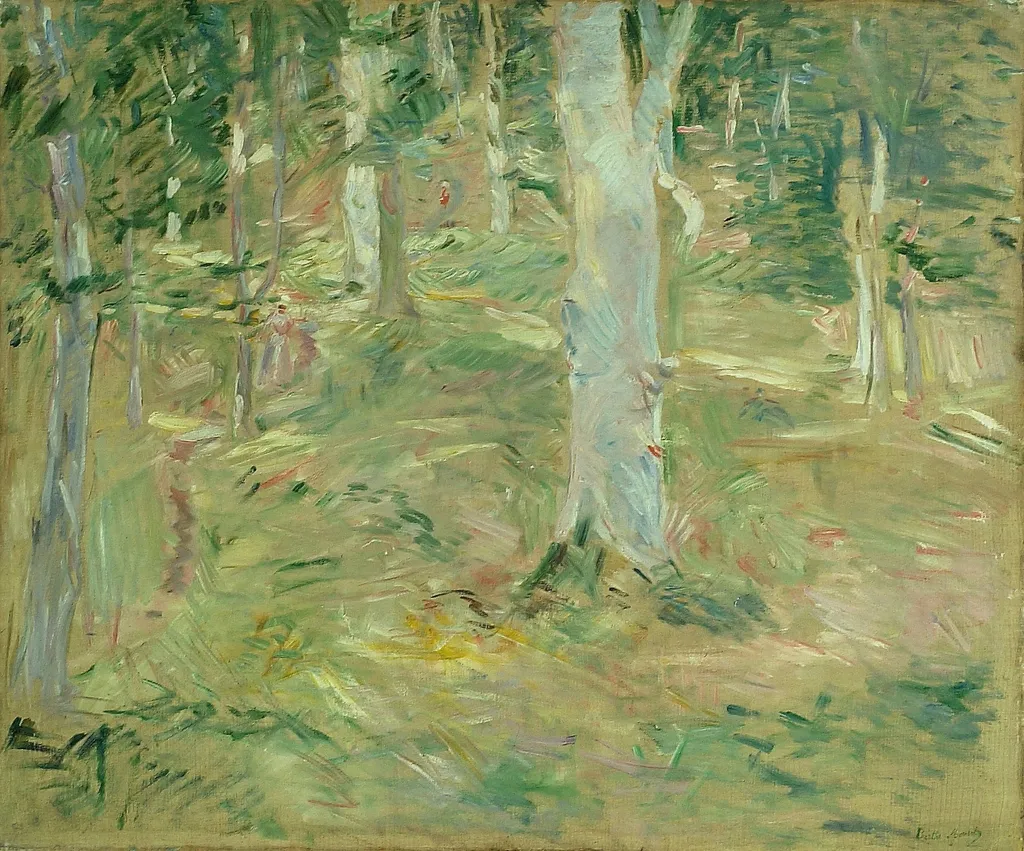
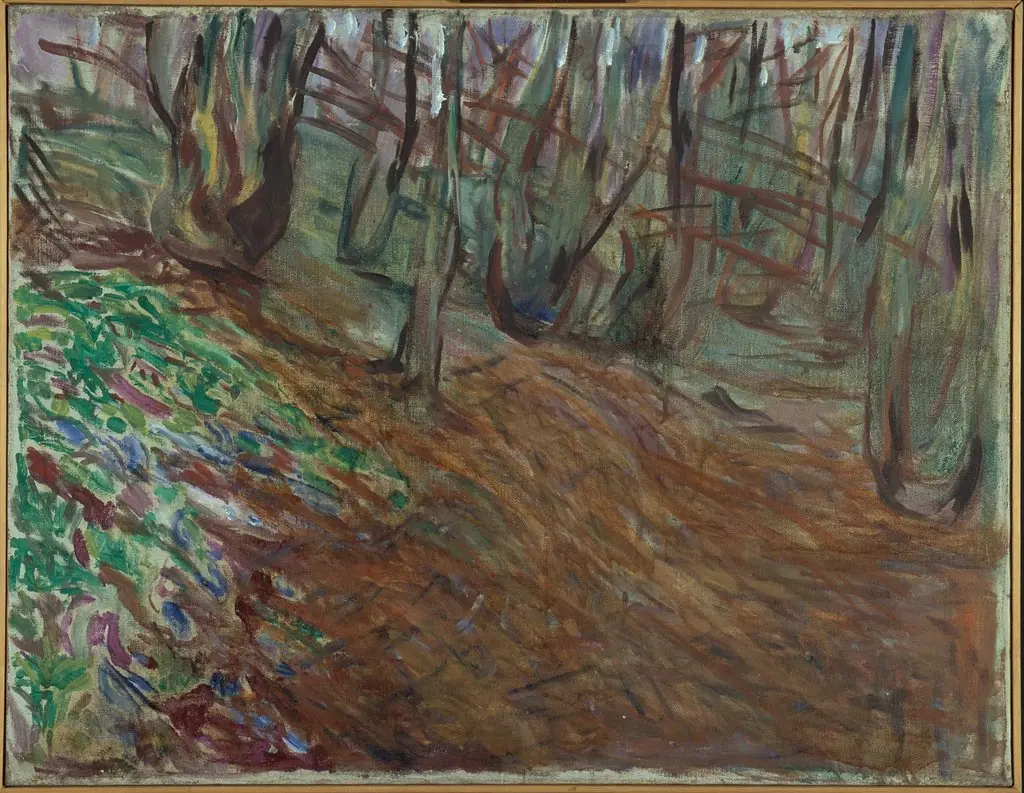
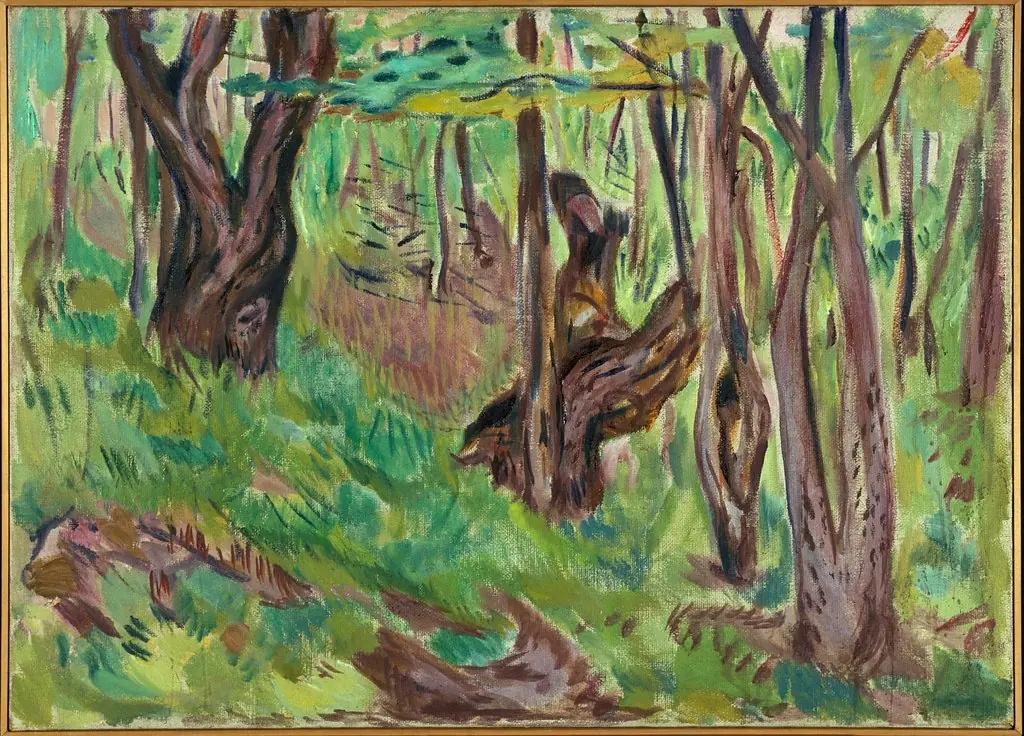
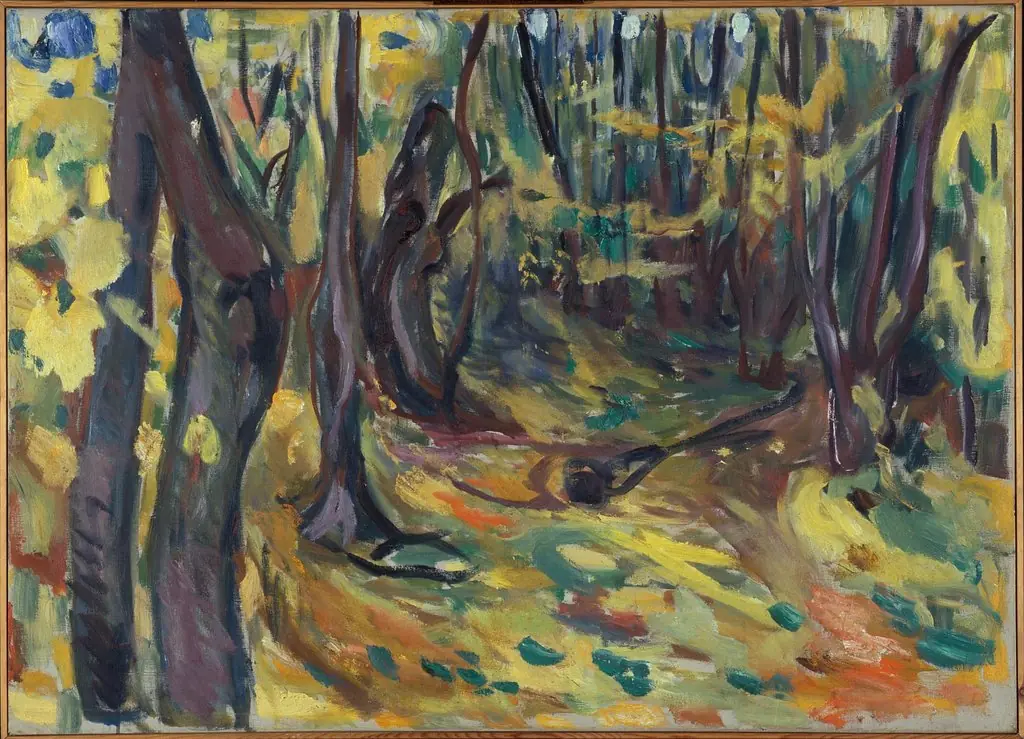
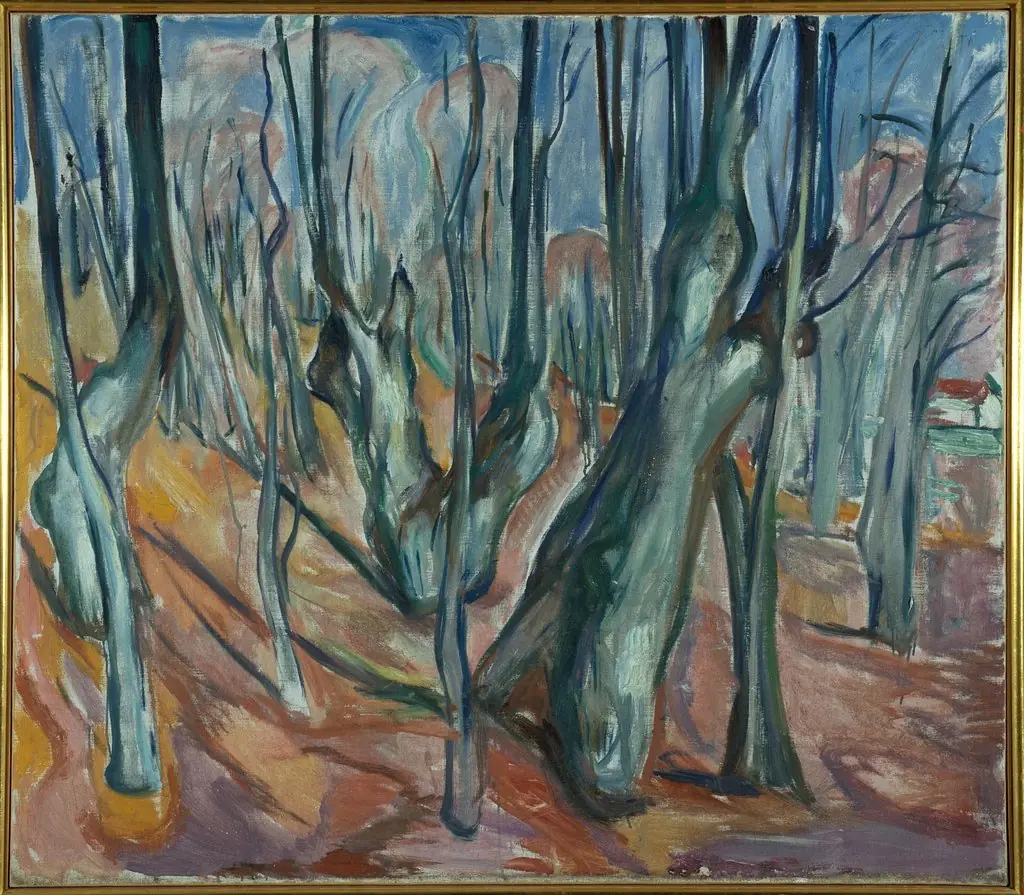
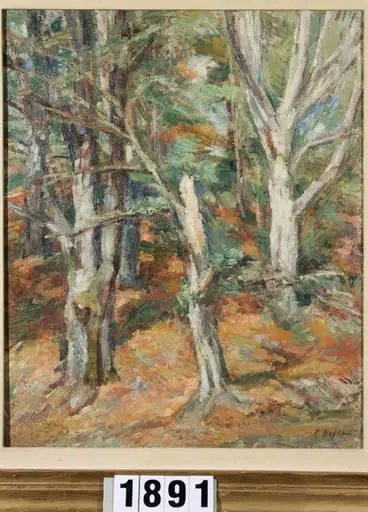
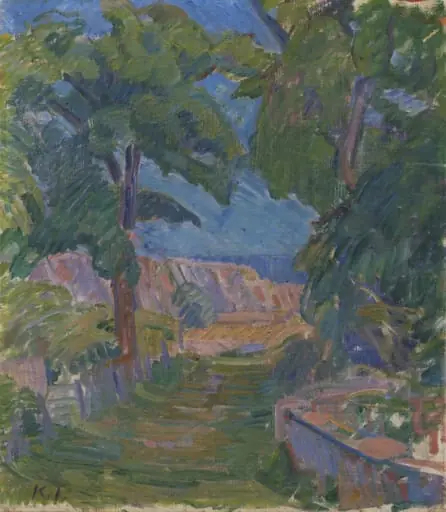
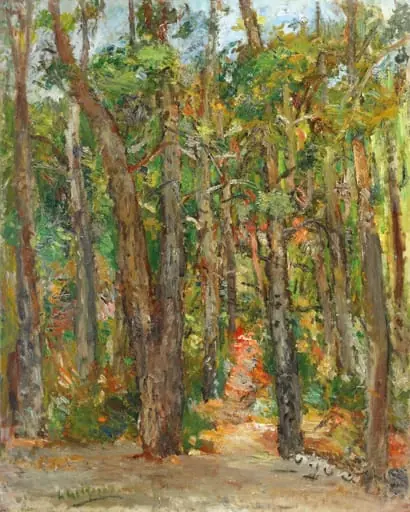
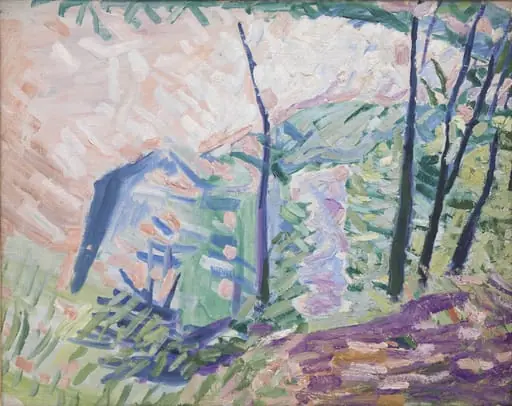
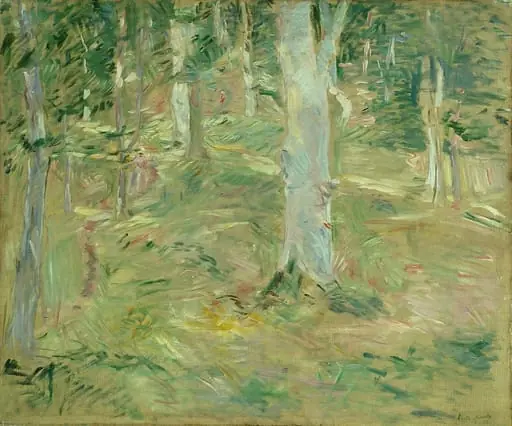
Forêt de Compiègne is an oil painting by the Impressionist artist Berthe Morisot. It dates from 1893 and is held in the collection of the Art Institute of Chicago.
About this work
Overview
It resides in the collection of the Art Institute of Chicago, acquired after her death as part of broader recognition of her contributions to Impressionism.
Painted in 1893, Forêt de Compiègne is an oil work by Berthe Morisot capturing a wooded landscape near the town of Compiègne in northern France. The painting reflects her late-period focus on natural environments, rendered with a sensitivity to seasonal light and atmospheric conditions. It resides in the collection of the Art Institute of Chicago, acquired after her death as part of broader recognition of her contributions to Impressionism.
Subject & Meaning
The painting presents a dense forest interior, not as a grand vista but as an intimate, immersive space. Morisot avoids human figures, allowing the trees and undergrowth to stand as the sole subjects. The quietude of the scene suggests contemplation rather than narrative, emphasizing the transient qualities of light filtering through leaves and the quiet rhythm of nature’s growth.
Technique & Style
Morisot employed loose, fluid brushwork to suggest the texture of foliage and the play of light. Foreground elements are defined with sharper strokes, while the background dissolves into softer, blended tones, creating spatial depth. Her palette, dominated by muted greens and earthy hues, avoids saturation, reinforcing a sense of naturalism and subdued harmony rather than theatrical effect.
History & Provenance
Created during the final years of Morisot’s life, the painting was likely made during one of her summer stays near Compiègne. After her death in 1895, it passed through private collections before being acquired by the Art Institute of Chicago in the early 20th century. Its inclusion in the museum’s collection reflects growing institutional interest in female Impressionists during the 1910s and 1920s.
Context
Morisot painted this work amid a broader shift in Impressionist practice toward more personal, intimate subjects. Unlike the bustling urban scenes of her contemporaries, she turned to quiet natural settings, often near her home. Forêt de Compiègne aligns with her late interest in the psychological resonance of landscape, influenced by both personal reflection and the evolving aesthetics of post-Impressionist color theory.
Legacy
The painting contributes to Morisot’s enduring reputation as a painter who transformed ordinary natural scenes into emotionally resonant compositions. Its restrained palette and emphasis on atmosphere distinguish it from more dramatic landscapes of the period. Today, it stands as a quiet testament to her ability to convey presence through subtlety, influencing later generations of artists focused on perceptual experience over narrative.
Own this work as a print
Artist & collection

Artist
Berthe Marie Pauline Morisot (French: ; 14 January 1841 – 2 March 1895) was a French painter, printmaker and a member of the circle of painters in Paris who became known as the Impressionists.