Artwork
H Beard Print Collection
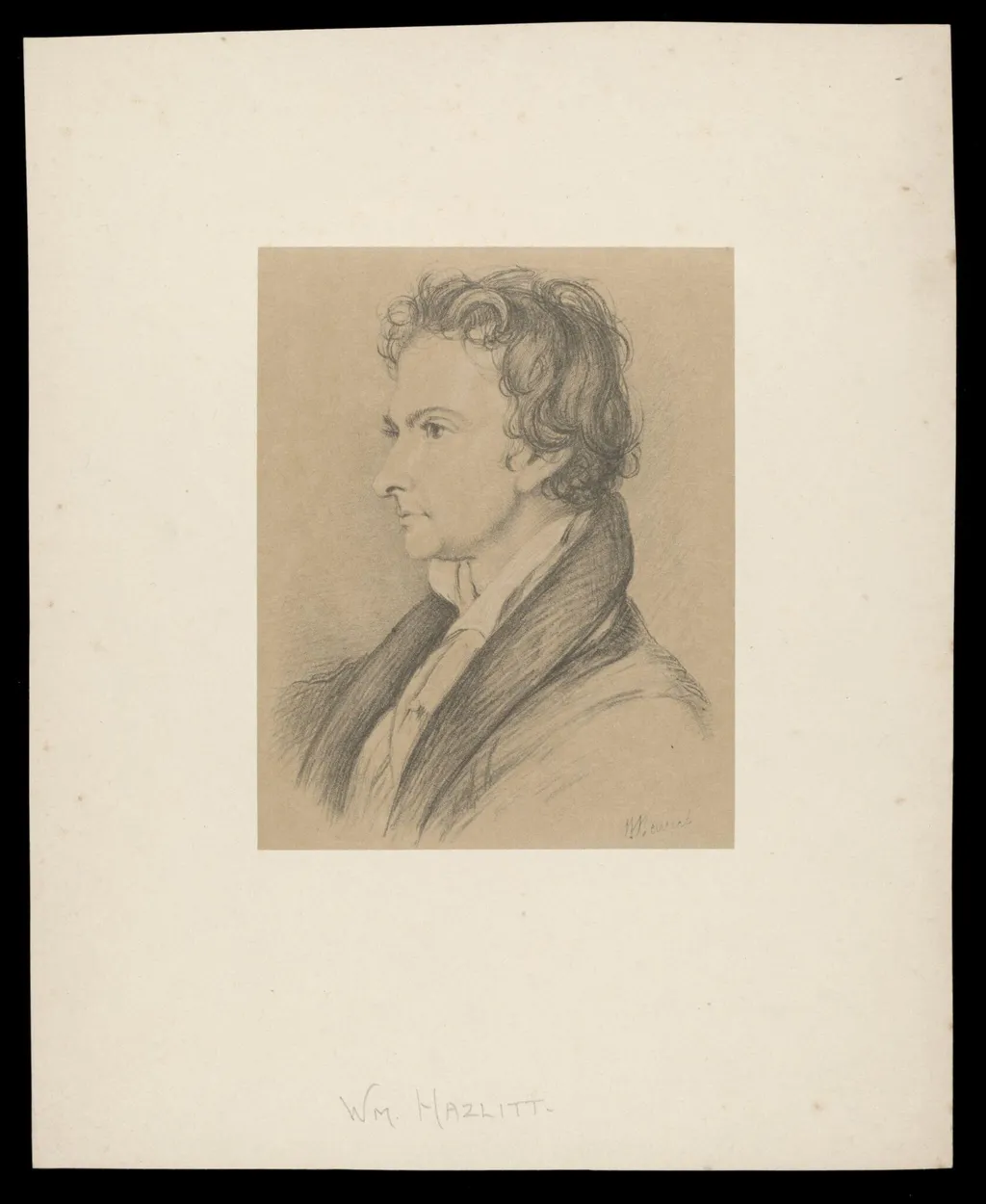
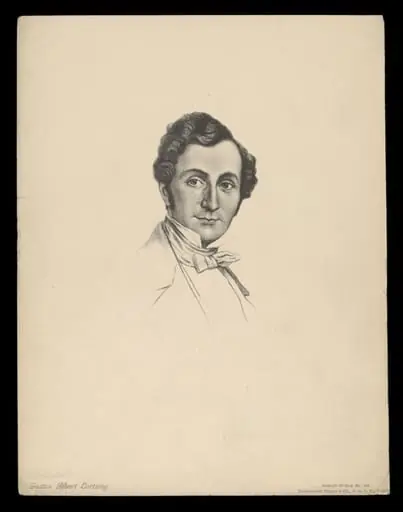
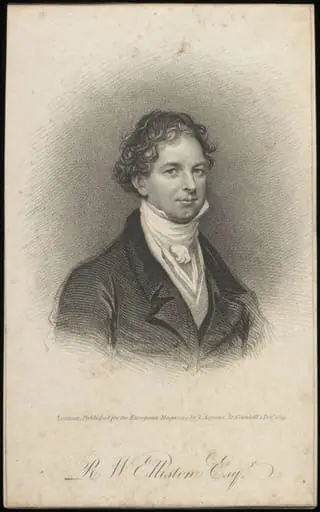
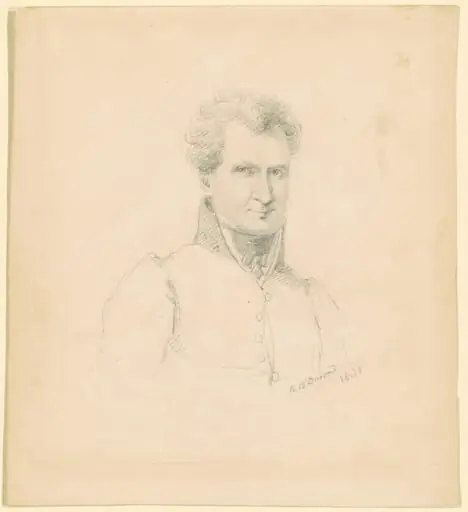
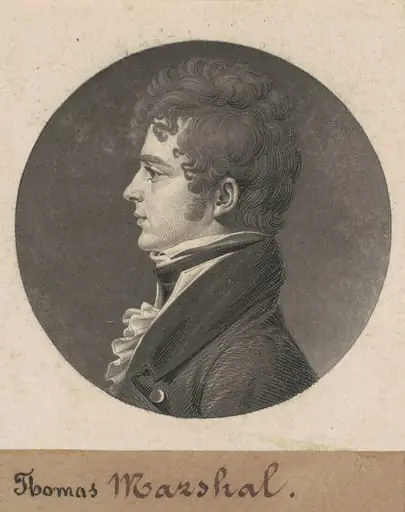
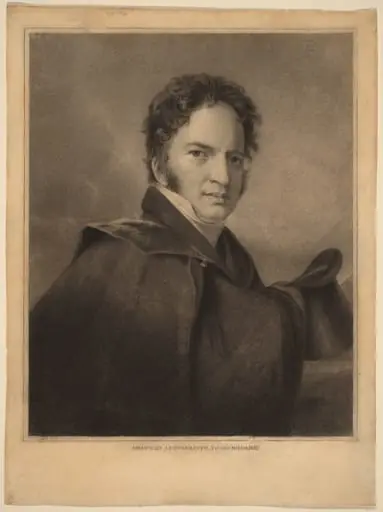
H Beard Print Collection is a print by William Bewick. It dates from 1850 and is held in the collection of the Victoria and Albert Museum. This print is a portrait of the English essayist William Hazlitt, depicting his head and upper torso.
About this work
Overview
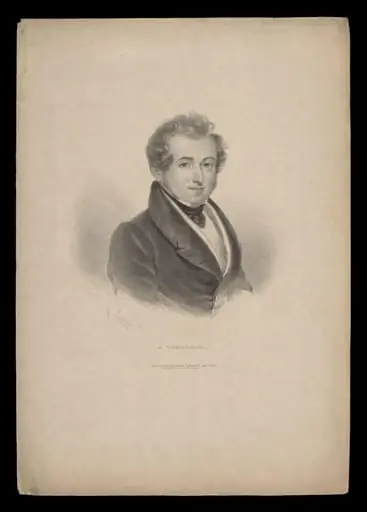
This print is a portrait of the English essayist William Hazlitt, depicting his head and upper torso. It belongs to the H. Beard Print Collection, a group of 19th-century engraved portraits likely compiled for literary or biographical interest. The work reflects the era’s interest in documenting public figures through reproductive printmaking, a common practice before widespread photography.
Subject & Meaning
The focus on his upper body and face suggests an intention to convey character and presence, aligning with contemporary ideals of intellectual portraiture.
William Hazlitt, a prominent critic and essayist of the Romantic period, was known for his sharp intellect and incisive prose. This portrait captures him in a contemplative pose, emphasizing his identity as a thinker rather than a public figure. The focus on his upper body and face suggests an intention to convey character and presence, aligning with contemporary ideals of intellectual portraiture.
Technique & Style
Executed in the tradition of fine-line engraving, the print employs delicate hatching and cross-contour lines to model form and texture. The style resembles the work of Thomas Bewick, known for his precise wood engravings. The tonal gradations and restrained detail reflect a commitment to clarity and fidelity, typical of reproductive prints intended for wide circulation.
History & Provenance
The print is part of the H. Beard Print Collection, assembled in the 19th century by a collector with an interest in literary figures. Its inclusion suggests it was valued as a documented likeness of Hazlitt, possibly used in publications or private study. The collection’s existence indicates a broader cultural practice of preserving visual records of writers and thinkers of the time.
Context
During the early 1800s, engraved portraits of authors and intellectuals were widely circulated in periodicals and biographical compendiums. These images served both as recognition and as tools for shaping public perception. Hazlitt’s portrait fits within this trend, reflecting the growing cultural importance of literary figures and the role of print in disseminating their images.
Legacy
Though not attributed to a major artist, the print contributes to the visual archive of 19th-century literary culture. It preserves a recognizable likeness of Hazlitt for later generations and exemplifies how printmaking democratized access to portraiture. Its survival in a named collection underscores its role as a historical document rather than a work of fine art.
Artist & collection
Artist
William Bewick had a habit of turning his friends into characters—sometimes literally.