Artwork
Carter
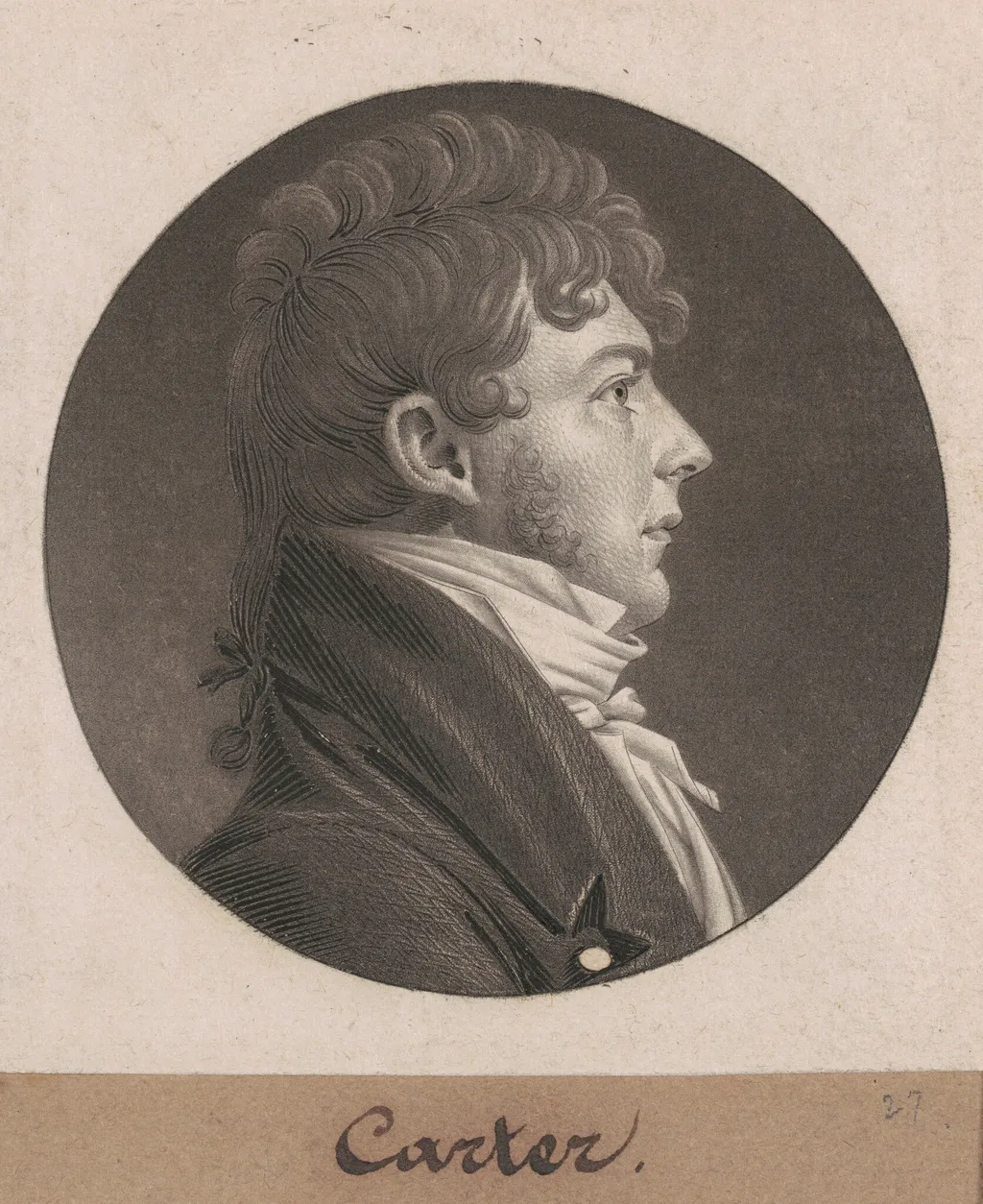
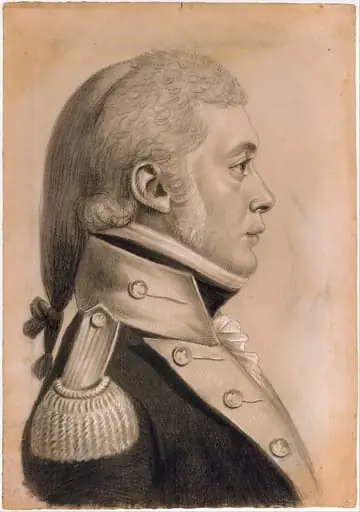
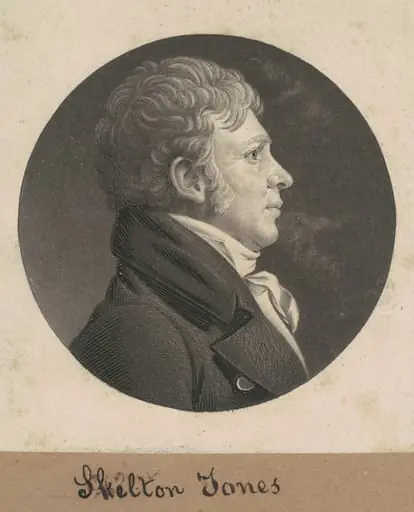
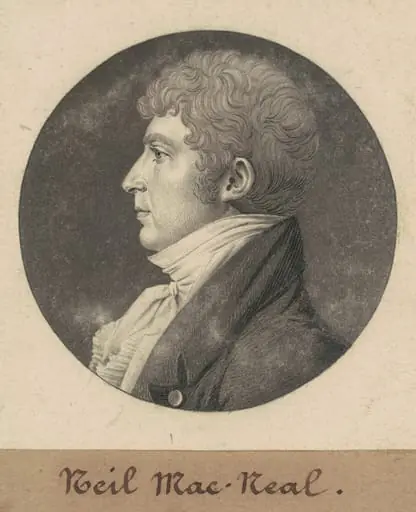
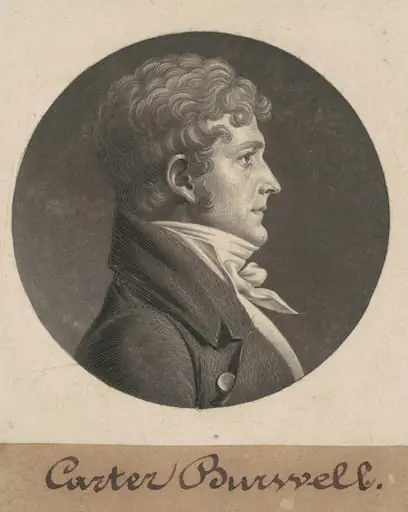
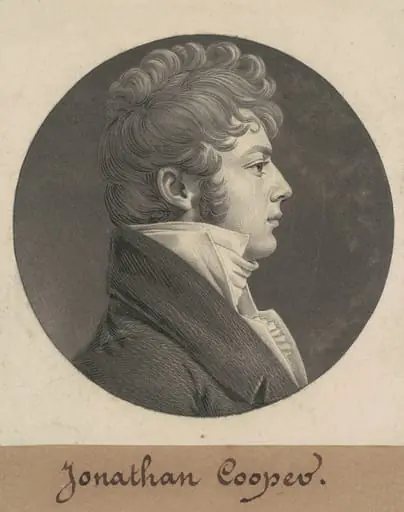
Carter is an ink print by the Romanticist artist Charles Balthazar Julien Févret de Saint-Mémin. It dates from 1804 and is held in the collection of the National Gallery of Art.
About this work
Overview
Févret de Saint-Mémin, the work combines mezzotint and engraving techniques to render fine tonal gradations and precise linear detail.
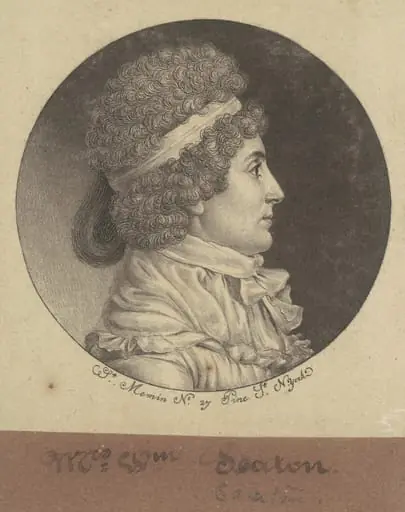
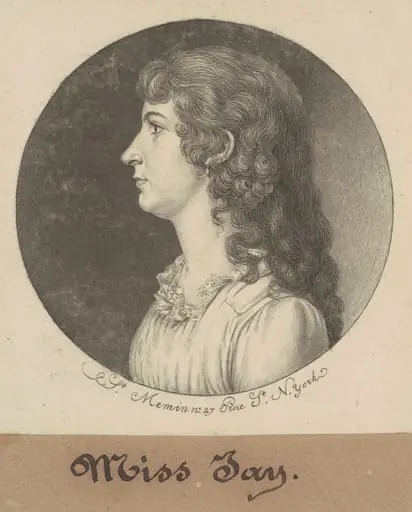
A small portrait in black ink on wove paper, mounted to a brown backing, depicts Edward Carter in profile. Created in 1804 by Charles B. J. Févret de Saint-Mémin, the work combines mezzotint and engraving techniques to render fine tonal gradations and precise linear detail. Its compact dimensions—5.72 by 5.72 centimeters—reflect the intimate scale typical of portrait miniatures of the era. The piece belongs to the Corcoran Collection.
Subject & Meaning
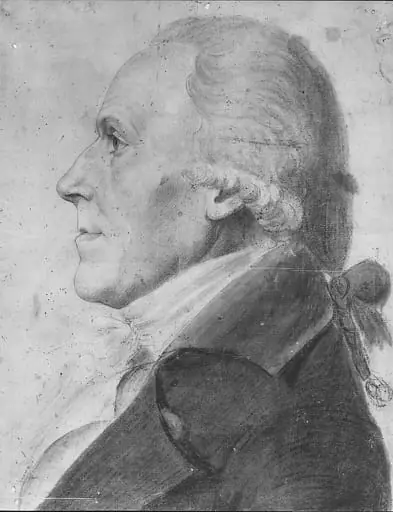
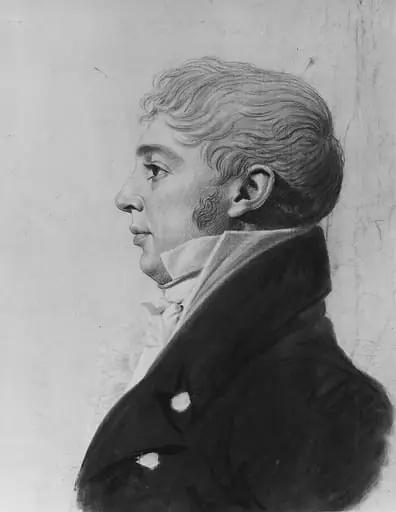
Edward Carter, a figure of modest historical record, is portrayed with formal dignity, his face turned sharply to the left. The crisp lines of his coat’s broad lapels and the folded cravat at his neck suggest middle- or upper-class status, common in early 19th-century American portraiture. The profile format, rooted in classical tradition, emphasizes clarity and restraint, aligning with contemporary ideals of civic virtue and personal composure.
Technique & Style
The artist employed mezzotint to achieve subtle transitions between light and shadow, particularly in the modeling of Carter’s cheek and jawline. Engraving added sharp definition to the cravat and coat edges. Together, these methods allowed for rich texture within a tiny format. The use of black ink on pale paper enhances contrast, drawing focus to the contours of the face while minimizing background distraction.
History & Provenance
Executed in 1804, the portrait was likely made during Févret de Saint-Mémin’s time in the United States, where he produced numerous profile portraits of prominent individuals. It entered the Corcoran Collection in the 19th century and remained part of its holdings until the collection’s dispersal. Its preservation on mounted paper suggests it was treated as a valued personal or familial keepsake.
Context
In early 1800s America, profile portraits were popular as affordable, portable likenesses, often made by traveling artists. Mezzotint, though labor-intensive, offered a middle ground between the precision of engraving and the tonal depth of lithography. Févret de Saint-Mémin’s work reflects a broader trend of using printmaking to document civic leaders and educated elites, bridging European techniques with American subject matter.
Legacy
This portrait exemplifies the technical skill required in small-scale print portraiture during the early republic. While Edward Carter himself is not widely remembered, the work survives as a representative example of Févret de Saint-Mémin’s output and the cultural practice of preserving individual likenesses through print. It contributes to the study of American visual culture in the decades following independence.
Artist & collection

Artist
Charles Balthazar Julien Févret de Saint-Mémin
Charles Balthazar Julien Févret de Saint-Mémin (French pronunciation: ; 1770–1852) was a French portrait painter and museum director.