Artwork
Commodore John Barry
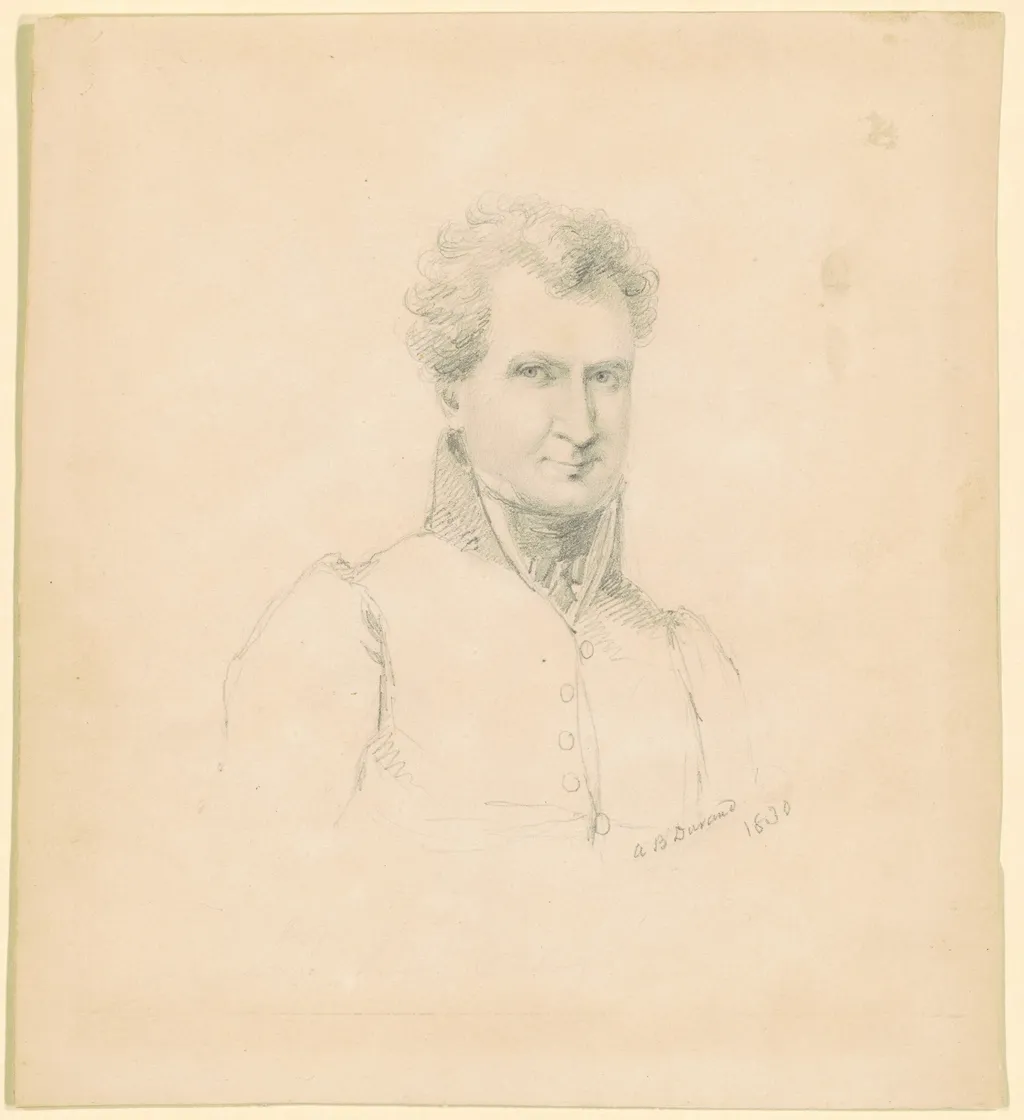
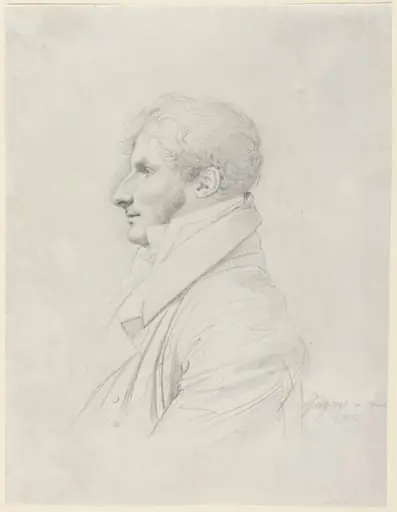
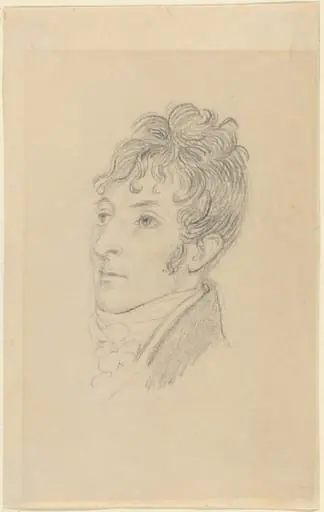
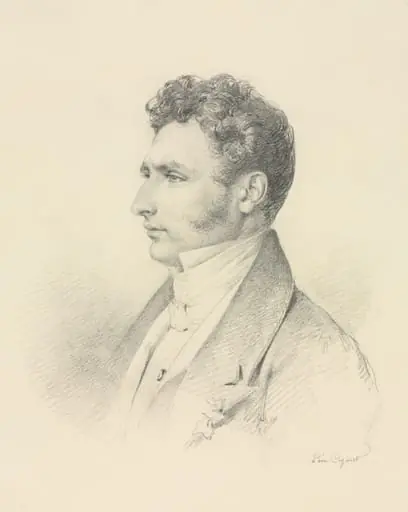
Commodore John Barry is a graphite drawing by the Romanticist artist Asher Brown Durand. It dates from 1830 and is held in the collection of the National Gallery of Art.
About this work
If you're interested in learning more about the Romanticism movement, you might want to explore the works of Asher Brown Durand.
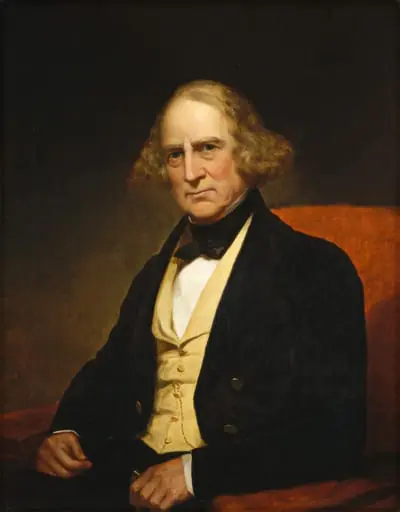
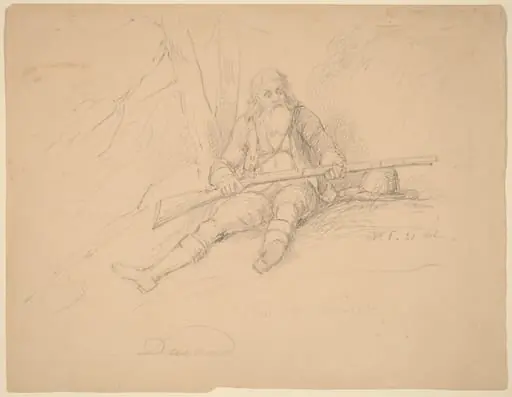
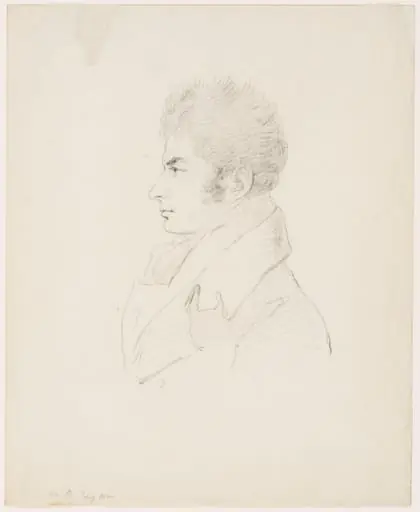
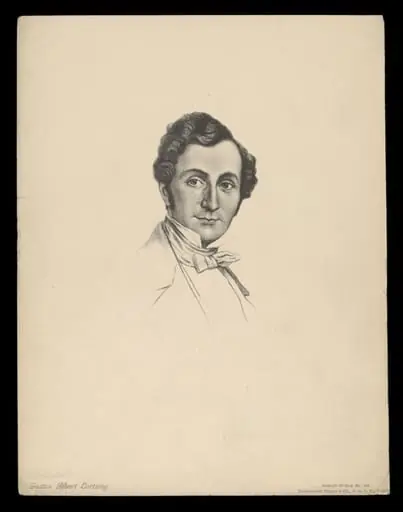
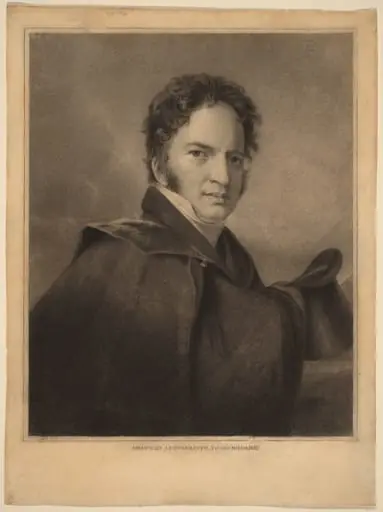
This drawing shows a man with curly hair and a collared shirt. He is wearing a jacket with buttons down the front. The man is drawn in pencil on a beige background.
The artist has used shading to create depth and dimension in the drawing. The man's face is well-defined, with a strong jawline and prominent nose. His eyes are cast downward, giving him a contemplative look.
The drawing is a portrait of Commodore John Barry, created by Asher Brown Durand in 1830. It is part of the National Gallery of Art's collection in Washington. If you're interested in learning more about the Romanticism movement, you might want to explore the works of Asher Brown Durand.
Overview
Created in 1830 by Asher Brown Durand, this graphite drawing portrays Commodore John Barry, a distinguished naval officer of the American Revolution. Executed on beige wove paper, the work is a refined portrait rendered in pencil with careful attention to tonal variation. It resides in the National Gallery of Art’s collection in Washington, D.C., as part of its holdings of 19th-century American drawings.
Subject & Meaning
The portrait depicts John Barry, recognized as one of the first admirals in the U.S. Navy, shown in quiet introspection. His downward gaze and composed posture suggest contemplation rather than action, emphasizing character over military triumph. The absence of symbols or context directs focus to his presence, aligning with early 19th-century ideals of individual dignity and moral gravity.
Technique & Style
Durand employed subtle graphite shading to model the contours of Barry’s face and clothing, achieving a sense of volume without heavy line work. The texture of the wove paper enhances the softness of the medium, while precise hatching defines the jawline, nose, and collar. The restrained palette and lack of background elements reflect a focus on the sitter’s likeness and inner presence.
History & Provenance
The drawing was completed in 1830, during Durand’s early career as a portraitist before his shift toward landscape painting. It entered the National Gallery of Art’s collection through established acquisition channels, likely from a private donor or estate. Its preservation reflects early American interest in commemorating Revolutionary War figures through intimate, non-monumental portraiture.
Context
In the 1830s, American artists increasingly turned to historical figures as subjects to foster national identity. Durand, influenced by European academic traditions and emerging Romantic sensibilities, favored psychological depth over theatricality. This portrait aligns with a broader trend of depicting civic leaders with quiet solemnity, contrasting with earlier heroic conventions.
Legacy
Though less known than Durand’s landscapes, this drawing exemplifies his skill in capturing character through minimal means. It remains a key example of early American portraiture that prioritizes introspection and technical restraint. The work contributes to understanding how visual culture helped shape perceptions of national heroes in the post-Revolutionary era.
Artist & collection