Artwork
Frey
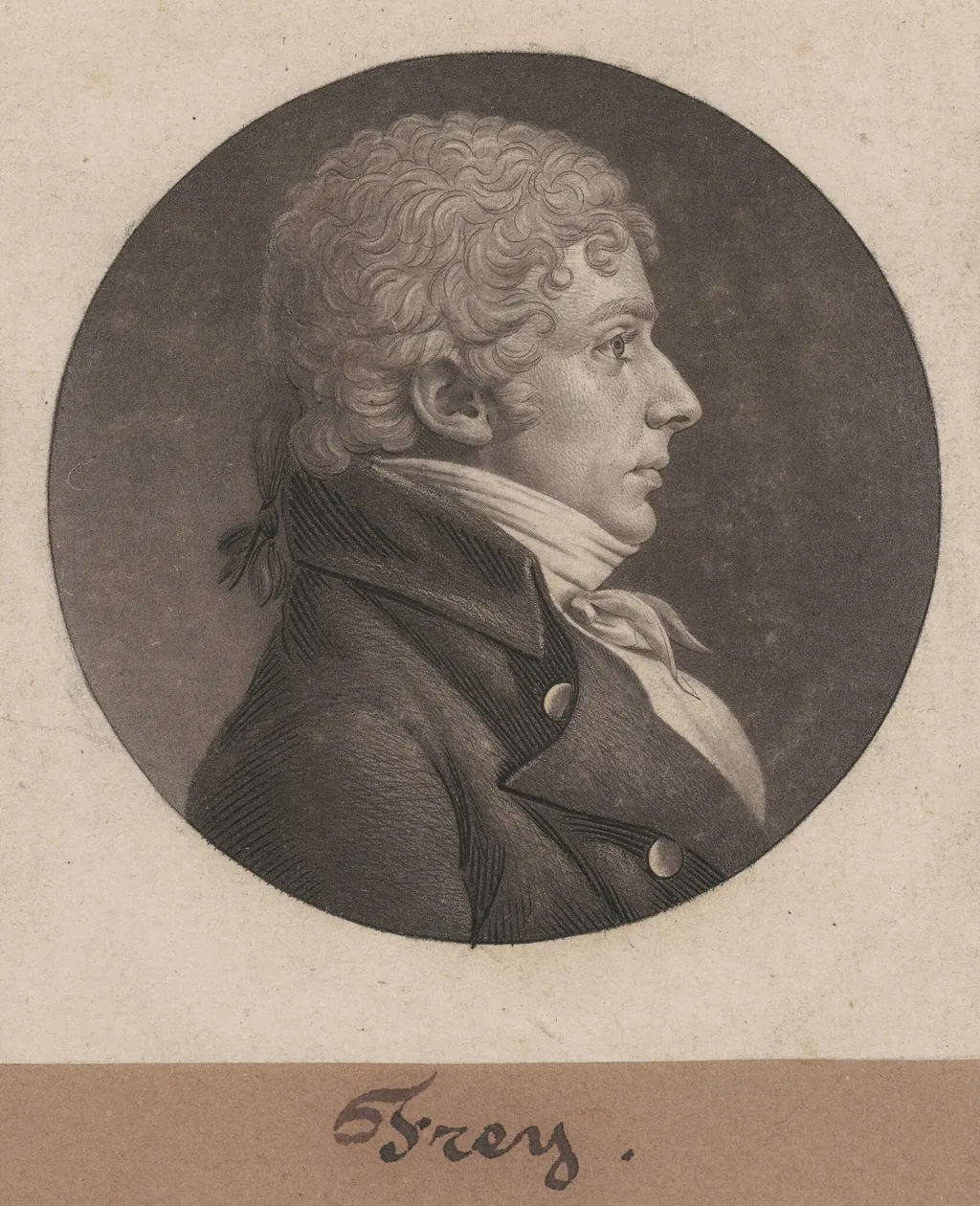
Frey is an ink print by the Romanticist artist Charles Balthazar Julien Févret de Saint-Mémin. It dates from 1805 and is held in the collection of the National Gallery of Art. Created in 1805 by Charles B.
About this work
Overview
It belongs to the collection of the National Gallery of Art, where it is preserved as an example of early 19th-century American portraiture in print form.
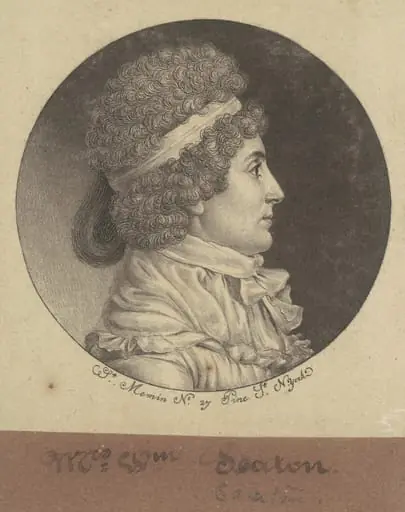
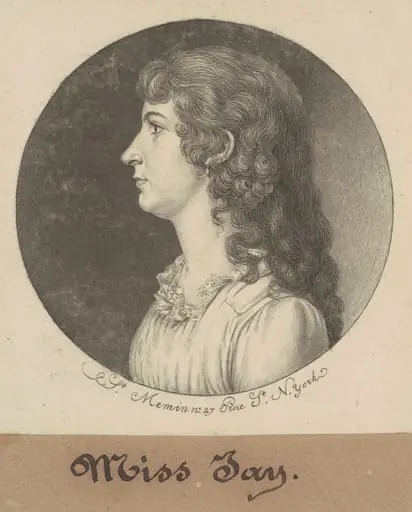
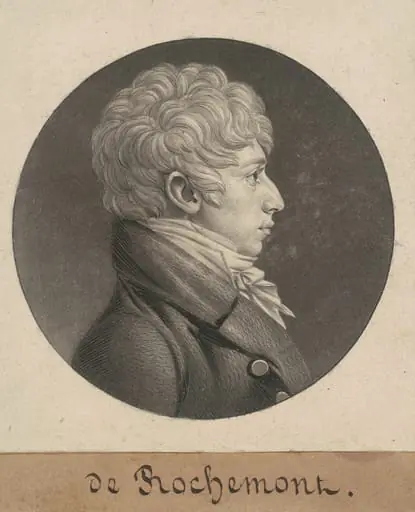
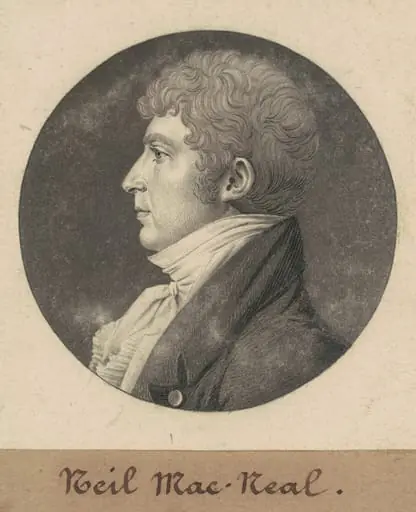
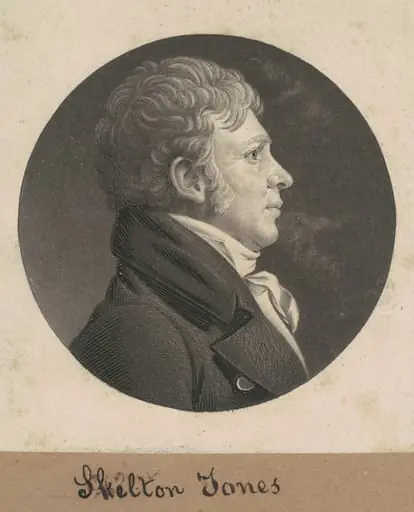
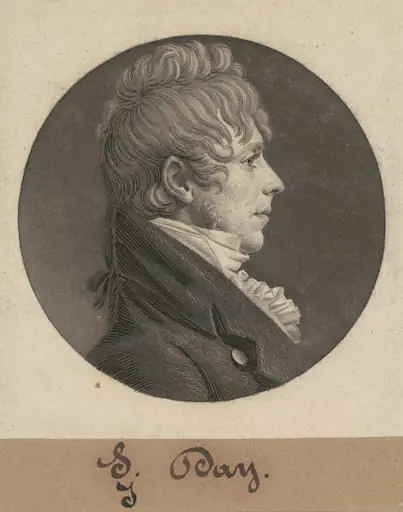
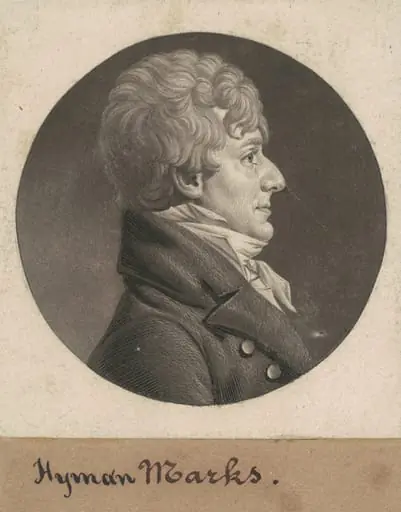
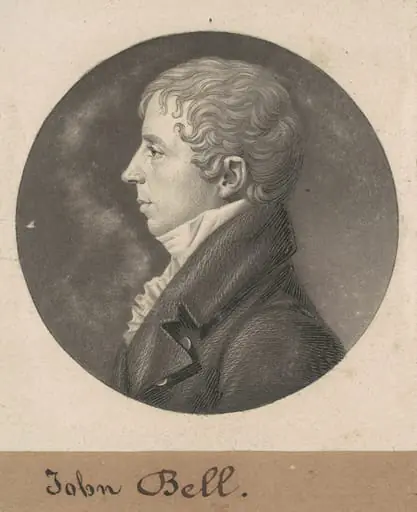
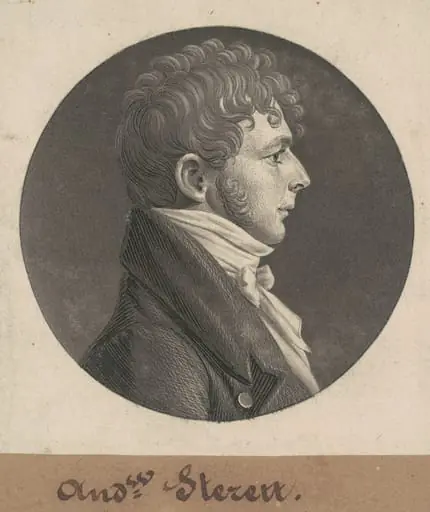
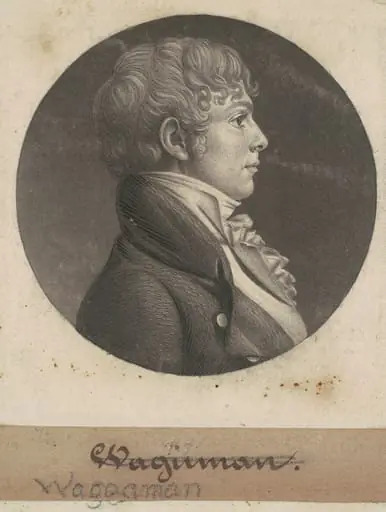
Created in 1805 by Charles B. J. Févret de Saint-Mémin, 'Frey' is a portrait printed in mezzotint and engraving on wove paper, mounted to a brown wove support. The work captures a single figure, rendered with precision through fine linear textures and tonal gradations. It belongs to the collection of the National Gallery of Art, where it is preserved as an example of early 19th-century American portraiture in print form.
Subject & Meaning
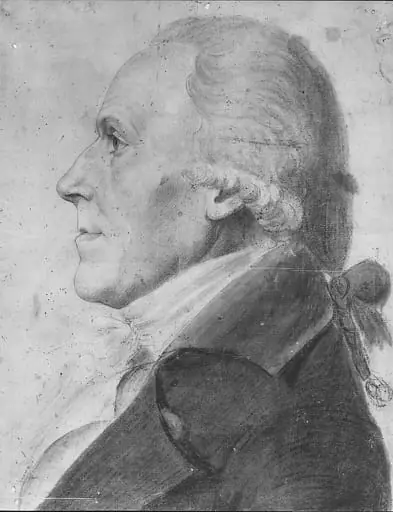
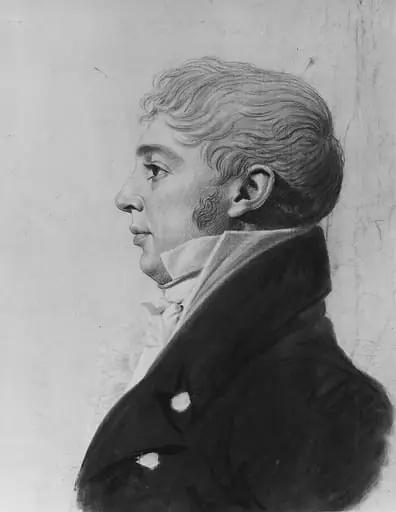
The portrait depicts a man named Frey, identified by name but not by further biographical detail. His expression is calm and composed, suggesting a dignified social standing. The careful rendering of his clothing and hairstyle reflects contemporary fashion and the cultural value placed on personal appearance in post-revolutionary America. The image functions as a formal record of an individual, likely a person of some social or professional significance.
Technique & Style
Saint-Mémin employed mezzotint to achieve rich, velvety shadows and subtle transitions of tone, complemented by fine engraving lines that define contours and textures. The combination allowed for both atmospheric depth and sharp detail in facial features, fabric folds, and hair. The technique required labor-intensive scraping and burnishing of a copper plate, reflecting the artist’s technical mastery and commitment to lifelike representation.
History & Provenance
The print was produced during Saint-Mémin’s active years in the United States, where he specialized in portrait prints for elite patrons. 'Frey' was likely made as a commissioned work, common in an era before photography. It entered the National Gallery of Art’s collection through established acquisition channels, preserving its original mounting and condition as a representative artifact of early American print culture.
Context
In early 19th-century America, portrait prints served as accessible alternatives to painted likenesses, often used for personal keepsakes or social documentation. Saint-Mémin’s work aligned with a broader trend of using engraving to disseminate images of notable individuals. His technique bridged European traditions with American demand for refined, reproducible portraiture during a period of national identity formation.
Legacy
Though Frey himself remains a figure of limited historical record, the print endures as a testament to Saint-Mémin’s skill and the cultural importance of portraiture in early America. His integration of mezzotint and engraving influenced later printmakers seeking to balance detail with tonal richness. The work remains a reference point in studies of American graphic arts and the material culture of identity.
Artist & collection

Artist
Charles Balthazar Julien Févret de Saint-Mémin
Charles Balthazar Julien Févret de Saint-Mémin (French pronunciation: ; 1770–1852) was a French portrait painter and museum director.