Artwork
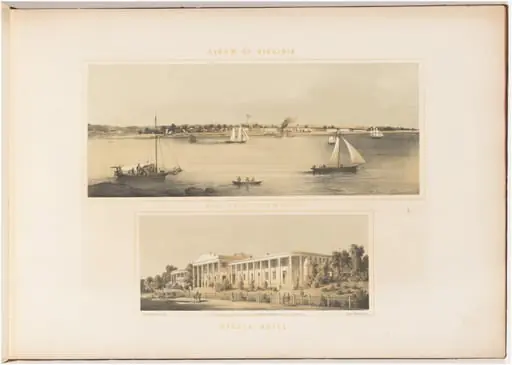
James River Canal, Near the Mouth of the North River
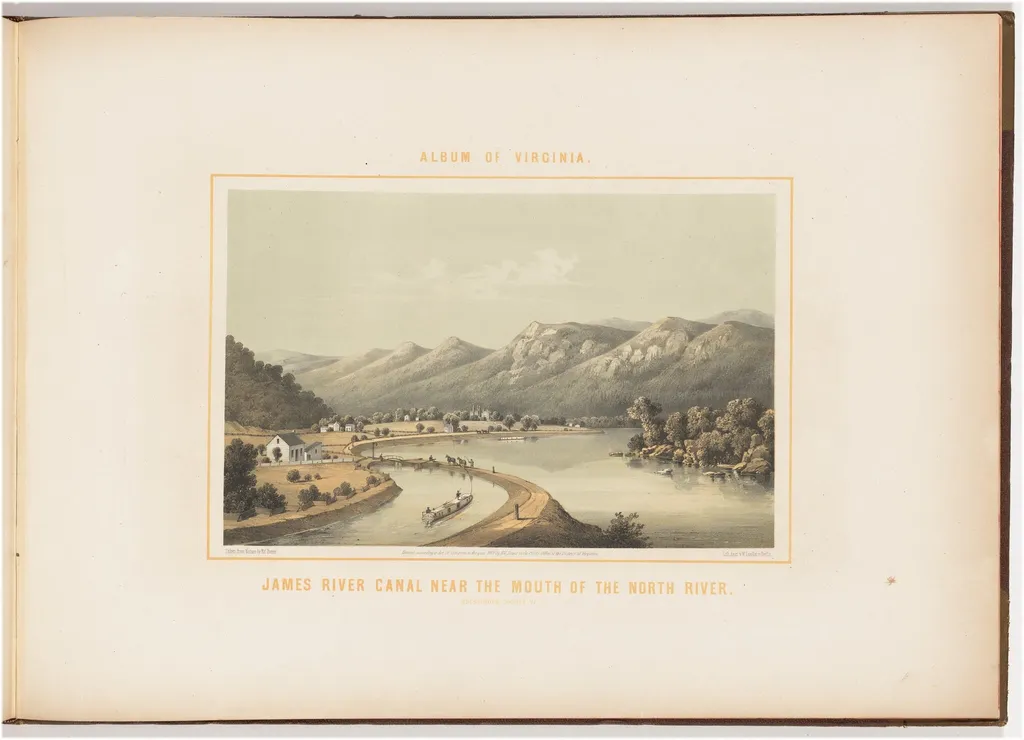
James River Canal, Near the Mouth of the North River is an ink print by the Impressionist artist Edward Beyer. It dates from 1857 and is held in the collection of the National Gallery of Art. Created in 1857, this color lithograph portrays a tranquil stretch of river near the confluence of the James and North Rivers.
About this work
This print shows a quiet river scene from 1857. The water glows under a soft sky. A few boats drift near the shore. Trees frame the view with sharp green lines.
Beyer used lithography, a print method where ink sticks to grease. He drew on stone, then pressed paper onto it. This made the image look hand-drawn but could be copied many times.
The National Gallery of Art, Washington holds this print.
Overview
Created in 1857, this color lithograph portrays a tranquil stretch of river near the confluence of the James and North Rivers. The composition centers on calm water reflecting a muted sky, while modest vessels glide close to a verdant shoreline. The scene is framed by a line of trees rendered in crisp green, emphasizing the peaceful ambience of the mid‑19th‑century landscape.
Subject & Meaning
The image documents a segment of the James River canal system, illustrating the interplay between natural waterways and the modest commercial activity of the era. The presence of small boats suggests routine transport and trade, while the unspoiled banks hint at the region’s still‑largely agrarian character before the upheavals of the Civil War.
Technique & Style
The process was then transferred onto wove paper, producing a print that retains the fluidity of a hand‑drawn sketch while enabling multiple copies.
Executed by lithography, the artist drew directly onto a prepared stone surface, allowing greasy ink to adhere only to the intended lines. The process was then transferred onto wove paper, producing a print that retains the fluidity of a hand‑drawn sketch while enabling multiple copies. The work’s palette of soft blues, muted earth tones, and vivid greens reflects the period’s preference for realistic yet gentle coloration.
History & Provenance
The lithograph was produced by German‑born landscape painter Edward Beyer, who worked primarily in the United States during the antebellum period. After its creation, the print entered private collections before being acquired by the National Gallery of Art in Washington, D.C., where it is presently conserved and displayed as part of the museum’s American prints holdings.
Context
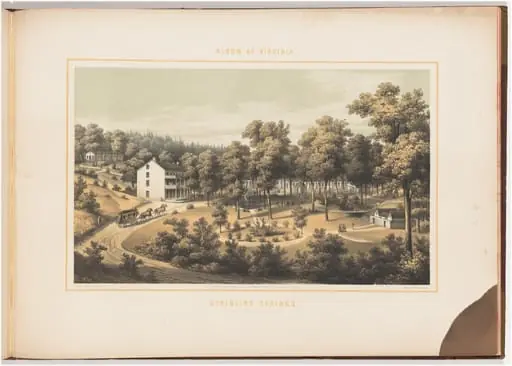
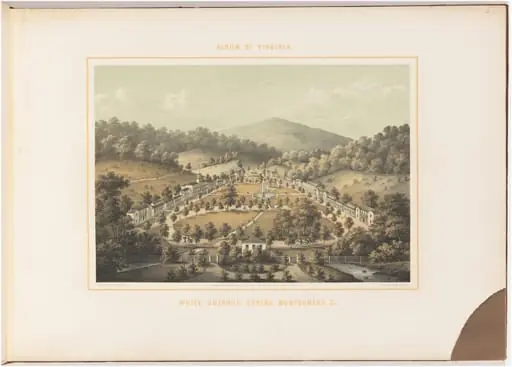
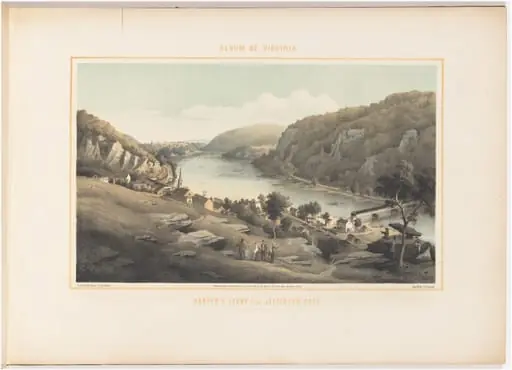
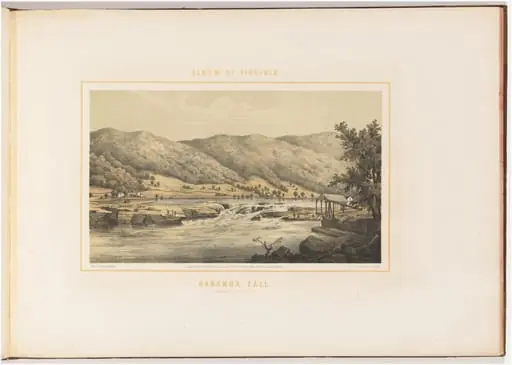
Beyer’s oeuvre frequently focused on Southern scenery, capturing the region’s rivers, plantations, and emerging infrastructure in the years preceding the Civil War. This particular work reflects the growing importance of canal networks for transportation and commerce in Virginia, illustrating how natural geography was being harnessed for economic development during a time of rapid expansion.
Artist & collection
Artist
Edward Beyer (1820–1865) was a German landscape painter who was active in the United States and became known for his depiction of the Antebellum South.