Artwork
Stribling Springs
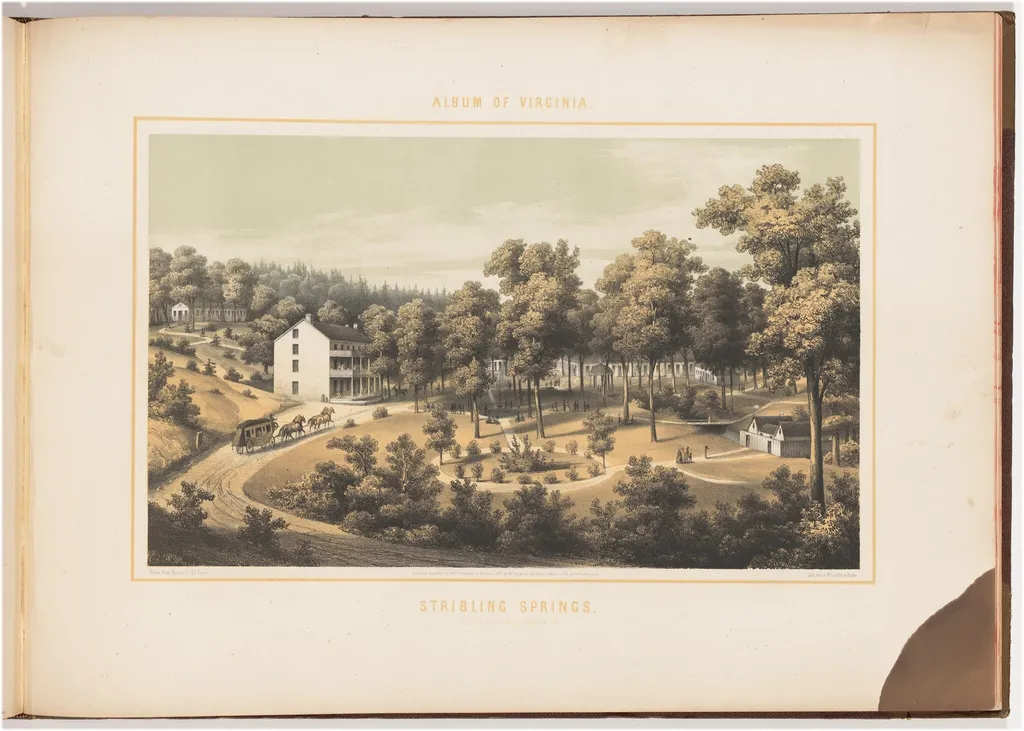
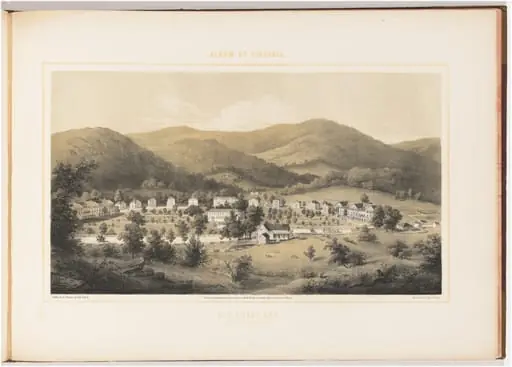
Stribling Springs is an ink print by the Impressionist artist Edward Beyer. It dates from 1857 and is held in the collection of the National Gallery of Art.
About this work
Overview
Created in 1857, *Stribling Springs* is a color lithograph by German-born artist Edward Beyer, produced during his time in the United States.
Created in 1857, *Stribling Springs* is a color lithograph by German-born artist Edward Beyer, produced during his time in the United States. The work belongs to a series of prints documenting Southern landscapes, executed with the precision of lithographic technique on wove paper. Its subdued palette and tranquil composition reflect a documentary impulse, capturing a specific locale with quiet attention to detail rather than dramatic flourish.
Subject & Meaning
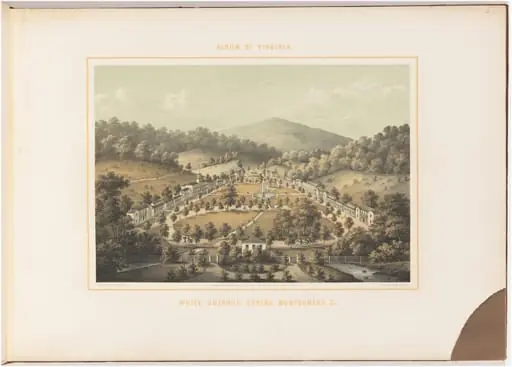
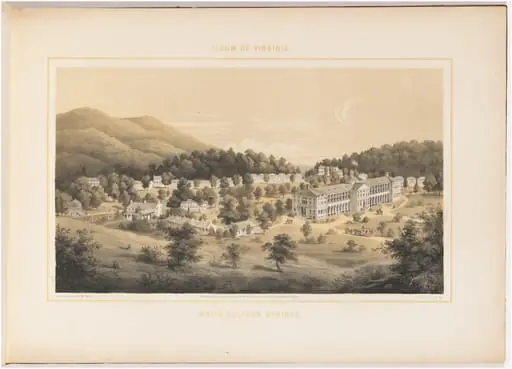
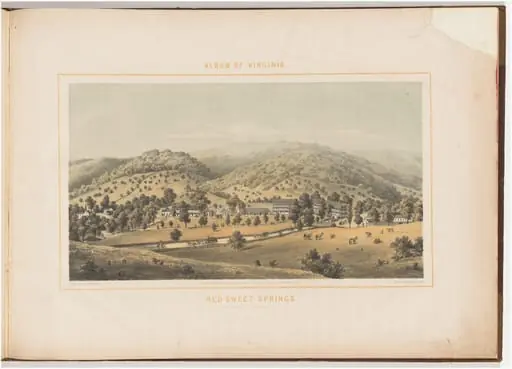
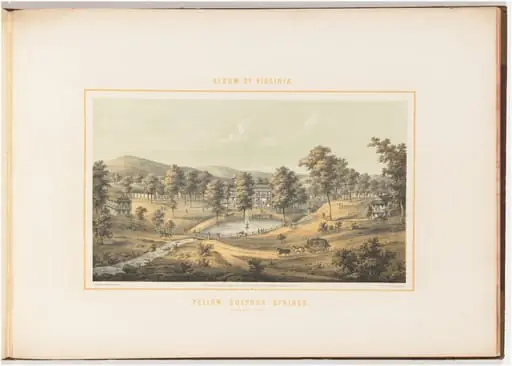
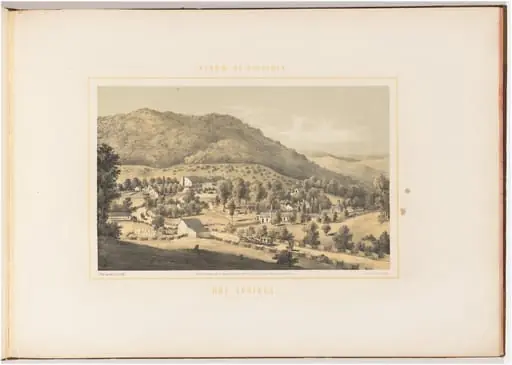
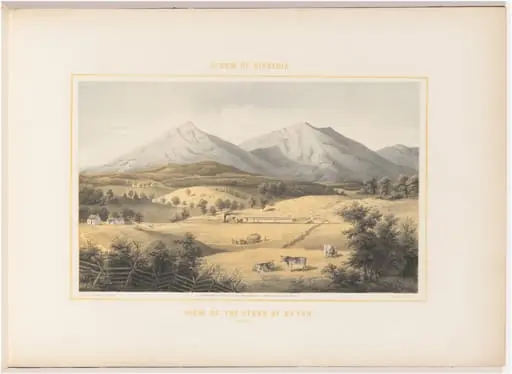
The scene centers on a large white structure surrounded by trees and a winding path, suggesting a rural estate or resort near a natural spring. Figures and animals are minimally placed, reinforcing a sense of stillness. The title implies a named location, possibly a local landmark, and the image functions as a topographical record—less a narrative than a quiet acknowledgment of place within the Antebellum South’s cultivated countryside.
Technique & Style
Beyer employed color lithography, a method allowing multiple ink layers to be printed from stone plates, to achieve a soft, harmonious tone. The wove paper’s smooth surface enhanced the delicate transitions between hues. Colors are restrained—ochres, greens, and pale blues—creating a muted, atmospheric effect. Lines are precise but unobtrusive, favoring compositional balance over expressive brushwork, aligning with 19th-century topographical conventions.
History & Provenance
Beyer, who emigrated to the U.S. in the 1840s, produced *Stribling Springs* as part of a broader project to illustrate Southern landscapes for regional audiences. The print likely circulated as a standalone image or within a portfolio, though its early ownership records are sparse. It remains one of the few surviving color lithographs from his Southern series, valued today for its historical documentation rather than commercial prominence.
Context
In the decade before the Civil War, Southern elites cultivated an image of refined rural life, and artists like Beyer contributed to this visual culture. His work aligned with a broader trend of landscape documentation, distinct from Northern romanticism. *Stribling Springs* reflects this regional identity—not as idealized wilderness, but as orderly, inhabited terrain, where nature and architecture coexist under genteel control.
Legacy
Though Beyer’s name is not widely known today, *Stribling Springs* endures as a representative example of mid-19th-century Southern printmaking. It offers insight into how regional identity was visually constructed before the war. The print is held in institutional collections as a primary source for studying pre-war American landscape aesthetics and the role of lithography in shaping regional memory.
Artist & collection
Artist
Edward Beyer (1820–1865) was a German landscape painter who was active in the United States and became known for his depiction of the Antebellum South.