Artwork
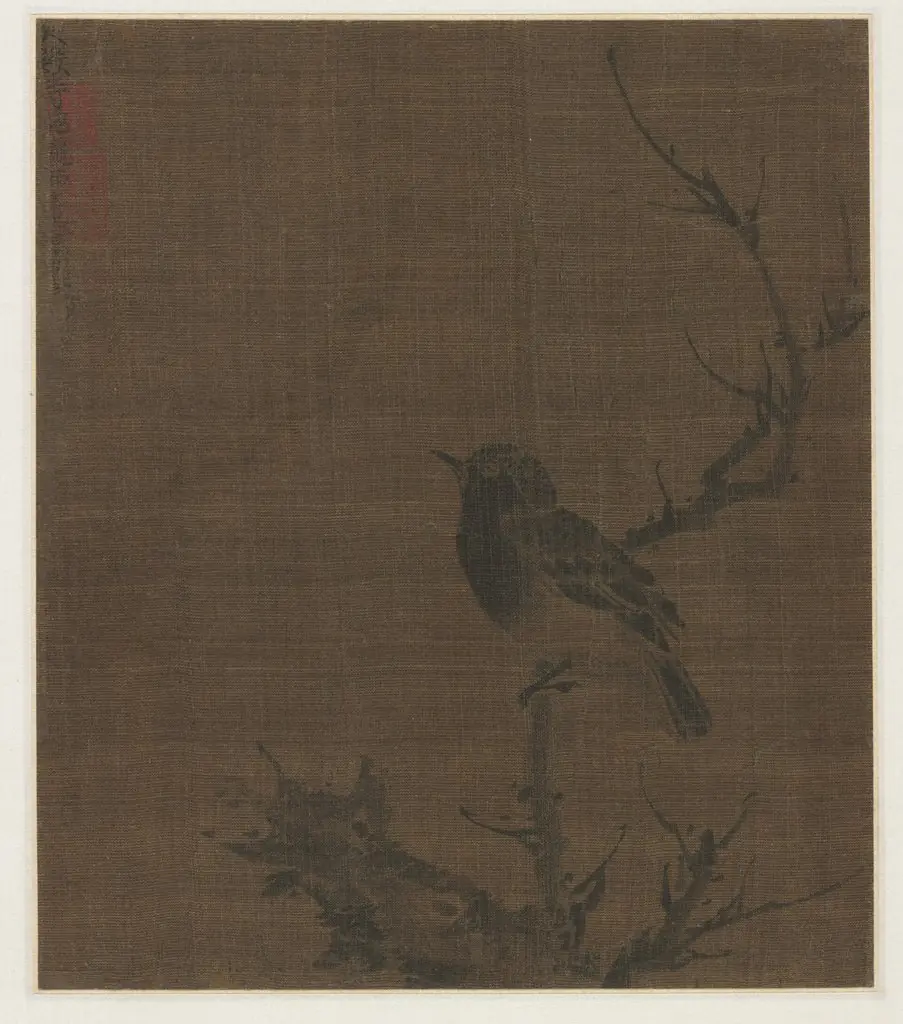
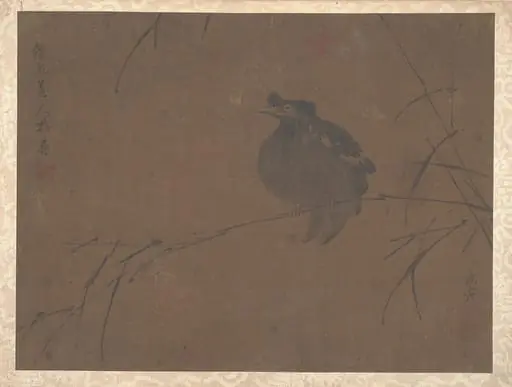
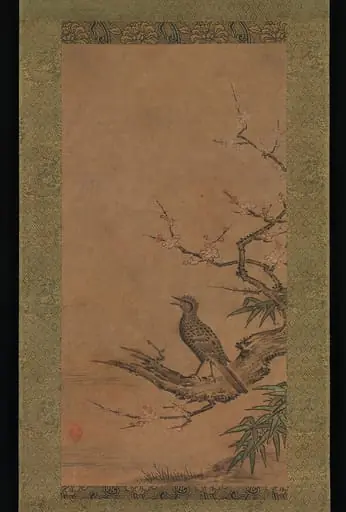
Sleeping Bird on a Prunus Branch
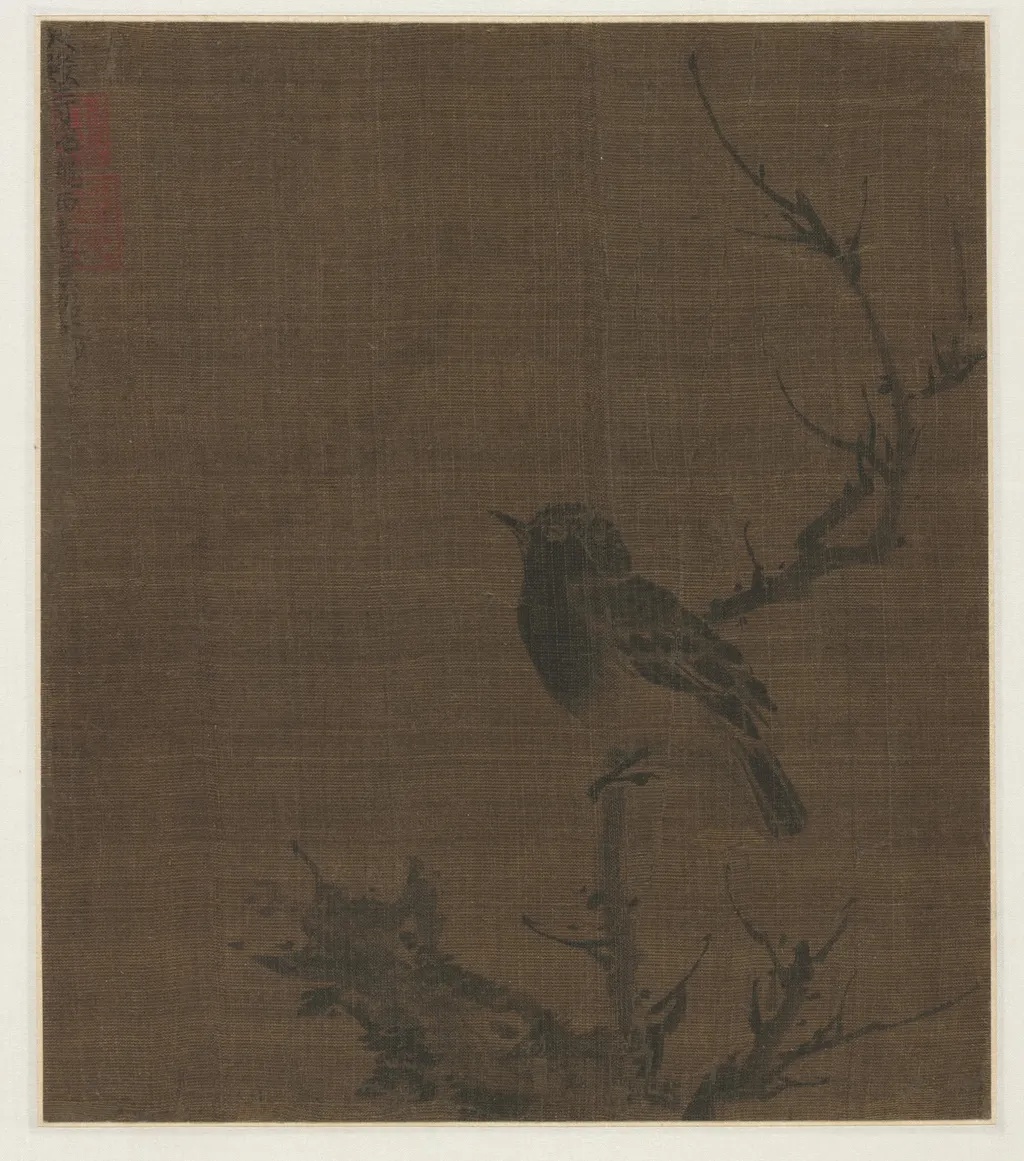
Sleeping Bird on a Prunus Branch is an unspecified painting by the Ming dynasty painting artist Bian Jingzhao. It dates from 1404 and is held in the collection of the Cleveland Museum of Art. Created around 1404 by Bian Wenjin, this ink-and-color painting belongs to the early Ming dynasty tradition of courtly naturalism.
About this work
Overview
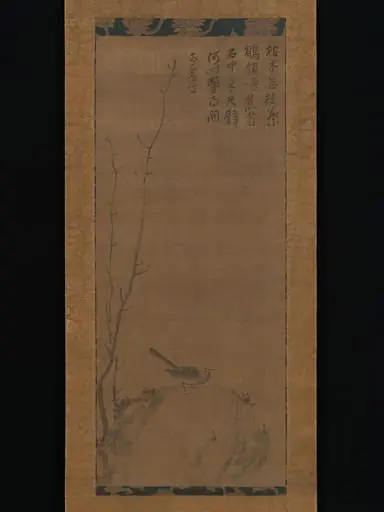
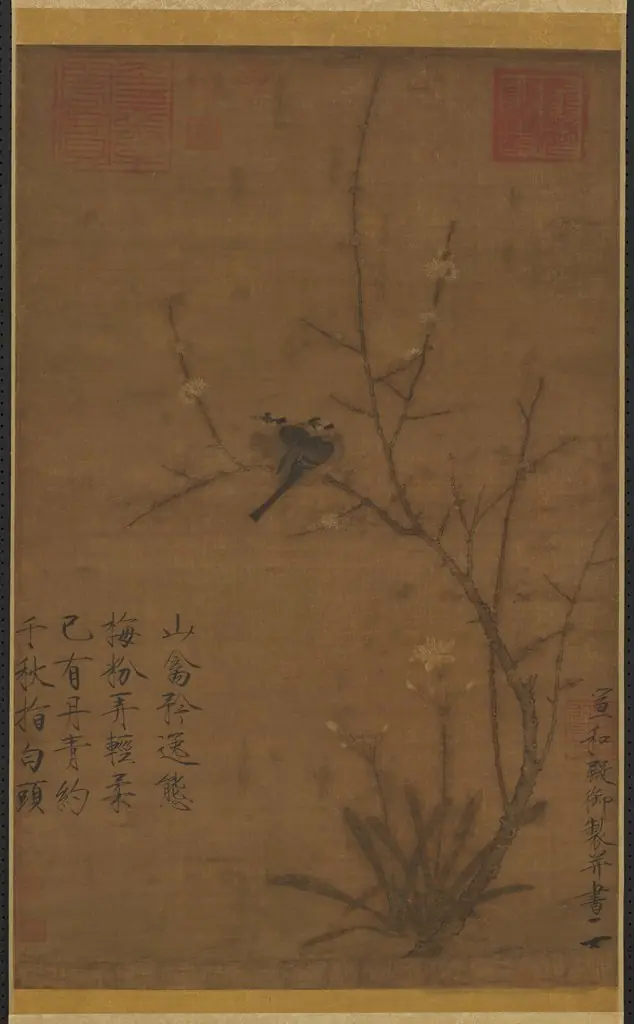
The work captures a single bird in repose atop a prunus branch, reflecting the era’s preference for refined, observational artistry over grand narrative.
Created around 1404 by Bian Wenjin, this ink-and-color painting belongs to the early Ming dynasty tradition of courtly naturalism. Bian, originally from Fujian and descended from a Longxi family, specialized in delicate depictions of flora and fauna. The work captures a single bird in repose atop a prunus branch, reflecting the era’s preference for refined, observational artistry over grand narrative.
Subject & Meaning
The painting portrays a small bird, likely a thrush or warbler, curled in sleep on a slender plum branch. The stillness of the creature and the bare, winter-blooming prunus suggest themes of quiet endurance and seasonal transition. Rather than symbolizing specific virtues, the image invites contemplation of nature’s subtle rhythms, aligning with scholarly ideals of harmony and restraint.
Technique & Style
Bian employed fine brushwork and translucent layers of ink and mineral pigments to render the bird’s feathers and the branch’s textured bark. The composition is sparse, emphasizing negative space to heighten focus on the subject. Details like the bird’s closed eyes and the branch’s slight curvature convey lifelike stillness, characteristic of the Ming court’s emphasis on precise, lifelike observation.
History & Provenance
The painting is documented as part of early Ming imperial collections, likely commissioned or acquired for the court. Its survival through centuries suggests careful preservation, possibly within palace archives. No public records detail its movement after the 15th century, though it is now held in a major institutional collection, its lineage traced through archival inventories.
Context
During the early Ming period, artists like Bian Wenjin were favored for their ability to merge naturalistic detail with poetic restraint. The prunus, valued for blooming in winter, was a favored motif among scholar-officials. This work reflects a broader cultural shift toward intimate, nature-centered imagery, distinct from the more dramatic styles of the preceding Yuan dynasty.
Legacy
Bian Wenjin’s approach influenced later Ming painters who pursued refined naturalism in bird-and-flower subjects. While not widely known outside specialist circles, his work exemplifies the technical discipline and quiet elegance prized in court painting. This piece remains a reference for studies on the evolution of Chinese ornithological illustration in the 15th century.
Artist & collection
Artist
Bian Jingzhao (simplified Chinese: 边景昭; traditional Chinese: 邊景昭), styled Wenjin (Chinese: 文進), was a famed Chinese painter in the early Ming dynasty.