Artwork
The "Three Friends" and a Hundred Birds
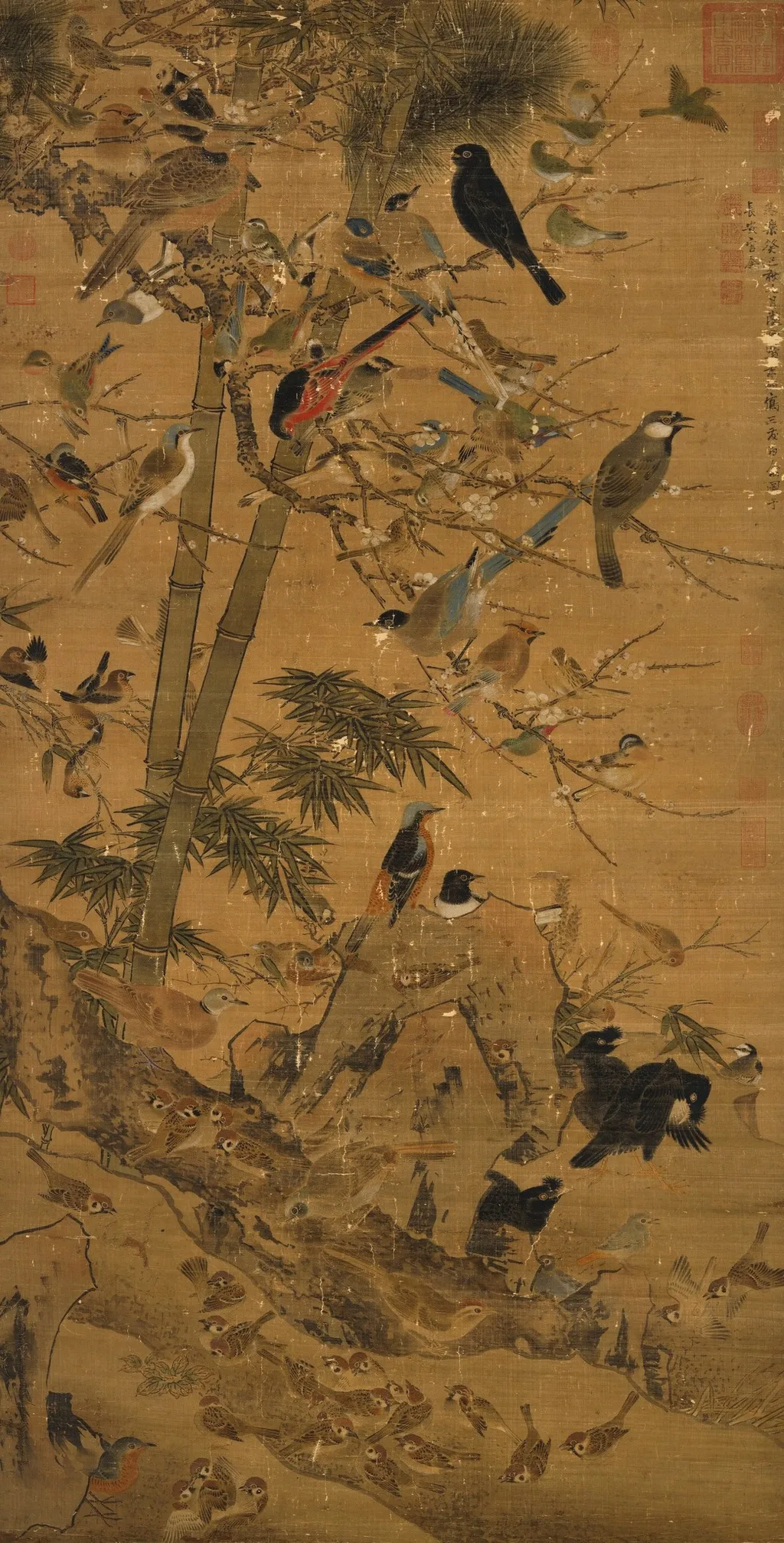
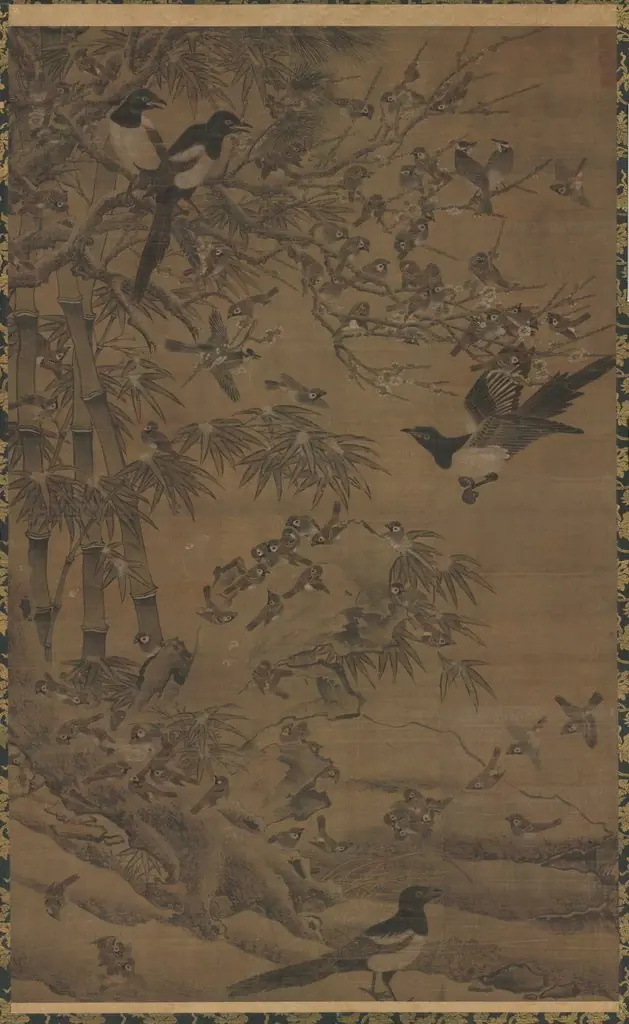
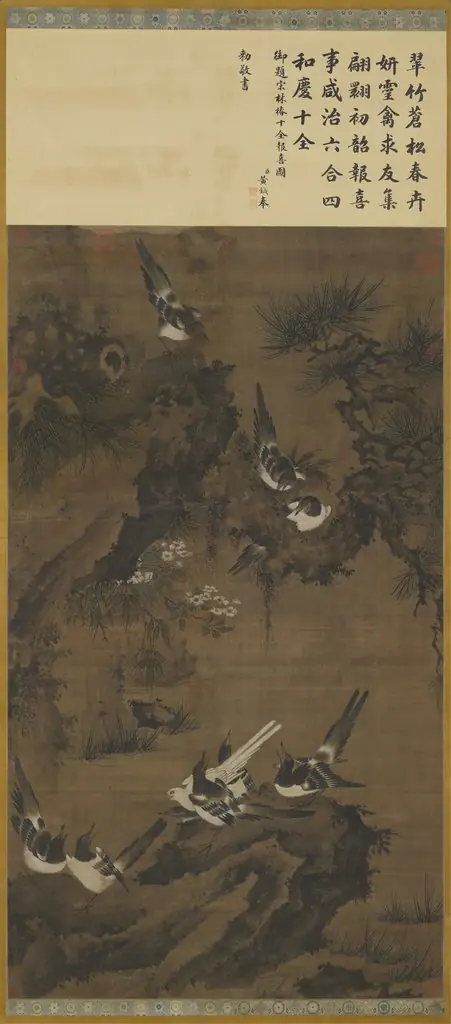
The "Three Friends" and a Hundred Birds is an unspecified painting by the Ming dynasty painting artist Bian Jingzhao. It dates from 1413 and is held in the collection of the National Palace Museum.
About this work
Overview
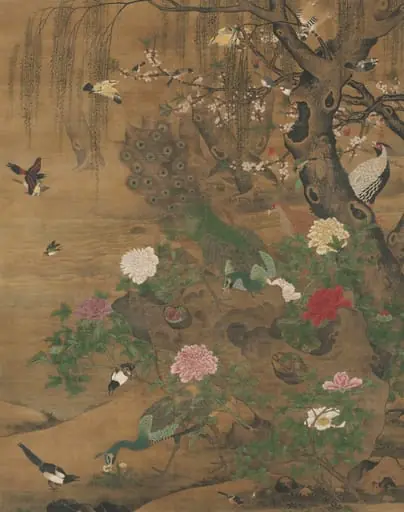
Created in 1413 on silk, *The 'Three Friends' and a Hundred Birds* is a Ming dynasty painting by Bian Jingzhao (style name Wenjin), embodying the era's refined artistic sensibilities.
Subject & Meaning
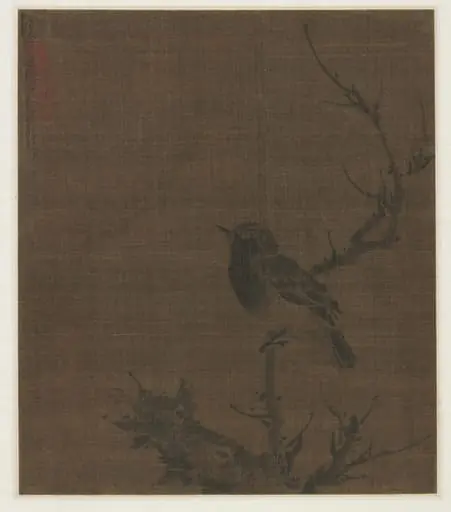
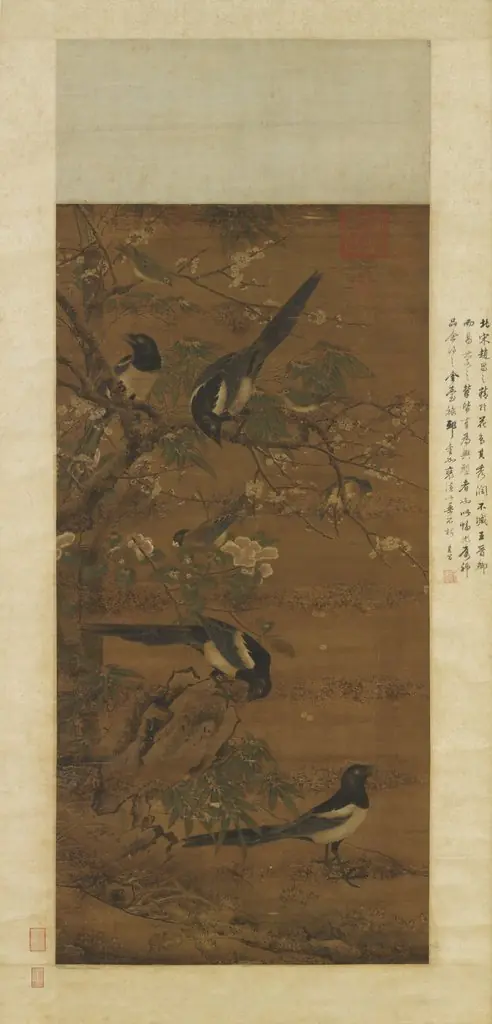
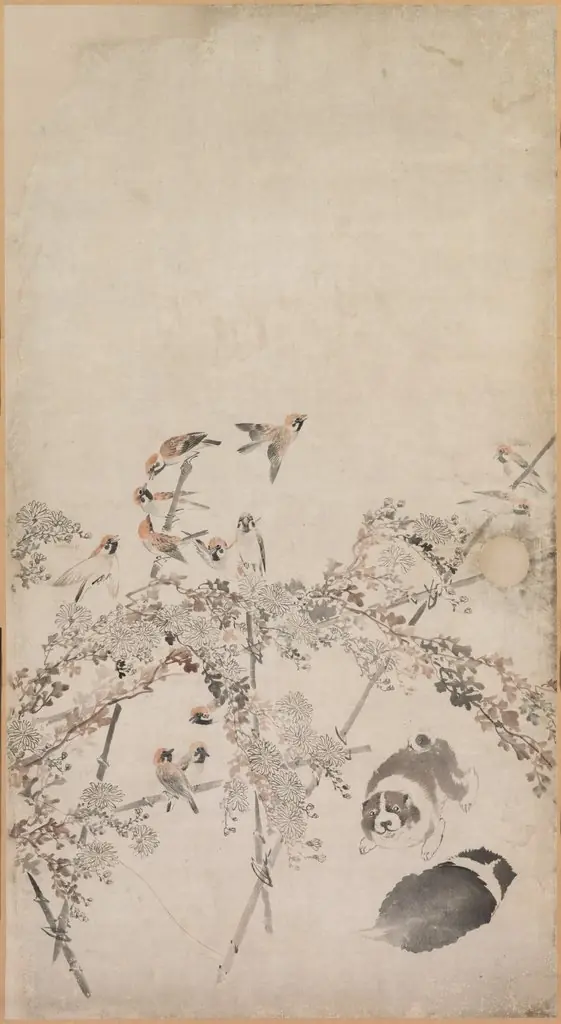
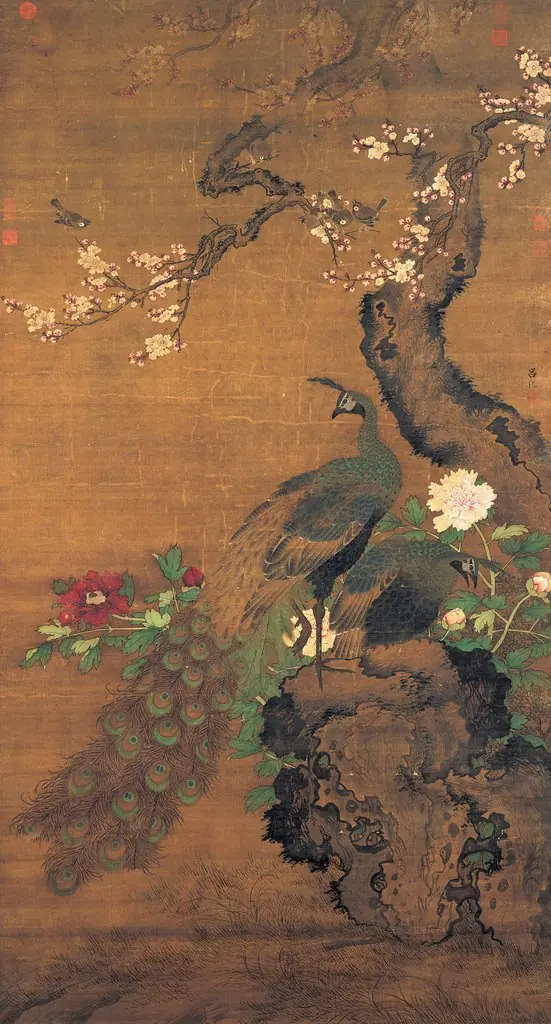
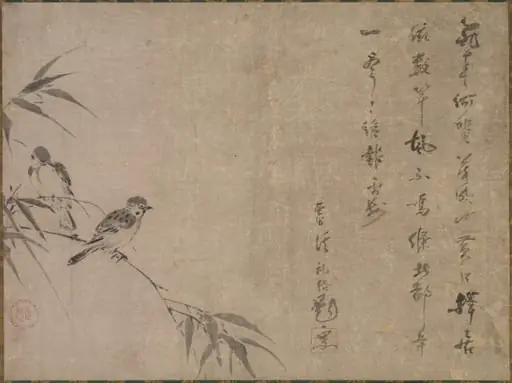
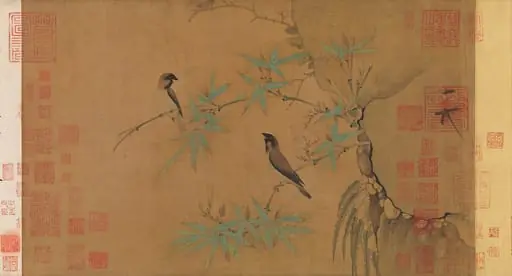
The painting features the symbolic 'Three Friends'—pine, bamboo, and plum—amidst a multitude of birds. This composition conveys themes of endurance, resilience, and harmony, leveraging a common motif in Chinese art.
Technique & Style
The work showcases intricate details, such as textured tree bark and feathered birds, in a vibrant color palette (browns, greens, and various bird hues). While not explicitly attributed here, techniques akin to subtle blending (like sfumato) might enhance the serene atmosphere.
History & Provenance
Attributed to Bian Jingzhao (Wenjin), active in the early Ming dynasty, with the painting dated to 1413. Specific provenance details are not provided.
Context
Part of the broader Ming painting tradition, characterized by its emphasis on refined artistic practices. The 'Three Friends' motif, alongside birds, reflects a harmonious coexistence, a prevalent Chinese artistic theme.
Legacy
As a representative of early Ming dynasty art, the painting contributes to the understanding of the period's aesthetic values and symbolic themes, though its direct influence or notable exhibitions are not specified here.
Artist & collection
Artist
Bian Jingzhao (simplified Chinese: 边景昭; traditional Chinese: 邊景昭), styled Wenjin (Chinese: 文進), was a famed Chinese painter in the early Ming dynasty.