Artwork
A Blacksmith (Un Forgeron)
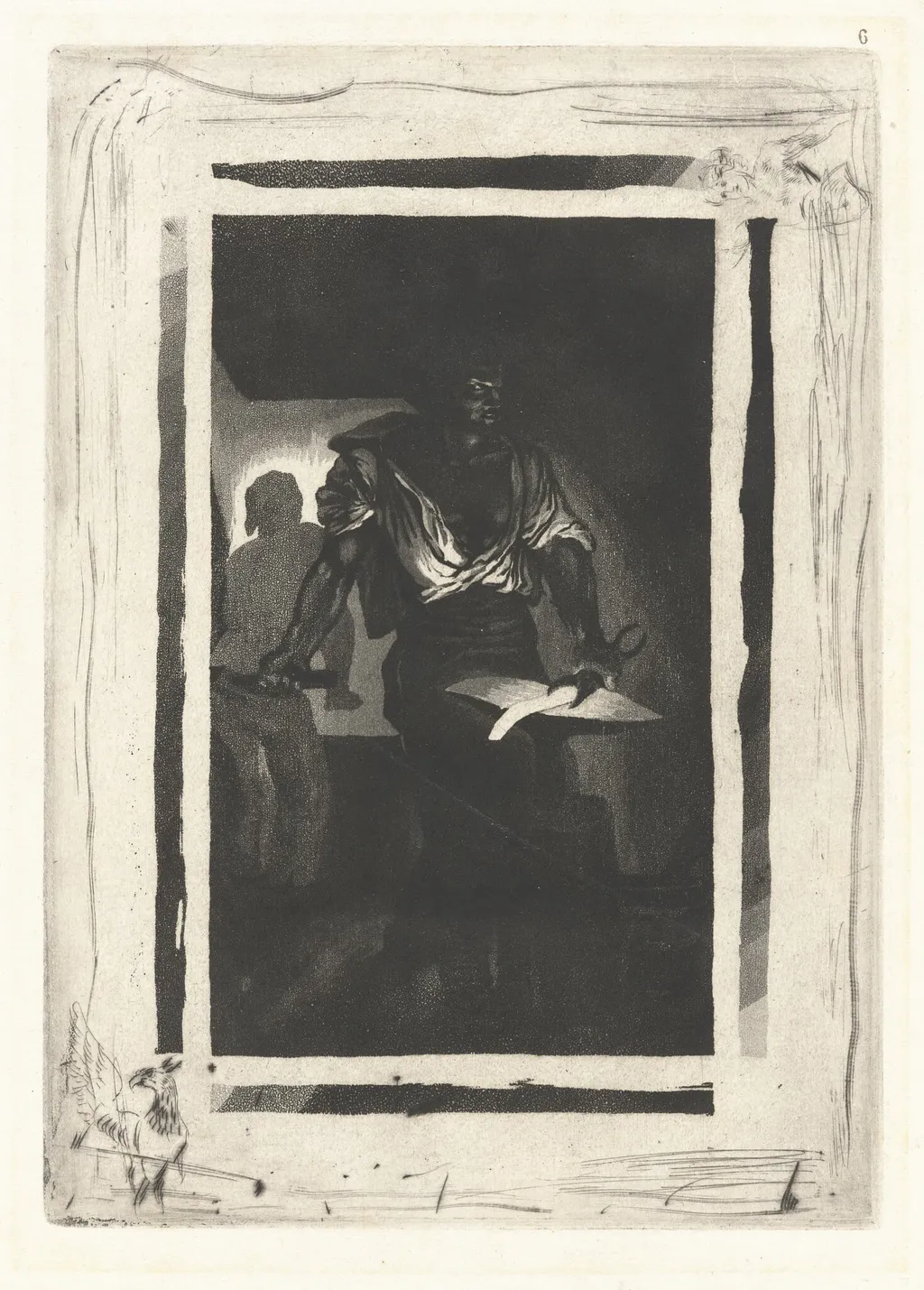
A Blacksmith (Un Forgeron) is an ink print by the Romanticist artist Eugène Delacroix. It dates from 1833 and is held in the collection of the National Gallery of Art.
About this work
Overview
Unlike his oil paintings, this work explores texture and tone through intaglio techniques, capturing a moment of physical labor with quiet intensity.
Created in 1833, *A Blacksmith (Un Forgeron)* is a print by Eugène Delacroix executed in aquatint and drypoint on laid paper. Unlike his oil paintings, this work explores texture and tone through intaglio techniques, capturing a moment of physical labor with quiet intensity. The medium allowed Delacroix to achieve nuanced gradations of light and shadow, aligning with his interest in expressive realism over idealized form.
Subject & Meaning
The print portrays a blacksmith bent over his anvil, his back turned to the viewer, engaged in strenuous labor. A second figure, barely outlined, observes from the periphery, suggesting a silent witness to the worker’s endurance. The absence of facial expression and the focus on bodily strain convey dignity in manual toil, reflecting Romanticism’s fascination with raw human experience rather than narrative spectacle.
Technique & Style
Delacroix employed aquatint to produce soft, atmospheric tonal transitions, particularly in the shadowed areas surrounding the forge. Drypoint added sharp, expressive lines to define muscle tension and the glow of heated metal. The rough paper edges and incidental sketch marks—such as birds in the margins—hint at the print’s preparatory nature, emphasizing spontaneity and the artist’s hand over polished finish.
History & Provenance
The print was made during a period when Delacroix was deeply engaged with printmaking, often revisiting themes from his travels and sketches. While no definitive early ownership record survives, it was likely circulated among artists and collectors familiar with his graphic work. Its survival in multiple impressions suggests it held personal or artistic significance beyond commercial intent.
Context
In the 1830s, French artists increasingly turned to everyday labor as subject matter, influenced by social change and the rise of realism. Delacroix, though associated with Romanticism, aligned with this shift by focusing on physical exertion and environmental atmosphere. His use of chiaroscuro here echoes Baroque precedents, yet the intimate scale and unfinished quality distinguish it from grand historical compositions.
Legacy
This print exemplifies Delacroix’s commitment to expressive draftsmanship beyond painting. Its emphasis on light, texture, and unidealized labor influenced later printmakers and realist artists who sought to capture the dignity of work. Though less known than his oils, *A Blacksmith* remains a key example of how Romantic sensibilities could be translated into the intimate, tactile language of print.
Artist & collection
Artist
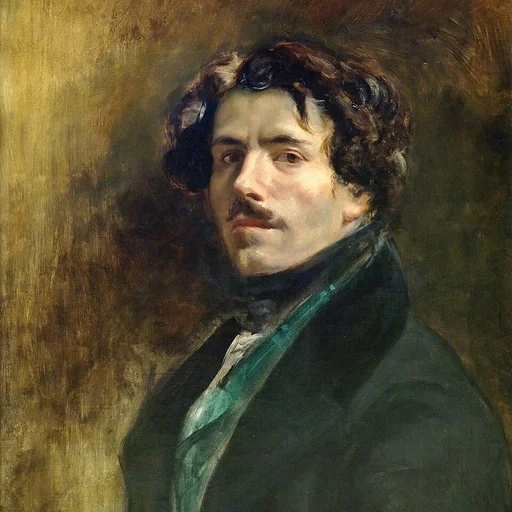
Ferdinand Victor Eugène Delacroix ( DEL-ə-krwah, -KRWAH; French: ; 26 April 1798 – 13 August 1863) was a French Romantic artist who was regarded as the leader of the French Romantic school.

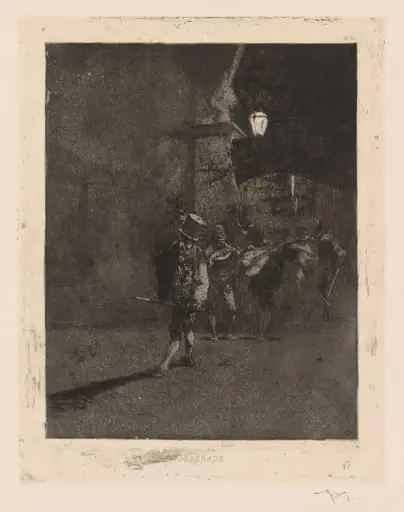 Serenade
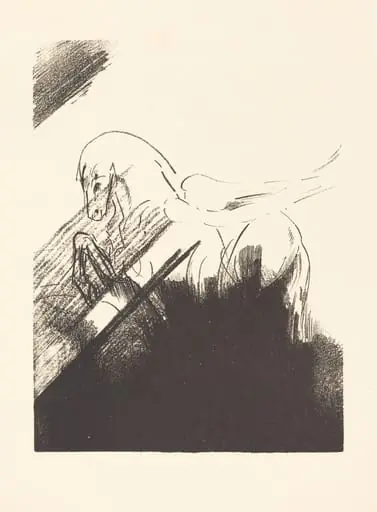 Cheval aile (Winged Horse)
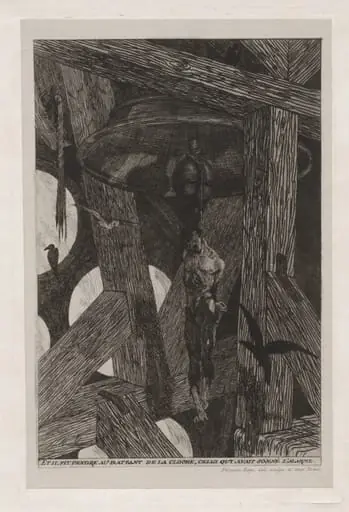 The Legend and Adventures of Ulenspiefel and Lamme Goedzak: The Hanged Man (La legende et les aventures d'Ulenspiegel et Lamme Goedzak: Le pendu)
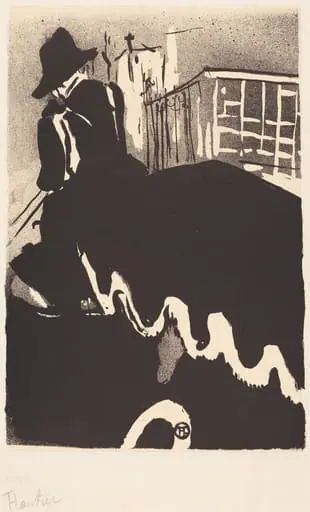 Last Ballad (Ultime ballade)
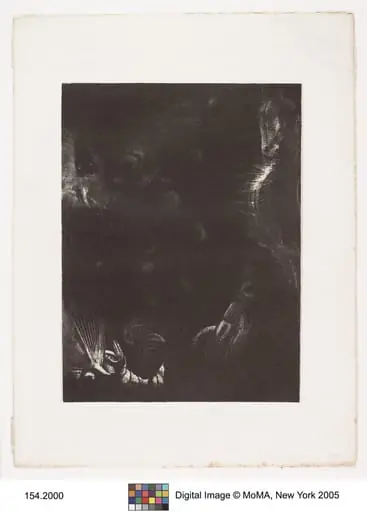 Untitled
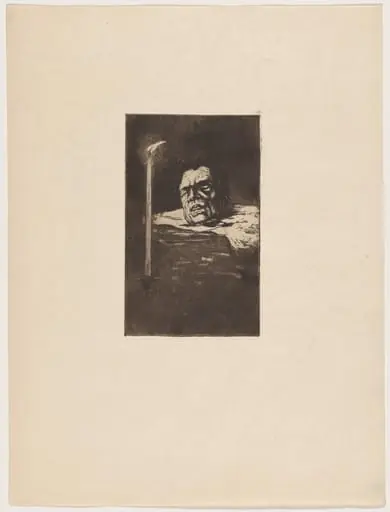 La supplicié (The Executed)
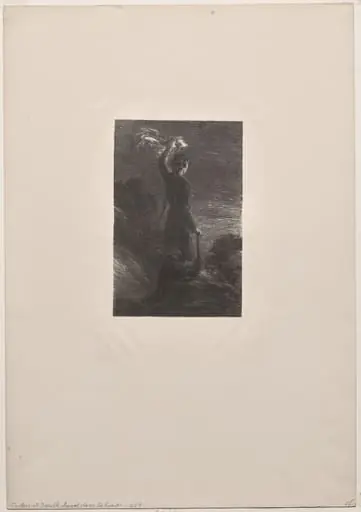 Tristan and Isolde, Act II: Signal in the Night
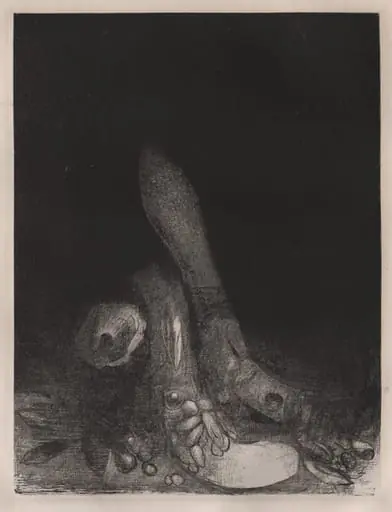 Flowers Fall and the Head of a Python Appears
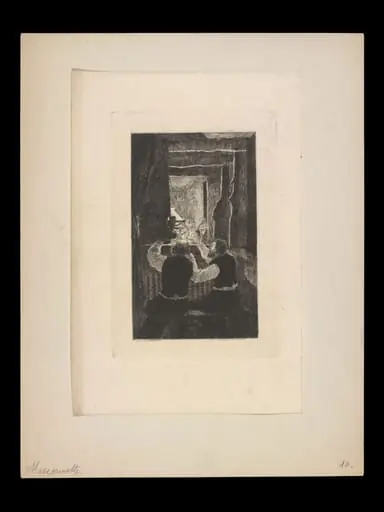 George Speaight Punch & Judy Collection