Artwork
Valtakunnanneuvos Ulrik Scheffer
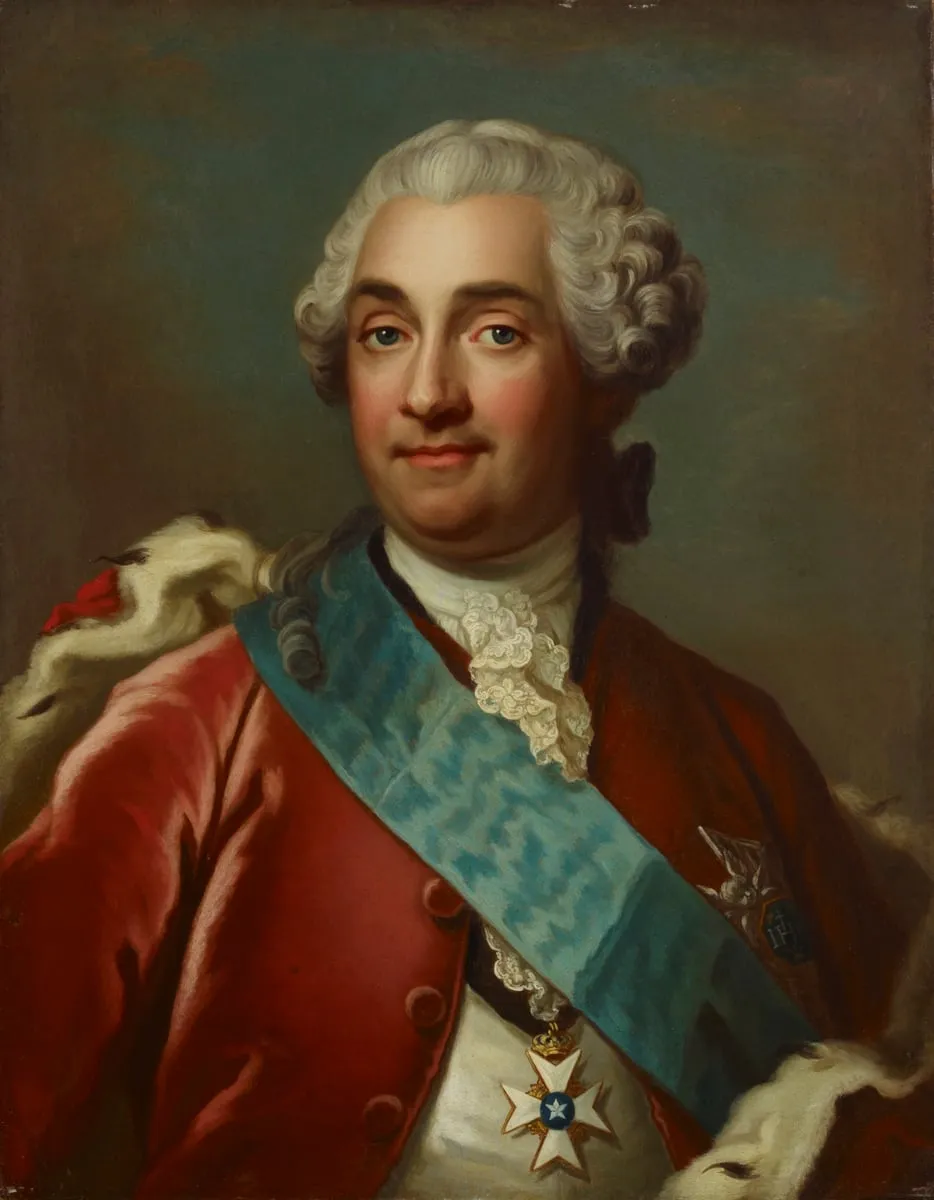
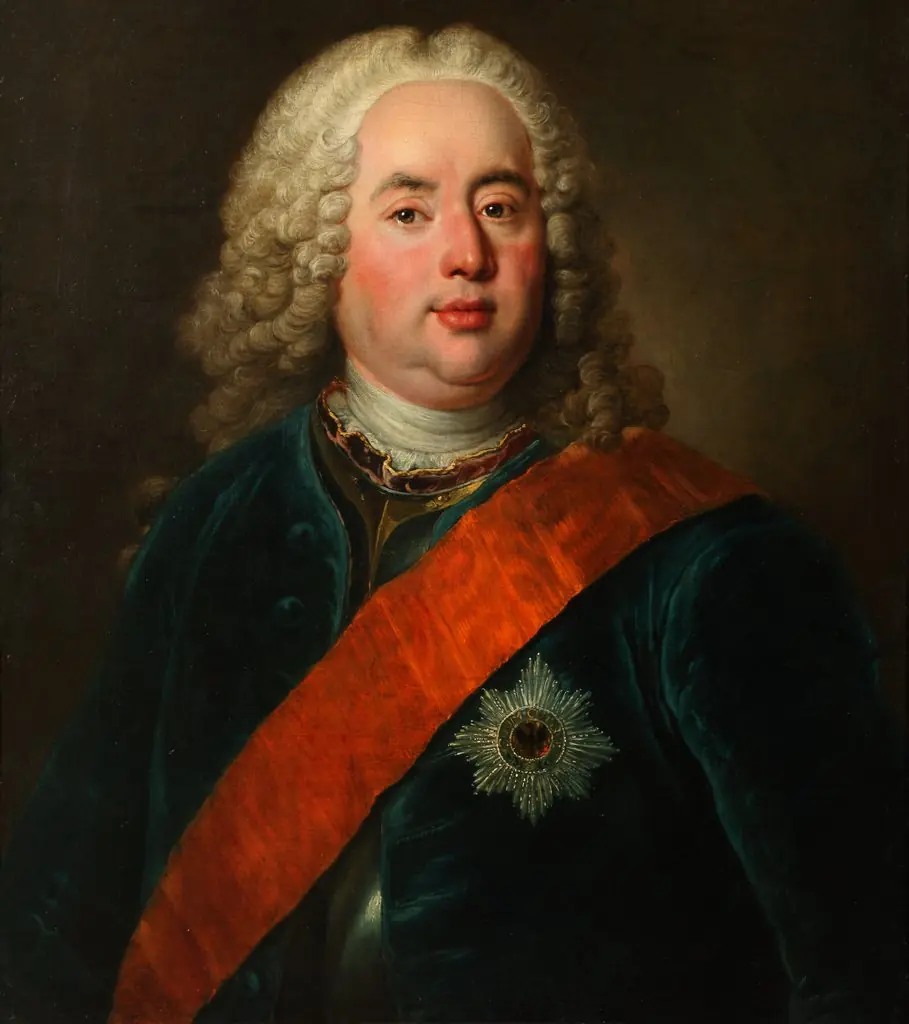
Valtakunnanneuvos Ulrik Scheffer is an unspecified painting by Jakob Björk. It is held in the collection of the Finnish National Gallery. This portrait presents Ulrik Scheffer, a figure of considerable rank, rendered with meticulous detail.
About this work
Overview
The painting captures the subject in formal attire, emphasizing the symbols of his status through precise depiction of textiles, regalia, and facial features.
This portrait presents Ulrik Scheffer, a figure of considerable rank, rendered with meticulous detail. The painting captures the subject in formal attire, emphasizing the symbols of his status through precise depiction of textiles, regalia, and facial features. Executed in oil, the work reflects the conventions of European portraiture from the late 18th century, where likeness and social position were closely intertwined.
Subject & Meaning
The sitter, Ulrik Scheffer, is portrayed in the regalia of his office, a visual assertion of authority and prestige. The red coat, blue sash, and white cross denote membership in an order of chivalry, while the fur-trimmed cape signals high rank. The lace collar and careful grooming reinforce the image of a man of refinement and power, intended to convey both personal dignity and institutional significance.
Technique & Style
The artist employs a controlled, linear technique to render fabrics and surfaces with precision, from the delicate lace of the collar to the plush texture of the fur. Subtle gradations of light model the face, while the restrained palette—dominated by red, white, and blue—creates a harmonious yet authoritative composition. The style aligns with the academic traditions of the period, prioritizing clarity and decorum.
History & Provenance
Attributed to Jakob Björk, this portrait likely dates to the latter half of the 18th century, a period when Scheffer held influential positions in Swedish governance. The painting’s provenance remains undocumented in detail, though its preservation suggests it was retained within institutional or familial collections. Its current location and prior ownership history are not publicly recorded.
Context
Scheffer’s career unfolded during a transformative era in Swedish politics, marked by shifts in royal authority and administrative reform. Portraits of this kind served both as personal commemorations and as instruments of political representation, reinforcing the legitimacy of the sitter’s role. The painting reflects the broader cultural emphasis on visualizing power through portraiture in Enlightenment-era Europe.
Artist & collection
Artist
Jakob Björk spent his life painting the Swedish elite from the 1750s to the 1770s, turning lace collars and powdered wigs into his daily bread.

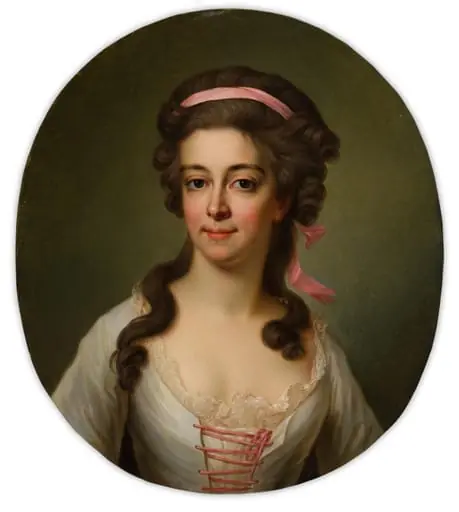
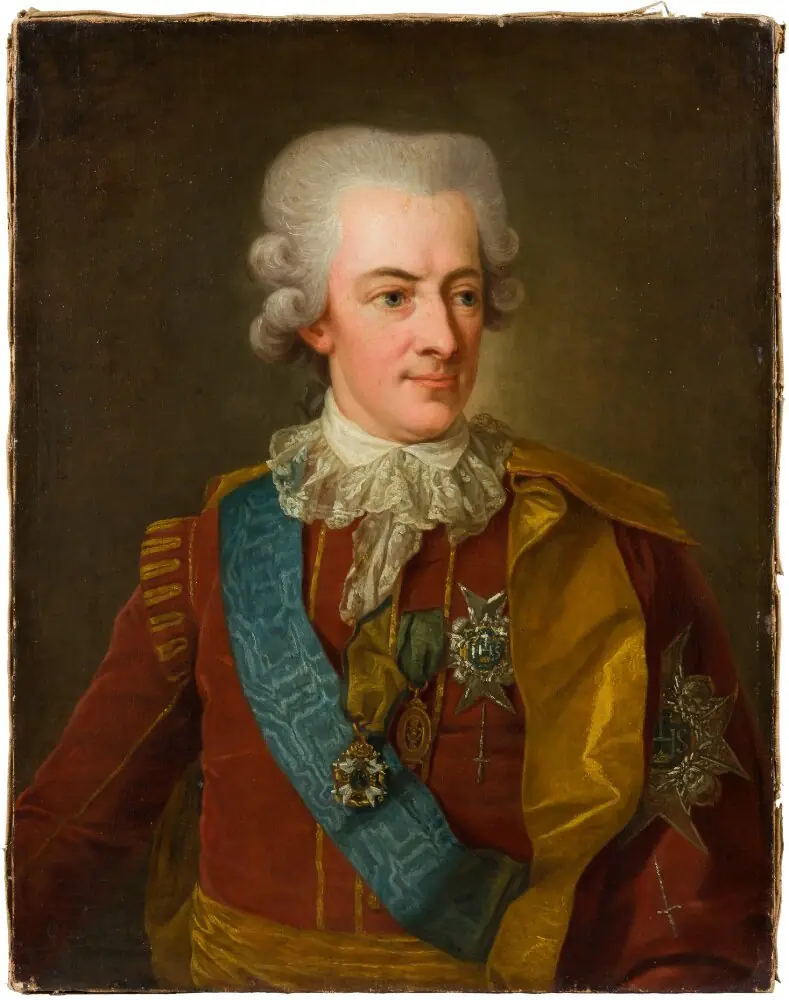 Gustav III (1746–1792), King of Sweden
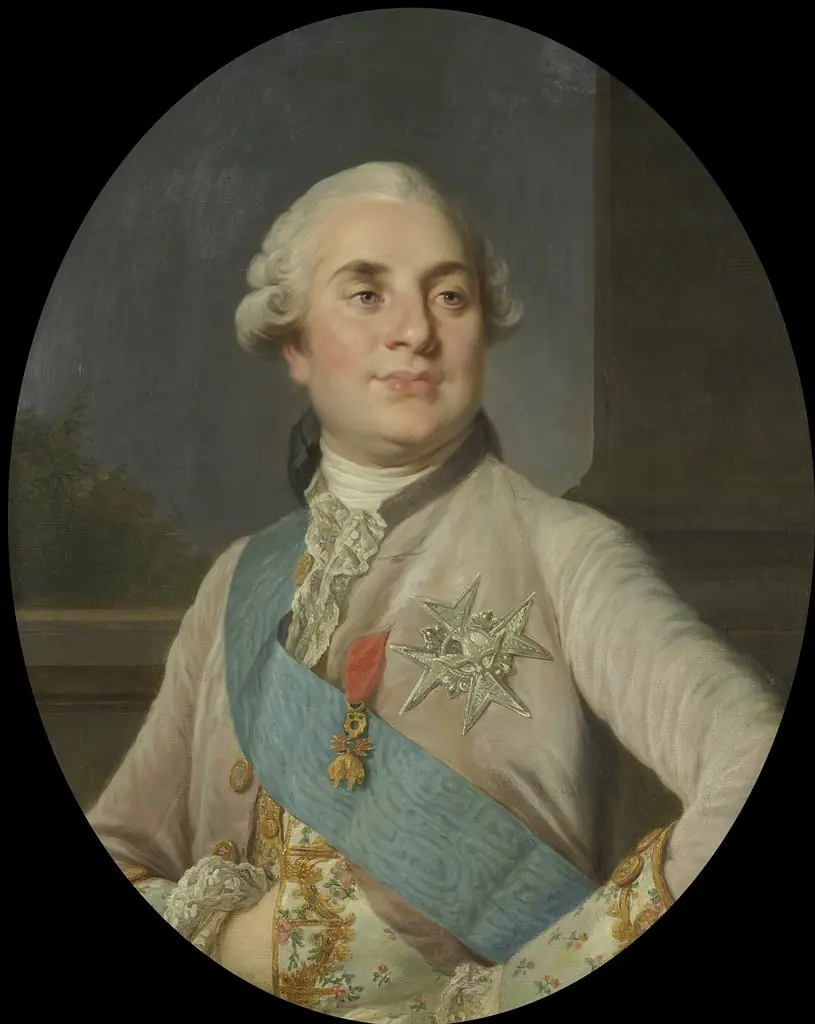 Portrait of Louis XVI, King of France
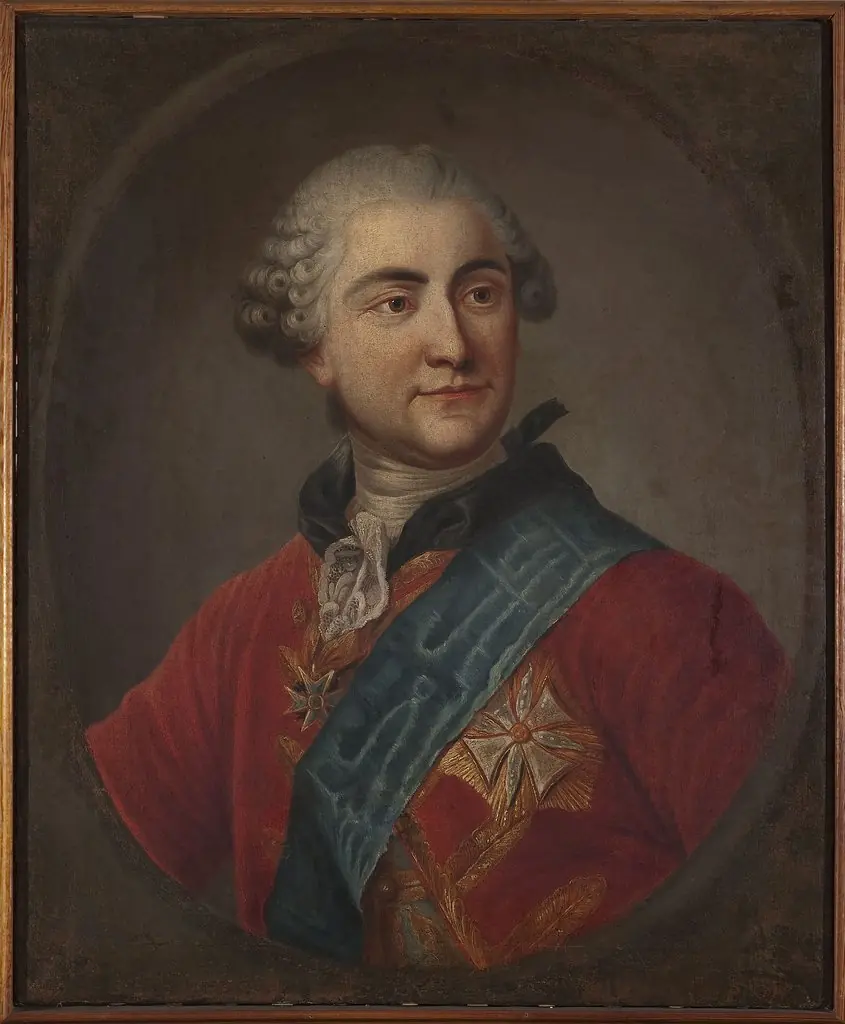 Portrait of Stanisław August Poniatowski
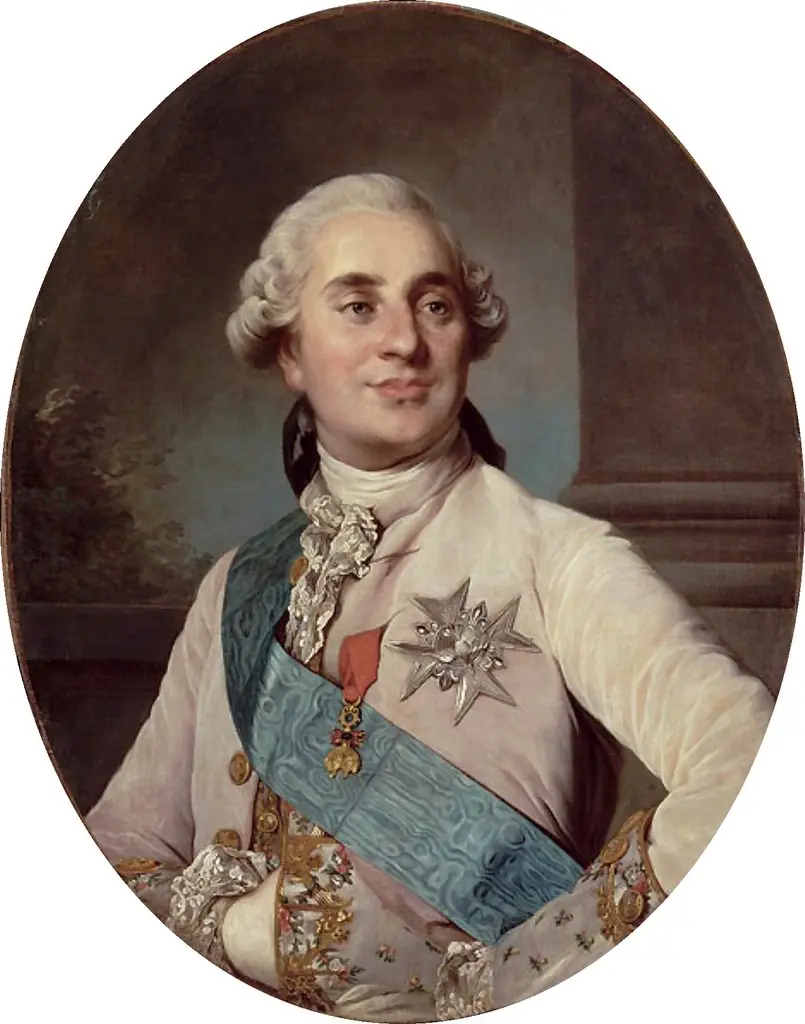 Portrait of Louis XVI, King of France and Navarre (1754-1793)
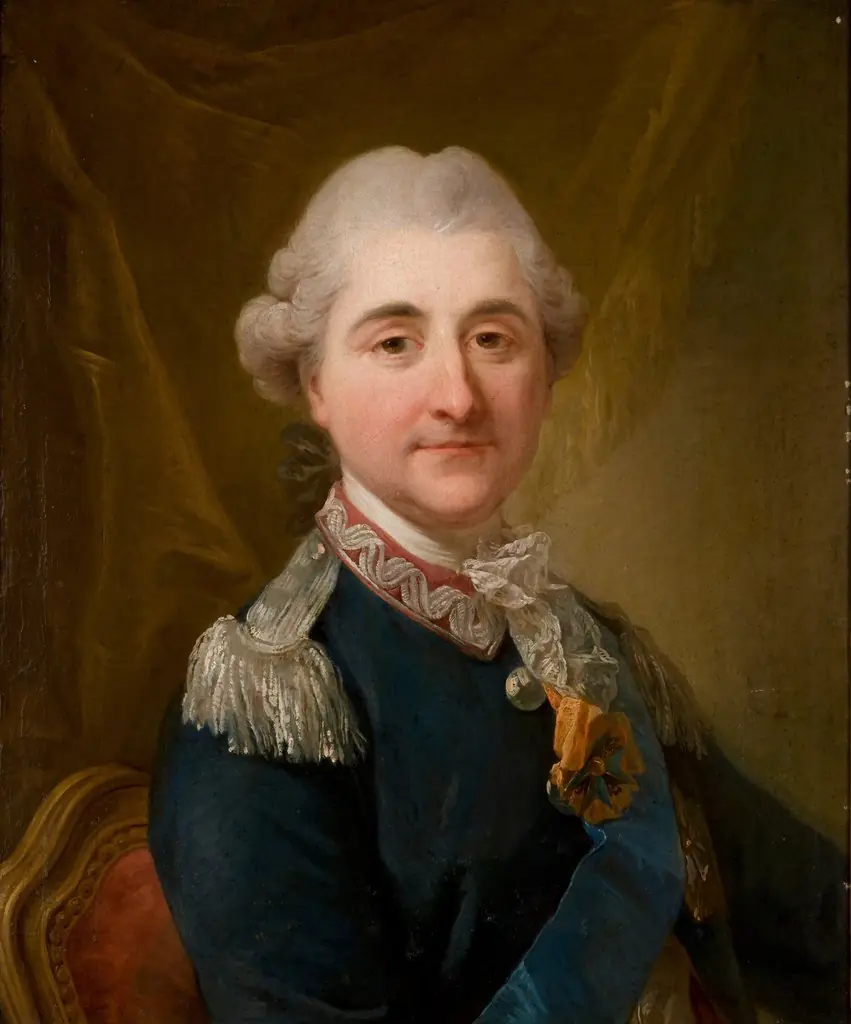 Portrait of King Stanislaus Augustus Poniatowski
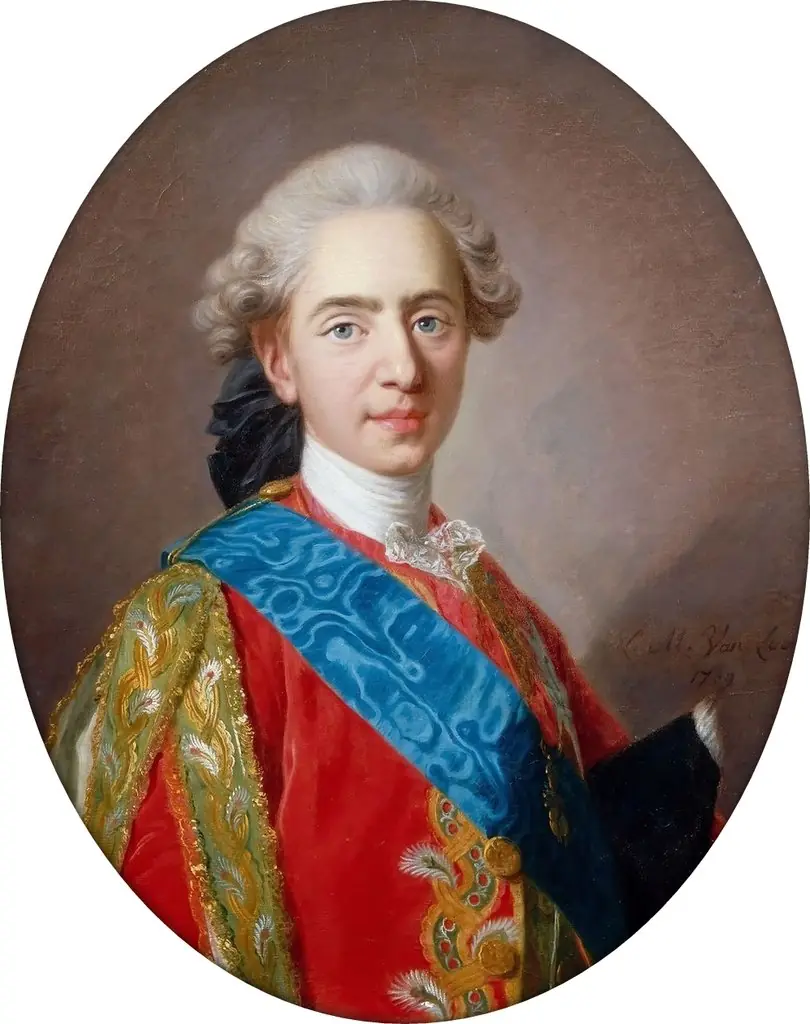 Louis XVI of France when he was the Dauphin of France.
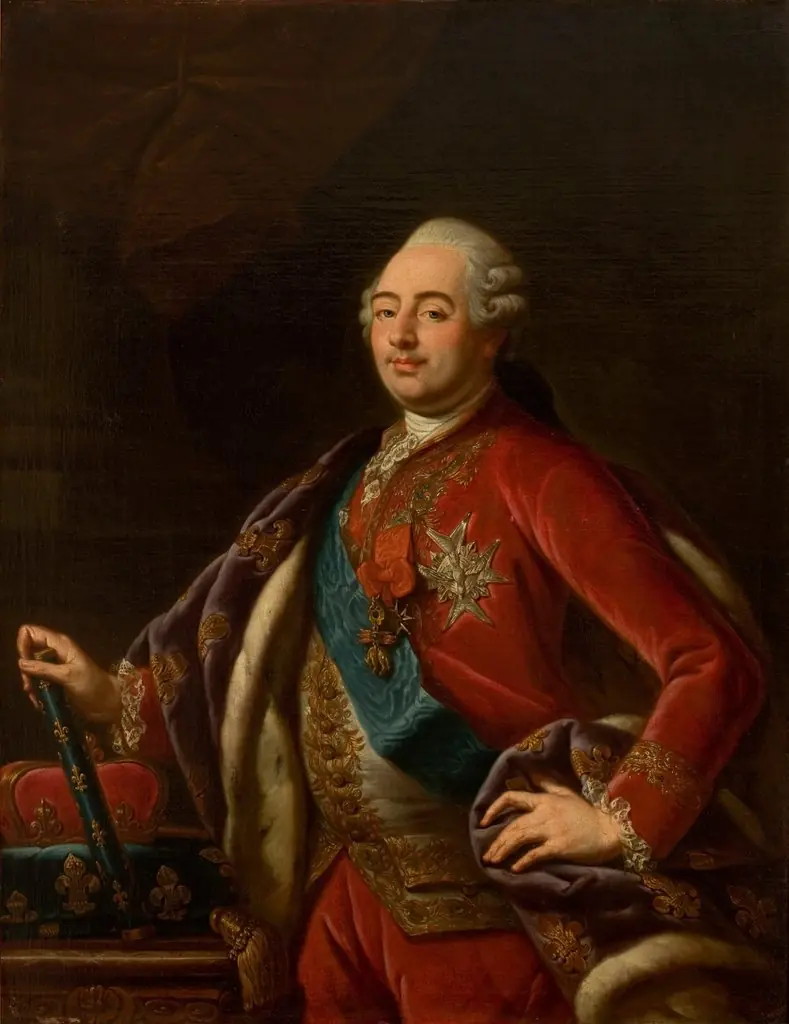 Retrato de Luís XVI
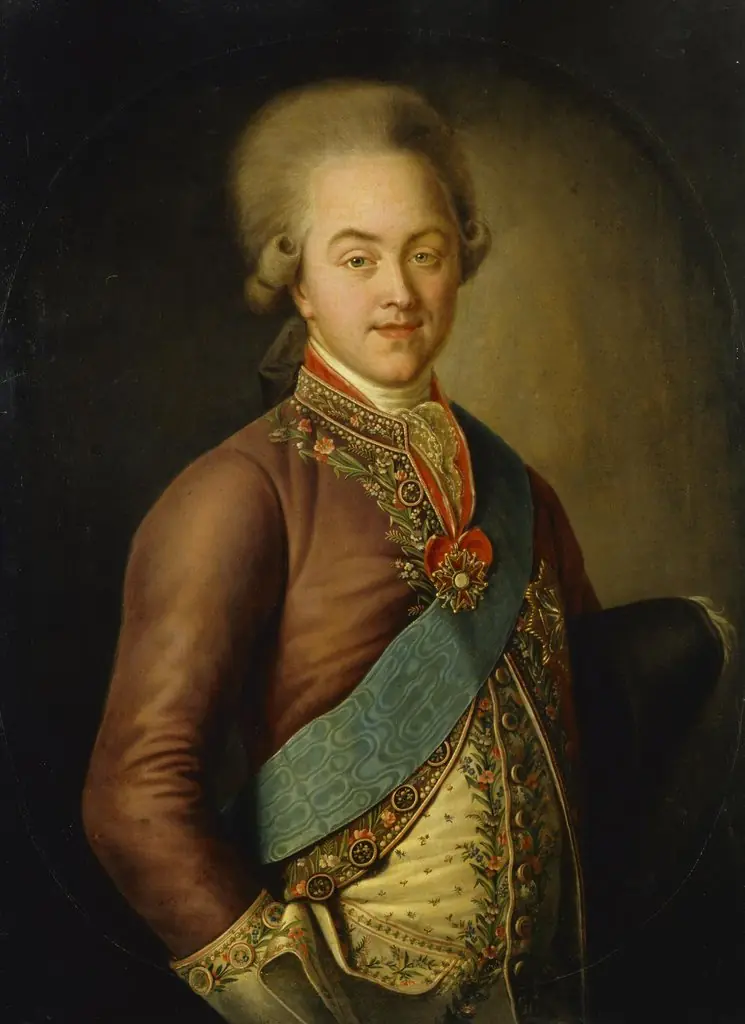 Portrait of Count N.P.Sheremetev
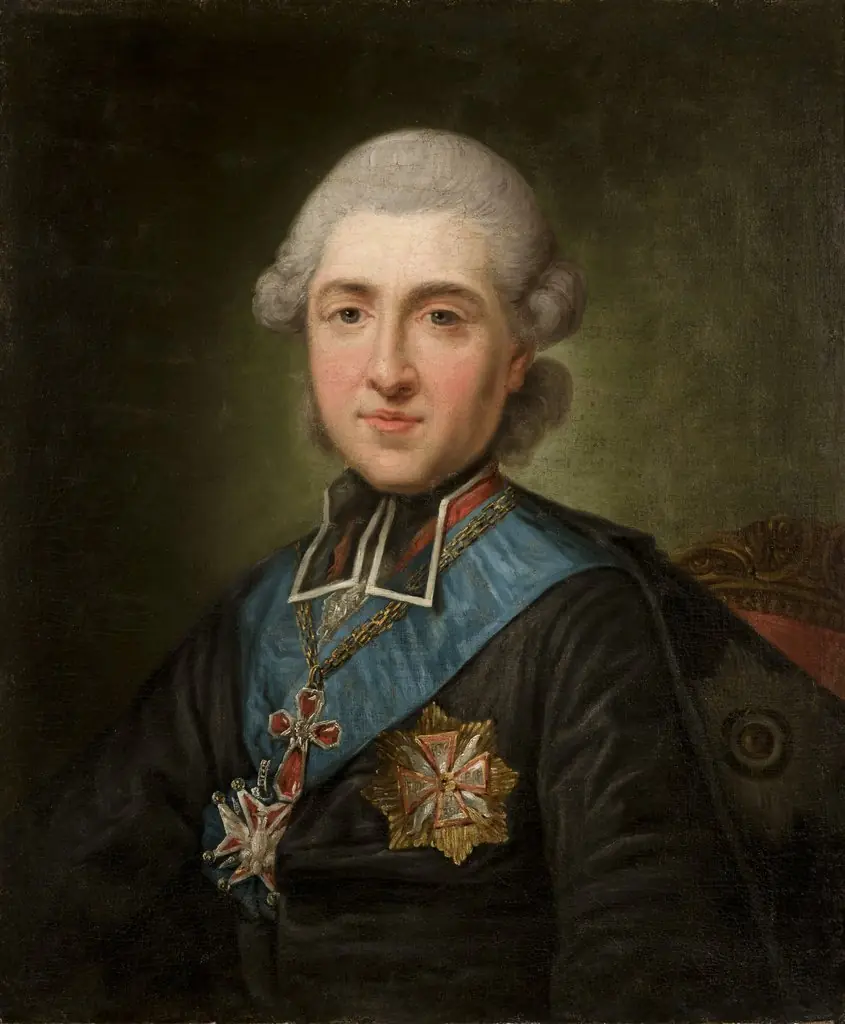 Portrait of Primate Michał Poniatowski
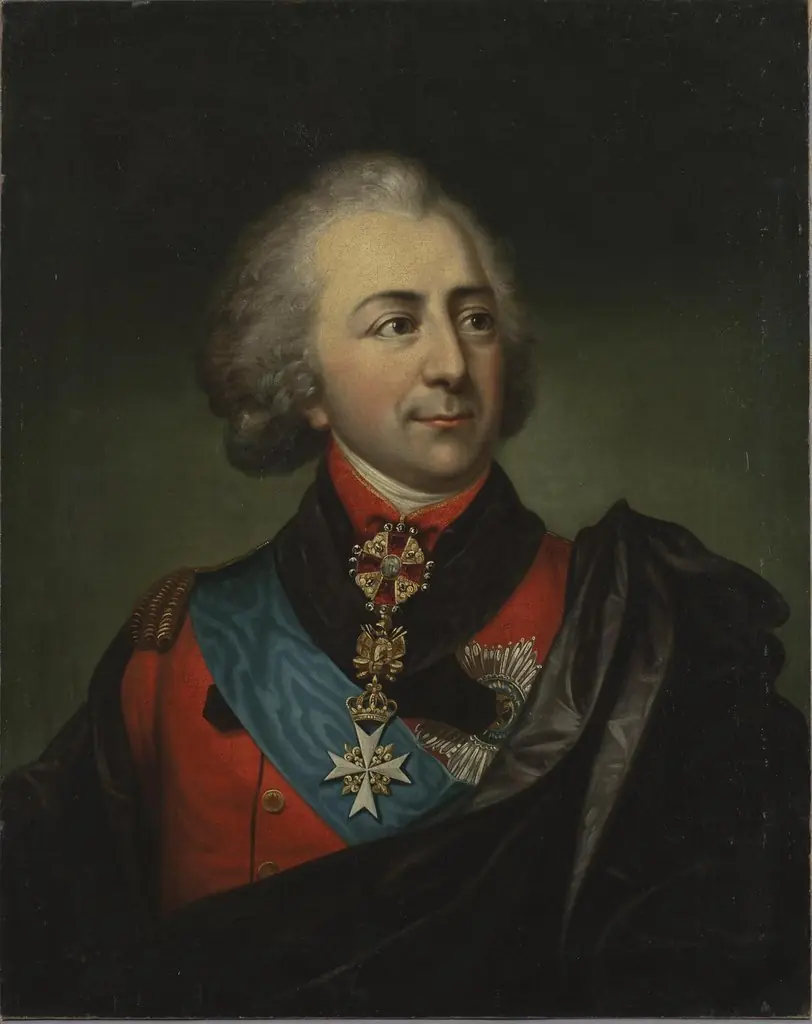 Portrait of Count Ivan Kutaisov
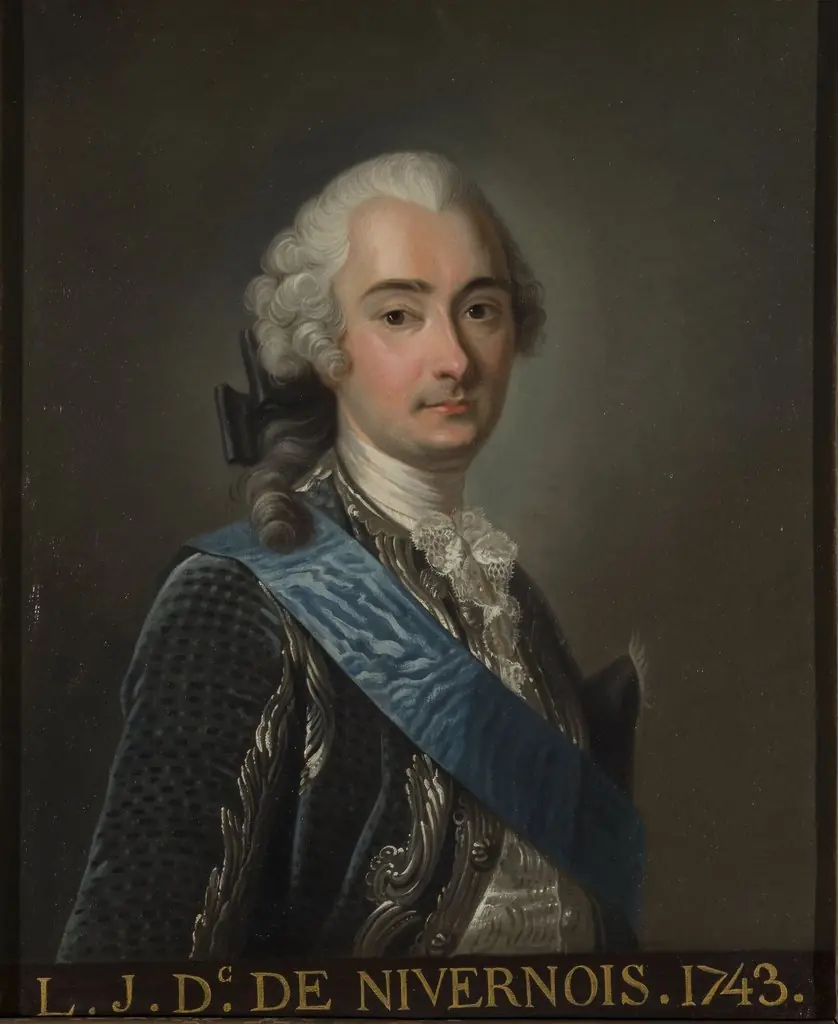 Louis-Jules-Barbon Mancini-Mazarin, Duke of Nivernais (1716-1798)
 Count Gustav Adolph Gotter