Artwork
Gustav III (1746–1792), King of Sweden
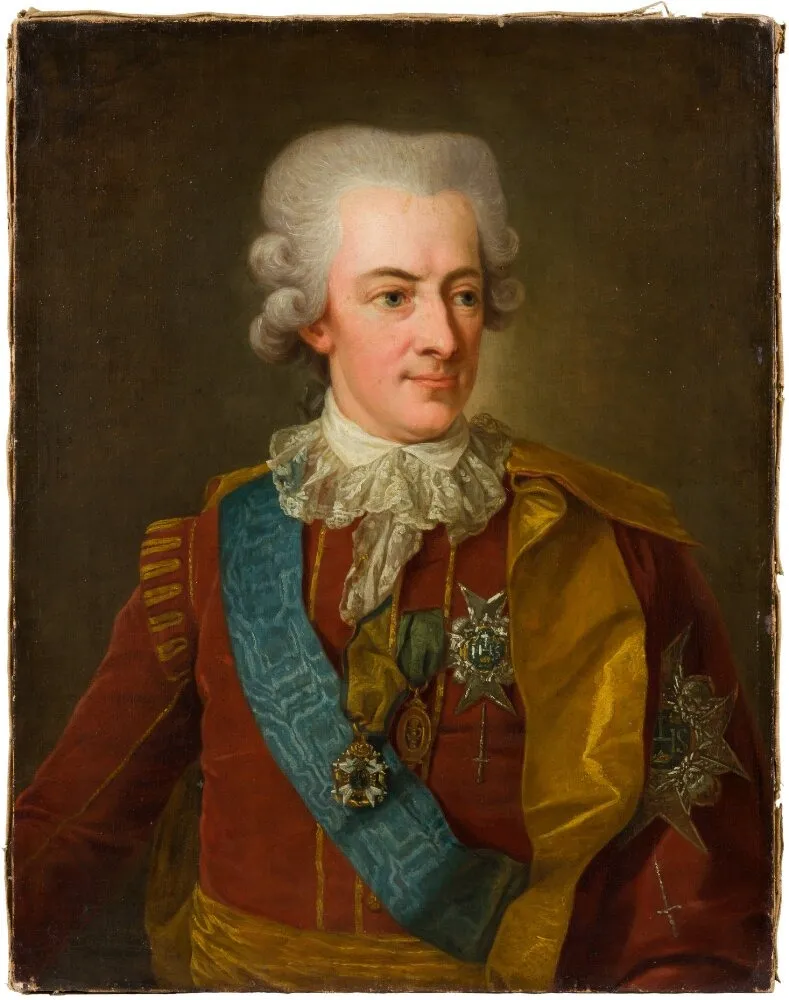
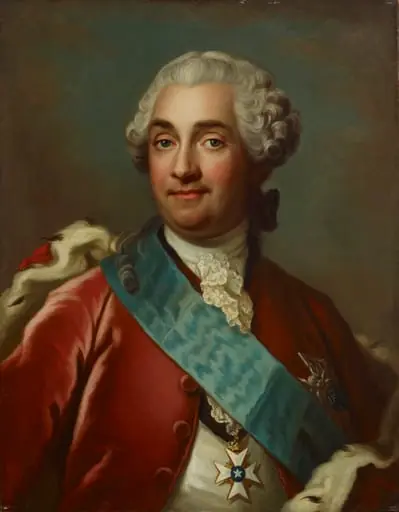
Gustav III (1746–1792), King of Sweden is an oil painting by the Rococo painting artist Per Krafft the Elder. It is held in the collection of the Nationalmuseum. The oil portrait, executed in 1796, presents the late Swedish monarch Gustav III, who reigned from 1771 until his death in 1792.
About this work
Overview
The oil portrait, executed in 1796, presents the late Swedish monarch Gustav III, who reigned from 1771 until his death in 1792. Rendered in a Rococo idiom, the work captures the king in formal attire, emphasizing his regal bearing through a composition that balances colour, light, and decorative detail.
Subject & Meaning
Gustav III is shown with silver‑white hair, a red coat trimmed in gold, and a blue sash that bisects the garment. A white lace collar frames his face, while a gold‑medalled chain rests at his throat, and a yellow cape with a silver star drapes over his left shoulder, signalling his royal status and the symbols of his reign.
Technique & Style
The painter employs a refined chiaroscuro to model the figure, allowing the illuminated fabrics to emerge against a subdued background. Layered glazing and subtle impasto give the textiles a tactile sheen, while the delicate rendering of lace and metalwork reflects the Rococo taste for elegance and ornamental richness.
History & Provenance
Created by Per Krafft the Elder, a prominent Swedish portraitist of the late eighteenth century, the painting entered the Nationalmuseum’s collection, where it remains on display. Krafft’s reputation as a court painter is underscored by this work, which also links him to his artistic progeny, including his son Per Krafft the Younger and daughter Wilhelmina Krafft.
Artist & collection
Artist
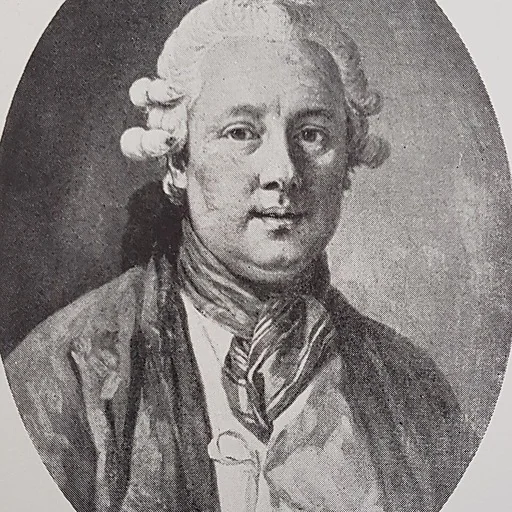
Per Krafft the Elder (16 January 1724 – 7 November 1793) was a Swedish portraitist. He was the father of the artists Per Krafft the Younger and Wilhelmina Krafft.

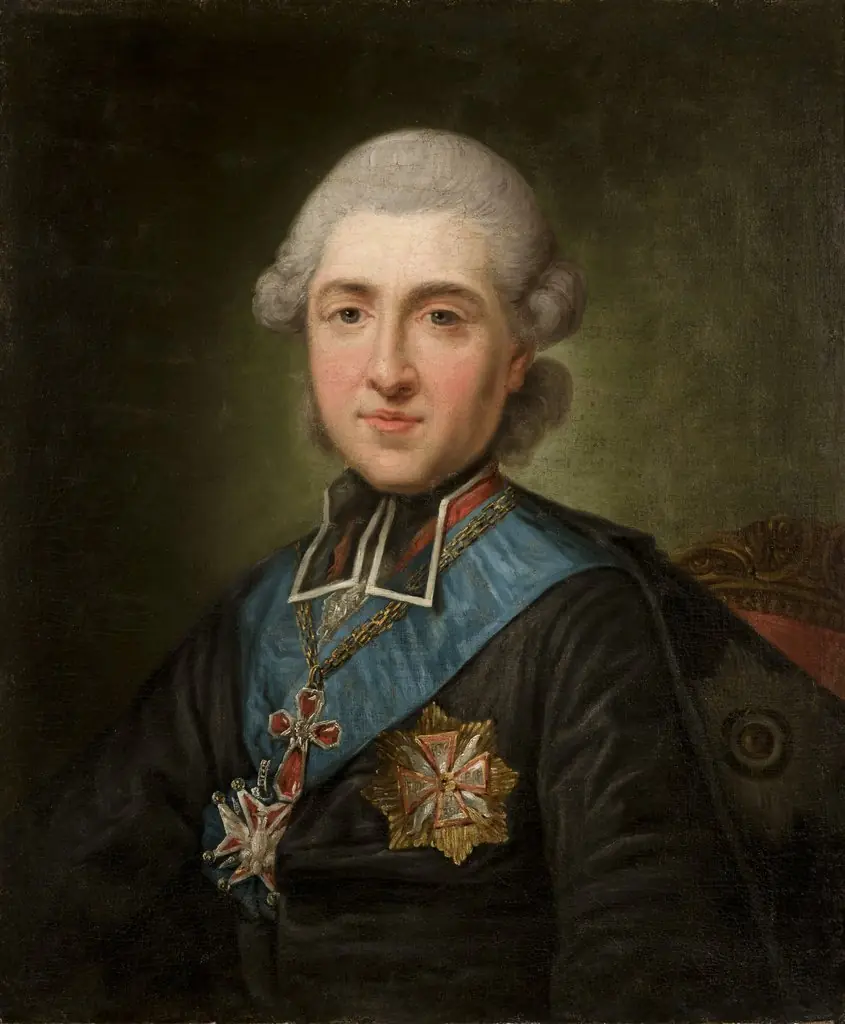 Portrait of Primate Michał Poniatowski
 Valtakunnanneuvos Ulrik Scheffer
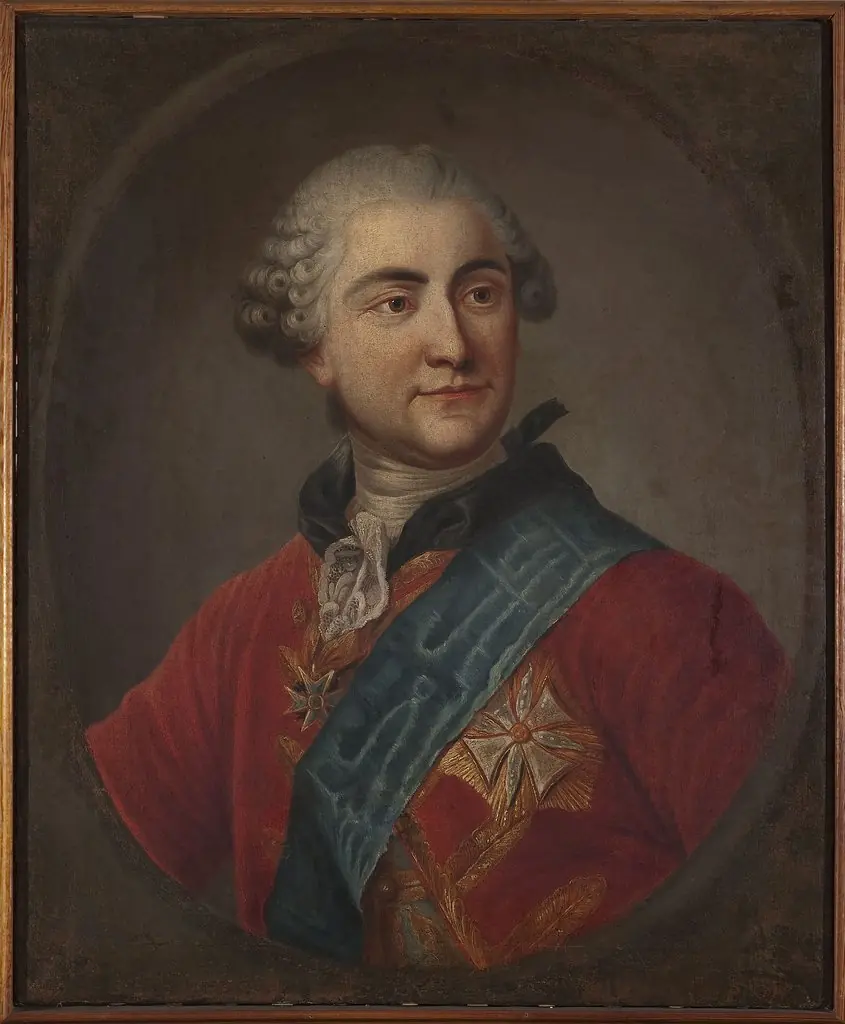 Portrait of Stanisław August Poniatowski
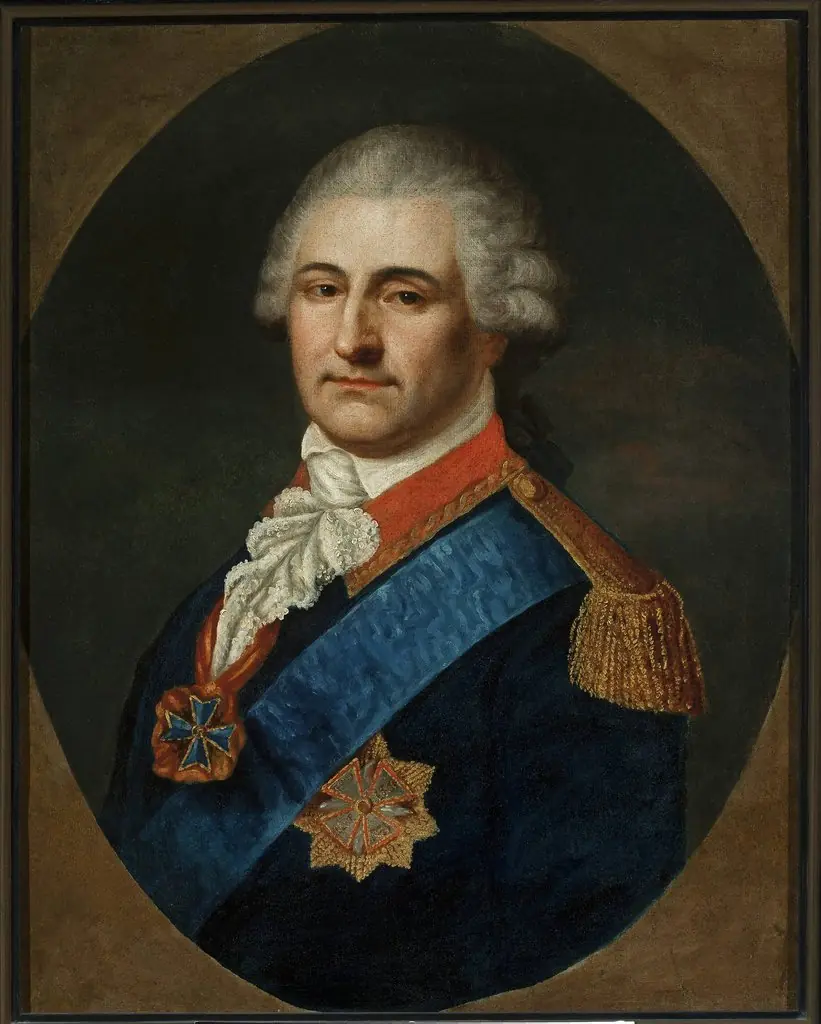 Portrait of Stanisław August Poniatowski in the general’s uniform
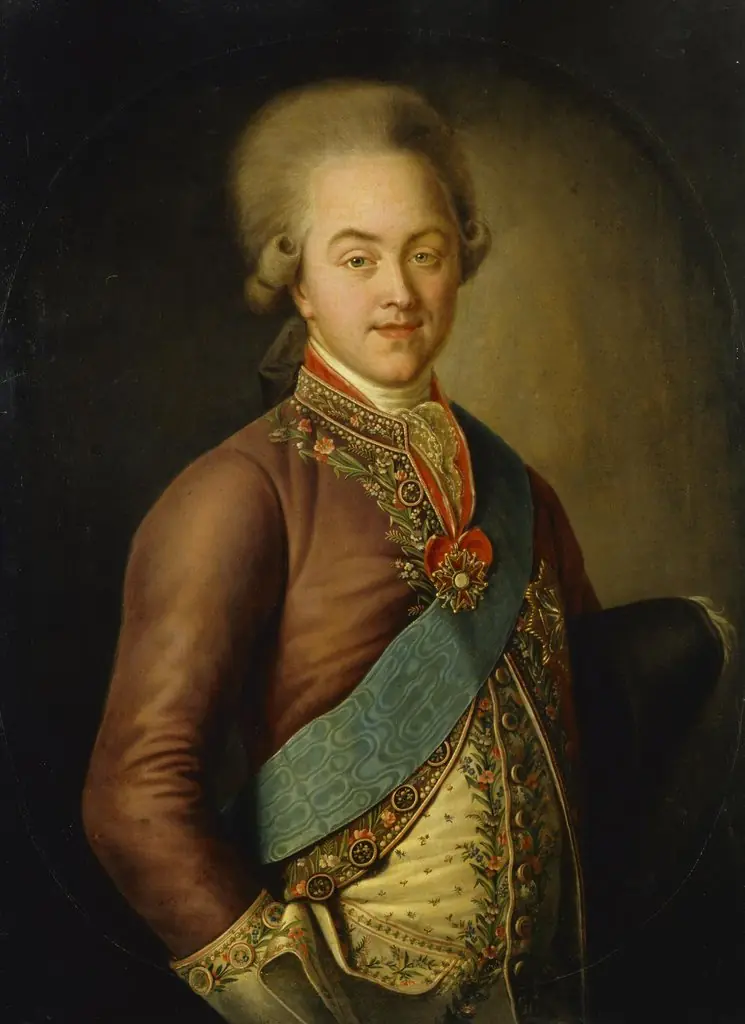 Portrait of Count N.P.Sheremetev
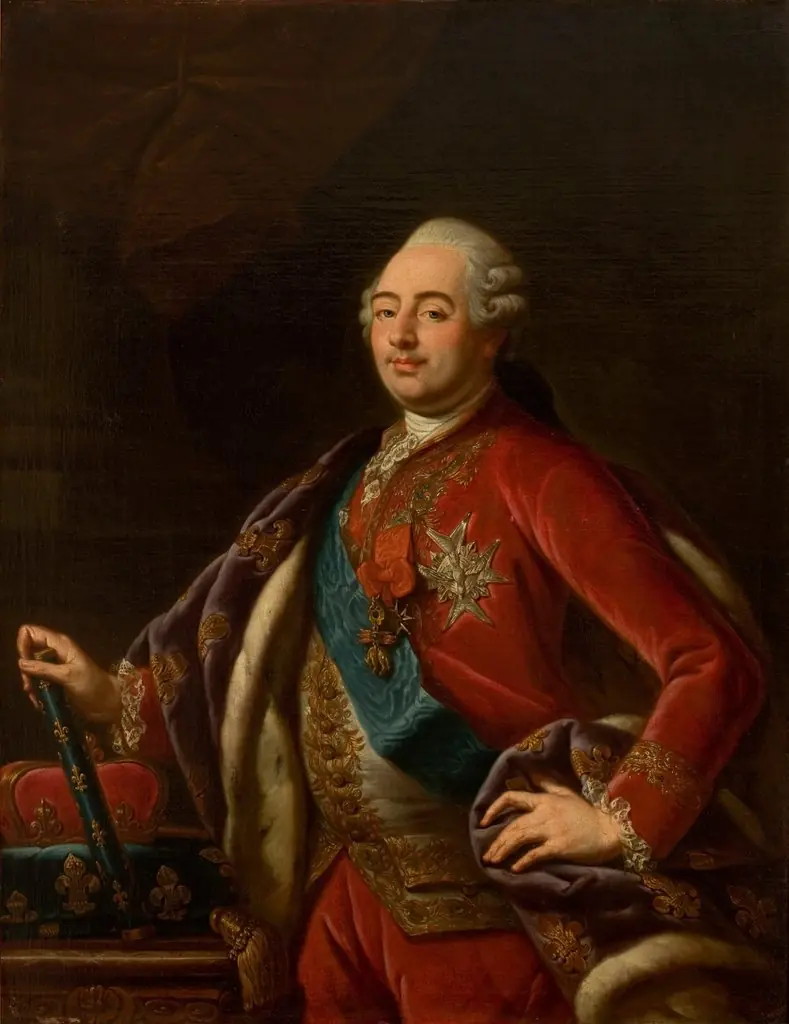 Retrato de Luís XVI
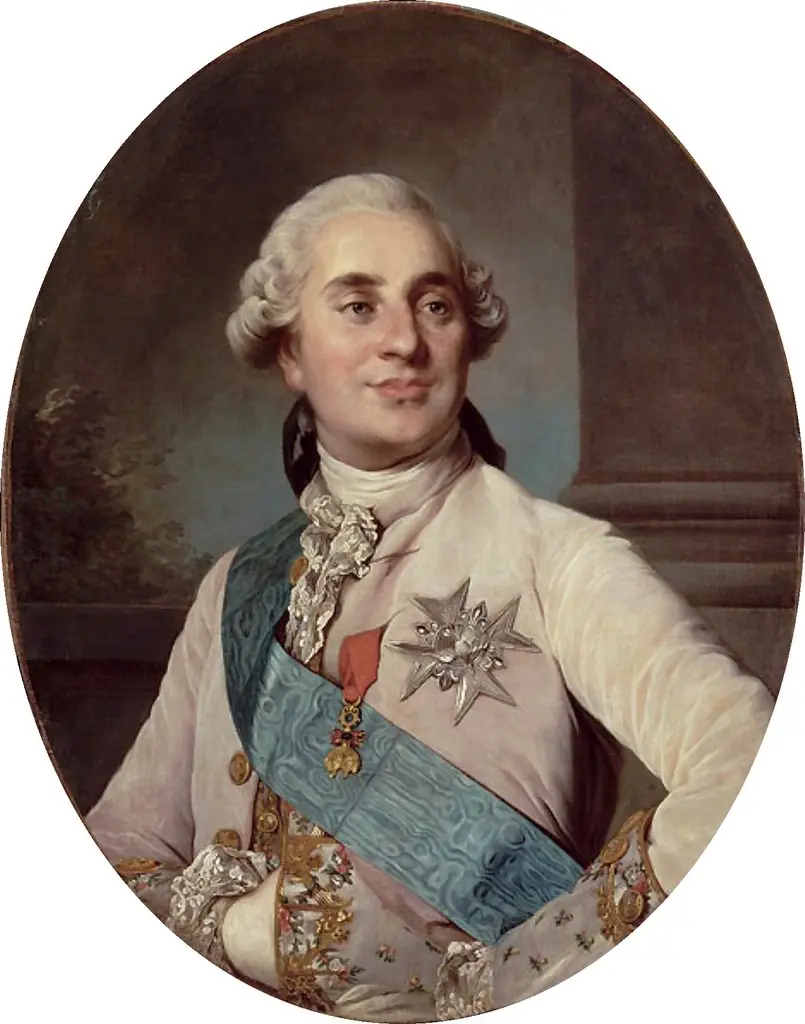 Portrait of Louis XVI, King of France and Navarre (1754-1793)
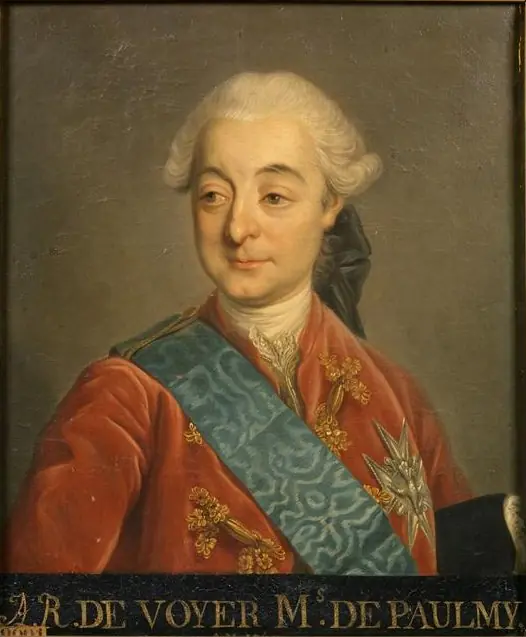 Antoine-René de Voyer de Paulmy, marquis d'Argenson (1722-1787), ministre
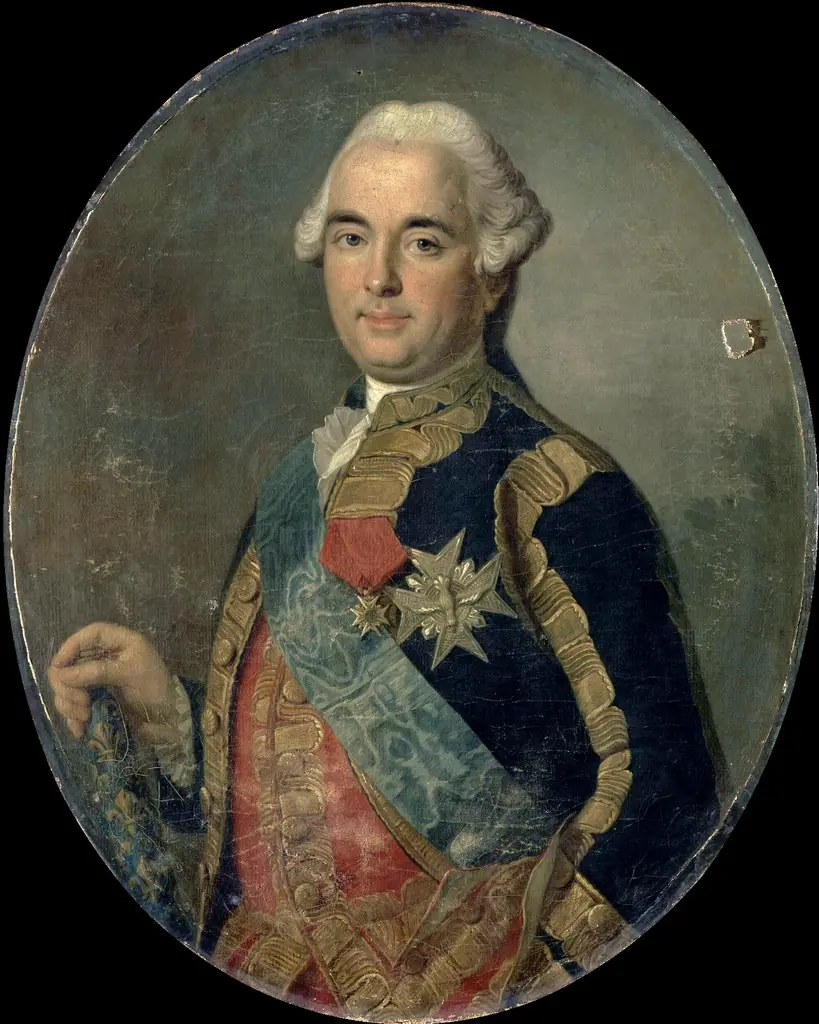 Portrait of Victor-François, 2nd duc de Broglie
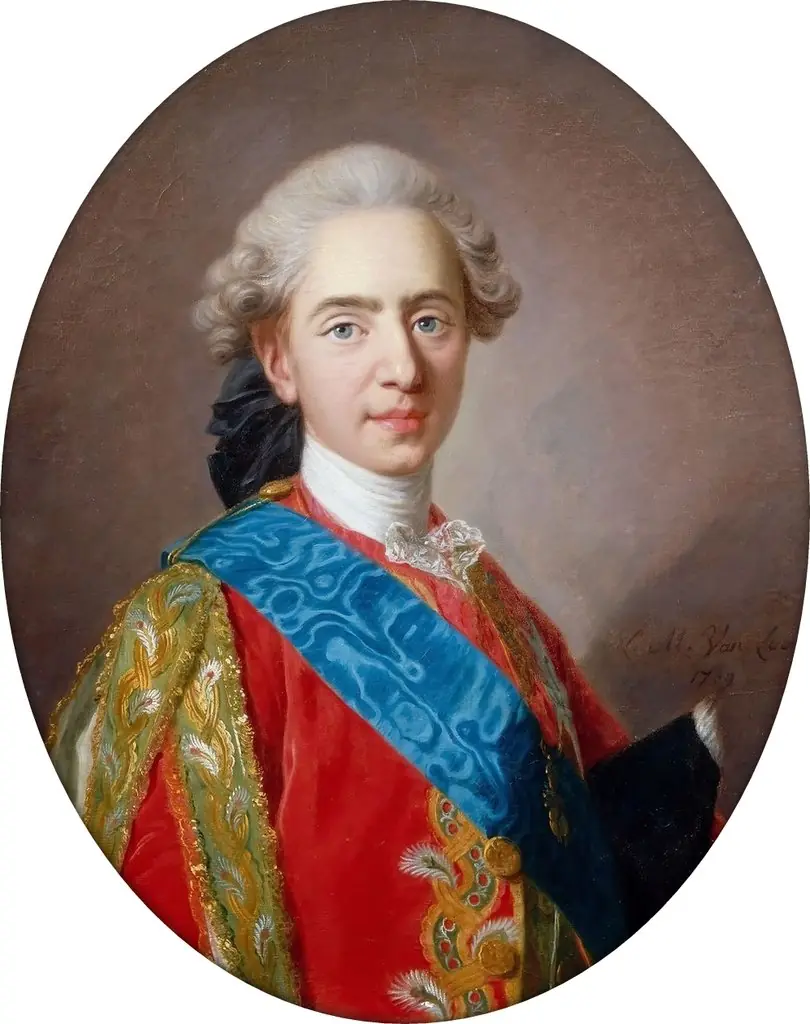 Louis XVI of France when he was the Dauphin of France.
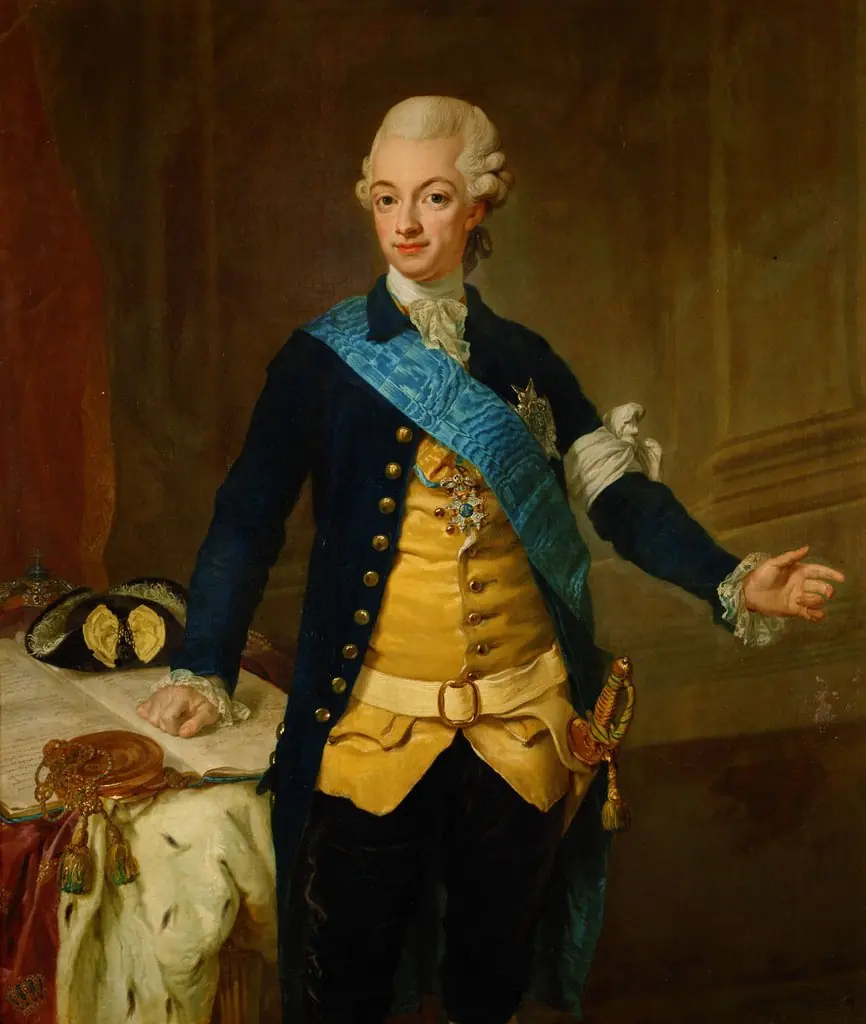 König Gustav III. (1746-1792) von Schweden in Uniform, Kniestück
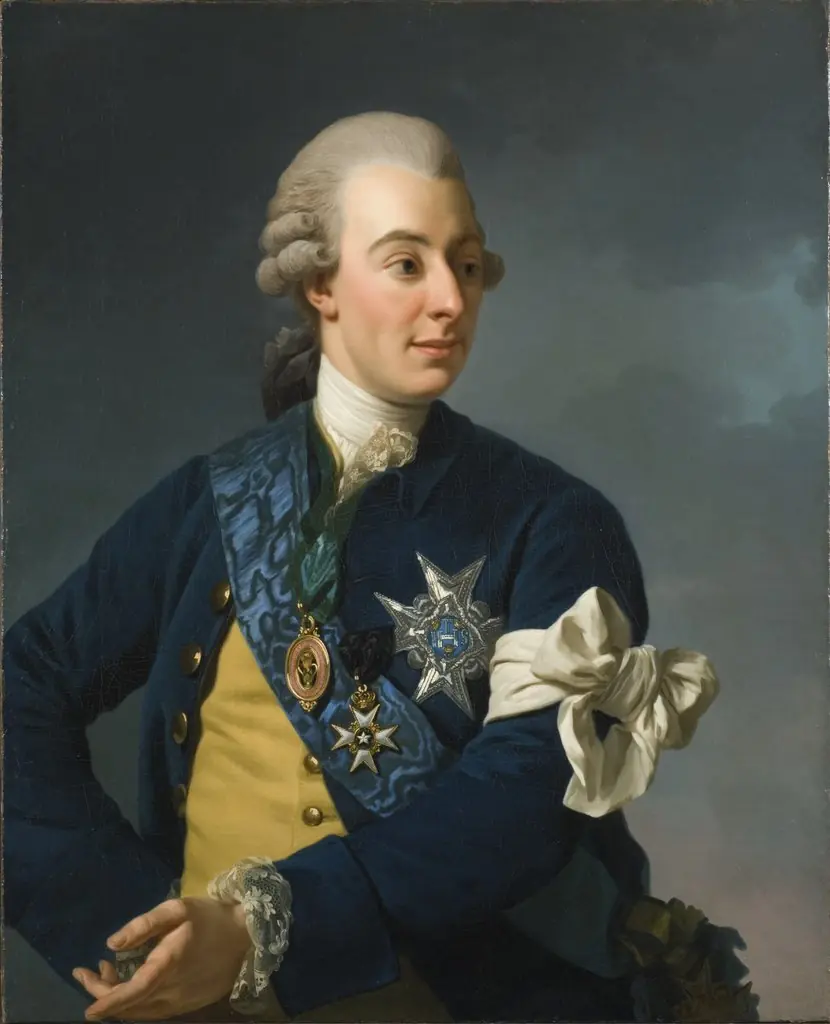 Gustav III with the Armlet of Freedom