Artwork
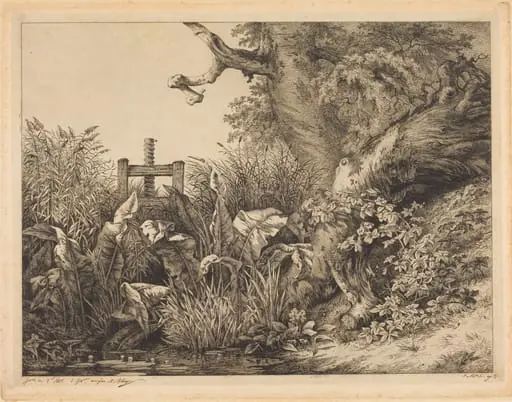
Water Dock and Brambles at a Sluice
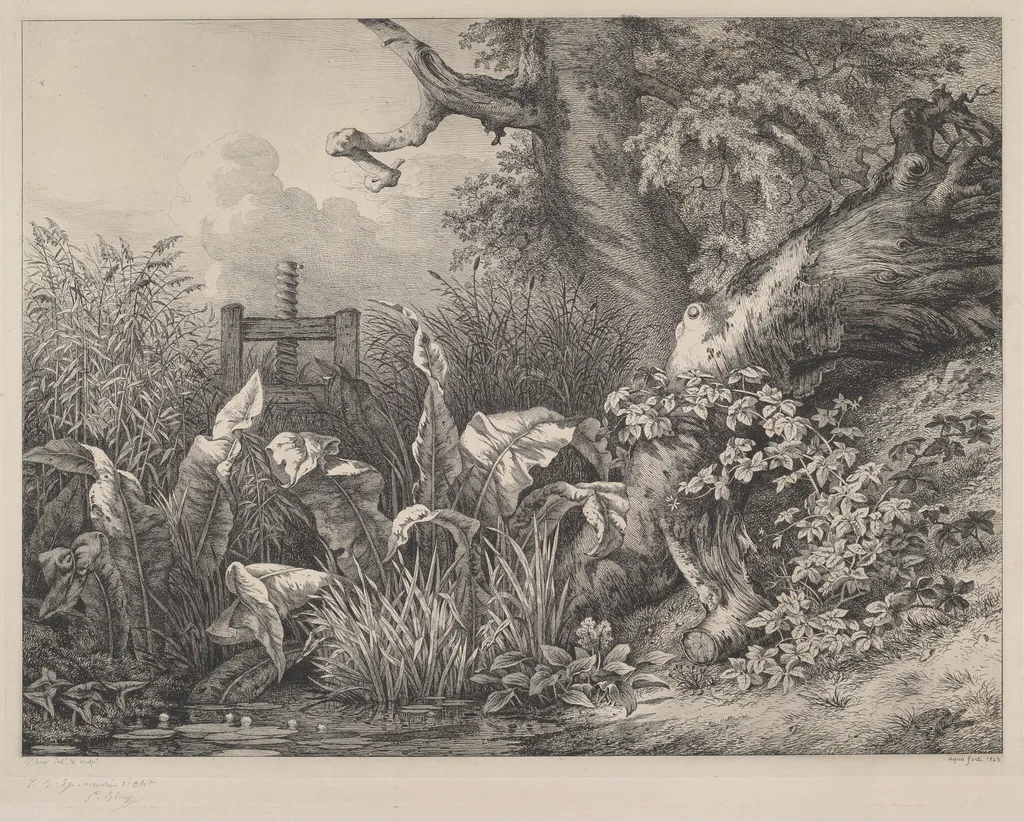
Water Dock and Brambles at a Sluice is an ink print by the Romanticist artist Eugène Bléry. It dates from 1843 and is held in the collection of the National Gallery of Art.
About this work
Overview
A solitary bird watches from a branch, a duckling paddles in shallow water, and another bird stands on the shore, lending the scene a quiet, natural rhythm.
Eugène Bléry’s 1843 print — an etching on chine collé titled *Water Dock and Brambles at a Sluque* — depicts a tranquil, overgrown riverside. A rusted wooden fence and small gate frame the composition, while tall grasses, wildflowers and brambles encroach on the bank. A solitary bird watches from a branch, a duckling paddles in shallow water, and another bird stands on the shore, lending the scene a quiet, natural rhythm.
Subject & Meaning
The work captures a moment of unmanicured nature reclaiming a human‑made structure, suggesting the passage of time and the resilience of the landscape. The juxtaposition of the decaying fence with thriving vegetation hints at the coexistence of the built environment and the wild, while the presence of birds adds a subtle narrative of observation and life within this liminal space.
Technique & Style
Bléry employed fine, incised lines characteristic of etching, rendering each leaf, blade of grass, and texture with meticulous care. The chine collé support provides a smooth, thin paper surface that enhances the contrast between the dark, densely rendered trees in the background and the lighter, open water area. This delicate line work creates a sense of depth and atmospheric clarity without reliance on heavy tonal shading.
History & Provenance
Created in 1843, the print belongs to the mid‑nineteenth‑century French printmaking tradition, a period when artists explored the possibilities of etching on innovative supports such as chine collé. While specific ownership records are limited, the work is documented in catalogues of Bléry’s oeuvre and appears in collections that focus on early modern European prints, reflecting its continued relevance to scholars of the era.
Own this work as a print
Artist & collection


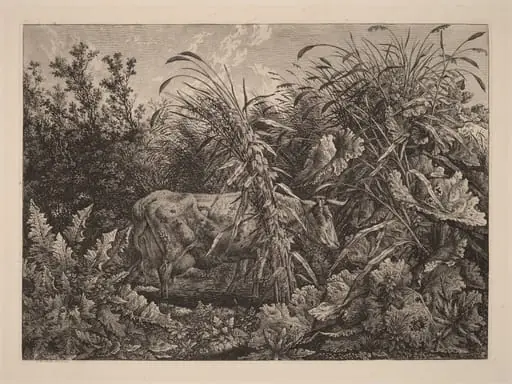 The Cow in the Swamp
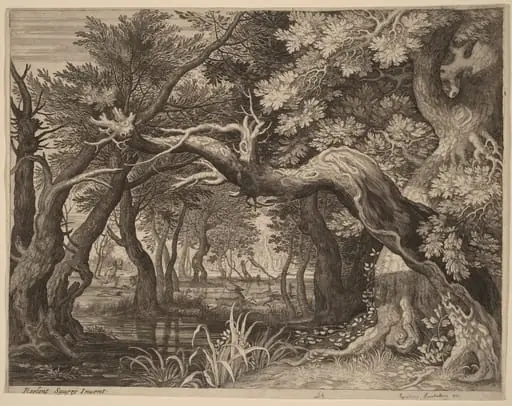 Stag Hunt near a Pool
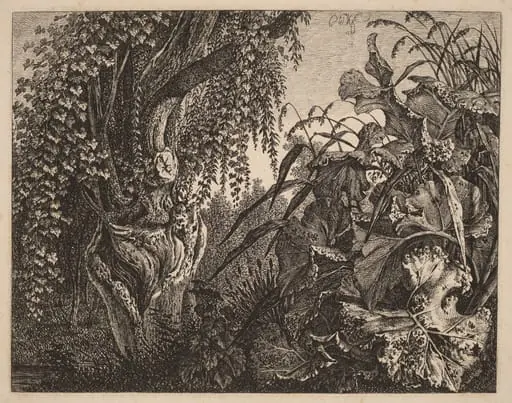 A Thicket; a Gnarled Willow Tree at Left, a Thicket of Vegetation at Right
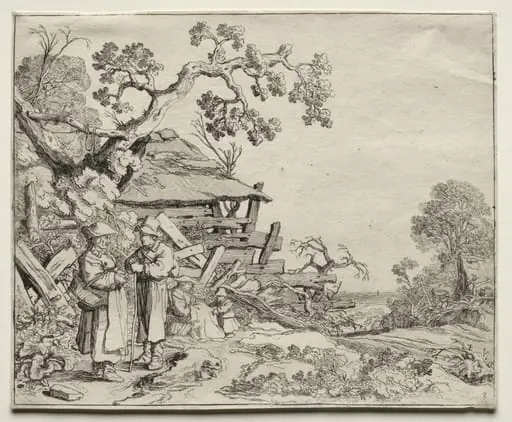 Landscape with Two Peasants Conversing
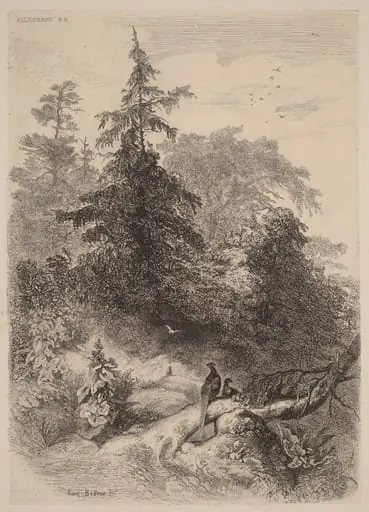 Les Faisans
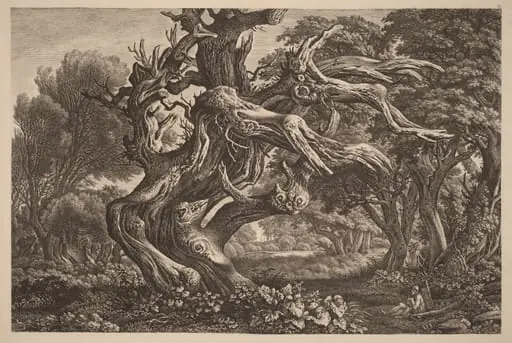 A Dead Oak Tree
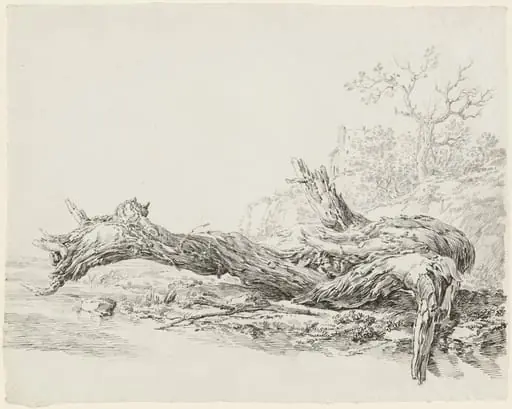 An Ancient Tree Fallen Beside a Stream
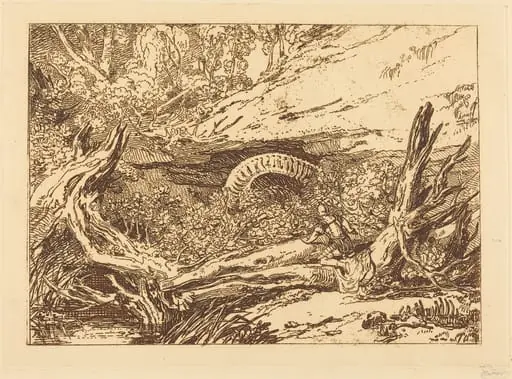 Jason
Jason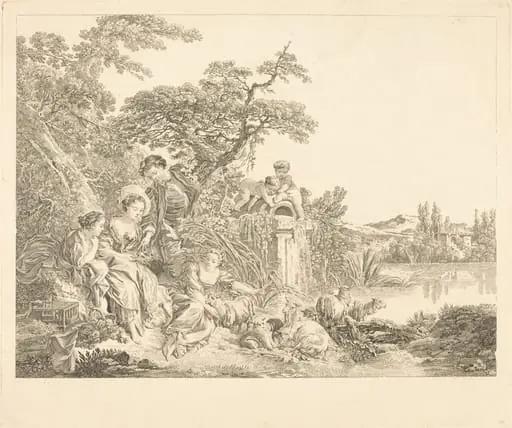 Les présents du berger
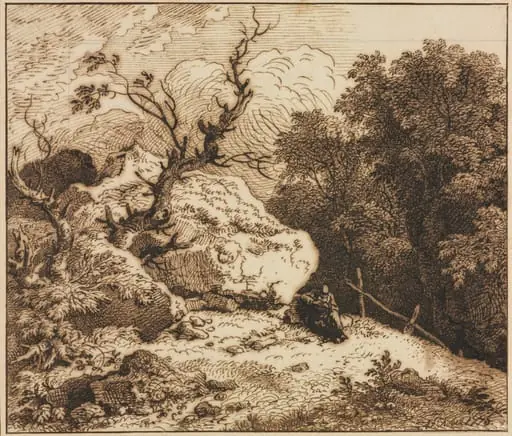 Hermit in a Wooded Landscape
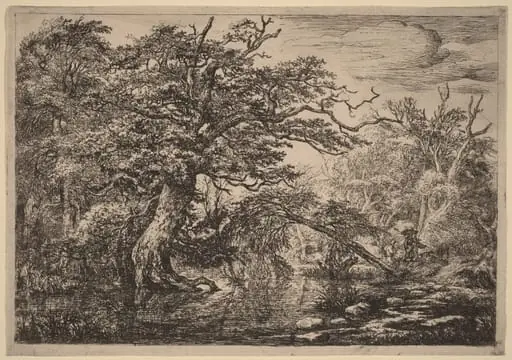 A Forest Marsh with Travelers on a Bank (The Travelers)