Artwork
Untitled
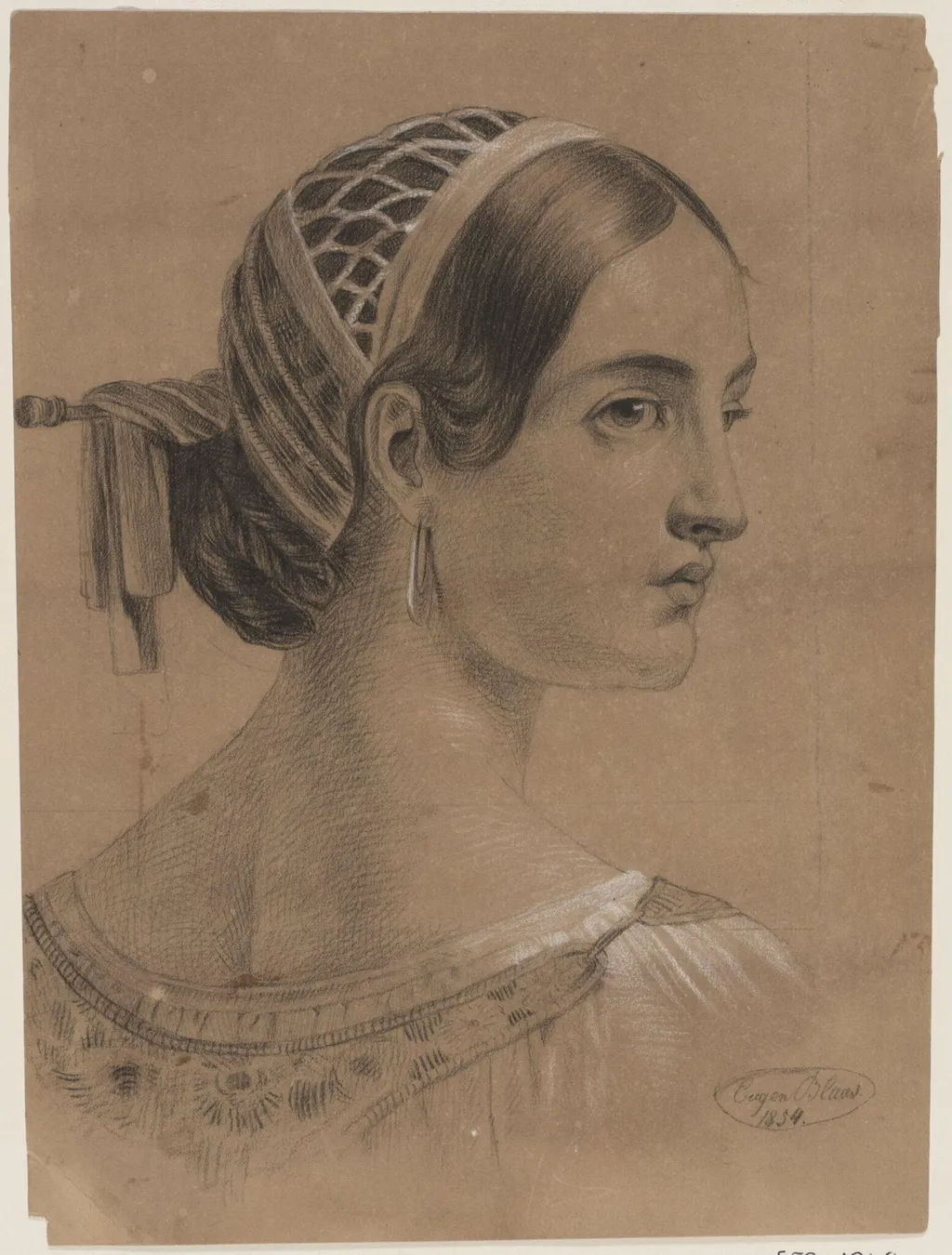
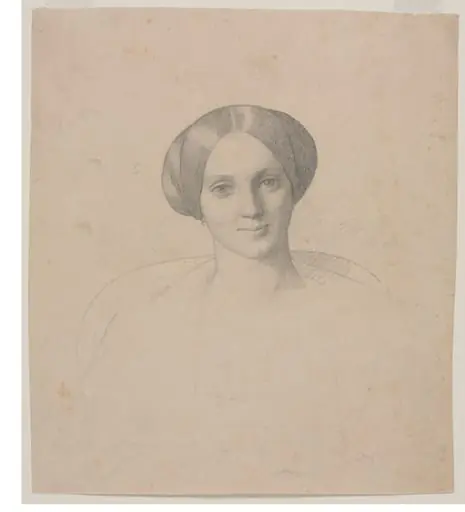
Untitled is a drawing by the Impressionist artist Eugen von Blaas. It dates from 1854 and is held in the collection of the Victoria and Albert Museum. A delicate pencil drawing from 1854 captures a young woman in profile, her head turned slightly to the right.
About this work
This sketch shows a woman’s head turned slightly away, her hair pulled back under a lace cap tied under her chin.
This sketch shows a woman’s head turned slightly away, her hair pulled back under a lace cap tied under her chin. A simple earring glints in her ear, and the collar of her dress has a scalloped edge with tiny stitches drawn in. The paper has a warm, aged tone, and the lines are loose but careful, like quick notes.
The artist signed it in the corner with the year *1854*—way before Impressionism really took off. That’s odd for a style this sketch-happy.
Look up cross-hatching to see how artists build shadows with just lines.
Overview
A delicate pencil drawing from 1854 captures a young woman in profile, her head turned slightly to the right. Rendered on warm-toned paper, the work conveys intimacy through restrained lines and subtle tonal variations. The artist signed and dated the piece in the lower corner, marking it as an early example of sketch-like precision predating the rise of Impressionism.
Subject & Meaning
The figure is identified only by her posture and attire: a lace cap tied beneath the chin, a single earring, and a dress collar edged with fine scallops. These details suggest modesty and quiet dignity, possibly a domestic or familial portrait. The absence of context invites focus on the individual’s presence rather than narrative, emphasizing quiet observation over storytelling.
Technique & Style
Loose yet deliberate pencil strokes build form through light cross-hatching and fine linear accents. The scalloped collar and lace cap are rendered with meticulous stitch-like marks, while the earring catches attention with a single highlight. The paper’s aged tone enhances depth, and the overall approach balances spontaneity with control, revealing a hand attuned to subtle texture and light.
History & Provenance
Dated 1854, the drawing predates the formal emergence of Impressionist techniques, making its sketch-like freedom unusual for the period. Its survival suggests it was preserved as a personal study rather than a finished work. No documented exhibition or ownership history is known, leaving its origin and intended audience open to interpretation.
Context
In mid-19th-century Europe, detailed portraiture dominated academic circles, yet private sketches often revealed more experimental approaches. This drawing aligns with a quiet tradition of observational studies made outside formal commissions, possibly by an artist exploring light, texture, and gesture before the broader shift toward modernist sensibilities.
Legacy
Though unsigned by a widely recognized name, the drawing stands as a quiet testament to the value of informal study in an era dominated by polished finishes. Its sensitivity to detail and willingness to embrace imperfection anticipate later artistic movements, offering a glimpse into the private practice that often preceded public innovation.
Own this work as a print
Artist & collection

Artist
Eugene de Blaas, also known as Eugene von Blaas or Eugenio Blaas, was an Italian painter in the school known as Academic Classicism.

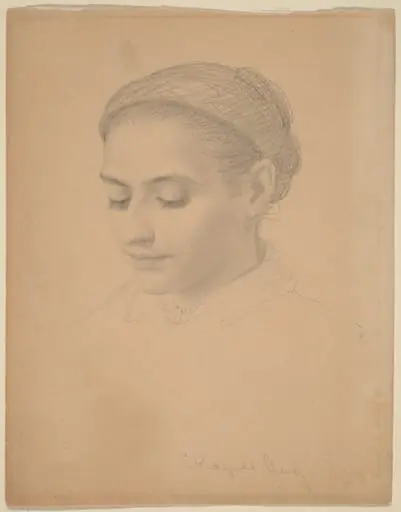 Head of a Young Woman
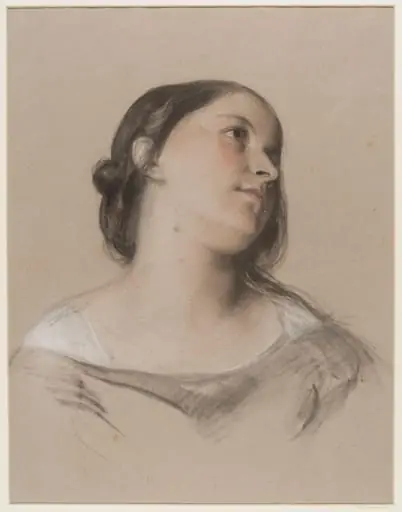 The Brunette, Female Head
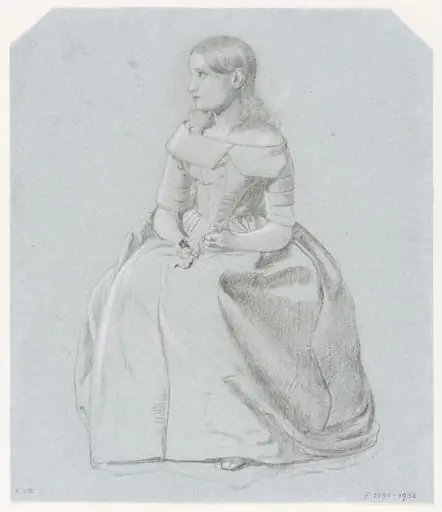 Study of a young woman seated
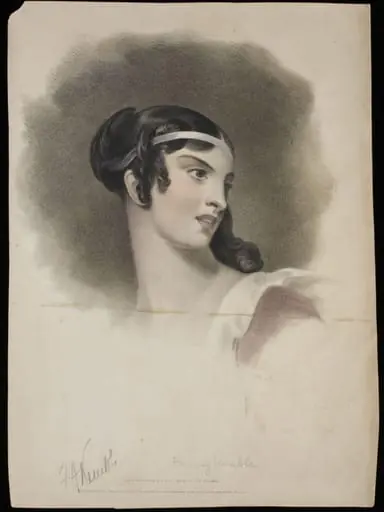 H Beard Print Collection
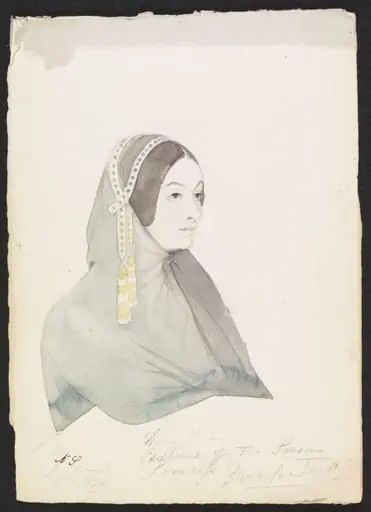 Costume of the Persian Princess Broussa Turkey
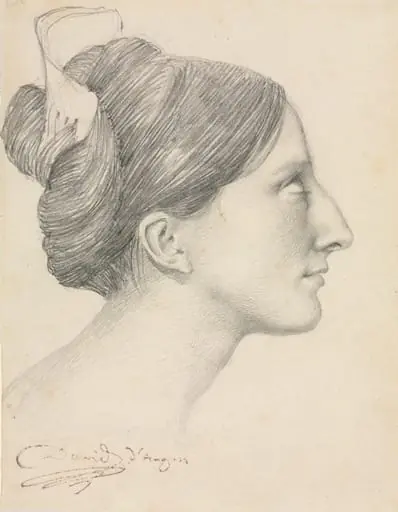 Head of a Woman in Profile (George Sand)
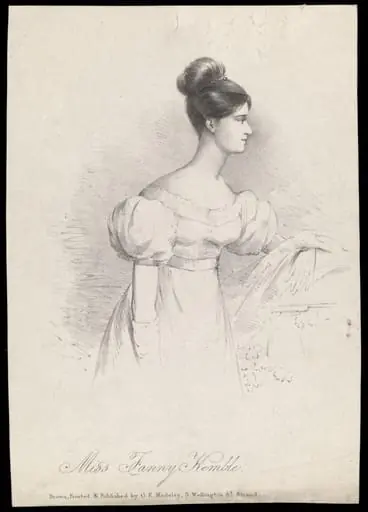 H Beard Print Collection
 Portrait of a Woman
 'Marie Taglioni'
 The Blonde, Female Head
 Head of a Woman (Theresa Turner?)
 Portrait Head of a Woman