Artwork
Head of a Woman (Theresa Turner?)
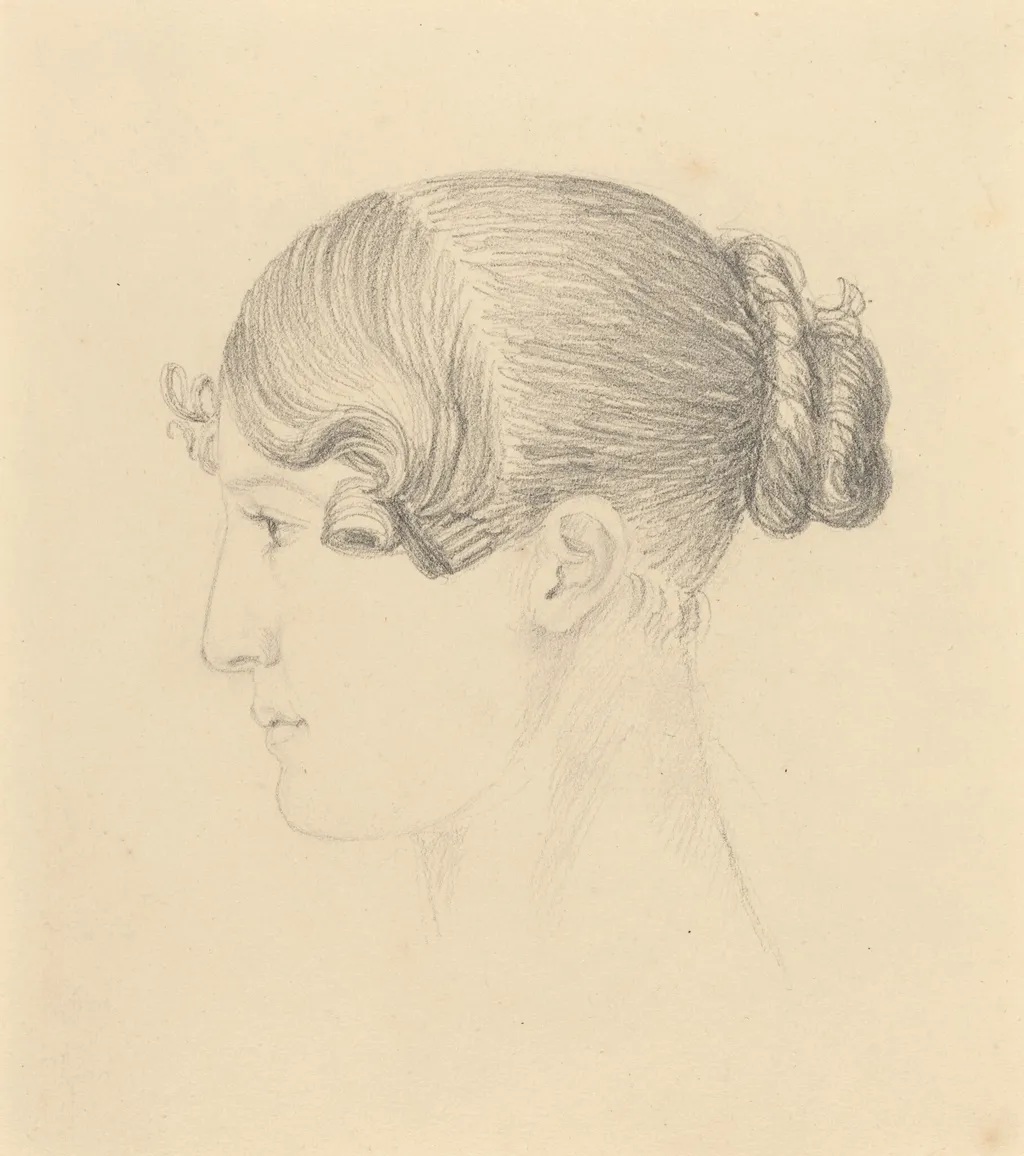
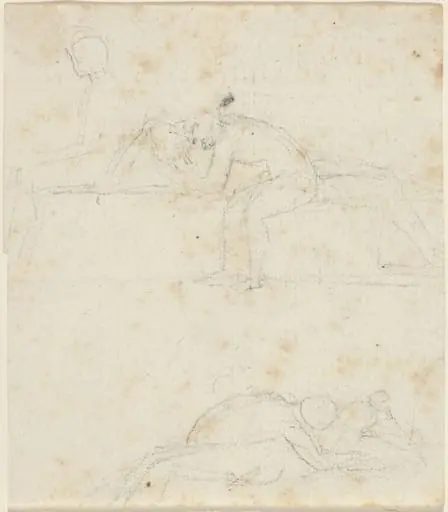
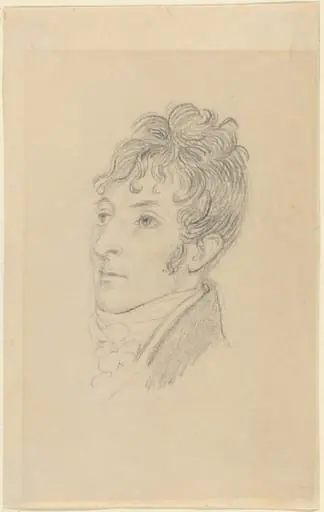
Head of a Woman (Theresa Turner?) is a graphite drawing by the Romanticist artist John Flaxman. It dates from 1790 and is held in the collection of the National Gallery of Art. Head of a Woman (Theresa Turner?
About this work
Overview
Head of a Woman (Theresa Turner?), a graphite drawing on wove paper, dates to 1790, a period of John Flaxman's engagement with Neoclassicism. The work showcases the artist's draughtsmanship, reflecting his transition from modeller for Josiah Wedgwood to a prominent Neoclassical figure in British and European art.
Subject & Meaning
The drawing depicts a woman's head turned slightly away, with hair pulled back into a loose bun. While potentially identified as Theresa Turner, the subject's identity is tentative. The portrayal emphasizes subtle, naturalistic expression over explicit detail.
Technique & Style
Flaxman employed soft, sketchy lines and varied graphite strokes to convey light, shadow, and the softness of hair and skin. The warm, off-white paper enhances the delicate, expressive quality of the drawing, characteristic of a more nuanced, emotive approach.
Context
Although created during Flaxman's Neoclassical period, the drawing's emphasis on natural forms and emotion aligns with burgeoning Romanticist tendencies. This blend reflects the artistic transitional period of the late 18th century.
History & Provenance
Originally part of John Flaxman's output from his active Neoclassical phase, the drawing's specific provenance history is not detailed here. Its creation followed Flaxman's apprenticeship with Josiah Wedgwood, influencing his later sculptural and draughtsmanship styles.
Legacy
This sketch contributes to understanding Flaxman's influence on contemporary and subsequent art, particularly in bridging Neoclassical precision with Romantic expressiveness. For broader insight into Flaxman's impact, see the artist's overall oeuvre.
Artist & collection
Artist
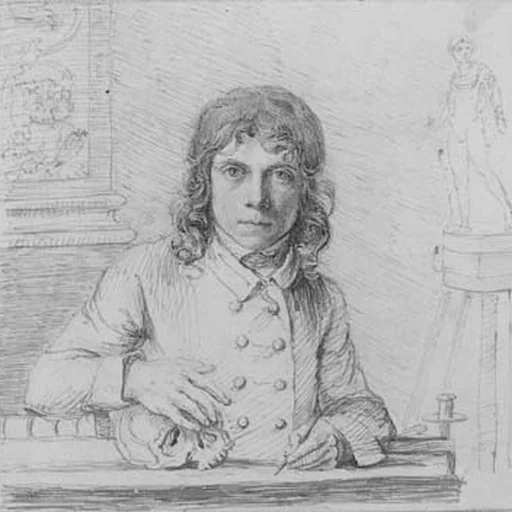
John Flaxman (6 July 1755 – 7 December 1826) was an English sculptor and draughtsman who was a leading figure in British and European Neoclassicism.

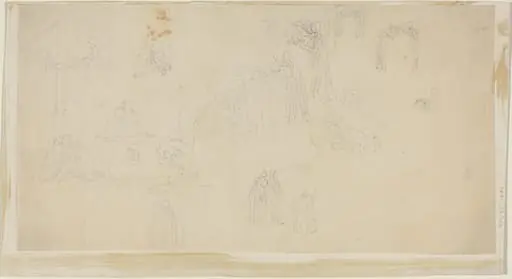
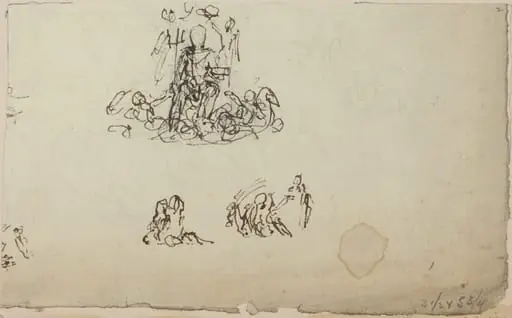
 Head of a Woman (verso)
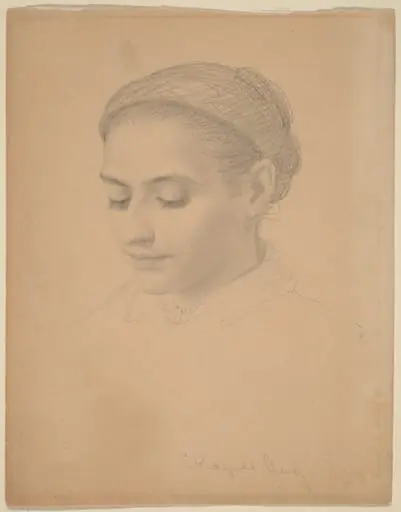 Head of a Young Woman
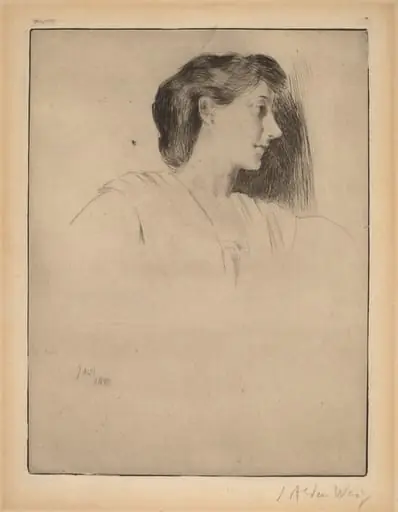 Profile Head of a Woman
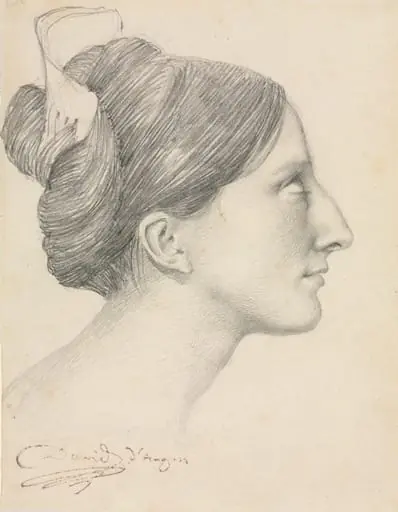 Head of a Woman in Profile (George Sand)
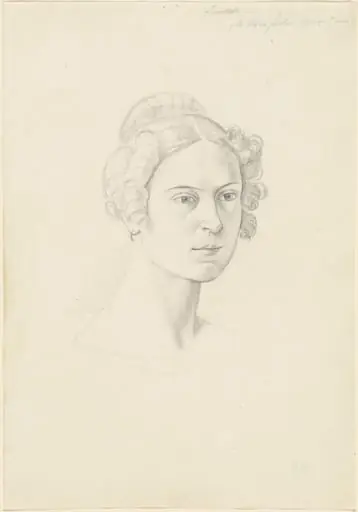 Giuseppina Massimi, Principessa Lancellotti di Lauro
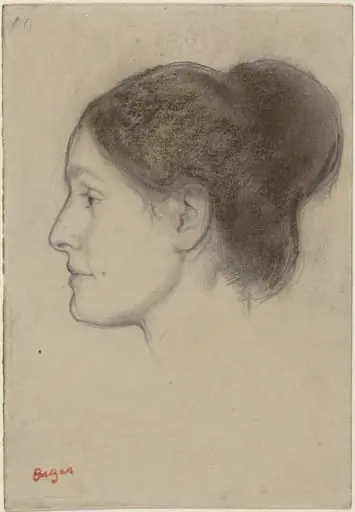 Hortense Valpinçon
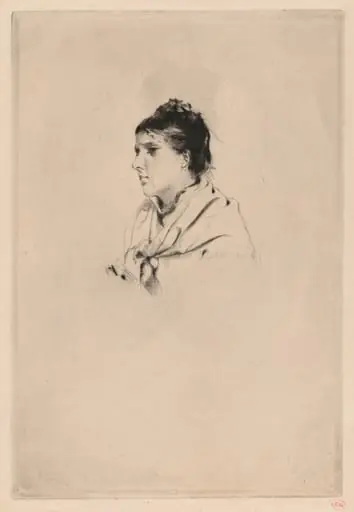 Bust of an Italian Woman
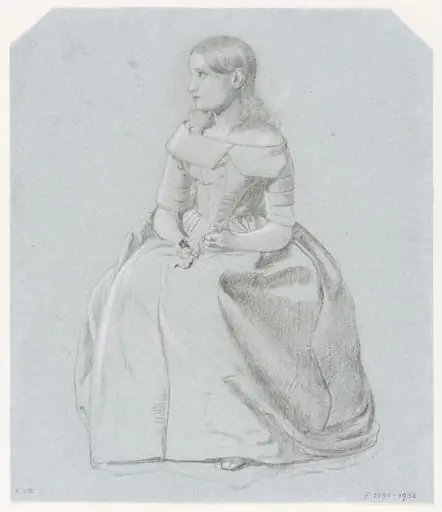 Study of a young woman seated
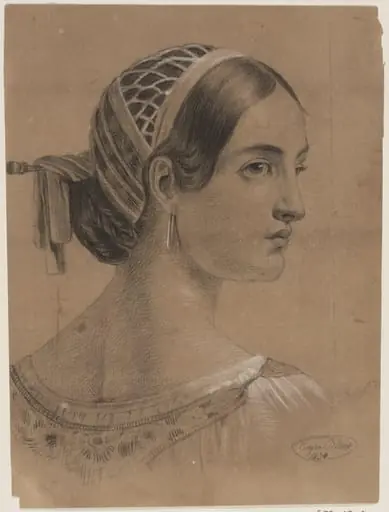 Untitled
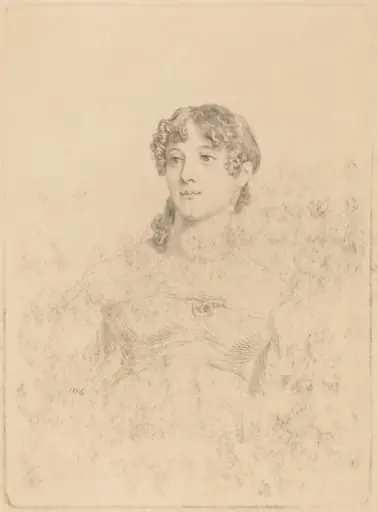 Lady Maria Hooker When Miss Turner at Age Seventeen
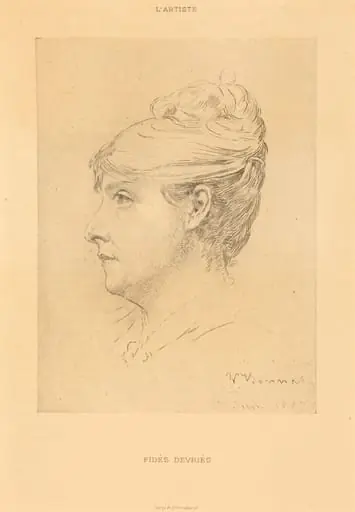 Fidès Devriès
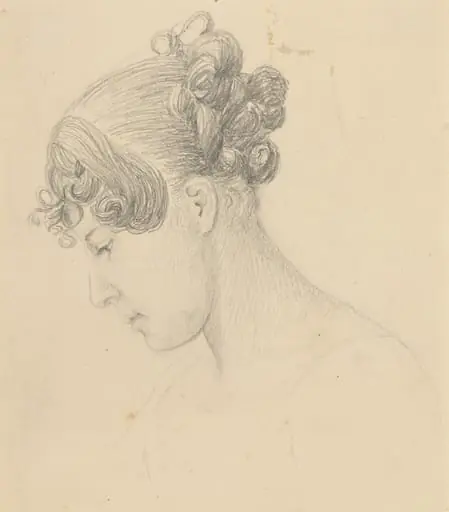 Head of a Woman Looking Down (Theresa Turner?)