Artwork
Colinet Mocked by Two Boys
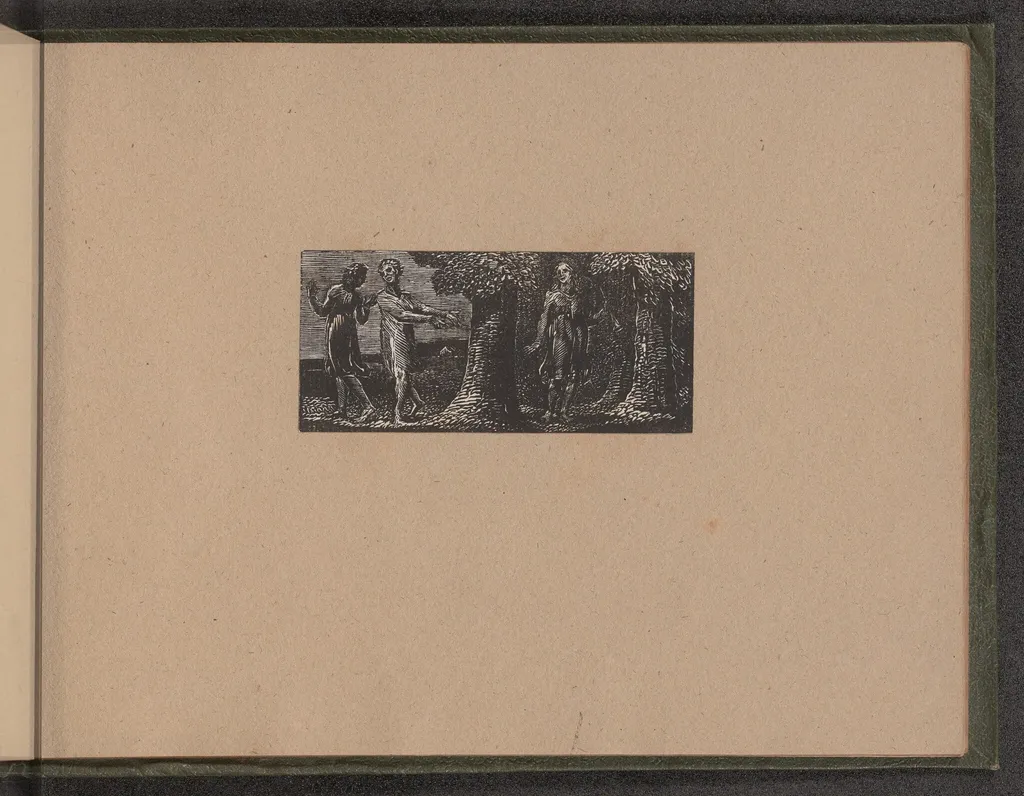
Colinet Mocked by Two Boys is an ink print by the Romanticist artist William Blake. It dates from 1821 and is held in the collection of the National Gallery of Art.
About this work
Overview
Colinet Mocked by Two Boys is a 1821 wood engraving by William Blake, a London-based Romantic-era artist known for symbolically rich, imaginative works that often combined text and image.
Subject & Meaning
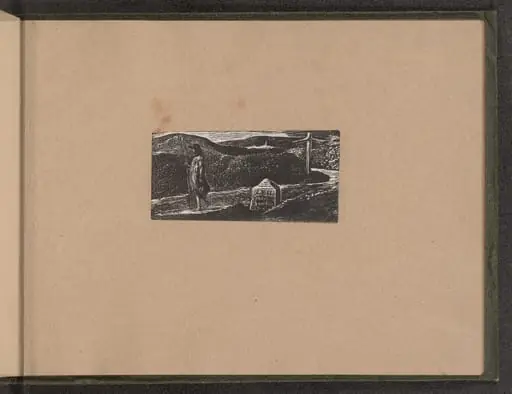
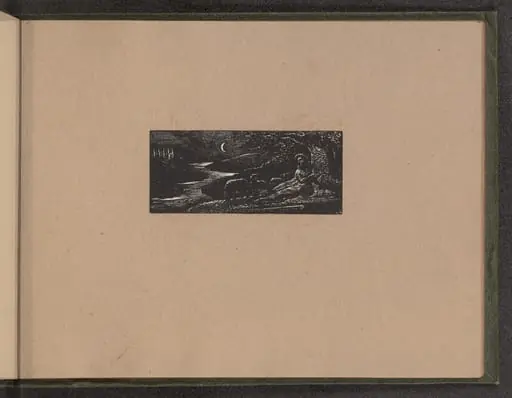
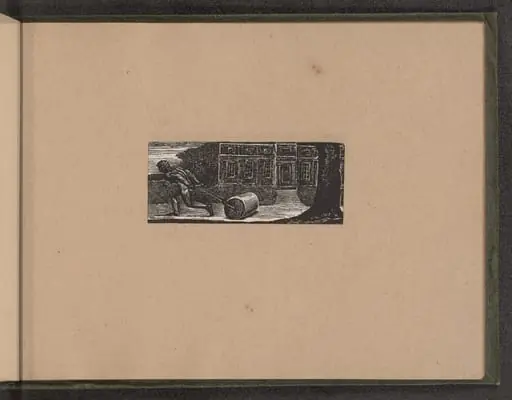
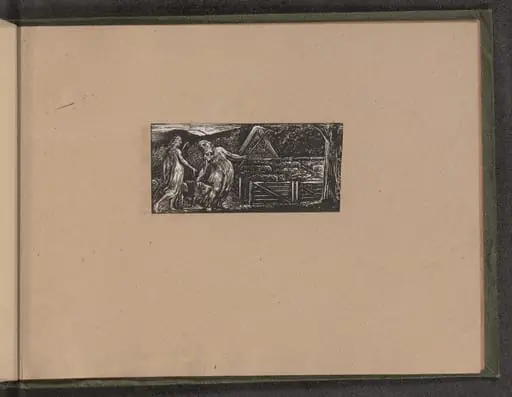
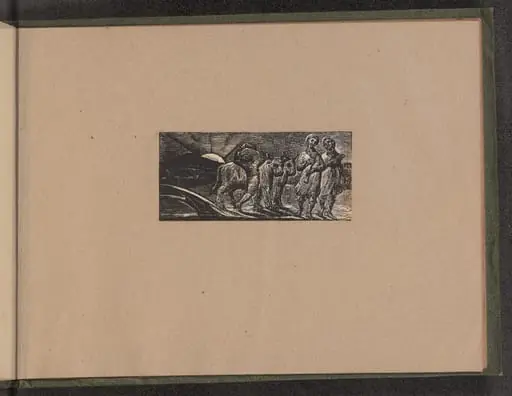
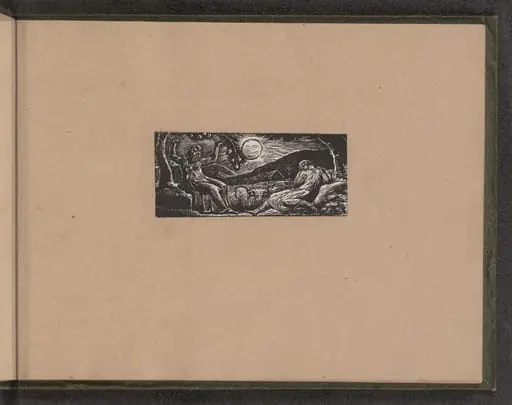
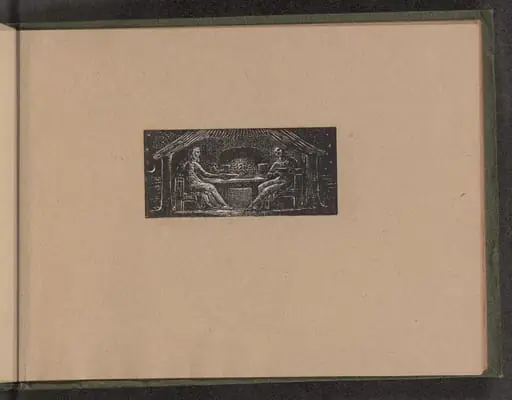
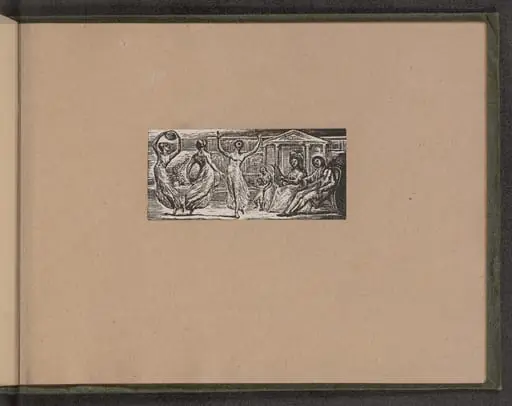
The engraving depicts a dramatic scene of humiliation: two boys mock a central figure, Colinet, who stands with arms outstretched and head tilted back in distress. The sparse background amplifies the emotional tension between the figures.
Technique & Style
Blake's wood engraving technique achieves remarkable detail and texture. Expressive, fine lines convey movement and energy in the figures, while pronounced light-dark contrast adds depth to the composition.
History & Provenance
Created during Blake's later years, this work reflects his consistent yet underrecognized practice during his lifetime of producing intricate, imaginative artworks.
Context
Characteristic of Blake's Romantic-era output, the piece emphasizes emotional intensity and the power of imagination, though its specific narrative context remains unclear without accompanying text, highlighting Blake's broader tendency to intertwine visual and literary elements.
Legacy
As part of Blake's oeuvre, Colinet Mocked by Two Boys contributes to the posthumous recognition of his innovative merging of poetic and visual arts, influencing later artists in both mediums.
Artist & collection
Artist
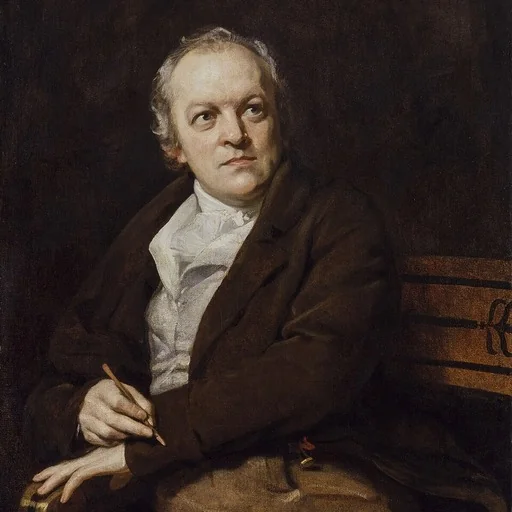
William Blake (28 November 1757 – 12 August 1827) was an English poet, painter and printmaker.