Artwork
The Circle of the Traitors; Dante's Foot Striking Bocca degli Abbate
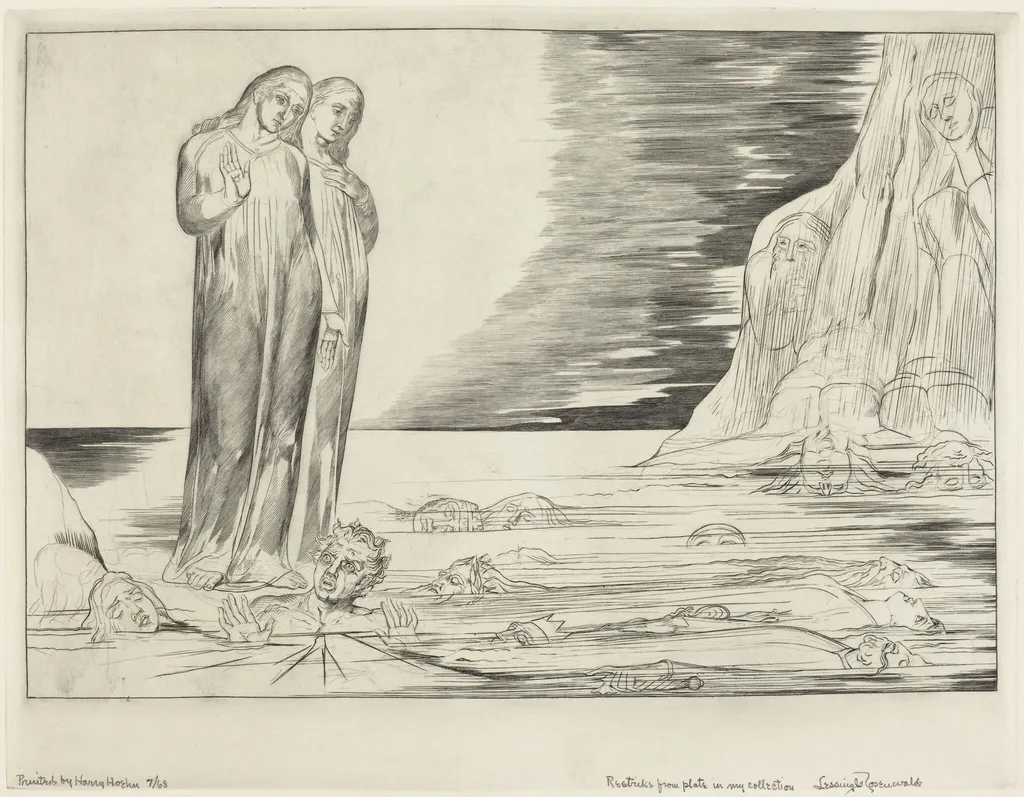
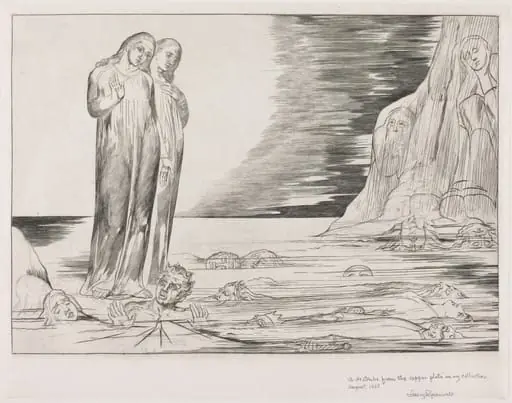
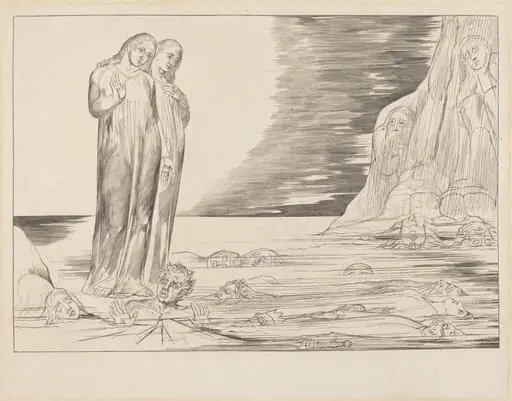
The Circle of the Traitors; Dante's Foot Striking Bocca degli Abbate is an ink print by the Romanticist artist William Blake. It dates from 1827 and is held in the collection of the National Gallery of Art.
About this work
Overview
The 1827 print titled *The Circle of the Traitors; Dante’s Foot Striking Bocca degli Abbate* is a restruck engraving by William Blake. It visualises a moment from Dante Alighieri’s *Inferno*, specifically the punishment of traitors in the ninth circle of Hell. The composition presents a dramatic, storm‑laden seascape populated by towering figures and a struggling drowned man.
Subject & Meaning
Blake’s image draws directly from the episode in which Dante’s foot strikes the frozen mouth of Bocca degli Abati, a traitor condemned to the icy lake of Cocytus. The juxtaposition of the towering, hand‑holding figures with the drowning victim underscores themes of betrayal, punishment, and the stark consequences of treachery as imagined in medieval cosmology.
Technique & Style
Executed with thick, layered lines, the engraving creates a stark chiaroscuro effect that models light and shadow across the rocky shore and turbulent sky. Blake’s characteristic use of bold contouring imparts a sense of movement and intensity, while the restrained palette of black ink emphasizes the bleak atmosphere of the infernal setting.
History & Provenance
The print is a restrike, meaning it was produced after Blake’s original plate had been re‑engraved, a common practice in the early nineteenth century to meet demand for his works. Blake, who spent most of his career in London with a brief residency in Felpham, often revisited literary subjects, and this piece reflects his ongoing engagement with Dante’s text.
Context
Blake’s fascination with literary and mythological sources placed him within a broader Romantic interest in re‑interpreting classic texts. By rendering a scene from *Inferno*, he aligned his symbolic visual language with the moral and spiritual concerns that permeated his poetry and paintings, linking personal imagination to established narratives.
Legacy
Although not among Blake’s most frequently reproduced images, the engraving illustrates his ability to translate complex literary episodes into powerful visual statements. It continues to be studied for its synthesis of poetic content and graphic technique, offering insight into Blake’s interdisciplinary approach to art and literature.
Own this work as a print
Artist & collection
Artist
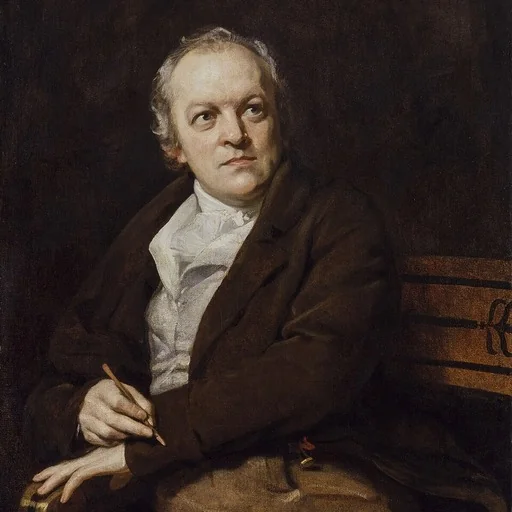
William Blake (28 November 1757 – 12 August 1827) was an English poet, painter and printmaker.

 The Circle of the Traitors; Dante's Foot Striking Bocca degli Abbate
 The Circle of the Traitors; Dante's Foot Striking Bocca degli Abbate
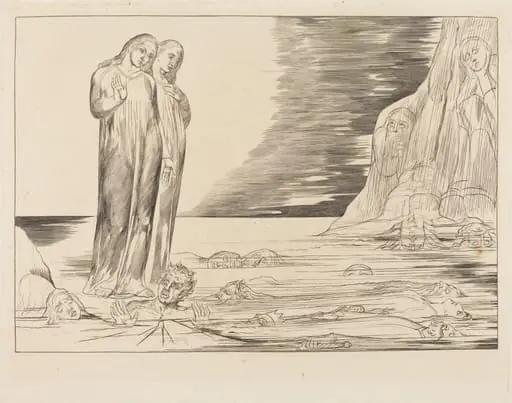 The Circle of the Traitors; Dante's Foot Striking Bocca degli Abbate
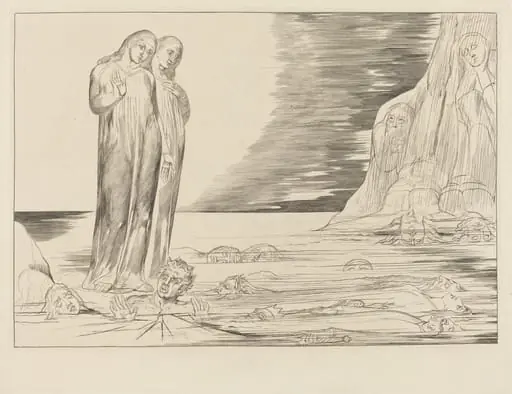 The Circle of the Traitors; Dante's Foot Striking Bocca degli Abbate
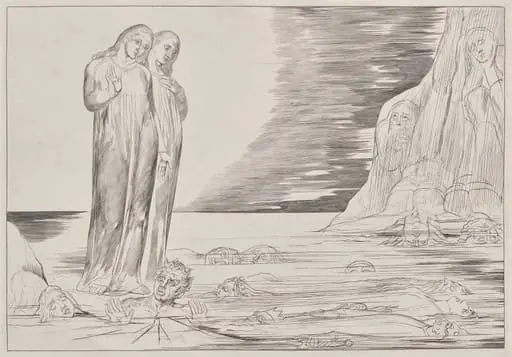 The Circle of the Traitors: Dante's Foot Strriking Bocca degli Abbate, from Dante's Inferno, Canto XXXII Illustration to Dante's The Divine Comedy
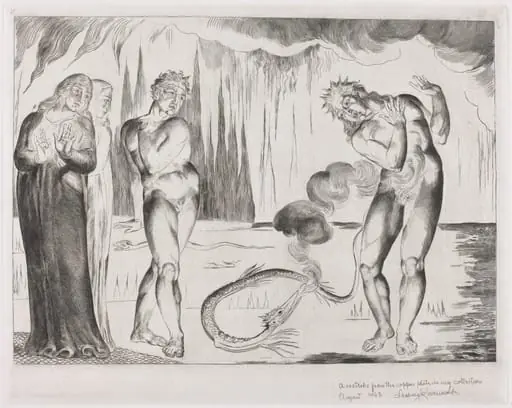 The Circle of the Thieves; Buoso Donati Attacked by the Serpent
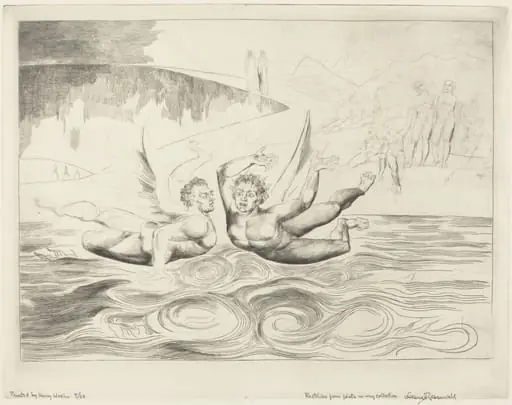 The Circle of the Corrupt Officials; The Devils Mauling Each Other
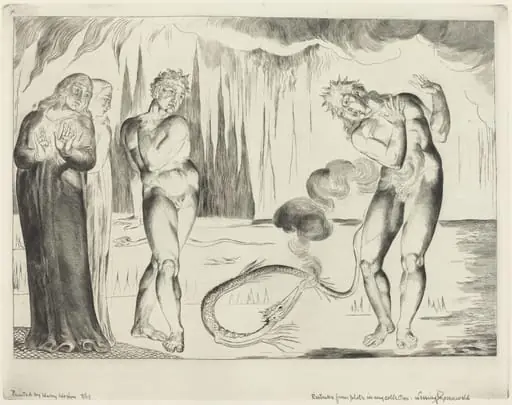 The Circle of the Thieves; Buoso Donati Attacked by the Serpent
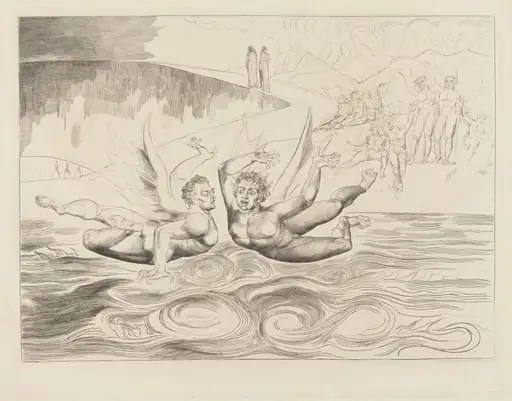 The Circle of the Corrupt Officials; the Devils Mauling Each Other