Artwork
The Dance of Albion (Glad Day)
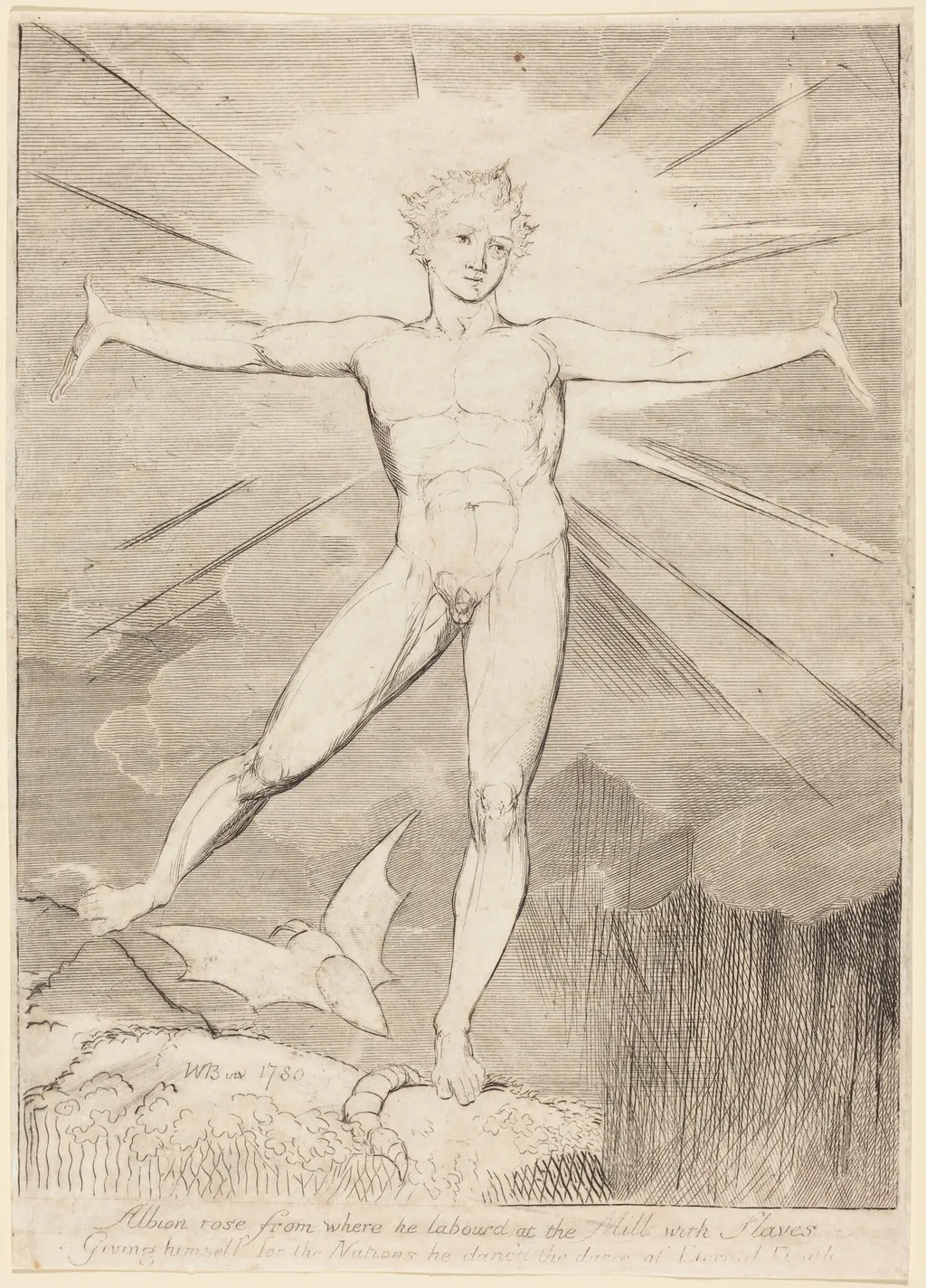
The Dance of Albion (Glad Day) is an ink print by the Romanticist artist William Blake. It dates from 1806 and is held in the collection of the National Gallery of Art.
About this work
Overview
The Dance of Albion (Glad Day) is an engraving by William Blake, created circa 1806, featuring a nude male figure in a dynamic, open pose, set amidst organic and natural elements.
Subject & Meaning
The figure, depicted in a state of serene joy with outstretched arms and legs, conveys a sense of liberation and celebration. The composition suggests a symbolic or allegorical theme, characteristic of Blake's visionary and prophetic works.
Technique & Style
Executed with meticulous detail, the engraving showcases Blake's mastery of line work and texture, imparting depth and dimensionality to the scene. The interplay of fine lines and organic motifs is quintessential of Blake's unique stylistic blend.
History & Provenance
Created during Blake's later period, this work reflects his ongoing exploration of mythic and symbolic subjects. Though unrecognized in his lifetime, it would later contribute to his prominence within the Romantic movement.
Context
Emerging from the late 18th to early 19th centuries, this piece aligns with the burgeoning Romantic emphasis on imagination, individual expression, and the sublime in nature.
Legacy
The Dance of Albion (Glad Day) is now recognized as a pivotal work in Blake's oeuvre, influencing subsequent artistic and literary movements with its powerful blend of the human form, nature, and symbolic depth.
Artist & collection
Artist
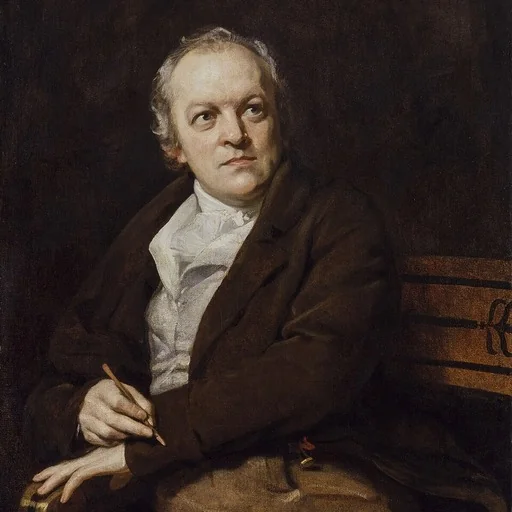
William Blake (28 November 1757 – 12 August 1827) was an English poet, painter and printmaker.

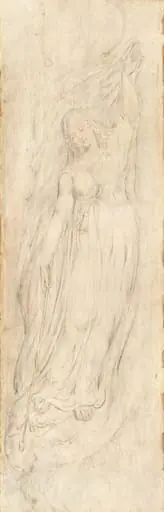
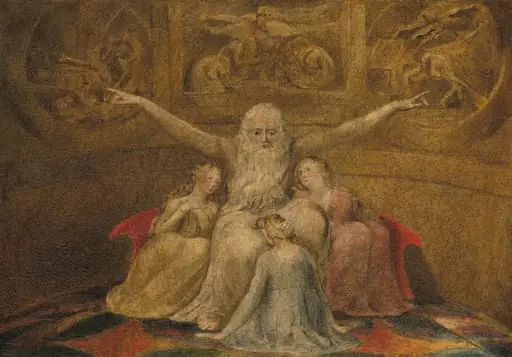
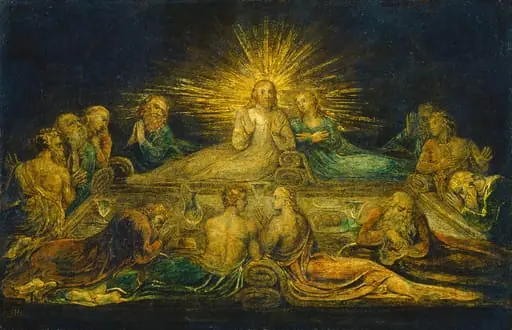
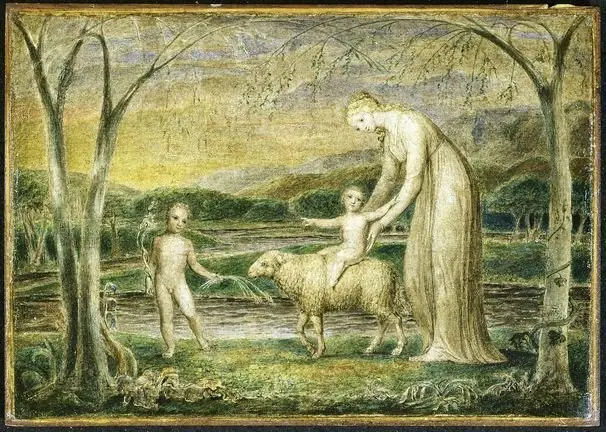
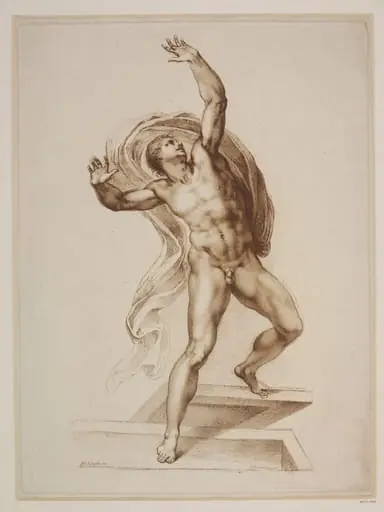 Figure from The Last Judgment
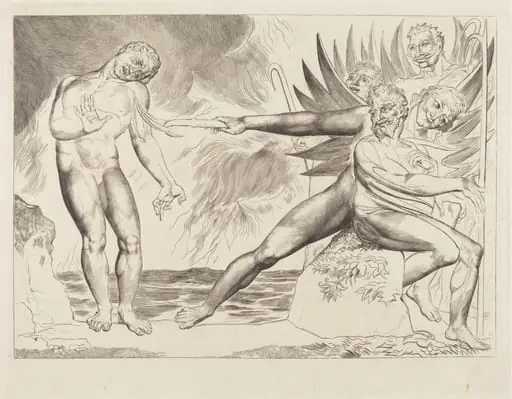 The Circle of the Corrupt Officials; the Devils Tormenting Ciampolo
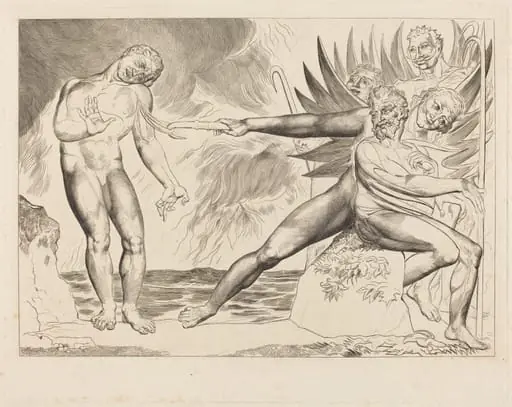 The Circle of the Corrupt Officials; the Devils Tormenting Ciampolo
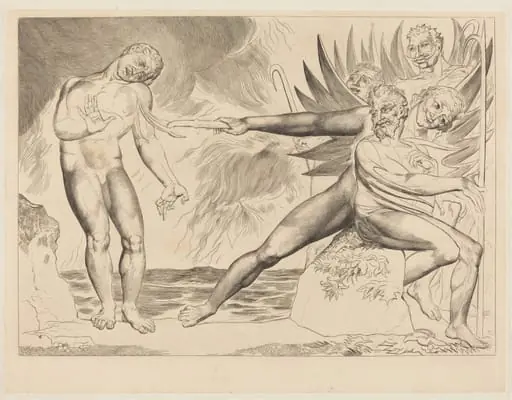 The Circle of the Corrupt Officials; the Devils Tormenting Ciampolo
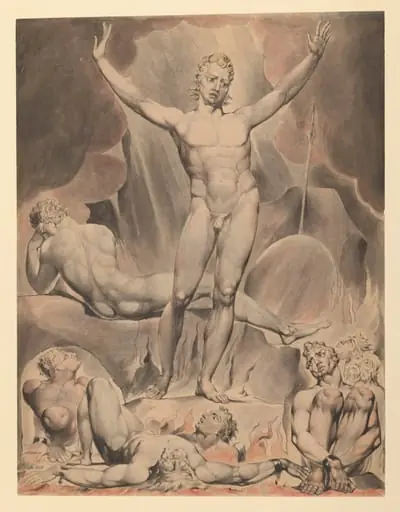 Satan arousing the rebel angels
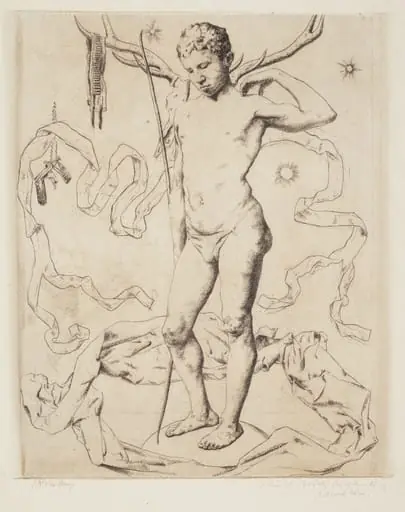 Arcturus
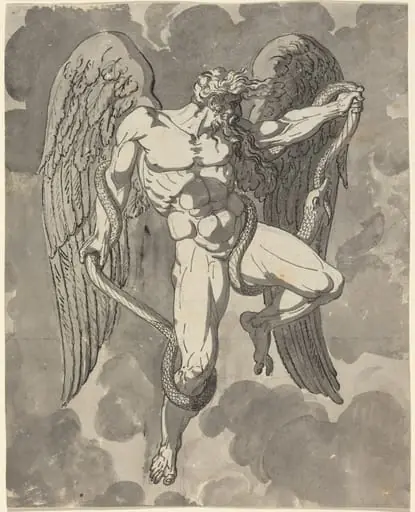 Saturn Wrestling with a Snake
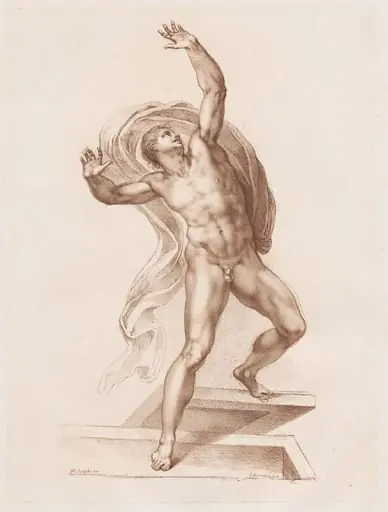 Resurrection of Christ
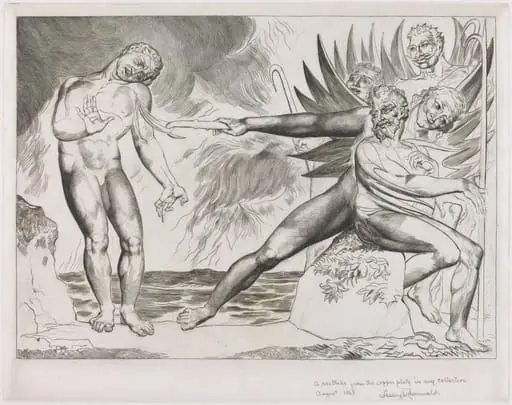 The Circle of the Corrupt Officials; the Devils Tormenting Ciampolo
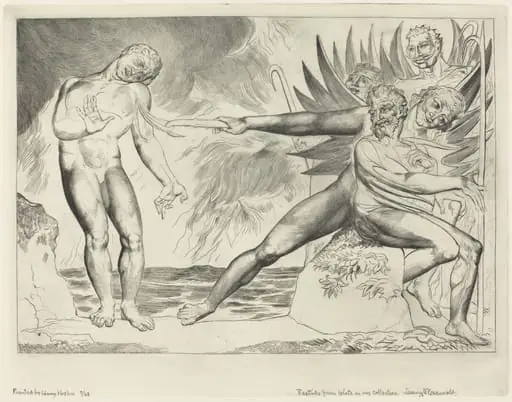 The Circle of the Corrupt Officials; The Devils Tormenting Ciampolo
 Satan Defying the Powers of Heaven
 Christ Trampling Satan