Artwork
The Pastorals of Virgil
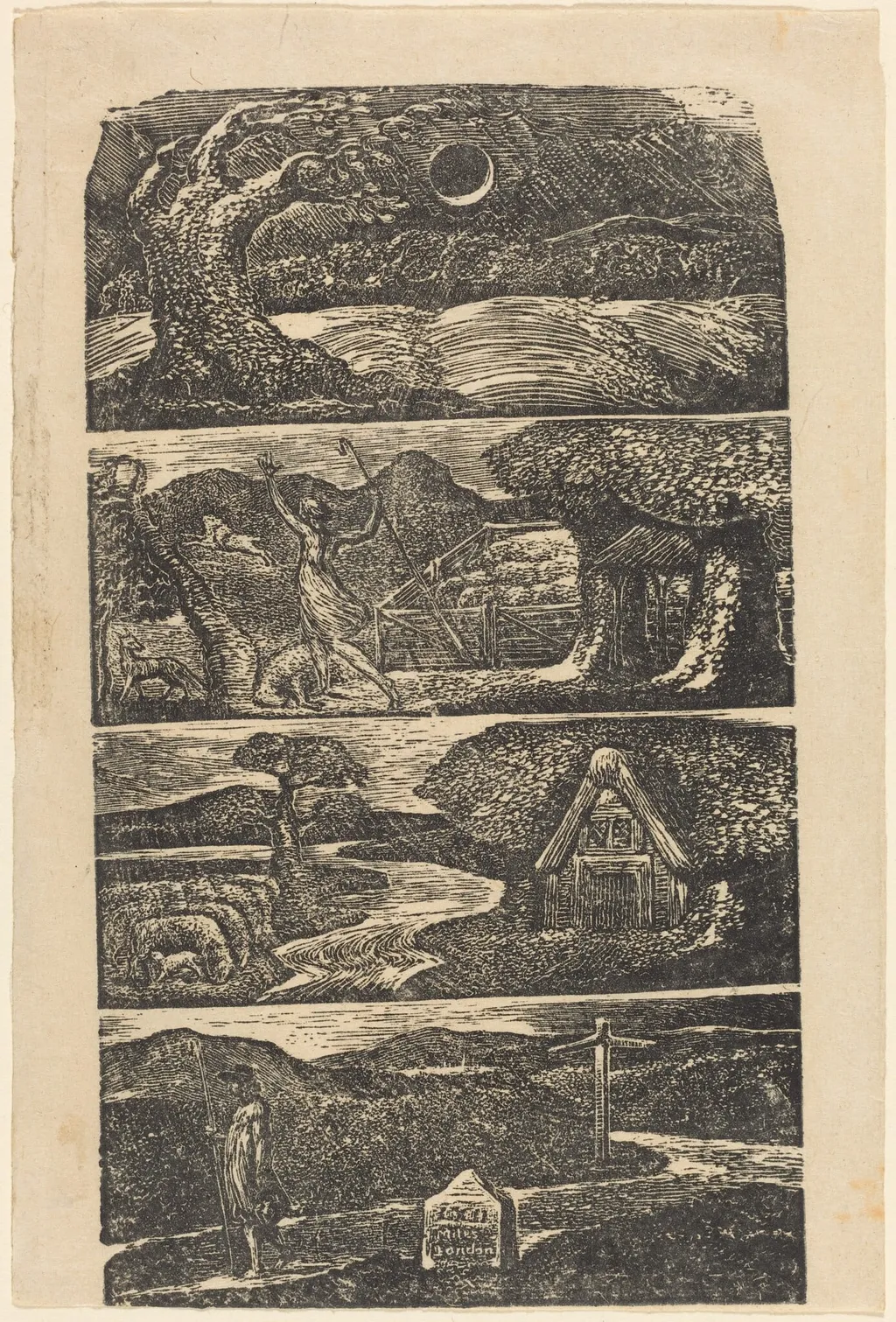
The Pastorals of Virgil is an ink print by the Romanticist artist William Blake. It dates from 1821 and is held in the collection of the National Gallery of Art.
About this work
Overview
Although Blake is chiefly remembered as a poet, this print belongs to the later phase of his printmaking practice, produced during his long residence in London.
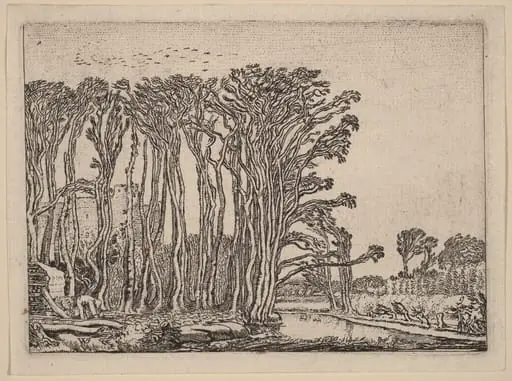
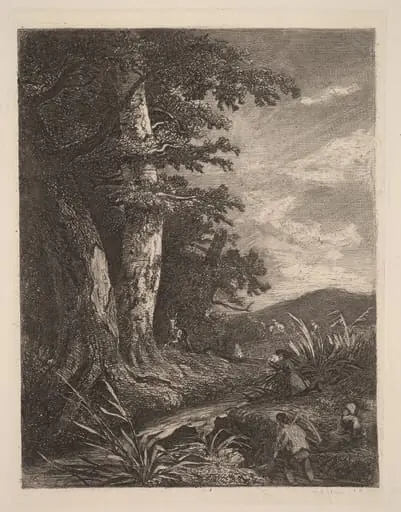
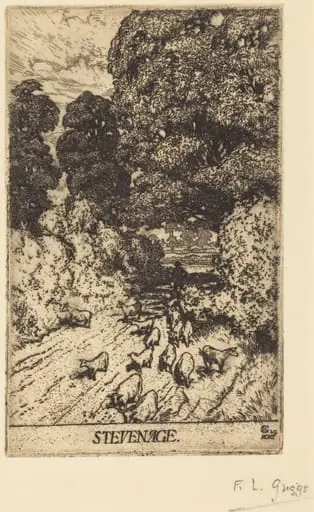
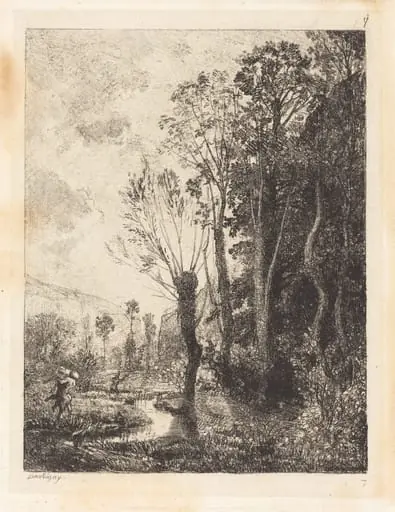
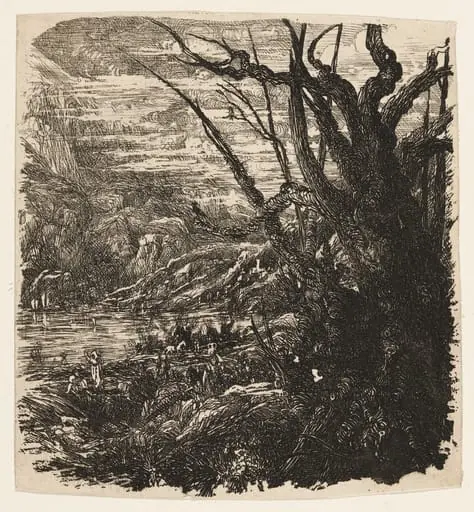
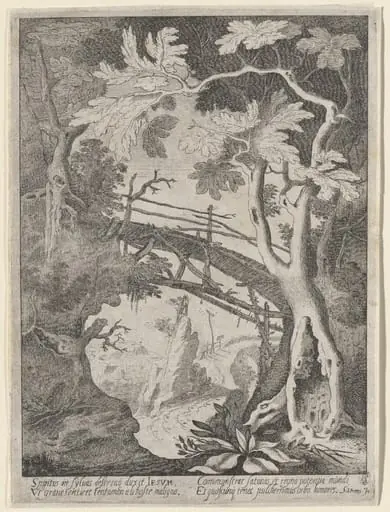
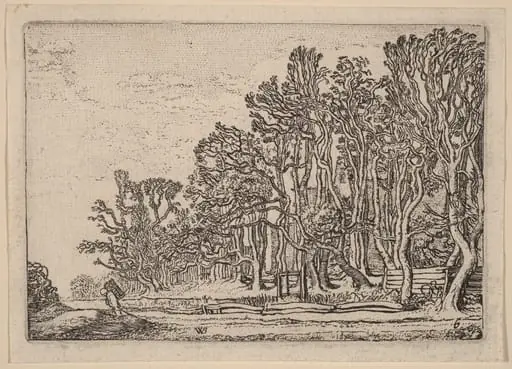
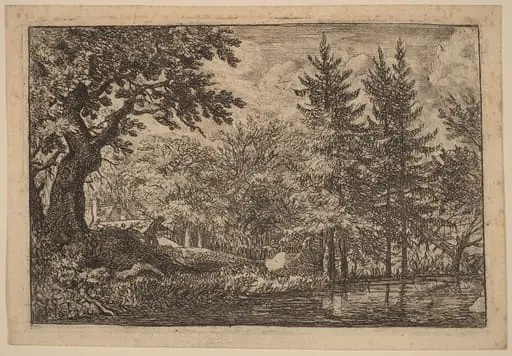
Created in 1821, *The Pastorals of Virgil* is a wood engraving by William Blake, executed on a single uncut sheet that contains four separate proofs. The work presents a sequence of four monochrome scenes arranged vertically, each depicting a quiet, rural tableau that evokes classical pastoral imagery. Although Blake is chiefly remembered as a poet, this print belongs to the later phase of his printmaking practice, produced during his long residence in London.
Subject & Meaning
The four panels illustrate a series of bucolic moments: a moonlit waterscape, two figures strolling beside trees and a modest structure, and finally a solitary individual near a post with a distant house. The imagery draws on the pastoral tradition of Virgil’s poetry, translating the poet’s idealized countryside into Blake’s own symbolic visual language, where everyday rural activities suggest deeper spiritual or mythic resonances.
Technique & Style
Blake employed fine cross‑hatching to build tonal variation, using densely packed lines to render shadows and lighter, spaced strokes for illumination. This meticulous approach creates a rich chiaroscuro effect despite the medium’s binary black‑and‑white palette. The engraving’s intricate line work reflects Blake’s mastery of woodcut techniques, allowing him to convey texture, depth, and atmospheric nuance within the limited format of a single sheet.
History & Provenance
The print was produced in London, where Blake spent most of his professional life, and existed as four proofs on an uncut sheet rather than as a finished, bound edition. During Blake’s lifetime the work received little public attention, aligning with the broader neglect of his visual output. It later entered collections that reassessed his contributions to early Romantic art, becoming a reference point for scholars of the period.
Context
Blake’s engagement with classical literature and pastoral themes situates the work within the broader Romantic fascination with nature and antiquity. Though initially overlooked, the engraving has since been cited in discussions of how Romantic artists merged poetic inspiration with innovative print techniques. Its presence in museum and scholarly contexts underscores Blake’s role as a bridge between poetic imagination and visual experimentation.
Artist & collection
Artist
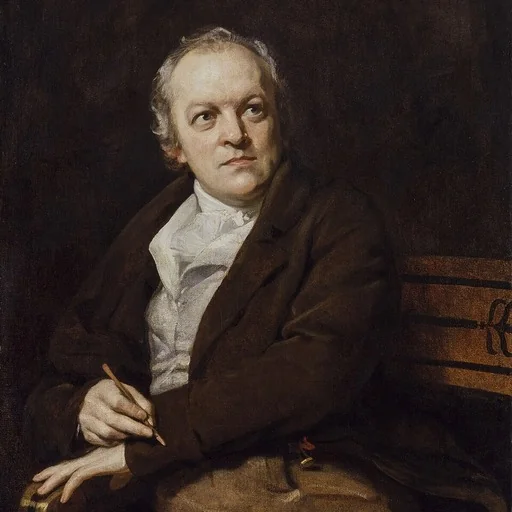
William Blake (28 November 1757 – 12 August 1827) was an English poet, painter and printmaker.