Artwork
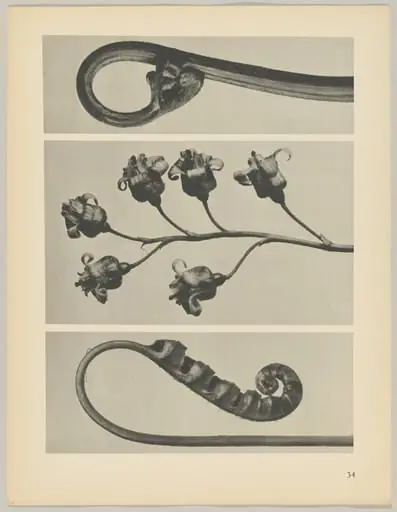
a Tragopogon porrifolius; b Muscari racemosum; c Thujopsis dolabrata
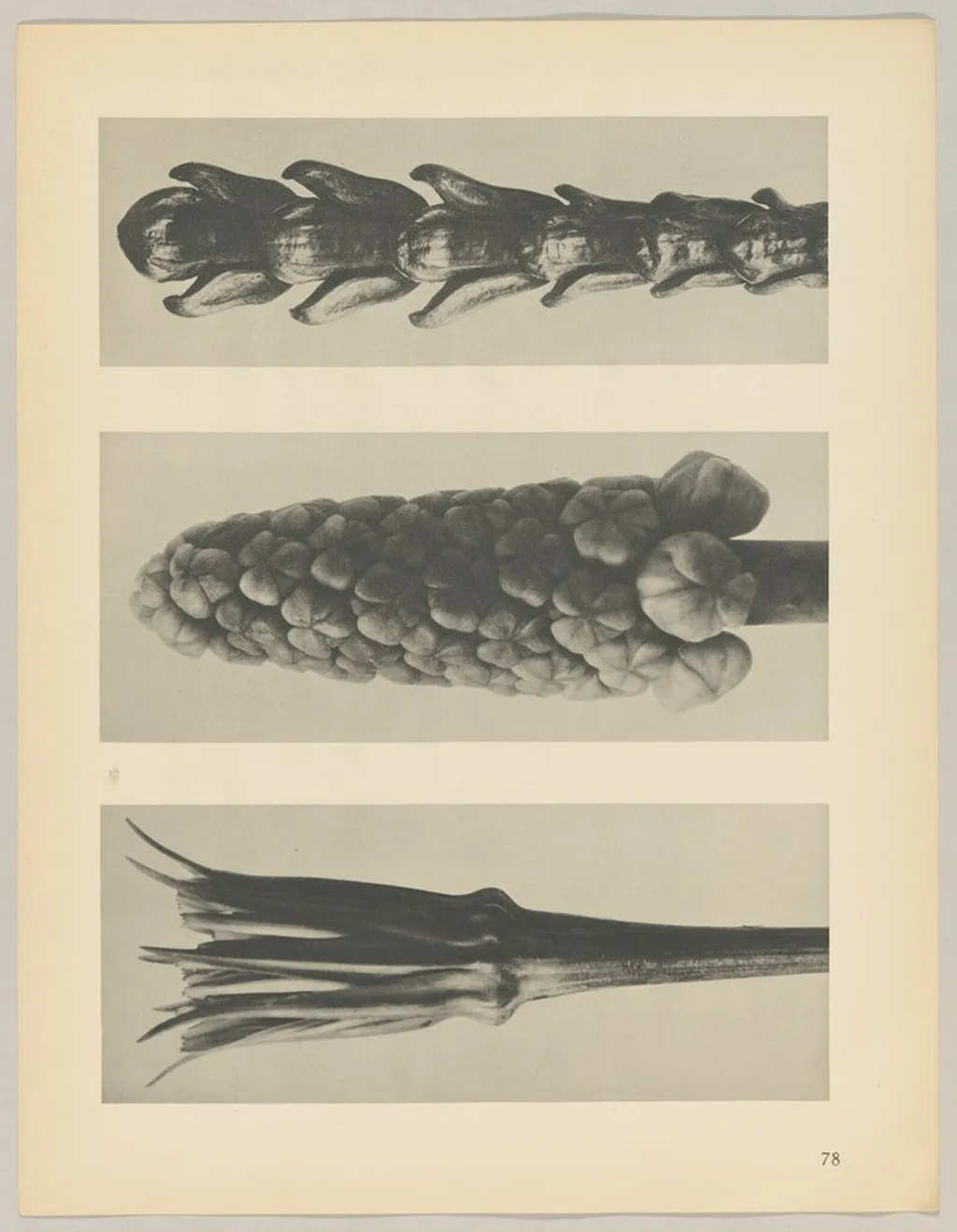
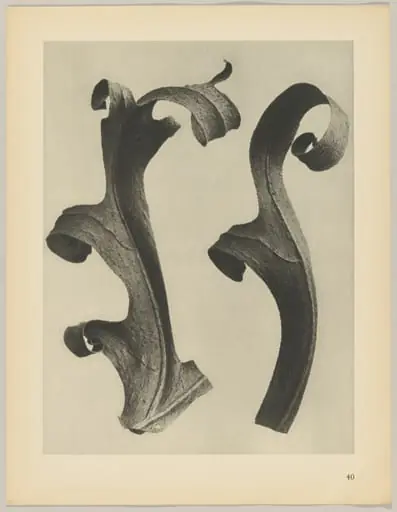
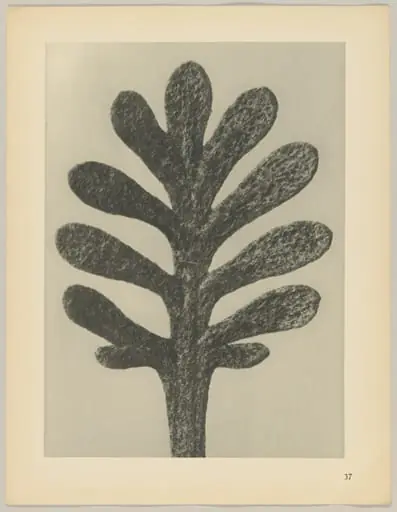
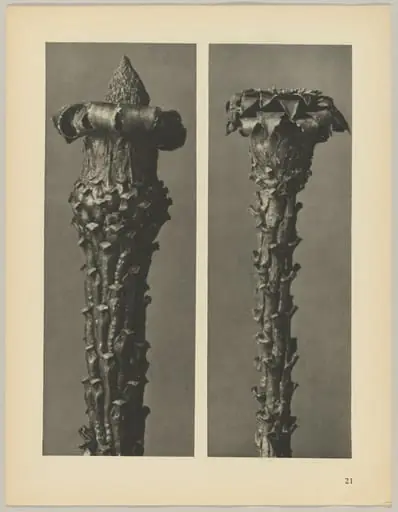
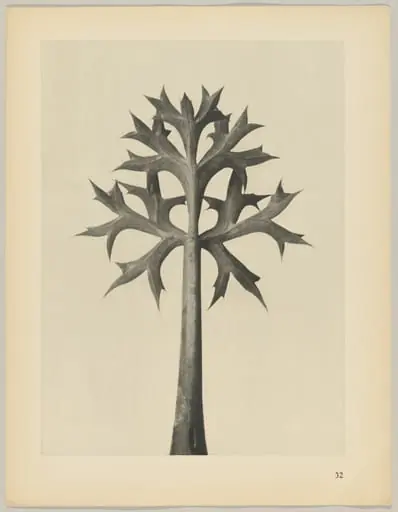
a Tragopogon porrifolius; b Muscari racemosum; c Thujopsis dolabrata is a print by Karl Blossfeldt. It dates from 1928 and is held in the collection of the National Gallery of Art. Created in 1928, this work presents three separate photogravure prints that magnify distinct botanical forms.
About this work
Overview
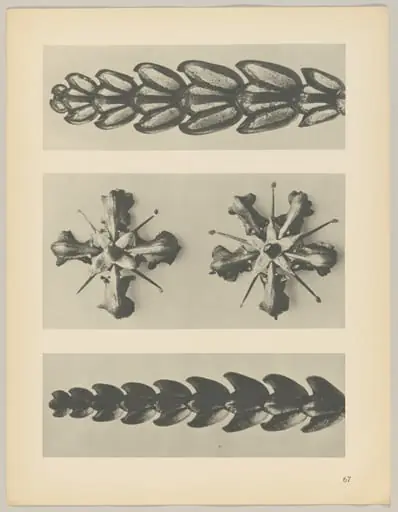
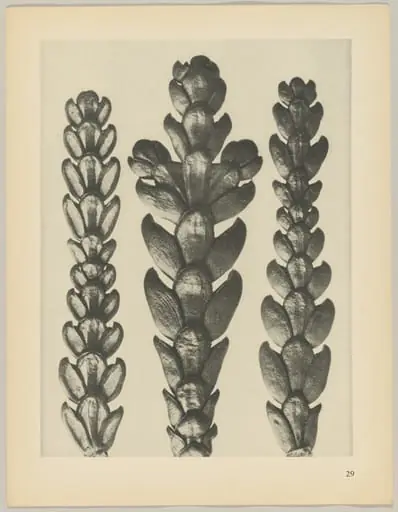
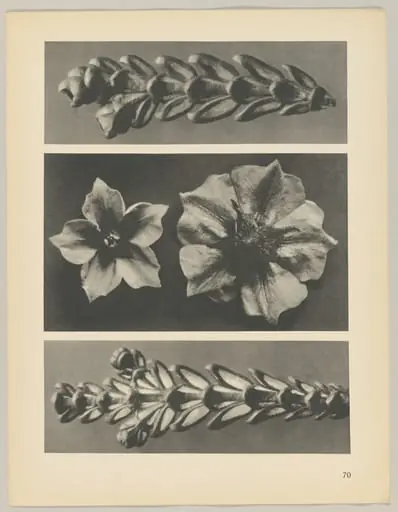
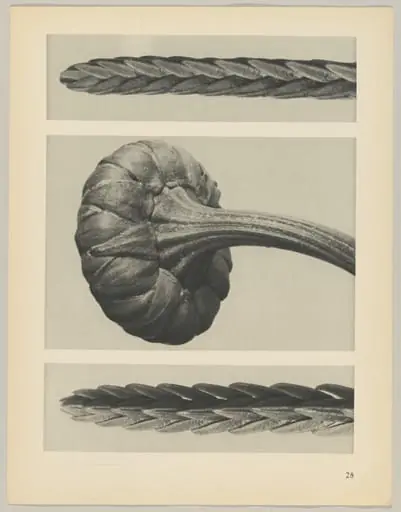
Created in 1928, this work presents three separate photogravure prints that magnify distinct botanical forms. The upper image isolates a spiky flower bud held in a hand, the middle concentrates on a dense cluster of tiny bulbs, and the lower depicts a slender branch with sharply fanned leaves. Each composition is rendered in stark black‑and‑white, emphasizing texture and structure over colour.
Subject & Meaning
The three panels focus on a wild salsify (Tragopogon porrifolius), a grape hyacinth (Muscari racemosum), and a Japanese cypress (Thujopsis dolabrata). By extracting these plant parts from their natural settings, the artist invites contemplation of organic geometry and the inherent patterns that govern growth, echoing a broader interest in the fundamental forms of nature.
Technique & Style
The images were produced through photogravure, a process that transfers a photographic negative onto a copper plate, which is then etched and printed. This method preserves fine tonal gradations, allowing the minute details of surface texture and curvature to be reproduced with a clarity that approaches scientific illustration while retaining an artistic sensibility.
History & Provenance
The work reflects a lifelong preoccupation with natural forms, a fascination shared with his father, who also pursued studies of organic growth.
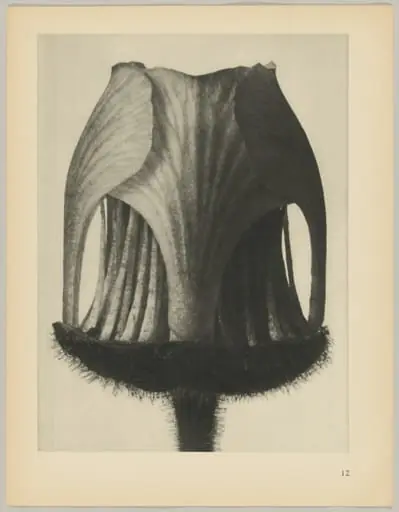
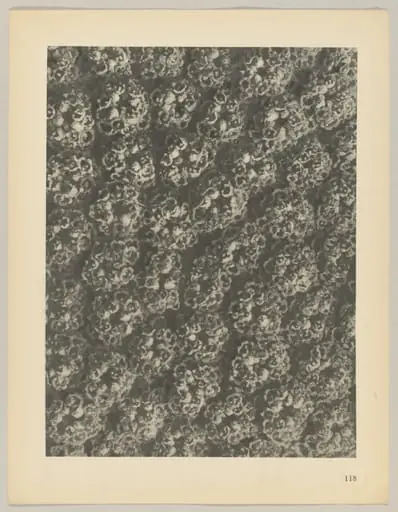
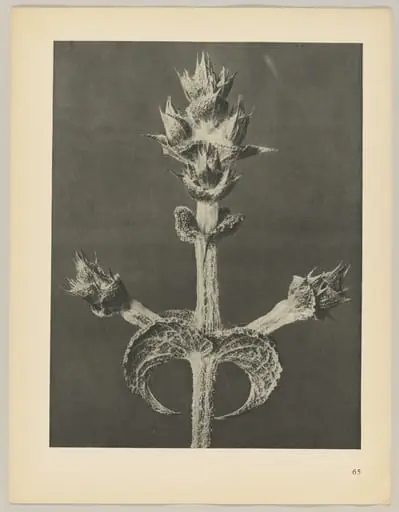
The prints were assembled into the 1929 volume *Urformen der Kunst*, a publication that collected the artist’s botanical studies. The work reflects a lifelong preoccupation with natural forms, a fascination shared with his father, who also pursued studies of organic growth. Since its inclusion in the book, the series has been exhibited in several European museums dedicated to early 20th‑century photography.
Context
Produced during the interwar period, the series aligns with contemporary movements that sought to reconcile art and science. Its precise, almost clinical presentation contrasts with the expressive tendencies of Expressionism, positioning the work within a tradition of objective visual inquiry that influenced later modernist designers and architects.
Artist & collection
Artist
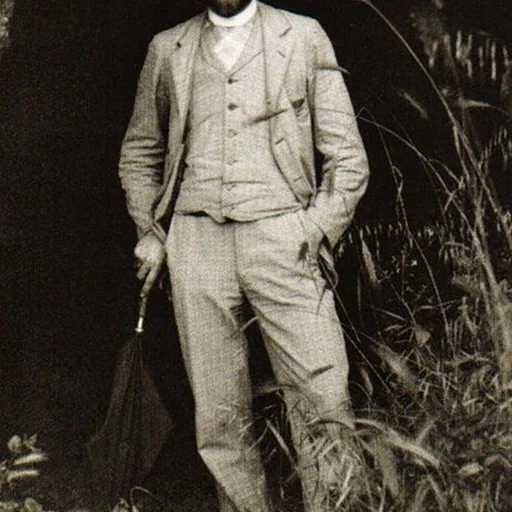
Karl Blossfeldt (13 June 1865 – 9 December 1932) was a German photographer and sculptor.