Artwork
Silphium laciniatum
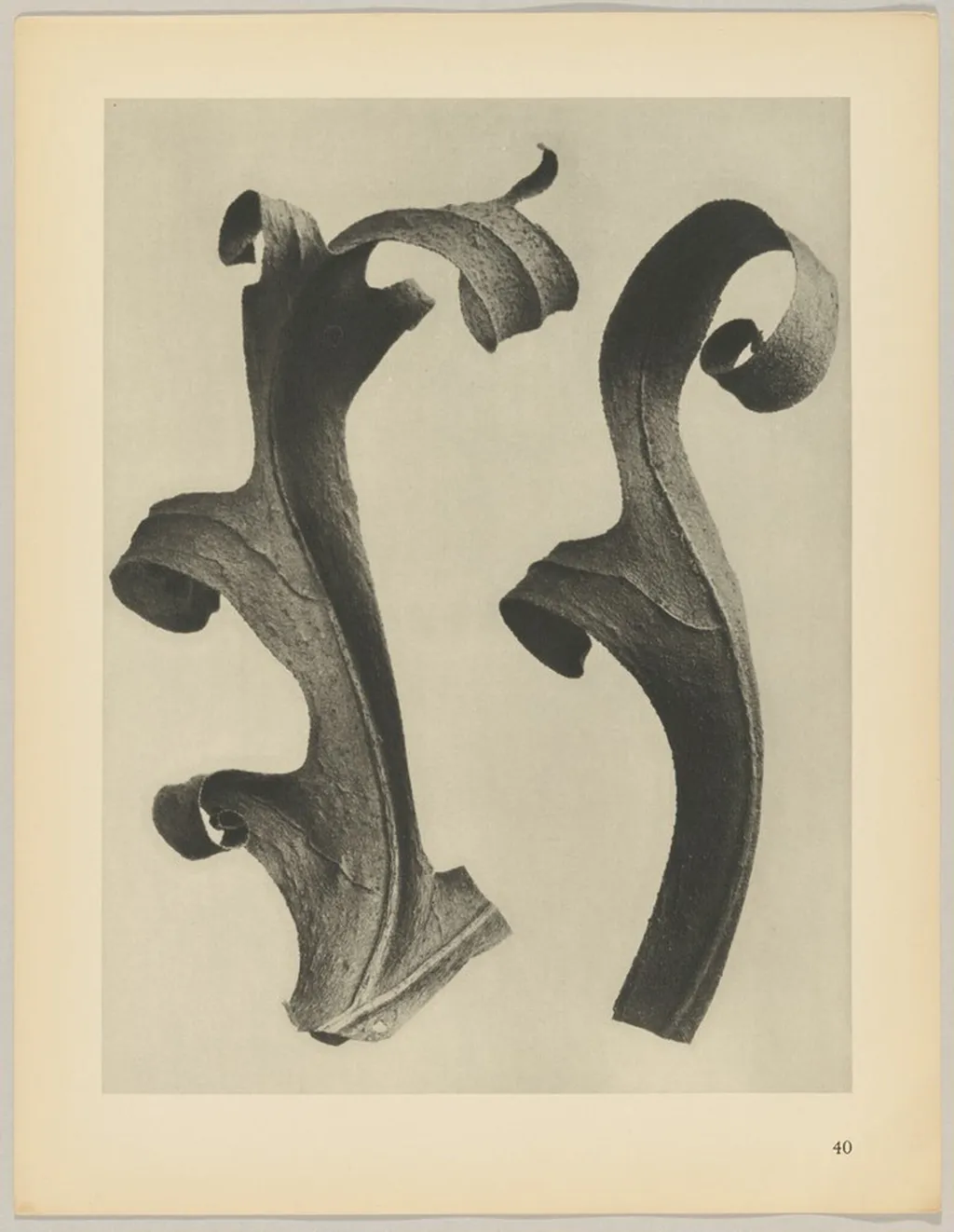
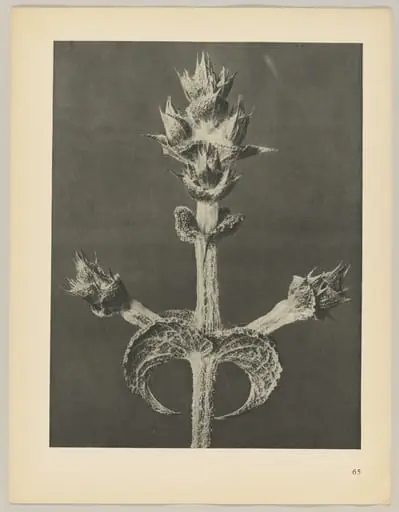
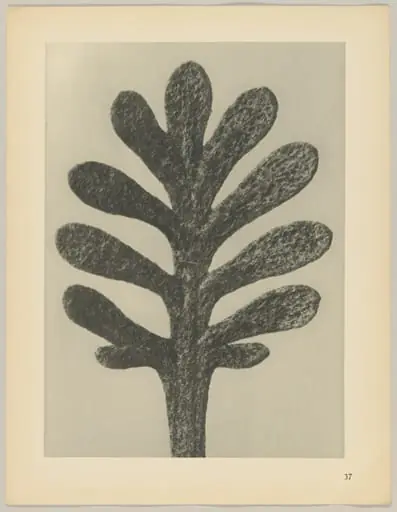
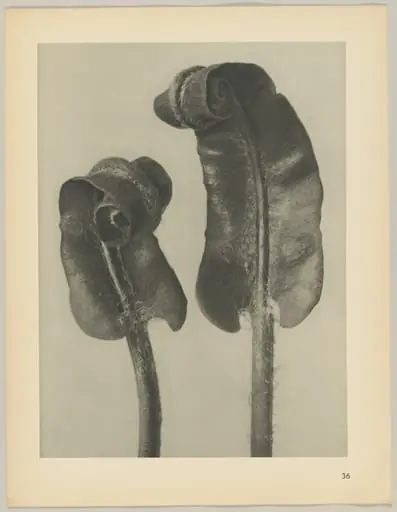
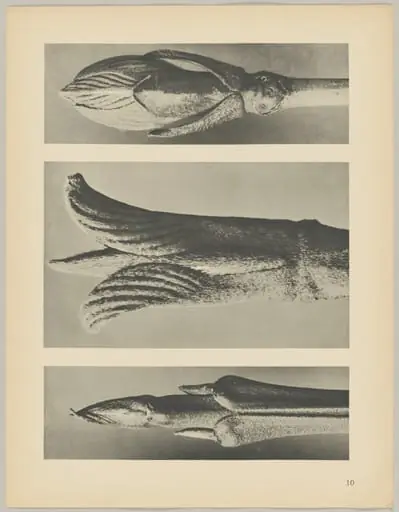
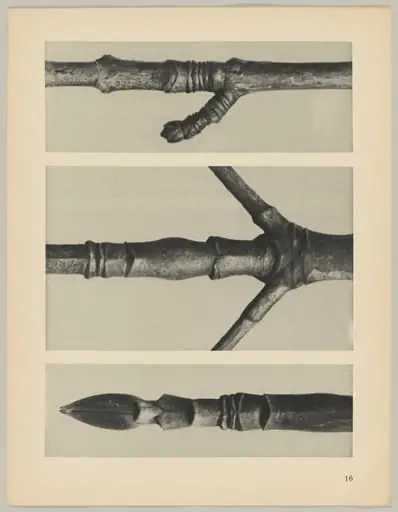
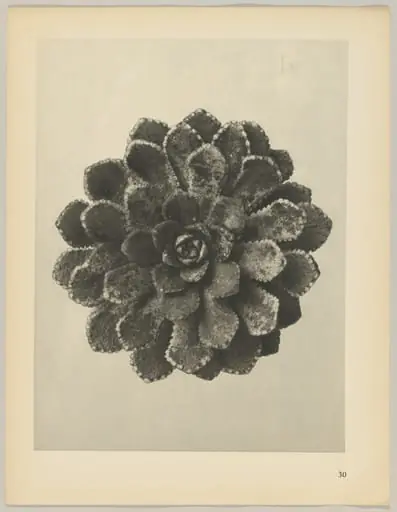
Silphium laciniatum is a print by Karl Blossfeldt. It dates from 1928 and is held in the collection of the National Gallery of Art.
About this work
Overview
Karl Blossfeldt produced *Silphium laciniatum* in 1928 as a photogravure, a process allowing fine tonal detail in black-and-white prints.
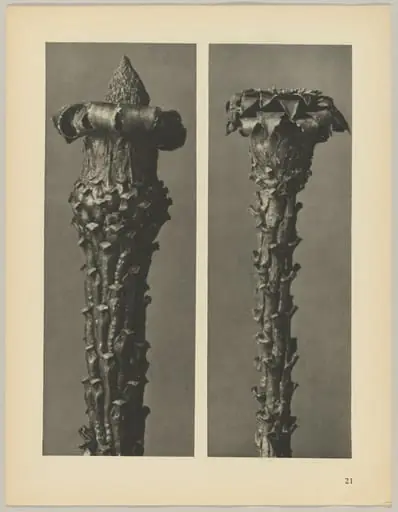
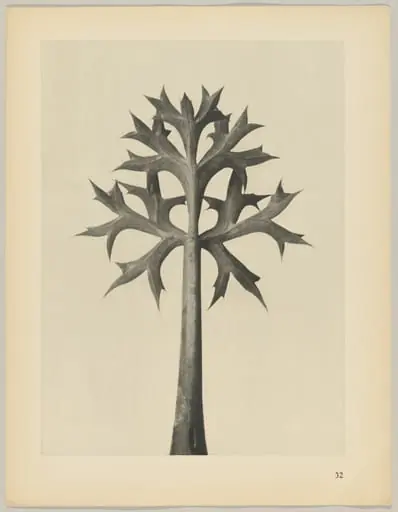
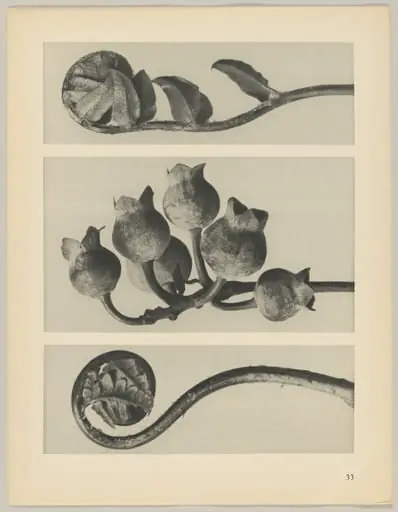
Karl Blossfeldt produced *Silphium laciniatum* in 1928 as a photogravure, a process allowing fine tonal detail in black-and-white prints. The work is part of a larger series documenting plant structures with scientific precision. Blossfeldt, trained as a sculptor and metalworker, turned to photography to capture the hidden geometries of flora, later compiling these images in his 1929 publication *Urformen der Kunst*.
Subject & Meaning
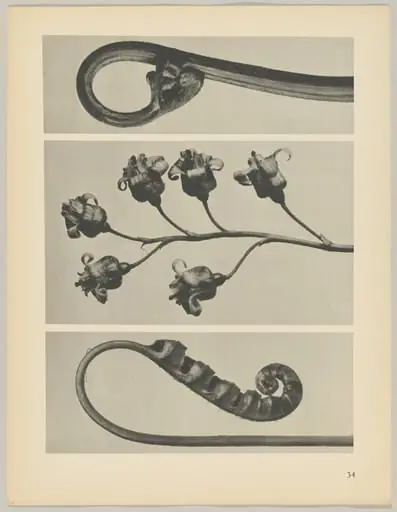
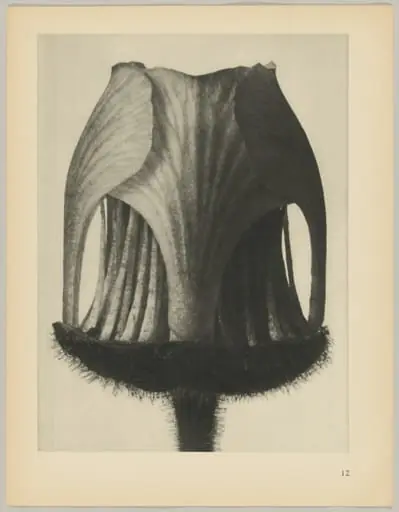
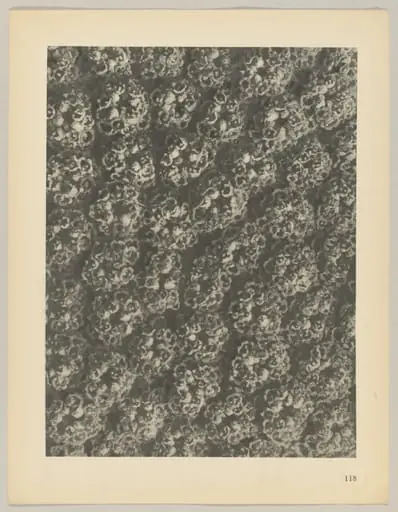
The image depicts the gnarled, twisted stems of *Silphium laciniatum*, a native North American plant. Blossfeldt isolates these forms to emphasize their raw, architectural qualities—bumps, ridges, and branching patterns appear as deliberate compositions. Rather than celebrating floral beauty, he reveals nature’s underlying structural logic, inviting viewers to see plants as organic sculptures shaped by growth and environment.
Technique & Style
Using photogravure, Blossfeldt achieved rich gradations of tone and sharp detail, essential for rendering the textural complexity of plant surfaces. He employed high-magnification techniques, often using custom-built cameras and lighting to isolate subjects against plain backgrounds. This method stripped away context, focusing attention solely on form, texture, and rhythm, aligning his aesthetic with early modernist interests in abstraction and structure.
History & Provenance
Created in 1928, the print was included in Blossfeldt’s 1929 book *Urformen der Kunst*, which gained attention in European art and design circles. The work was initially used as teaching material at the Berlin School of Arts and Crafts, where Blossfeldt taught. His photographs were later collected by institutions including the Museum of Modern Art and the Bauhaus Archive, cementing their place in 20th-century photographic history.
Context
Blossfeldt’s work emerged during a period of renewed interest in the relationship between nature and industrial design. His images resonated with Bauhaus principles, which sought to derive form from natural patterns. Unlike botanical illustrations focused on classification, his photographs treated plants as abstract compositions, reflecting broader modernist efforts to find order and geometry in the organic world.
Legacy
Blossfeldt’s photogravures influenced later generations of photographers and designers interested in the formal qualities of nature. His method of magnifying botanical structures became a touchstone for artists exploring abstraction and materiality. Though his work was initially tied to pedagogical goals, it now stands as a significant contribution to the documentation of plant morphology through photographic means.
Artist & collection
Artist
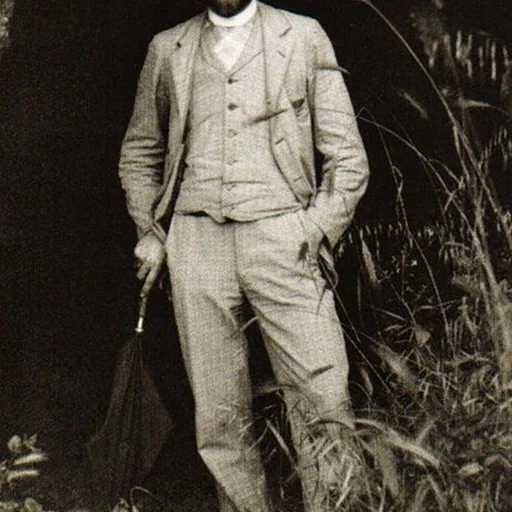
Karl Blossfeldt (13 June 1865 – 9 December 1932) was a German photographer and sculptor.