Artwork
Achillea umbellata
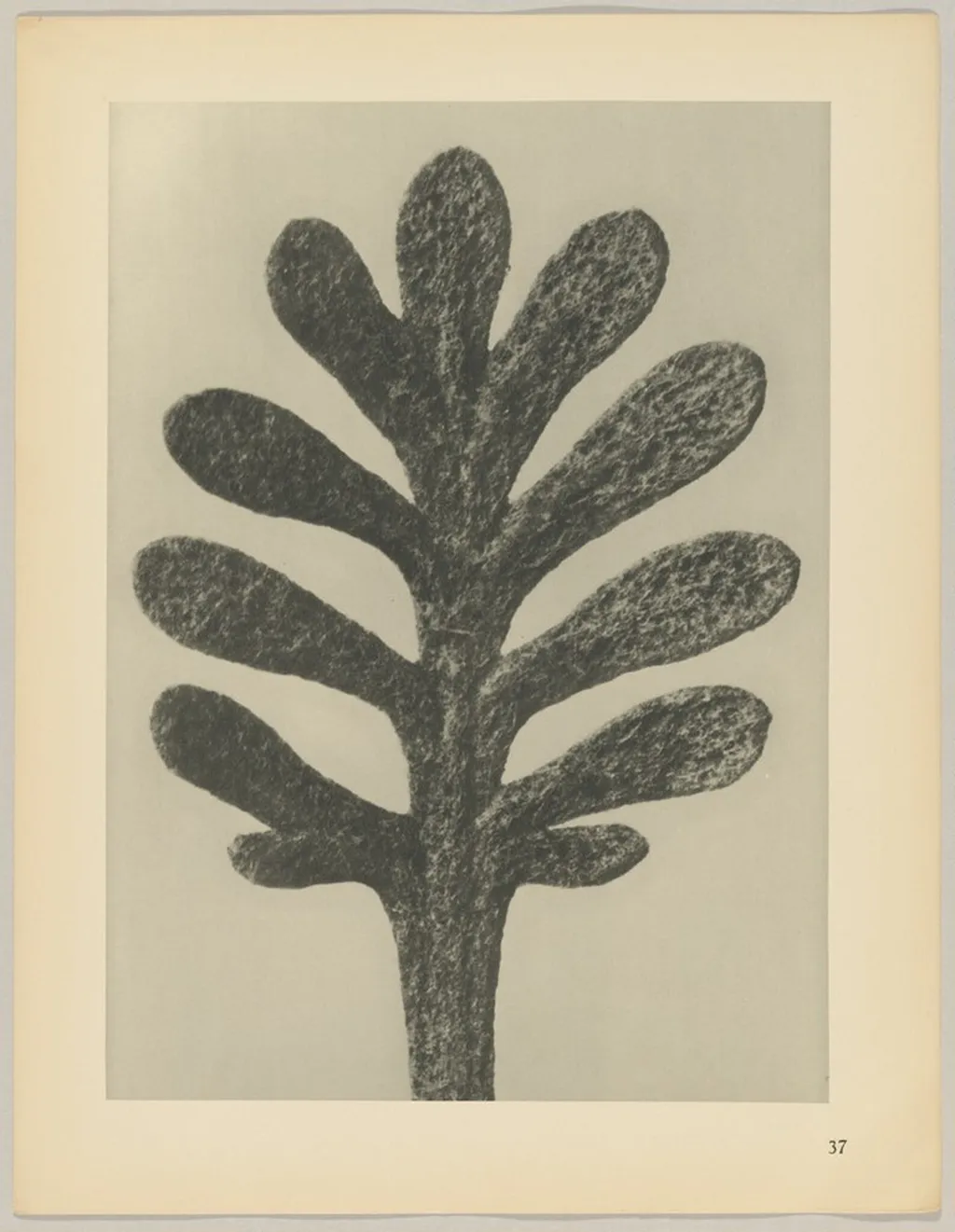
Achillea umbellata is a print by Karl Blossfeldt. It dates from 1928 and is held in the collection of the National Gallery of Art.
About this work
Overview
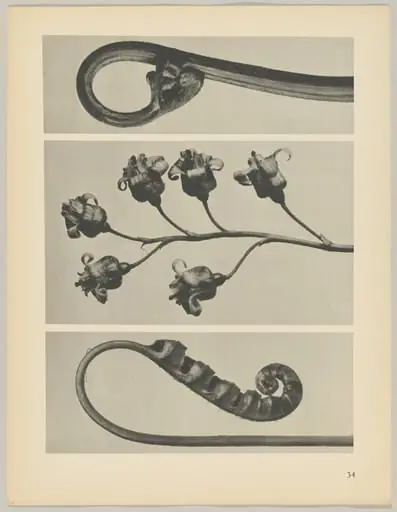
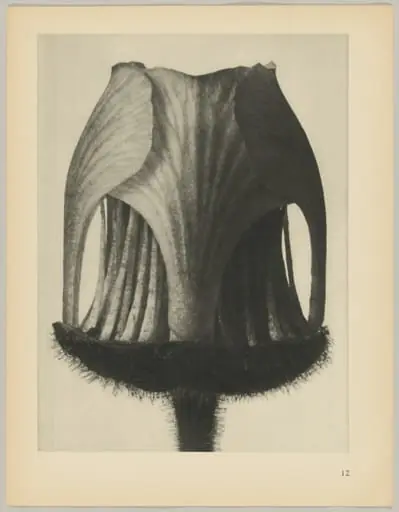
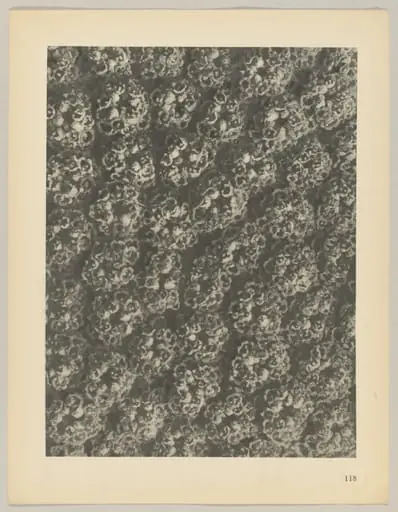
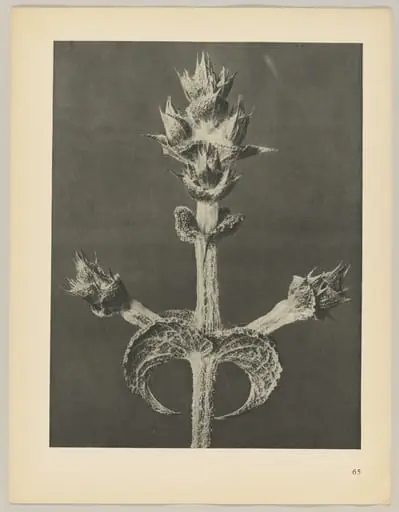
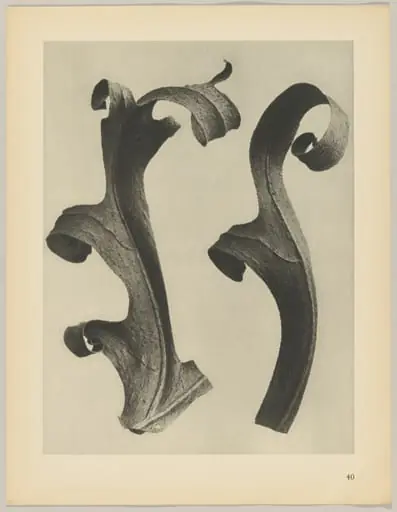
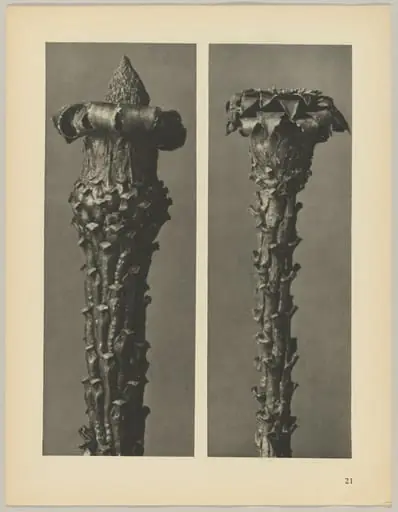
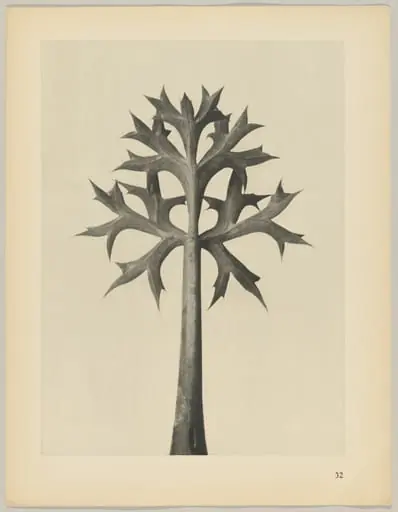
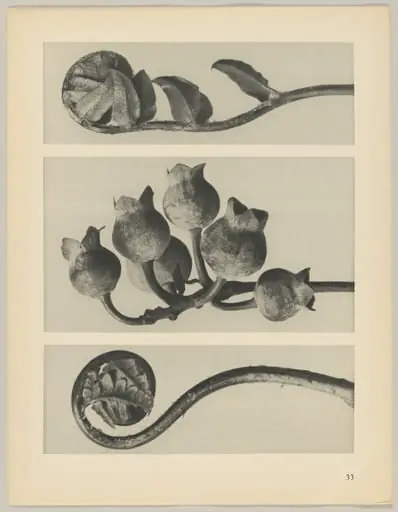
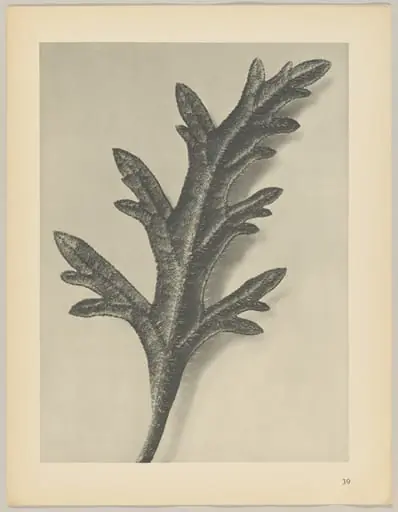
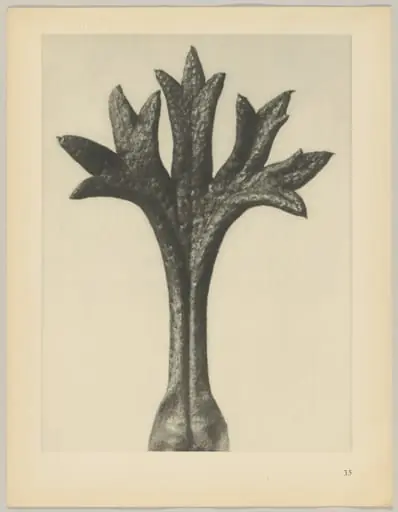
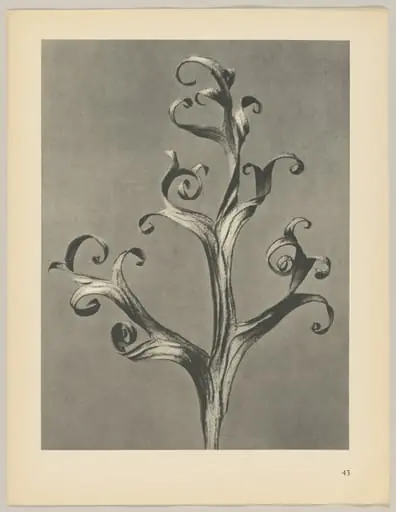
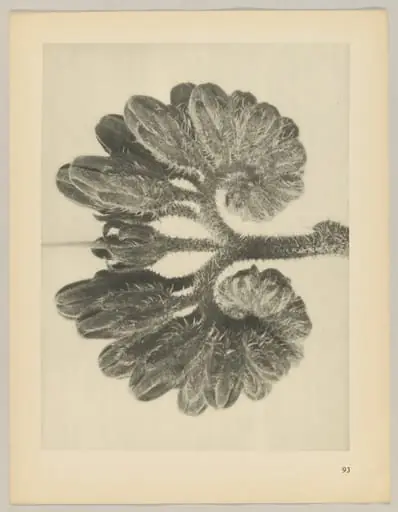
Achillea umbellata is a 1928 photogravure print by Karl Blossfeldt, featuring a close-up of a single plant with long, narrow, fan-arranged leaves. The image showcases the plant's intricate textures against a plain, light background, with the photogravure technique lending a near three-dimensional quality.
Subject & Meaning
The subject is Achillea umbellata, a plant species. Blossfeldt's focus on its structural details reflects his exploration of nature's organic forms, inspired by his father's botanical interests. The work emphasizes the aesthetic and structural beauty of plant life.
Technique & Style
Created using photogravure, a method that captures fine details, the print highlights the textured, almost bark-like quality of the leaves. Blossfeldt's precise, sculptural approach to photography isolates the subject, creating a sense of clarity and depth.
History & Provenance
Produced in 1928, Achillea umbellata was published the following year in Blossfeldt's collection Urformen der Kunst (Archetypes of Art), which showcased his plant photography emphasizing natural structural forms.
Context
Part of a broader body of work by Blossfeldt focused on plant photography, Achillea umbellata reflects the artist's transition from sculpture to photography, applying a sculptor's eye to capture the detailed, architectural aspects of flora.
Legacy
As part of Urformen der Kunst, Achillea umbellata contributed to Blossfeldt's influence on modernist and Bauhaus movements, appreciated for its blend of botanical precision and artistic composition, inspiring subsequent generations of photographers and artists.
Artist & collection
Artist
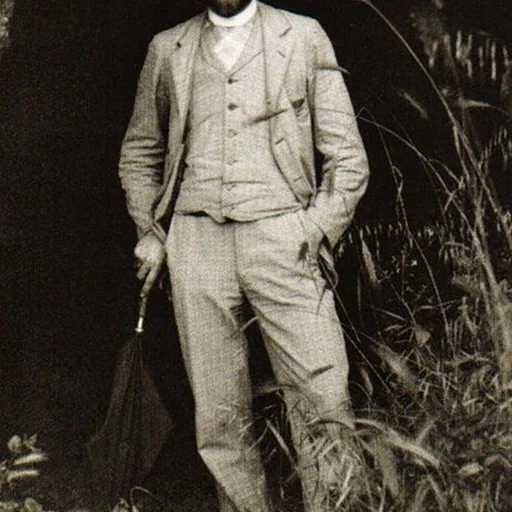
Karl Blossfeldt (13 June 1865 – 9 December 1932) was a German photographer and sculptor.