Artwork
Childhood
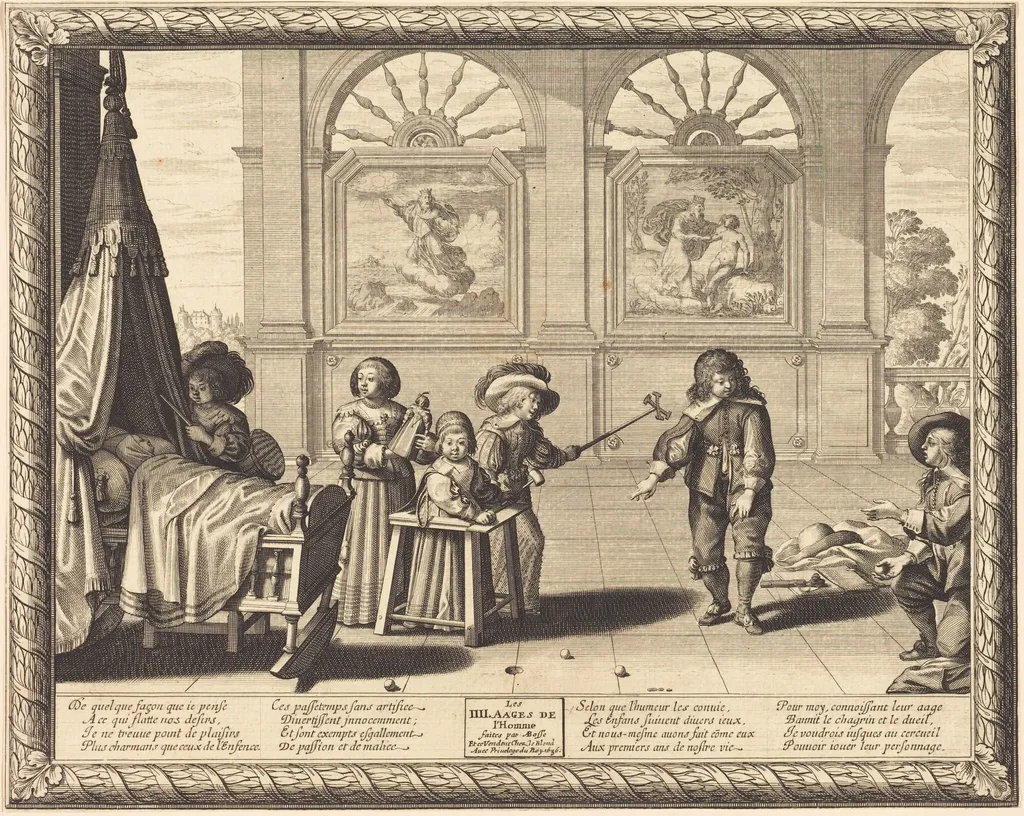
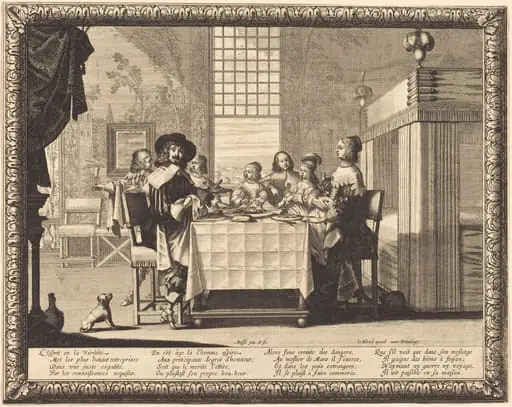
Childhood is an ink print by the Baroque artist Abraham Bosse. It dates from 1636 and is held in the collection of the National Gallery of Art.
About this work
This painting shows a scene of childhood.
It's an etching, which is a technique where the artist scratches a design into a metal plate.
The artist, Abraham Bosse, made this in 1636, and it's interesting because he was only 17 when he created it, and we don't know much about his life after that.
You can learn more about this technique by looking into etching.
Overview
Childhood is a print created by French artist Abraham Bosse in 1636, utilizing etching and engraving techniques on laid paper.
Subject & Meaning
The print depicts a scene of childhood, offering a glimpse into the everyday life of youth during the 17th century.
Technique & Style
Bosse employed etching (scratching designs into a metal plate) and engraving, showcasing his early mastery of these printmaking methods at the age of 17.
History & Provenance
Little is known about Bosse's life after creating *Childhood* at 17, highlighting the print as a notable early work in his oeuvre.
Context
*Childhood* reflects Bosse's active engagement with printmaking, a prominent medium for him during the 17th century.
Artist & collection

Artist
Abraham Bosse (c. 1604 – 14 February 1676) was a French artist, mainly as a printmaker in etching, but also in watercolour.

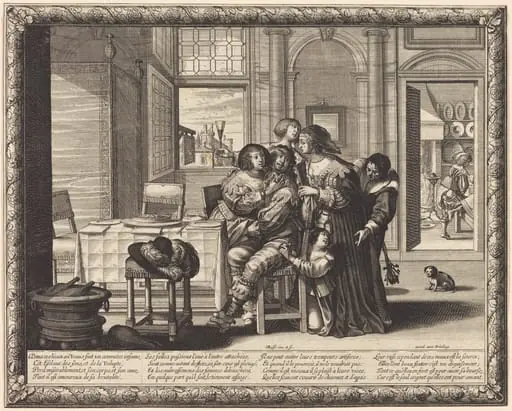 The Prodigal Son in a House of Ill-Repute
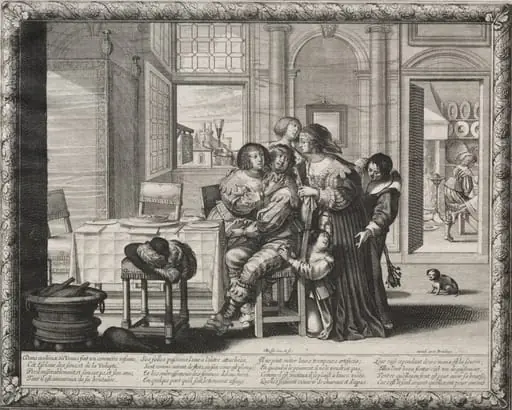 The Prodigal Son: Riotous Living
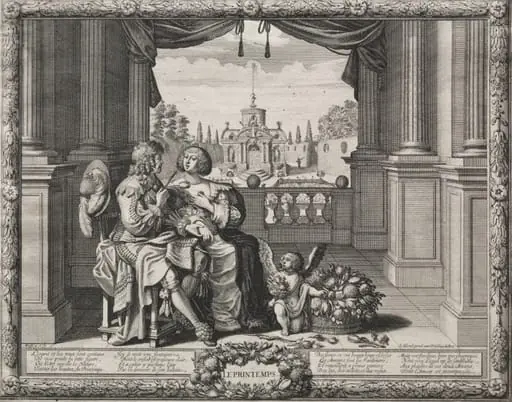 The Four Seasons: Springtime
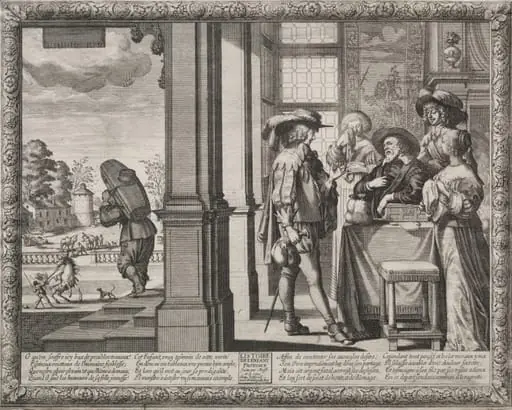 The Prodigal Son
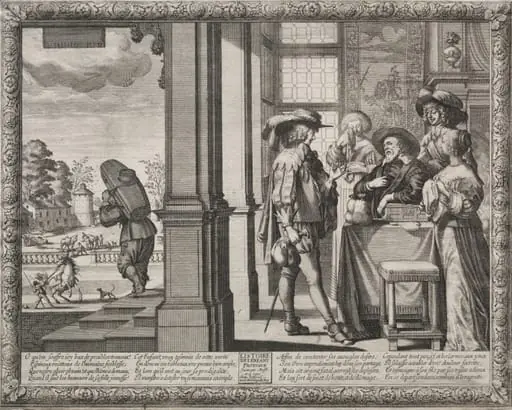 The Prodigal Son: The Prodigal Bidding His Parents Farewell
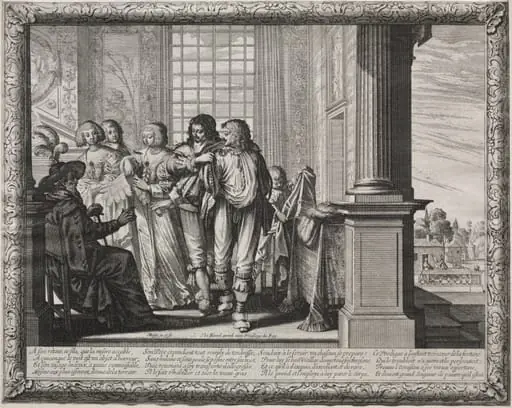 The Prodigal Son: Dressing for the Feast
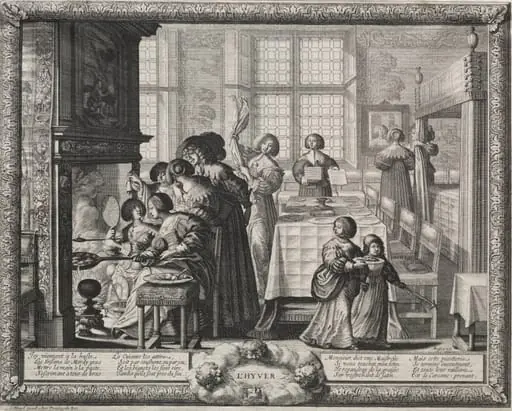 The Four Seasons: Winter
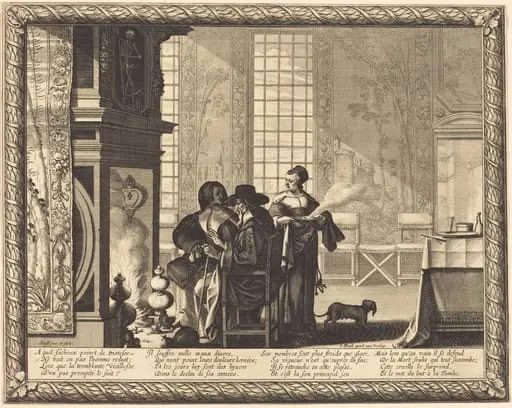 Death
Death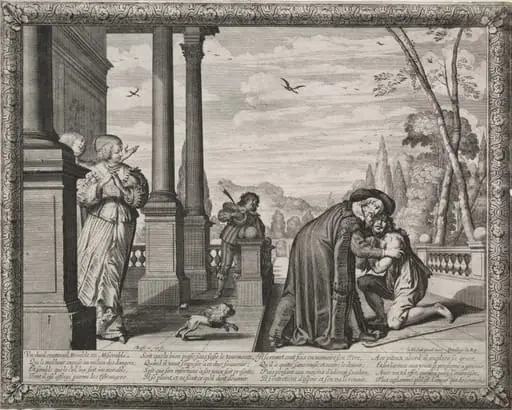 The Prodigal Son: The Return of the Prodigal
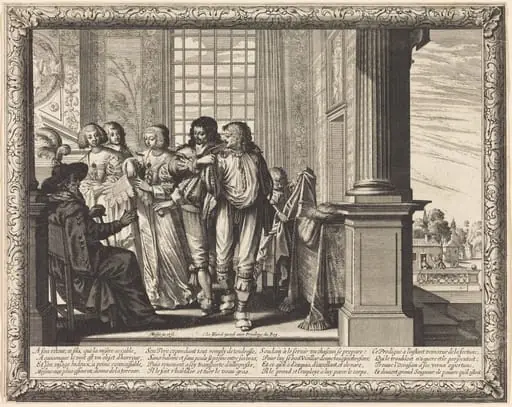 The Prodigal Son's Father Orders the Best Robe and the Slaughter of the Fatted Calf
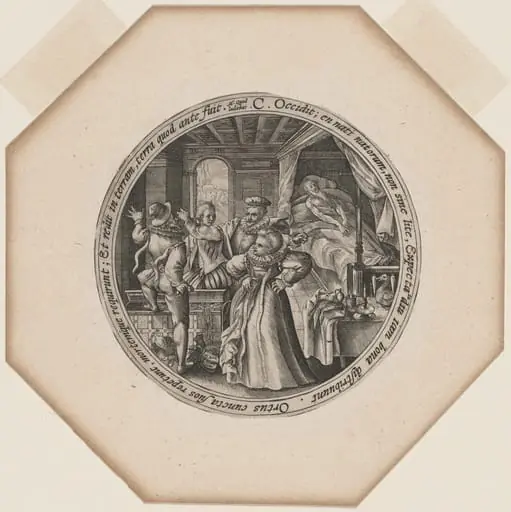 C: One Hundred Years