Artwork
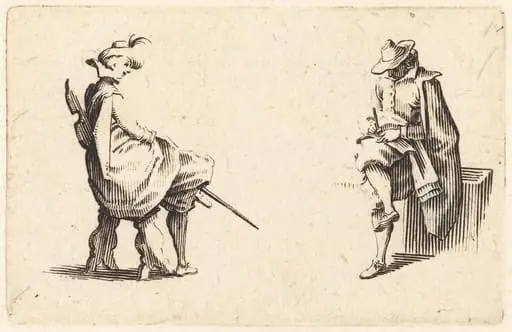
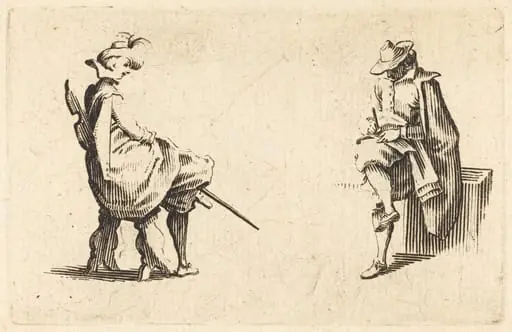
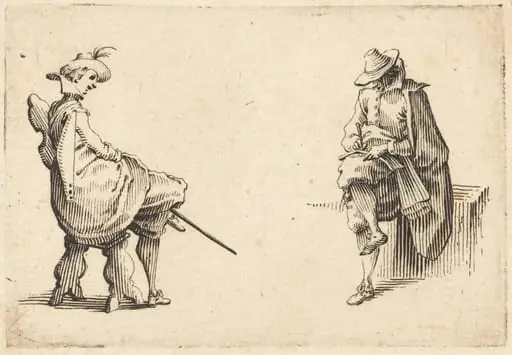
Seated Shepherd Boys
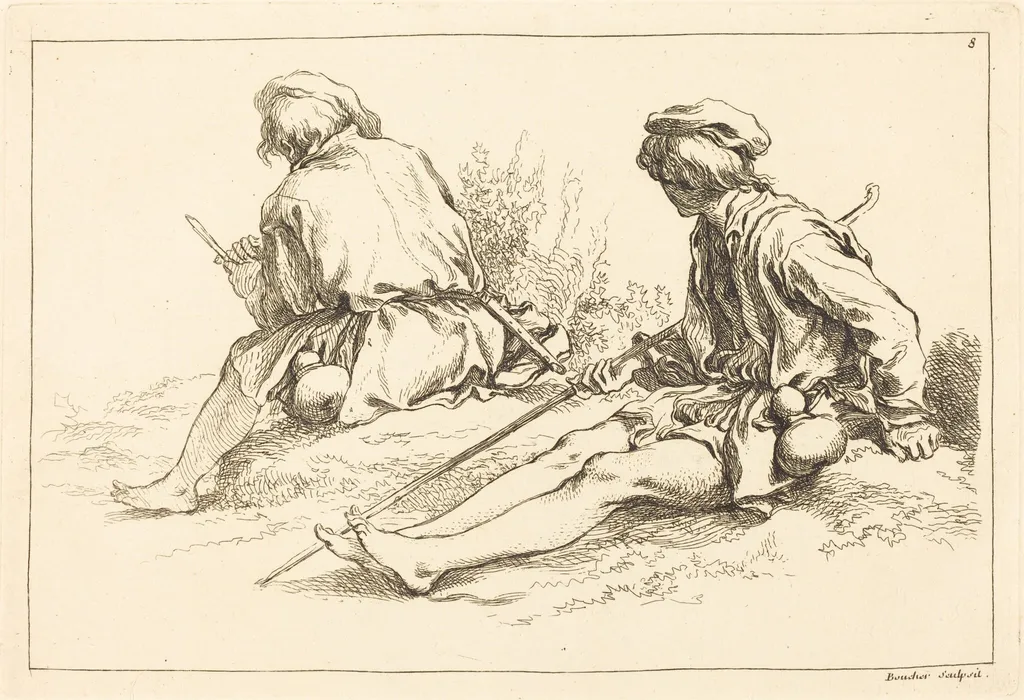
Seated Shepherd Boys is an ink print by the Baroque artist François Boucher. It dates from 1735 and is held in the collection of the National Gallery of Art.
About this work
Overview
François Boucher created this etching in 1735, using fine linear techniques on laid paper to capture two shepherd boys in a moment of stillness.
François Boucher created this etching in 1735, using fine linear techniques on laid paper to capture two shepherd boys in a moment of stillness. As a prominent French artist of the Rococo era, Boucher frequently turned to pastoral subjects, blending classical ideals with rural simplicity. The print reflects his mastery of delicate draftsmanship and his interest in quiet, intimate scenes rather than grand narratives.
Subject & Meaning
The two boys, seated back-to-back, appear absorbed in private thought, their postures suggesting contemplation rather than activity. Dressed in loose garments and long-haired, they evoke an idealized vision of rural youth, detached from labor and immersed in tranquility. The absence of narrative action or symbolic elements reinforces a mood of serene solitude, characteristic of Boucher’s romanticized view of pastoral life.
Technique & Style
Boucher employed fine, controlled etching lines to define the texture of fabric, hair, and foliage, avoiding heavy shading in favor of subtle tonal gradations. The minimal background focuses attention on the figures, while the softness of the lines enhances the gentle, decorative quality typical of Rococo aesthetics. His approach prioritizes elegance and tactile suggestion over dramatic contrast or detail.
History & Provenance
Created during Boucher’s early period of printmaking, this etching was likely produced for private collectors rather than public display. Though no specific early ownership records are widely documented, it aligns with the circulation of his small-scale works among French aristocratic circles who favored intimate, decorative imagery. The print survives in several institutional collections today.
Context
In mid-18th-century France, pastoral themes offered an escape from urban formality and political tension. Boucher’s work responded to a taste for lighthearted, sensuous imagery favored by the court of Louis XV. This etching fits within a broader trend among artists to reinterpret classical shepherds as symbols of innocent, harmonious existence, divorced from hardship.
Legacy
Though less celebrated than Boucher’s paintings, his etchings like this one influenced later generations of printmakers interested in delicate line and atmospheric suggestion. The work exemplifies how Rococo ideals translated into intimate graphic forms, preserving a vision of rural serenity that remained influential in European decorative arts well into the 19th century.
Artist & collection
Artist
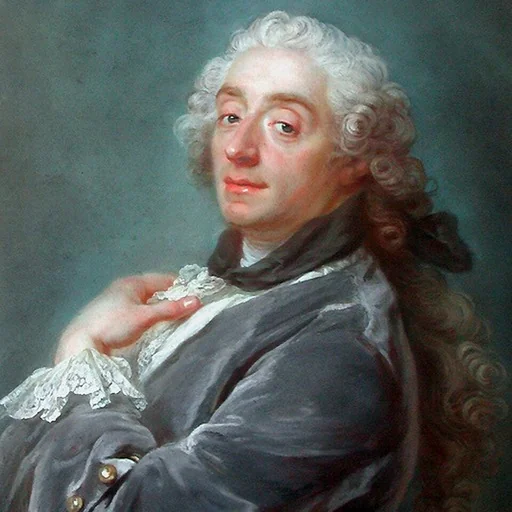
François Boucher was a French painter, draughtsman and etcher, who worked in the Rococo style.

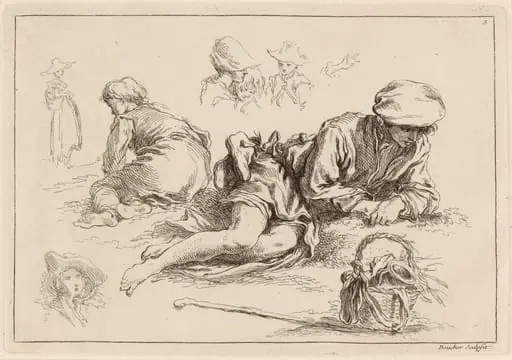 Figure Studies including Reclining Boy
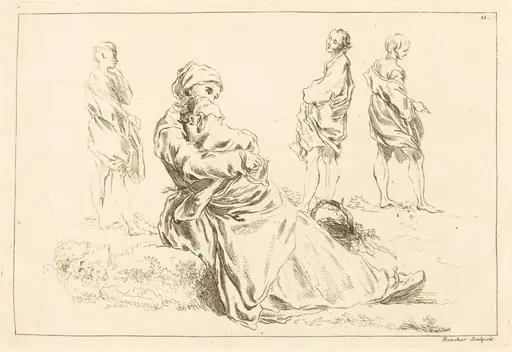 Figure Studies including Seated Mother and Child
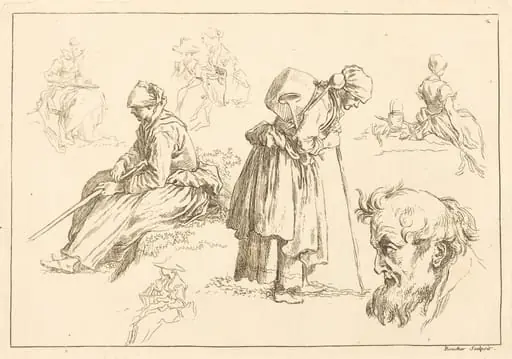 Figure Studies including Woman with a Kettle
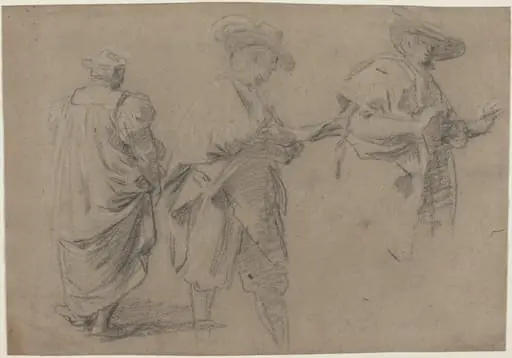 A Judge and Two Gentlemen Lawyers
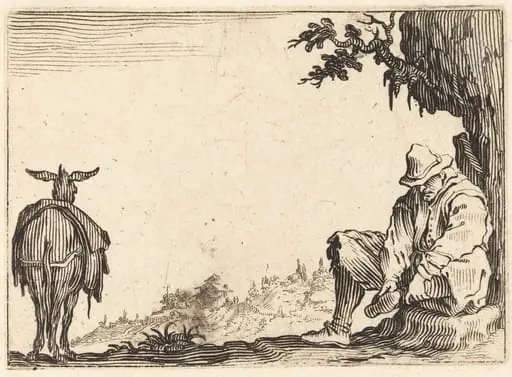 Peasant Removing His Shoe
![An Artist Seated at His Easel [recto], by Andries Both](https://artifactworldgallery.com/img/andries-both--an-artist-seated-at-his-easel-recto--df4909554b40b442-w320.webp) An Artist Seated at His Easel [recto]
An Artist Seated at His Easel [recto]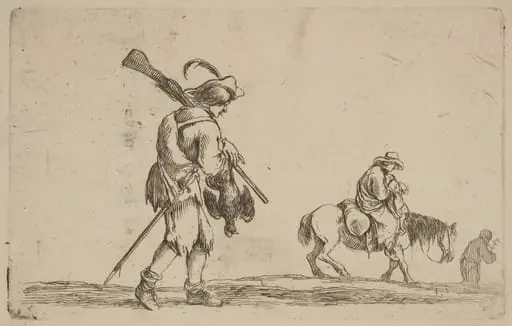 Soldier Holding a Fowl by the Feet
 Two Seated Figures
 Two Seated Figures
 Two Seated Figures