Artwork
Prince Christopher, son of Anthony, King of Portugal
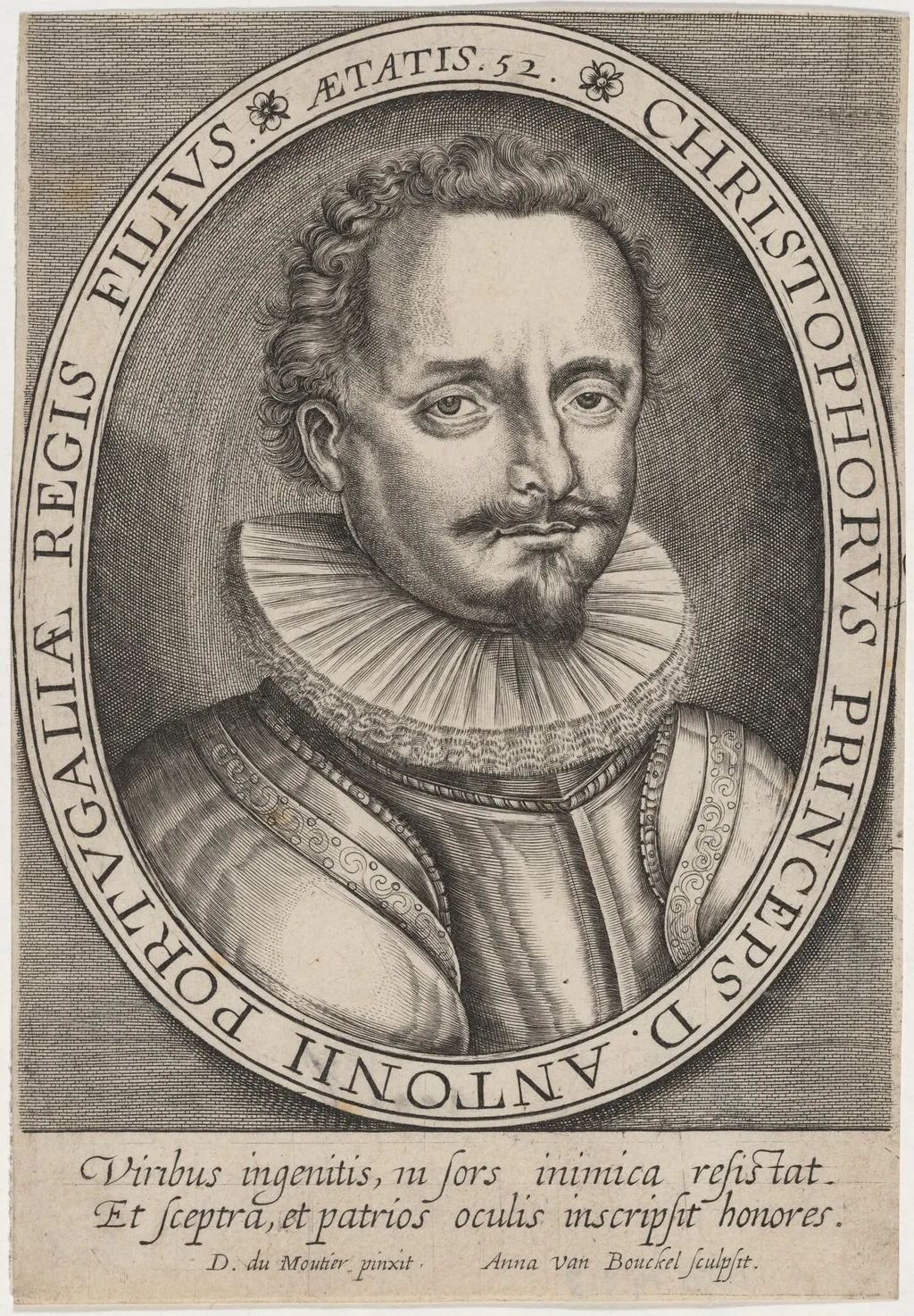
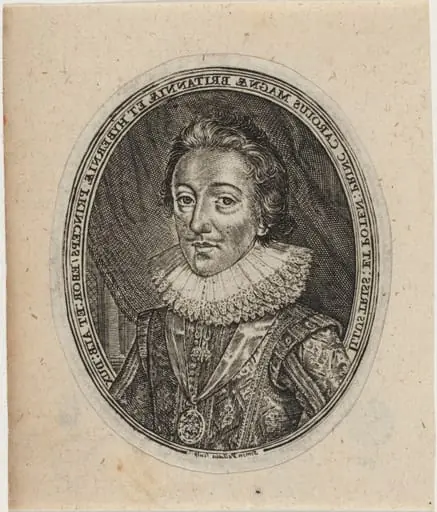
Prince Christopher, son of Anthony, King of Portugal is an ink print by the Renaissance artist Anna van Bouckel. It dates from 1640 and is held in the collection of the National Gallery of Art. This 1640 engraving on laid paper presents a portrait of Prince Christopher, identified as the son of King Anthony of Portugal.
About this work
Overview
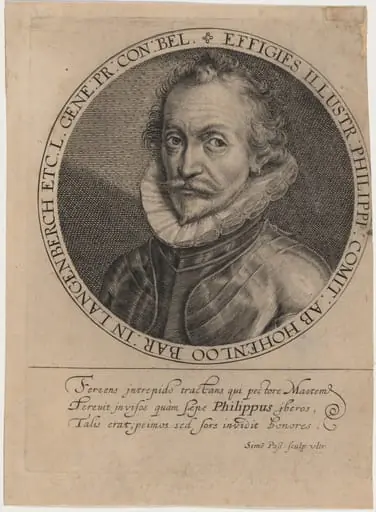
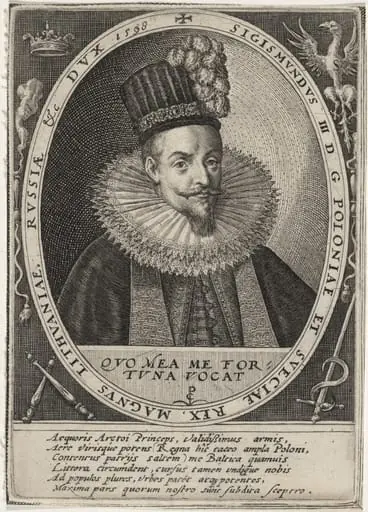
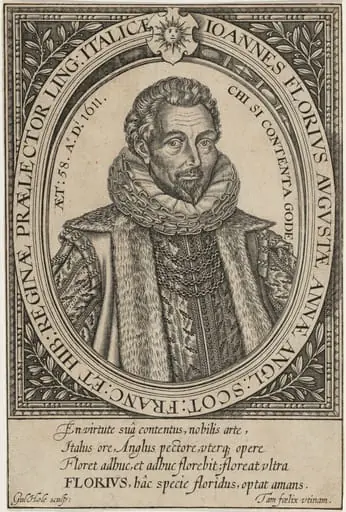
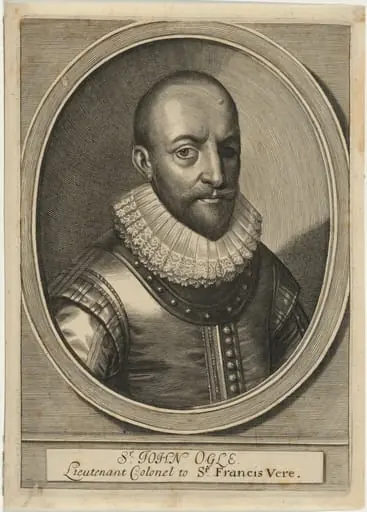
This 1640 engraving on laid paper presents a portrait of Prince Christopher, identified as the son of King Anthony of Portugal. Executed by Anna van Bouckel, the image is rendered in black and white, featuring a solemn male figure framed within an oval bordered by Latin inscription that names the sitter and the artist.
Subject & Meaning
The sitter is depicted with a serious expression, short beard and mustache, and dressed in a stiff-collared, layered costume typical of early‑17th‑century aristocracy. The plain background and formal pose emphasize his status and lineage, while the surrounding Latin text reinforces his royal identity and the patronage context of the work.
Technique & Style
Van Bouckel employed fine line engraving to achieve delicate modeling of facial features and the texture of clothing. The use of laid paper provides a subtle tooth that catches the incised lines, while the oval frame and surrounding script illustrate the period’s conventions for portrait prints intended for circulation among elite circles.
History & Provenance
Created in 1640, the print bears the artist’s signature at the lower margin, confirming authorship. Its association with the Portuguese royal family suggests it may have been produced for diplomatic or commemorative purposes, though no specific patronage record survives. The work has been catalogued in several European print collections since the 18th century.
Context
The engraving emerges at a time when Portugal was reasserting its independence from Spain (the Restoration of 1640). Portraits of royal heirs served both propaganda and genealogical functions, reinforcing the legitimacy of the new dynasty. Female engravers like van Bouckel were rare, highlighting the work’s significance within the broader print culture of the era.
Artist & collection